
Travel Insurance for Spain and Safety Tips for Visitors

Find the Right Coverage for Your Adventures in Spain
Whether you’re exploring Madrid’s historic streets, relaxing on an Andalusian beach, or hiking the Pyrenees, Spain offers unforgettable experiences, but also some unexpected risks. That’s why travel insurance for Spain is essential for protecting you from issues like lost luggage, missed connections, or medical emergencies.
This article will guide you through the key coverage options, costs, and how to choose the best plan.

Find the Best International Travel Insurance
- Compare top-rated travel insurance providers
- Get quotes for Travel Medical, Trip Cancellation, and more
- Choose the best plan for your trip and budget
Key Takeaways
- Travel insurance is highly recommended for Spain, as the country’s public healthcare system does not cover non-EU visitors and may incur high out-of-pocket costs.
- Look for plans that include emergency medical care, hospital visits, trip interruption or cancellation coverage, lost luggage protection, and 24/7 global assistance.
- Spain’s Schengen visa requirements make travel insurance with a minimum of €30,000 in medical coverage essential for many international travelers.
- Depending on your travel plans, add-ons such as coverage for adventurous activities, terrorism, and pre-existing conditions (with limitations) can provide additional protection.
- Major cities like Madrid, Barcelona, and Valencia offer high-quality healthcare, but insurance ensures access to private hospitals with shorter wait times and English-speaking staff.
Do You Need Travel Insurance for Spain?
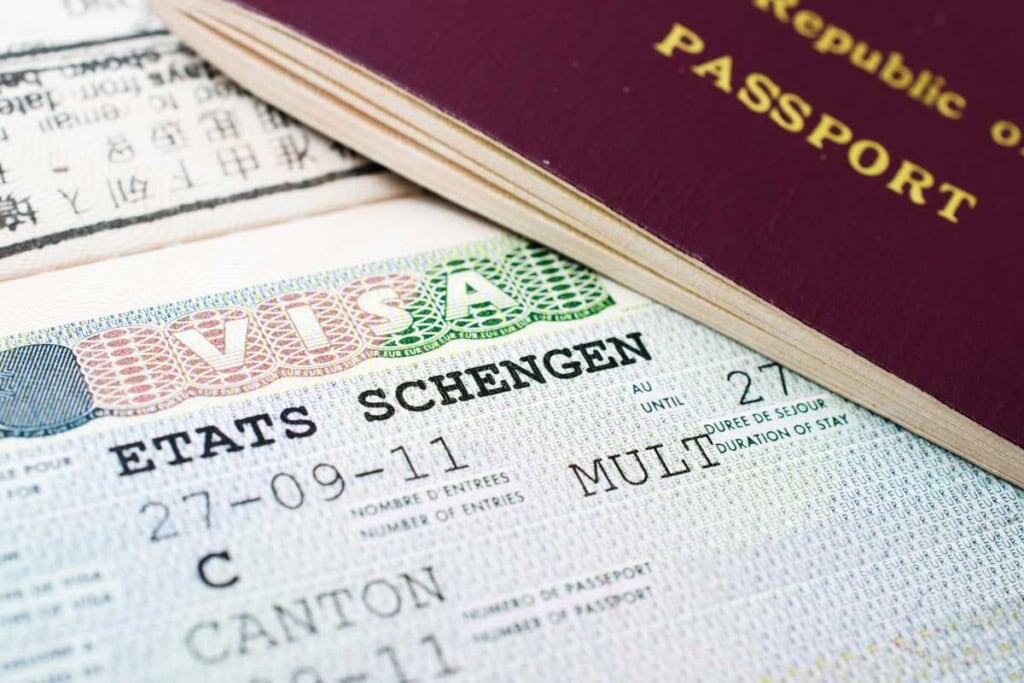
If you’re traveling to Spain from a country that requires a Schengen Visa, you must have travel insurance with a minimum coverage of €30,000 for medical emergencies, hospitalization, and repatriation. This is a mandatory requirement for obtaining a Schengen Visa.
Additionally, starting in 2025, travelers from visa-exempt countries will be required to apply for ETIAS (European Travel Information and Authorization System) before entering Spain or any other Schengen Area country.
While ETIAS is not a visa, it is a mandatory travel authorization, and it’s crucial to ensure your travel insurance meets the health coverage requirements specified by ETIAS.
For travelers from countries that do not require a Schengen Visa or ETIAS (such as the United States, Canada, Australia, and most EU countries), Spain travel insurance is not required by law.
However, it is still strongly advised to protect yourself from unexpected events such as medical emergencies, lost luggage, or trip cancellations, which could result in significant out-of-pocket expenses without proper coverage.
Spain is renowned for its stunning beaches, scenic hiking trails, such as the Camino de Santiago, and thrilling events, including the running of the bulls in Pamplona.
However, these attractions also carry certain risks. For instance, you might experience dehydration on the beaches, sustain injuries while hiking, or face disruptions like volcanic eruptions in the Canary Islands.
Having the right coverage ensures you are protected against these kinds of situations, allowing you to fully immerse yourself in all that Spain has to offer, knowing you’re prepared for any situation that might arise.

Travel Insurance
What Does Spanish Travel Insurance Cover and Exclude?
Travel insurance for Spain provides financial protection for medical expenses and trip-related incidents, ensuring you remain covered in unexpected situations.
Most plans typically include coverage for medical expenses, emergency evacuation, trip cancellation or interruption, lost or delayed luggage, travel delays, and repatriation of remains.
However, standard policies often exclude certain situations, such as pre-existing medical conditions, elective treatments, routine care, and injuries from high-risk activities, unless you add an adventure sports rider. Claims may also be denied if the incident involves alcohol, drugs, reckless behavior, or illegal activity.
Because coverage can vary widely, it’s essential to carefully read the fine print when comparing travel plans so you fully understand what is and isn’t included before your trip.
Read more about the benefits of International Travel Insurance and find the perfect plan.
Cost of Travel Insurance for Spain
The cost of travel insurance for Spain can vary based on factors like your age, health, trip duration, and the type of coverage you choose.
For example, a 35-year-old traveling from the US to Spain for seven days might pay between $10 and $20 for a travel medical plan, while a 65-year-old would typically pay between $40 and $50 for the same coverage.
Other cost factors include premiums (paid upfront or in installments), deductibles (the amount you pay out of pocket before coverage begins), co-pays for certain services, the extent of emergency and trip disruption coverage, and any policy exclusions.
Don’t just focus on price when comparing travel insurance plans. While it’s tempting, the cheapest option may not offer the coverage you actually need. Instead, review each policy’s coverage and consider whether you need extra protection for pre-existing conditions or adventure activities.
How to Choose the Right Travel Plan for Spain
There is no one-size-fits-all travel insurance for Spain, as the right plan depends on your personal needs. There are several key factors to consider when selecting coverage:
- Assess Your Health Needs: At a minimum, you’ll want a policy that covers emergency medical care. If you have any pre-existing conditions, be sure to check whether they’re covered.
- Consider Activities: Are you planning to run with the bulls or scuba dive in the Balearic Islands? Ensure the plan includes coverage for adventure sports that involve high-risk activities.
- Trip Length: The longer your trip, the more coverage you may need. Insurance plans often differentiate between short-term and long-term coverage.
- Destination-Specific Risks: Spain is vulnerable to natural disasters, including flooding, earthquakes, and volcanic eruptions. There have also been threats of terrorism in major cities. Depending on where you are heading, make sure you have coverage for these risks.
- Understand Coverage Limits: Always review the plan’s policy carefully to understand exactly what it covers and any exclusions or restrictions. Be sure to compare quotes from multiple providers to get the best coverage that fits your needs and budget.

We’ll Help You Choose the Right Plan
Compare top-rated travel insurance plans for your upcoming trip abroad.
The Best Travel Insurance Options for Spain
Below are our top recommended travel insurance plans for Spain. Each offers unique benefits tailored to different needs, from medical emergencies to trip protection and more.
The Best Travel Health Insurance for Spain
The IMG Patriot Platinum plan is one of the most comprehensive travel medical insurance options for visitors to Spain. It offers top-tier medical coverage, global emergency support, and essential travel benefits.
Whether you’re exploring the architectural wonders of Barcelona, the historic streets of Madrid, or the beaches of Costa del Sol, traveling between cities can come with unexpected risks. From sudden illness to accidents on trains or buses, a reliable travel medical plan ensures you’re protected throughout your journey.

Patriot Platinum Travel Insurance
- Maximum limits up to $8,000,000
- IMG pays 100% of medical expenses in-network
- Evacuation due to Natural Disasters & Political Unrest
The BCBS Global Solutions Single Trip Platinum Travel Insurance plan is our top recommendation for U.S. travelers visiting Spain. Affiliated with Blue Cross Blue Shield in the U.S., it provides access to a premium network of doctors and hospitals worldwide.
What sets this plan apart is its coverage for pre-existing conditions, making it an excellent choice for travelers with ongoing health concerns. It offers peace of mind, knowing that your medical needs will be fully addressed while abroad.

Single Trip Platinum Travel Insurance
- For U.S. citizens and residents up to age 95
- Includes pregnancy coverage, baggage loss, trip interruption & more
- 24/7/365 service and assistance
The Best Trip Protection for Spain
With Trawick Safe Travels AnyReason, U.S. citizens and residents can travel confidently, knowing they have both flexibility and financial protection against unexpected changes to their trip itinerary.
This plan offers one of the best Cancel for Any Reason (CFAR) benefits at no additional cost. Trawick will reimburse you for up to 75% of your prepaid, non-refundable trip expenses if you have to cancel your trip for reasons beyond the standard covered events.

Safe Travels AnyReason
- Available to U.S. residents traveling within the United States and abroad
- 100% Trip Cancellation and Trip Interruption Coverage
- Emergency Evacuation and Repatriation
- 75% of Cancel for Any Reason (CFAR) is included within 7 days of trip deposit
World Nomads Travel Insurance is a top choice for non-U.S. citizens seeking a travel plan with trip cancellation coverage. Policyholders can recover non-refundable expenses such as flights, accommodations, and prepaid activities.
Beyond trip cancellation coverage, World Nomads also provides coverage for over 200 adventure activities, emergency medical expenses, emergency evacuation and repatriation, and protection against loss or theft of baggage and personal belongings.

World Nomads Trip Cancellation
- Emergency medical evacuation and repatriation
- Coverage for baggage and personal gear
- Optional Cancel for Any Reason (CFAR) coverage for U.S. citizens and residents
Health and Safety Advice for Spain
Spain is generally considered a safe destination for people of all backgrounds. It ranks 46th out of 147 countries in Numbeo’s 2025 Safety Index, reflecting its overall safety.
However, like any popular tourist destination, there are a few things you should keep in mind to ensure your safety during your travels:
- Pickpocketing is a frequent issue in major cities such as Madrid, Barcelona, and Seville. Always keep your belongings secure and exercise caution in crowded areas, such as public transportation, tourist attractions, or busy streets.
- Natural Disasters: Like many countries, Spain is subject to natural disasters. Volcanic eruptions in the Canary Islands and occasional flooding in various regions can disrupt travel plans. Stay informed about local weather conditions and any warnings issued during your trip.
- Unexpected Weather Events: Extreme weather events, such as heatwaves and heavy storms, are becoming increasingly common. Ensure you’re prepared for varying conditions by packing appropriately and staying informed with the latest weather forecasts.
- Civil Unrest and Terrorism: While Spain remains generally peaceful, civil unrest and occasional terrorism threats have been a concern in some regions. Stay informed about local news and follow government advisories for specific security risks in your area.

Being aware of these potential risks will help you prepare for them. Staying informed and taking preventive measures can minimize your risk and allow you to enjoy your trip with peace of mind.
Medical Preparation for Travel to Spain
Ensuring you’re medically prepared for your trip can prevent unnecessary stress. Before traveling to Spain, make sure to:
- Stock Up on Medications: Bring enough prescription and over-the-counter medications to last your entire trip, plus extra for unexpected delays. Keeping them in their original packaging will help avoid issues at customs.
- Get Vaccinations: Schedule a check-up with your doctor to ensure you’re up to date on routine vaccines.
- Understand Spain’s Healthcare System: While Spain provides universal healthcare for citizens, most foreigners rely on private clinics, which offer shorter wait times and more English-speaking medical staff.

Guide
How to Bring Medications to Spain
Spain allows visitors to bring most prescription and over-the-counter medications, but there are restrictions on certain drugs:
- Keep Medications in Original Packaging: Ensure your full name appears on the label and carry a copy of your doctor’s prescription.
- Restricted Medications: Some painkillers, anxiety medications, and ADHD treatments (e.g., Adderall, OxyContin, Xanax) are restricted or banned in Spain.
- Travel Permits: If you need to bring restricted medications, please contact the Spanish Agency of Drugs and Health Products in advance to obtain the necessary permission.

Vaccinations Required for Spain
You don’t need any specific vaccines to travel to Spain. However, the Centers for Disease Control and Prevention (CDC) recommends staying up to date on routine vaccinations, including:
- Influenza
- Measles-Mumps-Rubella (MMR)
- Diphtheria-Tetanus-Pertussis (DTaP)
If you plan to visit rural areas or smaller villages, consider getting the Hepatitis A vaccine to protect against possible water contamination. Aim to see a doctor at least six weeks before departure to ensure complete immunity.
Accessing Medical Care in Spain
Spain offers high-quality healthcare to citizens and visitors alike. The system is divided into the public and private sectors. The nearest hospital will treat you if you are facing a life-threatening emergency. However, as a visitor, you’ll need to go to private clinics for minor medical care.
Spanish hospitals are of a high standard and are located throughout the country. Your insurance provider can provide a list of hospitals and clinics in the area you’re visiting. If you’re not fluent in Spanish, select a travel health insurance plan that includes translators for medical visits.
Travel Warnings and Alerts for Spain
To remain safe while traveling abroad, it is essential to stay up to date on the latest travel warnings for your destination. Since situations in a country can change rapidly, it’s necessary to remain informed even after landing.
The list below is an excellent resource for the latest Spain travel advisory alerts and updates:
- US Department of State: Official travel advisory page for Spain.
- Australian Government Smartraveller: Safety and security information specific to Spain.
- Gov.UK Foreign Travel Advice: Travel advice for UK citizens in Spain.
- Singapore Ministry of Foreign Affairs: Travel Advisories and Safety Tips for Spain.
Emergency Contact Information for Spain
In an emergency, the last thing you want is to be unsure how to get help in a foreign country. While it’s not something anyone likes to think about, being prepared can make all the difference.
Knowing what to do in a worst-case scenario will help you respond quickly and effectively, ensuring you get the help you need without unnecessary delays.
Emergency Assistance Numbers in Spain
If you face an emergency in Spain (or anywhere in Europe), dial 112 from any phone. For specific services, use the numbers below:
- Police (Emergency): 091
- Medical Services: 061
- Fire Department: 080
- Police (Non-Emergency): 092
Embassies in Spain
If you need assistance from your home embassy, you can contact them at the following phone numbers:
- Canadian Embassy: +34 91 382 8400
- UK Embassy: +34 91 714 6300
- French Embassy: +34 91 423 8900
- Australian Embassy: +34 91 353 6600
- New Zealand Embassy: +34 91 523 0226
Being familiar with these numbers ensures you can get help quickly when needed. Save them on your phone before traveling for easy access.
Travel Tips for Tourists in Spain
If you’re asking yourself, ‘Is Spain safe?’ Fear not! Overall, the country is safe for visitors. The 2024 Global Peace Index ranks Spain 23rd most peaceful in the world, while the U.S. ranks 132nd.
That said, it is still essential to take precautions when traveling in Spain. Below are some top tips to help you avoid common risks and have a seamless trip.
Beware of Pickpockets
Pickpocketing is common in popular tourist destinations, especially in cities like Barcelona and Madrid, but it can happen in any crowded area. Public transit is particularly notorious for this.
To protect your belongings, keep your wallet and phone in your front pocket, wear a crossbody purse with a zipper, and always carry your backpack in front of you. Take only the cash you need for the day, along with a copy of your passport, and leave essential valuables in your hotel.
Protect Yourself From the Heat
When visiting Spain in the summer, especially in Andalucía, it’s essential to stay hydrated. While the desert-like climate in the south is known for its intense heat, high temperatures can be a problem across the country.

Be proactive: drink plenty of fluids, eat high-water-content fruits, and seek shade when possible. Common symptoms of heat exhaustion include dizziness, headaches, and fatigue. If you experience these, seek shade and hydrate immediately.
Double-check the Tap Water
Most tap water in Spain is safe to drink, but it’s always best to check with locals – such as neighbors, host families, or hotel/hostel staff – before drinking directly from the tap. In certain areas, especially in southern Spain, tap water can cause stomach issues; therefore, it’s advisable to ask beforehand.
Keep an eye out for water delivery trucks; if you see them in the area, it may be a sign that the locals aren’t drinking tap water – and neither should you!

Want to Make Friends? Madrileños (locals of Madrid) take great pride in their tap water, claiming it’s the best in Spain – and even better than bottled water. Compliment the water, and you’ll have an instant conversation starter.
Heed the Flags on Beaches
Spain is famous for its beaches, attracting millions of tourists to the Mediterranean and Atlantic coasts each year. Whether you’re visiting the warm, calm waters of the Mediterranean or surfing the rougher waters of the Atlantic, it’s important to pay attention to the flags on the beach.
Public beaches in Spain use color-coded flags to indicate swimming conditions:
- Green: Safe to swim
- Yellow: Caution, restrictions in place
- Orange: No lifeguard on duty
- Red: Dangerous, swimming prohibited
Always check the flags before entering the water.
Avoid Demonstrations
Civil unrest and demonstrations over economic and political issues are becoming increasingly common in Spain.
While most protests are peaceful, they can sometimes turn unpredictable or even violent. To stay safe, it’s best to avoid demonstrations or large crowds.
Spain’s economy heavily depends on tourism, and while the country is famous for its warm hospitality, it’s still important to be aware of potential risks. By following the precautions outlined above, you’ll help ensure a smooth, safe, and enjoyable trip.

Ready to Enjoy a Stress-Free Spanish Getaway?
Spain is a country full of diversity, with each region offering unique experiences for travelers. Regardless of where you travel, proper preparation is essential to ensure a smooth, memorable trip.
By securing comprehensive travel insurance, you can confidently embark on your Spanish adventure, knowing you’re protected in case of unexpected emergencies.
With the proper protection in place, you can enjoy your journey without worrying about unforeseen travel expenses or disruptions, ensuring your getaway remains as stress-free as possible. So, are you ready to explore Spain with total peace of mind?
Get a free quote to find the best coverage for your trip. Safe travels!
Find the Best International Travel Insurance
- Compare top-rated travel insurance providers
- Get quotes for Travel Medical, Trip Cancellation, and more
- Choose the best plan for your trip and budget
FAQs
-
The entry requirements for Spain depend on your nationality, travel purpose, and where you’re traveling from.
EU/EEA/Swiss Citizens: No visa is required for tourism, business, or short stays (up to 90 days). A valid passport or national ID is needed. For stays longer than 90 days, a residency or work visa is required.
Non-EU/Non-EEA Citizens: A Schengen visa is required for short stays (up to 90 days within a 180-day period). To apply, you’ll need a valid passport, travel insurance, proof of accommodation, financial means, and a return ticket.
Travelers from Visa-Exempt Countries (starting 2025): While a visa is not required for short stays, travelers must apply for ETIAS (European Travel Information and Authorization System) before entering Spain. ETIAS is not a visa but is a mandatory travel authorization.
Passport Validity: Your passport must be valid for at least 3 months beyond your planned departure date.
Always check the latest travel guidelines, as requirements may change due to health, security, or other reasons.
-
If you’re traveling to Spain from a country that requires a Schengen Visa, you must show proof of travel insurance with a minimum coverage of €30,000 for medical emergencies, hospitalization, and repatriation. This is a mandatory visa requirement.
However, travel insurance is not legally required for travelers from countries that don’t require a Schengen Visa (such as the US, Canada, or Australia).
That said, it is still highly recommended to protect yourself from unexpected incidents such as medical emergencies, lost luggage, or trip cancellations, which can lead to significant out-of-pocket costs.
-
Travel insurance for Spain typically covers medical emergencies, trip cancellations, lost baggage, and delayed flights. It may also include coverage for emergency medical evacuation and hospitalization.
Depending on the policy, it can also offer protection for activities you plan to do in Spain, such as adventure sports, and coverage for pre-existing conditions. Always review the specific policy details to ensure they meet your needs.
-
The cost of travel insurance for Spain depends on several factors, including your age, health, trip duration, coverage type, and additional costs like deductibles or co-pays.
On average, a week-long travel insurance plan for a single, middle-aged traveler typically costs between $20 and $40.
When buying coverage, look for plans that include medical emergencies, trip cancellations, lost baggage, and any activities you plan to do in Spain. Also, be aware of any exclusions, coverage limits, and additional out-of-pocket costs.
-
Yes, you can purchase travel insurance after booking your flight to Spain. Most insurance providers offer coverage up until the day before your departure.
However, it’s advisable to buy travel insurance as soon as possible. Doing so protects you from unexpected trip cancellations, interruptions, or delays before departure. It also ensures coverage for pre-existing conditions, which may not be included if you wait too long.