
Travel Insurance for Vietnam and Safety Advice for Visitors
Looking to buy travel insurance for Vietnam? Find the best plans for visitors along with health and safety advice before you travel.
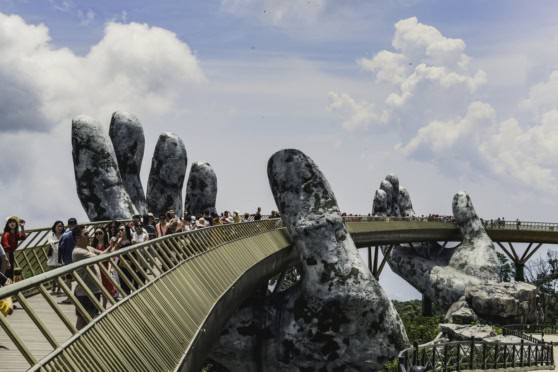
Travel Insurance and Safety Tips for Visitors to Vietnam
Tourism in Vietnam is booming. In 2018, Vietnam welcomed 15.5 million international arrivals, up from 2.1 million in 2000. Visitors range from backpackers and digital nomads to culture, food, and nature enthusiasts, as well as those interested in military history, including returning veterans. They come for culinary experiences and cooking classes, as well as for nature, photography, and kayak trips, and military history tourism.
However, while tourism is an increasingly important part of Vietnam’s economy, visitors who wander off the beaten path will encounter a country that still feels undiscovered by the hordes of tourists who visit Thailand and Cambodia. For all its attractions, most of Vietnam still feels quiet and neighborly. If you’re planning to travel to Vietnam, here are some essential health, safety, and travel tips you need for this remarkable country.
Find the Best International Travel Insurance
- Compare top-rated travel insurance providers
- Get quotes for Travel Medical, Trip Cancellation, and more
- Choose the best plan for your trip and budget
Travel and Trip Insurance for Visitors to Vietnam
While the cost of paying a la carte for public healthcare services in Vietnam is low, the quality of care is often very poor.
Private health insurance is highly recommended for extended stays in Vietnam. Private care means treatment in cleaner, more comfortable, and more private facilities. It also means access to state-of-the-art diagnostic equipment and multilingual staff.
Travelers should ensure their health insurance covers them for treatment outside Vietnam. Often, visitors will need to travel to Thailand, Singapore, or Kuala Lumpur for specialist treatments and medical emergencies.
While this type of cross-border care isn’t as popular as it once was, it remains common for certain types of care.
Travel Medical Insurance for International Visitors to Vietnam

Patriot Platinum Travel Insurance
- Maximum limits up to $8,000,000
- IMG pays 100% of medical expenses in-network
- Evacuation due to Natural Disasters & Political Unrest

Atlas Travel Insurance
- Emergency medical, evacuation, and repatriation benefits
- Choose between basic or more extensive coverage
- Meets Schengen visa insurance requirements
Travel Medical Insurance for US Citizens and Residents Traveling to Vietnam

Single Trip Platinum Travel Insurance
- For U.S. citizens and residents up to age 95
- Includes pregnancy coverage, baggage loss, trip interruption & more
- 24/7/365 service and assistance
Trip Cancellation Insurance for US Citizens and Residents Traveling to Vietnam

Pathway Premier
- Comprehensive Travel Protection and Travel Medical Insurance
- Available to U.S. residents traveling for up to 90 days within the U.S. and internationally
- Optional CFAR, IFAR, Rental Car Damage, and Adventure Sports coverage
iTravelInsured Trip Cancellation Insurance
- Three tiers of trip protection for U.S. citizens and residents traveling overseas
- Includes $500,000 Emergency Medical and $1,000,000 Medical Evacuation coverage
- Optional Cancel for Any Reason (CFAR) upgrade available
Vaccine Requirements for Travel to Vietnam
Like with all travel destinations, the Centers for Disease Control recommends that visitors to Vietnam be up to date on all routine vaccinations.
These vaccines include the measles-mumps-rubella (MMR) vaccine, the diphtheria-tetanus-pertussis vaccine, the varicella (chickenpox) vaccine, the polio vaccine, and a yearly flu shot.
In addition to routine immunizations, the CDC also recommends that anyone planning to travel to Vietnam be inoculated for the following:
- Hepatitis A
- Typhoid
Depending on where you are traveling in Vietnam, you may require the following additional vaccines:
- Hepatitis B
- Japanese Encephalitis
- Dengue Fever
- Rabies
As well, there have been cases of malaria reported in rural areas around the Mekong and Red River Deltas. If your travels will bring you to these areas, it’s wise to speak with a travel medicine clinic before you go.
How to Access Medical Treatment in Vietnam
The good news about medical care in Vietnam is that it is undergoing significant improvement. Furthermore, the government is considering developing a universal healthcare plan.
However, the downside is that care quality remains inferior in most rural areas. In fact, in some of the most rural and remote areas, medical services are all but nonexistent. However, in urban areas, the outlook is more positive. That said, public hospitals are still often underfunded and under-equipped.
Fortunately, the standards of private hospitals are excellent, particularly in Hanoi and Ho Chi Minh City. Many doctors are Expats from the United States, Korea, Japan, and France.
Many Vietnamese doctors in private hospitals have studied overseas. As such, patients can expect multilingual staff, a real bonus for visitors in need of care.
Emergency Numbers in Vietnam
- Dial 115 for emergency medical care and ambulances in Vietnam
- Dial *9999 for an emergency medical response service in English and Vietnamese
- Dial 113 to access the police in an emergency
- Dial 114 for fire emergencies in Vietnam
Vietnamese Pharmacy and Hospital Information
Pharmacies are well-stocked and easily accessible in Vietnam. However, expired products are sometimes a problem. It’s a good idea to carefully inspect the packaging before paying for your purchase.
Occasionally, there are problems with counterfeit brand-name drugs. Visiting a pharmacy within a private clinic or hospital reduces the possibility of receiving counterfeit or substandard medicines.
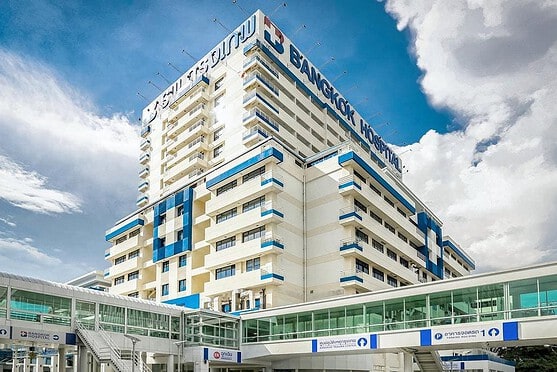
There are two internationally accredited hospitals in Vietnam, located in Hanoi and Ho Chi Minh City. As well, new hospitals have been built in smaller cities, including Nha Trang, Vung Tau, and Phu Quoc.
One brand to keep an eye on is Vinmec Health Care, which currently operates four full-service hospitals and two outpatient clinics.
For non-urgent care, the Family Medical Practice runs well-regarded clinics in Da Nang, Hanoi, and Ho Chi Minh City.
Additionally, SOS International operates clinics in Vung Tau, Hanoi, and Ho Chi Minh City, offering high-quality care and English-speaking staff.
Staying Safe and Healthy When Visiting Vietnam
The tap water in Vietnam is non-potable. As such, visitors should only drink bottled or sterilized water. Ice cubes and food washed with tap water should be avoided similarly.
This includes raw fruits and vegetables, like salads and smoothies. The old traveler’s adage “Boil it, peel it, cook it, or forget it” applies to eating and drinking in Vietnam.
That said, some of the safest and most delicious food comes from street vendors. Look for vendors with busy lines and fast-moving traffic. That means food isn’t sitting around in the heat.
Additionally, locals are familiar with their neighborhood vendors. They wouldn’t line up to patronize any food stall with a bad reputation.
General Safety and Travel Tips for Trips to Vietnam
Plan for your visa. Triple-check all of your information and have all your paperwork ready for the immigration officers. Travelers are turned away every day because they haven’t adequately prepared for their visa requirements.
Don’t underestimate travel distances. For visitors from Canada, the United States, and Australia, Vietnam is little more than a speck on a map.
But when you’re on the ground, you soon learn that traveling from one point to another takes much more time than you estimated. For instance, the train from Hanoi to Ho Chi Minh City takes approximately 35 hours, and even longer by bus.
When it comes to covering distances, short or long, motorbikes are one of the most popular modes of transportation.
However, they are also one of the most dangerous. Wearing a helmet, renting from an established, reputable business, and starting with a full tank of gas are all essential safety steps. If you’re not a confident motorbike driver, consider hiring a motorbike guide through a company like Easy Riders Vietnam.
Violent crime is infrequent in Vietnam. However, snatch-and-grab crimes are far more common. Leaving your phone on the edge of your cafe table or dangling from your hand as you walk down the street is a high-risk move. Before you know it, your phone will be gone! Keep a close eye on your phone and all electronic devices.
Vietnamese Environmental Concerns
While Vietnam has unbelievably beautiful scenery, its beaches aren’t its strong point. The seaside tourism industry isn’t nearly as developed as it is in nearby Thailand. And in friendly beach towns, you might find that water and shoreline pollution and litter drastically reduce the appeal.
Thankfully, community efforts like Let’s Clean Up The Ocean are raising awareness and mobilizing support to improve beach ecosystems.
Find the Best International Travel Insurance
- Compare top-rated travel insurance providers
- Get quotes for Travel Medical, Trip Cancellation, and more
- Choose the best plan for your trip and budget