
Travel Insurance for the UK and Safety Tips for Visitors

Key Takeaways
- Intensive care in England costs overseas patients at least £2,745 a day under the National Health Service's 2021–22 overseas patient upfront price list.
- Non-residents can bring up to a three-month supply of prescribed medication into the United Kingdom with a signed letter from their prescribing doctor.
- The United Kingdom ranked 30th out of 163 countries in the 2025 Global Peace Index.
Discover the Best Coverage for Your UK Adventure
Planning your dream trip to the UK? Whether you want to experience the hustle and bustle of London, the natural beauty of Wales, or the magic of Stonehenge, the right UK travel insurance will ensure you have the adventure of a lifetime without worrying about mishaps like lost luggage, medical emergencies, or travel delays.
To help you choose the best coverage for your journey, this article breaks down what’s included, the cost, and how to select the right plan for your needs.

Trusted Travel Coverage for the UK
- Expert-recommended travel medical plans for visitors to the UK
- Emergency care at leading hospitals in London, Birmingham, Manchester, Oxford, and more
- Includes coverage for accidents, travel delays, and lost luggage
-
BCBS Global Solutions Single Trip Platinum
— Ideal for U.S. citizens visiting the UK
High coverage limits, comprehensive pre-existing conditions coverage, and access to top-tier hospitals in the UK. -
WorldTrips Atlas
— Flexible plan for international travelers to the UK (excl. Australians and Canadians)
Customizable benefits with solid emergency medical and travel delay coverage — ideal for shorter visits. -
IMG Patriot Platinum
— Premium plan for UK-bound U.S. and international travelers
Comprehensive benefits and high policy limits — excellent for extended stays, luxury trips, or VIP travelers. - View more travel and trip protection plans for travel to the United Kingdom.
Do I Need Travel Insurance for the UK?
Travel insurance isn’t mandatory for visitors to the UK, but it is highly advisable. While the country’s National Health Service (NHS) covers most residents, short-term visitors don’t have automatic NHS coverage.
As a result, they should consider purchasing coverage to protect themselves against unexpected medical expenses during their stay.
No matter how well you plan your international trip, unexpected setbacks can happen at any time. For instance, you might trip and sprain your ankle while rushing to catch the Tube in London, contract norovirus from a hotel buffet and need hospitalization, or slip on a rainy cobblestone street in Edinburgh and fracture your wrist.
These incidents could lead to staggering medical bills if you need treatment and don’t have coverage. For example, the daily cost for a patient in intensive care is at least £2,745 (approximately $3,551 USD).
Coverage for High-Risk Activities
If you plan to participate in high-risk activities such as hiking in the Scottish Highlands, rock climbing in Snowdonia, surfing in Cornwall, or mountain biking in the Lake District, having the right coverage becomes even more essential.
These activities carry a higher risk of injury, so it’s essential to ensure your policy includes coverage for adventure or extreme sports.

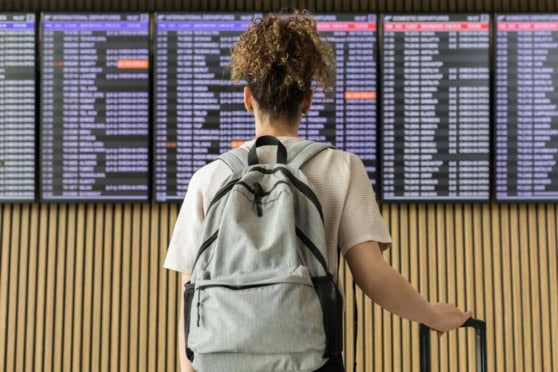
Beyond medical emergencies, other travel mishaps can also disrupt your trip. Your luggage might go missing at Heathrow Airport, leaving you without essential items and forcing you to replace lost belongings.
You could miss a connecting flight in another city, requiring an unexpected hotel stay and a costly rebooked flight. Theft is another concern, particularly in bustling tourist areas such as London’s West End or Edinburgh’s Royal Mile.
Comprehensive travel insurance not only covers medical emergencies but also provides financial protection against lost luggage, trip cancellations, and theft, ensuring a stress-free and enjoyable trip.
Travel Insurance
Travel Insurance for Common Risks in the UK
Understanding the most common travel risks in the UK can help you prepare for a safe and stress-free trip. Here are key risks to consider:
Road Accidents
If you’re used to driving on the right side of the road, switching to the left in the UK can be challenging. Roundabouts and narrow country roads can also be difficult to navigate. Consider a policy that includes coverage for accidents and rental car damage.
Weather-Related Delays
The UK weather is unpredictable, with frequent rain, fog, and occasional snow, which can disrupt flights, trains, and road travel. A policy that covers weather-related cancellations and delays can help you rebook flights or accommodations without extra costs.
Theft
Pickpockets and phone thieves often target tourists, especially in crowded areas such as London’s Tube, Edinburgh’s Royal Mile, and major tourist attractions.
A travel policy that includes theft coverage can help you recover financially and replace lost valuables, allowing you to continue your trip with minimal disruption.
Lost or Delayed Luggage
Major UK airports, including Heathrow, Gatwick, and Manchester, are among the busiest in the world, which increases the likelihood of delayed or lost baggage. A policy that covers baggage loss or delay can help you replace essentials while you wait for your belongings.
Outdoor Activities
The UK offers more than just city experiences – it boasts stunning landscapes that are perfect for outdoor adventures. You can hike the breathtaking trails of the Lake District, ski in the Scottish Highlands, or surf the waves in Cornwall.

Don’t Forget to Apply for Your UK ETA! Traveling to the UK in 2025? Be sure to apply for the UK Electronic Travel Authorization (ETA) before your trip. It’s mandatory for travelers from visa-exempt countries, and without it, you won’t be allowed to board your flight!
However, unpredictable weather and remote locations can make these activities riskier. If you’re planning to engage in adventure sports, consider adding an “extreme sports” rider to your policy or selecting an adventure travel plan that includes coverage for injuries and emergency evacuations. This ensures you’re protected whether you’re trekking rugged coastlines or exploring remote countryside.
Healthcare Expenses
The NHS provides excellent care to UK residents, but visitors aren’t fully covered. You may need to pay upfront for non-urgent treatment, and in emergencies, you could be billed up to 150% of the actual costs. The right travel health insurance can help cover these expenses, preventing unexpected medical debt.
Terrorism and Civil Unrest
The UK has a history of transport strikes, large-scale protests, and security threats that can cause significant disruptions, particularly in major cities such as London and Manchester.
These disruptions can potentially impact your travel plans, whether through delays, cancellations, or changes in local safety conditions. In rare cases, terrorism-related incidents or civil unrest can also lead to significant travel disruptions.
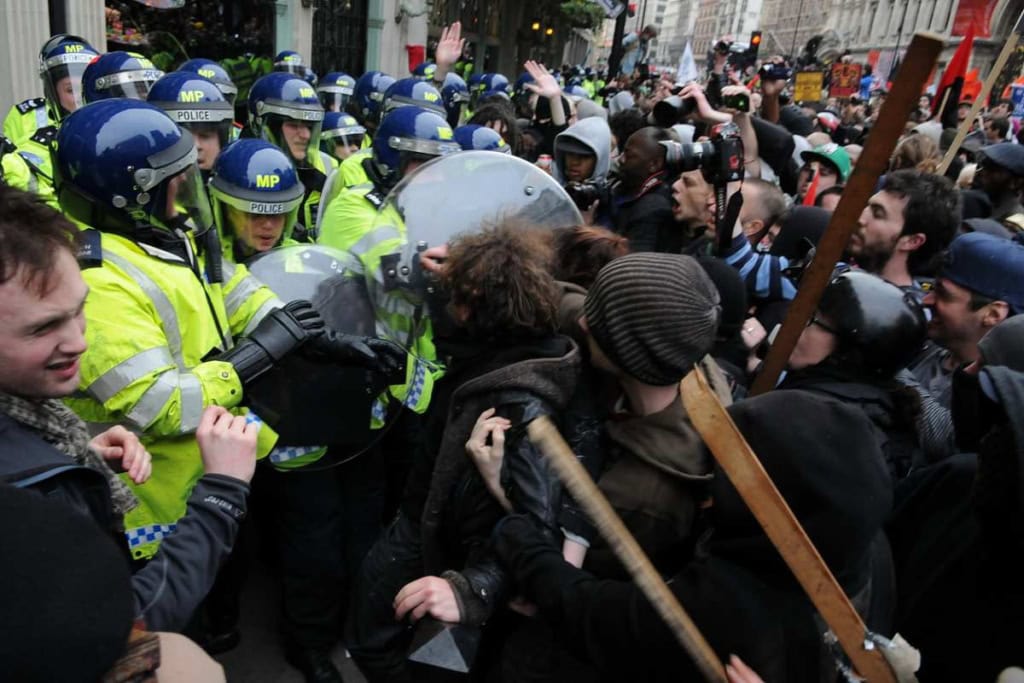
To safeguard your trip, consider selecting a policy that includes coverage for trip cancellations or interruptions resulting from terrorism, security alerts, or civil unrest.
This will help you recover costs if your travel plans are disrupted by unexpected events beyond your control, such as transportation cancellations, airport closures, or emergency evacuations.
What Does UK Travel Insurance Cover and Exclude?
UK travel insurance protects travelers against unexpected financial losses and disruptions during their trip. While some policies offer basic protection, others provide more comprehensive coverage for a broader range of travel-related risks.
Most plans typically include coverage for medical expenses, emergency evacuation, trip cancellation or interruption, lost or delayed luggage, travel delays, and repatriation of remains.
However, standard policies typically exclude coverage for pre-existing medical conditions, non-emergency treatments such as routine checkups or elective procedures, or injuries from high-risk activities, unless you add an adventure sports rider.
Coverage may also be limited or denied for self-inflicted injuries, incidents caused by alcohol or drugs, or losses resulting from illegal activities.
Since coverage can vary widely, it’s essential to carefully review the fine print of your travel insurance plan to understand any exclusions and limitations that may apply in the UK, ensuring you’re not left vulnerable to unexpected costs or without protection in key situations.
Read our article on international travel insurance to learn more about the various benefits and how to choose the best plan for your needs.
How Much is Travel Insurance for the UK?
The cost of a travel plan for visitors to the UK varies based on several factors, including age, trip duration, destination, and the type of coverage chosen.
Adding extra coverage for high-risk activities, such as adventure sports, and pre-existing medical conditions, will further increase the price.
Age is a major factor, as older travelers typically pay higher premiums due to increased health risks. For example, a 25-year-old traveling from the US to the UK for 10 days might pay between $8 and $20 for a travel medical plan, while a 55-year-old would typically pay between $30 and $55 for the exact same coverage and duration.
Other factors that influence the cost include the deductible (the amount you pay out of pocket before coverage kicks in), co-pays for specific services, the extent of emergency and trip disruption coverage, and any policy exclusions.
Save on insurance by choosing a higher deductible, which lowers premiums as the insurer’s risk decreases. Ensure your policy covers essentials like repatriation, medical evacuation, emergency treatment, and trip cancellation. This is especially important for the UK, where medical costs for visitors can be high.
How to Choose the Right Coverage for the UK
By now, you should have a better understanding of travel insurance terms and how they impact the cost of different policies.
Here’s what to keep in mind when choosing the best policy for you:
- Assess Your Health and Needs: If you or a travel companion has a pre-existing condition, verify that your policy does not exclude any medical coverage. Also, check what emergency medical care it covers.
- Consider the Activities You Might Participate in: If you plan to engage in high-risk activities such as rock climbing, surfing, or scuba diving, select a policy that includes adventure sports coverage or offers an add-on for these activities.
- Your Trip Length: Longer trips may require more comprehensive health and trip cancellation coverage to ensure full protection.
- Destination-Specific Risks: Pickpockets and phone snatchers are common in popular UK tourist destinations, including London, Edinburgh, and Manchester. Theft coverage can offer added peace of mind when visiting crowded areas, major landmarks, or bustling markets.
- Understand Coverage Limits: Review each policy’s coverage limits, particularly for critical aspects such as emergency evacuation and medical treatment. If there are exclusions, ensure the policy offers adequate protection for your needs. Comparing quotes from different providers is a great way to find the best value for the coverage you need.

Travel Insurance
The Best Travel Insurance for the UK
Below are our top recommended travel plans for the UK, each tailored to cover a range of needs – from medical emergencies to trip protection and more.

We’ll Help You Choose the Right Plan
Compare top-rated travel insurance plans for your upcoming trip abroad.
The Best Travel Health Insurance Plans for Trips to the UK
The BCBS Global Solutions Single Trip Platinum Plan is an excellent option for U.S. citizens traveling to the United Kingdom. It is affiliated with Blue Cross Blue Shield and provides access to a premium network of doctors and hospitals worldwide.
BCBS Global Solutions also offers 24/7 customer support, telemedicine, and prescription drug coverage, which is especially important in the UK, where Medicare doesn’t cover most medical expenses abroad, including outpatient medications.
The plan is particularly well-suited for older U.S. citizens, providing comprehensive coverage for seniors traveling abroad.

Single Trip Platinum Travel Insurance
- For U.S. citizens and residents up to age 95
- Includes pregnancy coverage, baggage loss, trip interruption & more
- 24/7/365 service and assistance
The IMG Patriot Platinum plan is one of the most comprehensive travel medical insurance options available for visitors to the United Kingdom. It offers top-tier medical coverage, global emergency services, and valuable travel benefits.
Whether you’re traveling for business, vacation, or an extended stay, this plan delivers dependable protection against medical emergencies, the acute onset of pre-existing conditions, and unexpected travel interruptions.

Patriot Platinum Travel Insurance
- Maximum limits up to $8,000,000
- IMG pays 100% of medical expenses in-network
- Evacuation due to Natural Disasters & Political Unrest
The Atlas Travel Insurance Plan is a flexible and affordable option for visitors to the UK. Atlas provides excellent customer service and a comprehensive range of benefits, even with budget-friendly plans.
This plan includes coverage for pre-existing conditions, ensuring you receive necessary care while abroad. For those planning UK-based adventures, Atlas also offers coverage for high-risk activities and emergency evacuation options.

Atlas Travel Insurance
- Emergency medical, evacuation, and repatriation benefits
- Choose between basic or more extensive coverage
- Meets Schengen visa insurance requirements
The Best Trip Cancellation Insurance for the UK
The Trawick Safe Travels AnyReason plan provides U.S. citizens and residents visiting the UK with flexibility and financial protection against unexpected changes to their trip itinerary.
The plan offers one of the best Cancel for Any Reason (CFAR) benefits at no additional cost. Trawick will reimburse you for up to 75% of your prepaid, non-refundable trip expenses if you have to cancel your trip for reasons beyond the standard covered events.

Safe Travels AnyReason
- Available to U.S. residents traveling within the United States and abroad
- 100% Trip Cancellation and Trip Interruption Coverage
- Emergency Evacuation and Repatriation
- 75% of Cancel for Any Reason (CFAR) is included within 7 days of trip deposit
World Nomads Travel Insurance is a top choice for non-U.S. citizens seeking trip cancellation coverage. Policyholders can recover non-refundable expenses such as flights, accommodations, and prepaid activities.
In addition to trip cancellation coverage, World Nomads offers protection for over 200 adventure activities, emergency medical expenses, emergency evacuation and repatriation, and lost or stolen baggage and personal belongings.

World Nomads Trip Cancellation
- Emergency medical evacuation and repatriation
- Coverage for baggage and personal gear
- Optional Cancel for Any Reason (CFAR) coverage for U.S. citizens and residents
How to Prepare for Your Visit to the UK
Preparing for your trip to the UK involves more than just booking your flight and accommodations. It’s essential to ensure that your health and well-being are well taken care of before you travel. Here are some key steps to tick off your to-do list.
Medical Preparation for Travel to the UK
Before heading to the UK, it’s a good idea to schedule an appointment with your healthcare provider. They can offer advice on managing your health while traveling and ensure you’re up to date on any necessary vaccinations.
You may also want to refill prescriptions, so you have enough medication for the duration of your trip. Be mindful that medical marijuana is not permitted in the UK, so ask your doctor about potential alternative medications if needed.
Additionally, consider any health risks associated with travel, such as flu season, as well as any conditions you may be prone to while abroad, such as traveler’s diarrhea. Consult your doctor about preventive measures or medications.
What Vaccinations Do I Need When Traveling to the UK?
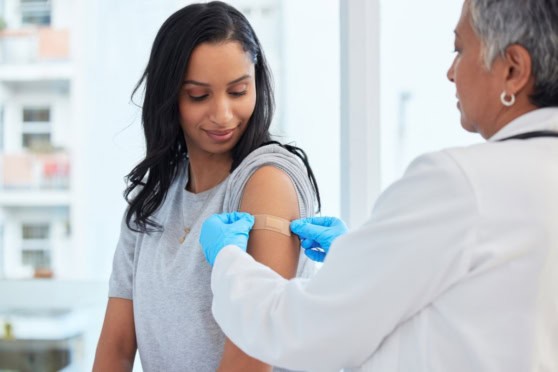
No vaccinations are required for entry into the UK. However, it’s advisable to ensure you’re up to date on routine vaccinations, such as measles, chickenpox, and the flu.
Some travelers opt for additional protection with vaccines for Hepatitis A and B, depending on their health history and activities planned during the trip. Always consult your doctor to determine what’s best for you and anyone traveling with you.
Can I Bring Medications to the UK?
As a non-UK resident, you’re allowed to bring up to a three-month supply of medication, provided it’s prescribed to you. You’ll need to have a letter from your doctor detailing your medication, dosage, and the dates of your trip.
The letter must also include your prescribed doses and the medication’s strength, and it needs to be signed by the prescribing doctor.
However, if your medication is classified as a controlled Schedule 1 drug in the UK, such as many cannabis products, you will face stricter regulations. Always check with your doctor to confirm whether your medication falls into this category before traveling.
How to Get Medical Care as a Visitor in the UK
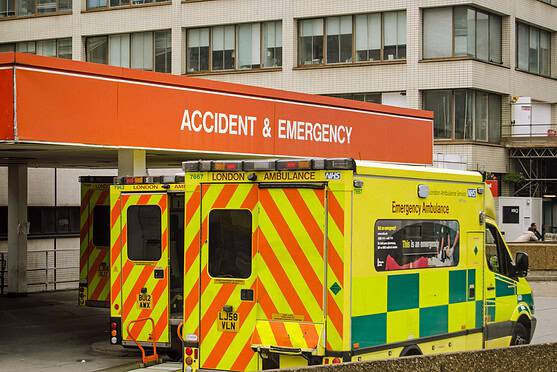
If you experience a medical emergency while in the UK, dial 999 or 112 to request an ambulance. You’ll be taken to the nearest hospital’s Accident & Emergency (A&E) department, where you’ll receive an assessment.
Emergency treatment at NHS-run hospitals is free, but if you are admitted as an inpatient, you may face additional charges. In some cases, you may face up to 150% of the usual cost for any subsequent care. If you don’t pay this debt, you may be denied entry to the UK in the future.
Non-Emergency Medical Care and GP Visits
For non-emergency medical care, you can visit a GP (General Practitioner), but as a visitor, you will need to pay upfront for services.
While you won’t be able to register as a resident, you may still be able to book an appointment or visit a GP who accepts private patients. If you have travel health insurance, your insurer can help locate a GP who accepts your coverage.
The EHIC and Reciprocal Healthcare Agreements
If you’re a resident or long-term legal resident of an EU country, you can still use the European Health Insurance Card (EHIC) to access certain healthcare services in the UK. Even after Brexit, the EHIC remains valid for EU citizens, providing access to healthcare on the same terms as UK residents.
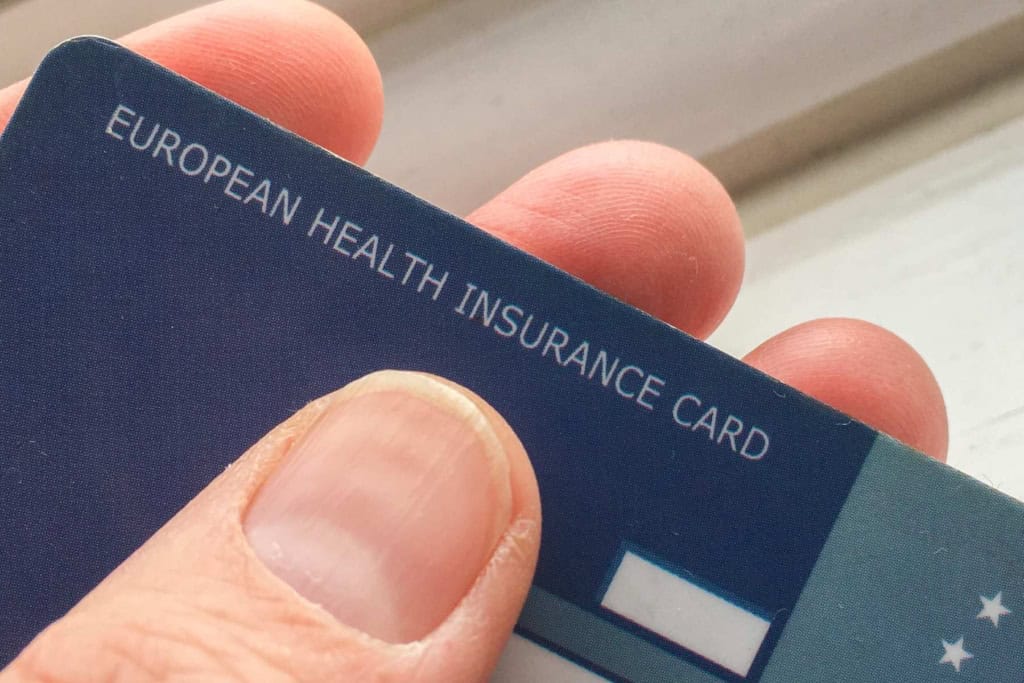
In addition to the EHIC, the NHS has reciprocal healthcare agreements with some countries, including Australia and New Zealand, which may provide coverage in the UK.
However, the EHIC and these agreements won’t cover everything, such as the cost of medical evacuations back to your home country. For situations like this, you will need travel health insurance that includes medical evacuation coverage.
Walk-In Clinics and Urgent Care
Walk-in clinics or urgent care centers are ideal for minor injuries or illnesses and usually offer faster service than NHS facilities, which are known for having long wait times, even for emergencies.
With travel health insurance, you’ll also gain access to private urgent care clinics and hospitals, allowing you to receive medical attention more quickly and efficiently.
UK Travel Advisory: Important Alerts for Travelers
The UK has previously experienced terrorist attacks, and terrorism remains an ongoing risk.
The following travel advisories and alerts for the UK will help you stay informed about current threat levels while visiting the country:
- U.S. Department of State: Provides up-to-date travel advisories, including information on the security situation, local laws, and health advisories to help travelers prepare for their visit to the UK.
- Smartraveller.gov.au (Australia): Offers guidance for Australians traveling to the UK, including safety advice, visa information, and natural disaster alerts.
- Government of Canada – United Kingdom Travel Advice: Offers Canadians travel advice, including current risk levels and safety and health tips for their visit.
- Singapore Ministry of Foreign Affairs – United Kingdom: Offers visa information, safety and security advisories, and general travel tips for Singaporeans planning to visit the UK.
- World Health Organization (WHO): Provides health-related travel advisories, including updates on disease outbreaks and public health risks in the UK, such as COVID-19 and other health concerns.
Additionally, U.S. citizens can enroll in the Smart Traveler Enrollment Program (STEP) to receive the latest travel warnings and updates directly from the U.S. Department of State.

Emergency Contact Information in the UK
If you have an emergency in the UK, these are the numbers to call:
- 999 and 112 are the emergency numbers for police, fire, and medical emergencies
- 101 is the non-emergency police number
- 111 is the non-emergency number for medical assistance
- Text 61016 or call 0800-40-50-40 to reach British Transport Police in non-emergency situations
Embassies in the UK
U.S. Embassy
Phone: 020-7499-9000
Address: 33 Nine Elms Lane, London, SW11 7US
Canadian Embassy
Phone: 020-7004-6000
Address: Canada House, Trafalgar Square, London, SW1Y 5BJ
French Embassy
Phone: 020-7073-1200
Address: 21 Cromwell Road, London, SW7 2EN
Australian Embassy
Phone: 020-7379-4334
Address: Australia House, Strand, London, WC2B 4LA
New Zealand Embassy
Phone: 020-7930-8422
Address: Kinnaird House, 1 Pall Mall East, London, SW1Y 5AU
10 Safety Tips for Visiting the UK
The UK is generally a safe destination for travelers, ranking 30th out of 163 nations in the 2025 Global Peace Index. This index considers factors like crime rates, political stability, and militarization to assess a country’s overall peace.
While the UK is largely safe, it has a slightly higher crime rate than other European nations. Therefore, it’s essential to take basic precautions, especially when traveling solo.
Whether it’s your first time visiting or you’re returning for another trip, these tips will help you stay safe, avoid common risks, and ensure a trouble-free journey.
1. Prepare for All Kinds of Weather
The UK weather is notoriously unpredictable, often switching from sunshine to rain to biting winds in just a few hours. To make the most of your trip, it’s essential to be prepared for a wide range of weather conditions.
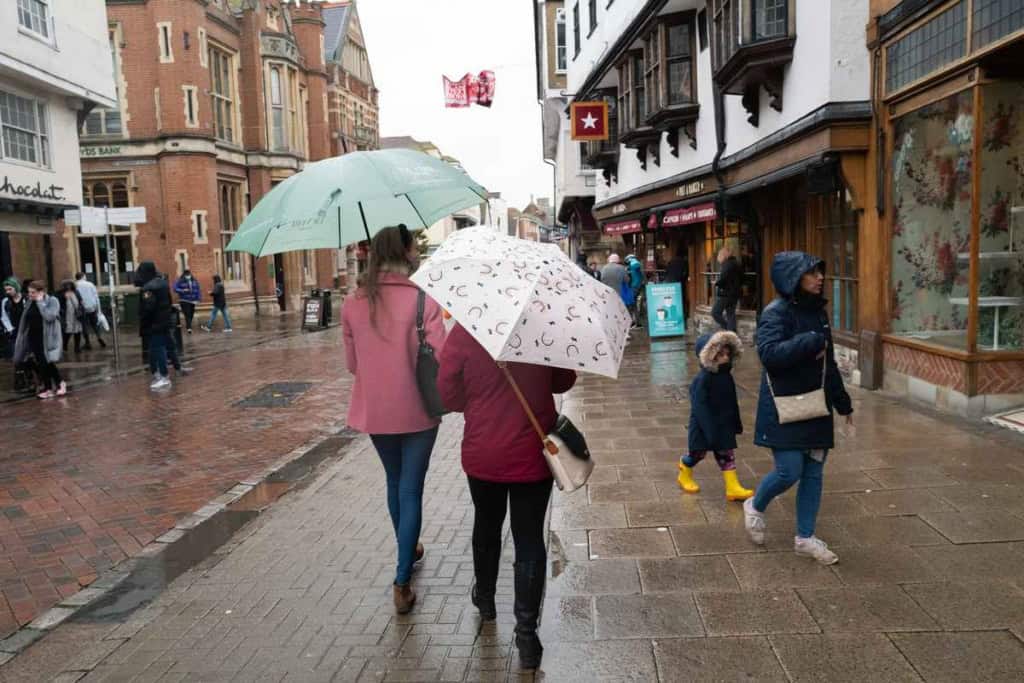
In winter, the average temperature ranges from 0°C (36°F) to 7°C (45°F), so you’ll want to pack a warm coat, hat, and gloves to stay comfortable. Summer temperatures are generally cool, ranging from 9°C (48°F) to 18°C (64°F), but higher temperatures are becoming more common.
Be ready to layer up if it’s cool, and bring lightweight clothing so you won’t swelter during warmer spells. No matter the season, an umbrella is necessary for a trip to the UK! Make sure it’s sturdy enough to withstand strong winds.
2. Don’t Rely on Air Con!
While the weather in the UK can be unpredictable, summer temperatures have been rising in recent years. During a heatwave in the summer of 2022, parts of the UK recorded temperatures above 40°C for the first time.
While not every summer will be that extreme, it’s becoming more likely that you’ll encounter hot weather if you’re visiting during the summer months.
In many countries, air conditioning is the go-to solution when temperatures soar. However, in the UK, air conditioning isn’t as common. So, if you’re staying in a small hotel or B&B, don’t expect to have air conditioning to help you cool off.
Take precautions to stay comfortable during a heatwave. Close the curtains or blinds in your hotel room to block out the sun and keep it cooler. Stick to air-conditioned pubs and cafés when it’s hottest.
Bring a small rechargeable fan that you can carry with you during the day and use at night. Remember to pack lightweight, breathable clothing for daytime outings and comfortable nightwear for a restful night’s sleep.
3. Be Aware of Security Risks
While the UK has experienced terrorist attacks in the past, such as metro bombings, knifings, and vehicles being driven into crowds, the likelihood of being directly affected is very low. In fact, the UK ranked 41 on the Global Terrorism Index (GTI) for 2024.
That said, it’s essential to remain vigilant and take precautions to protect yourself, such as being mindful of your surroundings, particularly in crowded areas like train stations or museums. If you notice anything suspicious, report it to security or the police. If you think there is an immediate danger, call 999.
Visit the UK’s MI5 security service website to stay informed about current threat levels. If an attack occurs, try to stay as calm as possible. Follow the instructions of emergency responders on where to seek shelter. The BBC will provide reliable updates during such events.
4. Drink Responsibly
The UK is somewhat renowned for its drinking culture, where socializing over a pint (or several) is a key part of life, especially at the local pub.
While drinking is an important social activity, it’s common for some people to go beyond moderation and indulge in binge drinking, particularly on weekends or holidays. Many opt for rounds with friends, which can lead to heavier drinking as the night goes on.
However, it’s important to drink responsibly for your safety and enjoyment. Instead of full pints, consider ordering a half-pint of ale or cider, or alternate between alcoholic and non-alcoholic drinks. This way, you can still enjoy the pub experience while staying aware of your surroundings.

Staying sober also helps you keep a watchful eye on your drink. Never leave it unattended, as drink spiking can happen anywhere, including in the UK.
Also, remember that even if you’re drinking in moderation, others around you might not be. Be cautious if anyone’s behavior gets out of hand. For example, if a fight breaks out, there’s no need to step in and play the hero. Your safety should always come first.
Finally, keep in mind that if you injure yourself while drunk, your insurance may not cover it, so drinking responsibly ensures both your safety and coverage in case of an accident.
5. Watch Out for Phone Snatchers
While enjoying London’s beautiful gardens and museums, be aware that phone snatching can be a problem for both tourists and locals.
This crime occurs when thieves snatch phones from unsuspecting pedestrians, often in busy areas such as train stations, shops, or concert venues. The criminals typically make a quick getaway on mopeds or bikes while carrying the stolen smartphones.
To stay safe, the Metropolitan Police recommend always checking your surroundings before using your phone in public. Try to text or call quickly when you’re outside, then put your phone back in a secure place, such as your front pocket or purse.
It’s also a good idea to enable security features, such as a keypad lock or remote data erasure. If the worst happens, you don’t want thieves accessing your personal information.
6. Don’t Fall for Scams
No matter how experienced a traveler you are, it’s essential to remain vigilant for scams in unfamiliar places. One common scam in the UK is the “shell game,” in which participants are asked to follow a ball or a pea as it is moved under cups. If you find the pea, you win.
You might see other tourists appearing to win and be tempted to join in, but be aware: those “winners” are almost always in on the scam with the person running the game. It’s best to walk away and avoid getting involved. If you do decide to play, you’ll almost certainly lose money.
Another scam that’s growing in popularity involves fake Buddhist monks, who often target tourists in busy areas. These “monks” will place a beaded bracelet on your wrist and then ask for a donation or sometimes demand money in exchange for a “prayer.” If someone approaches you this way, it’s best to walk away quickly. If you’re alone, seek out other people nearby for safety.

7. Be Aware of Organized Begging
When visiting London or other areas in the UK, you may encounter “organized begging.” This term refers to groups of criminals who work together to solicit money from people, often tourists.
Some organized beggars put up signs asking for donations, but they may also approach people directly to make demands. Another common occurrence is for beggars to distribute packets of tissues on public transport and then ask for money in exchange.
It’s best to ignore these individuals. While there may be genuinely desperate people in need, it’s difficult to distinguish them from organized criminals. Instead, consider donating to reputable organizations like Pathway, which helps provide food and shelter for those in need.
8. Stick to Well-Lit Areas at Night
While the UK is generally a safe destination, some areas can pose greater risks, particularly after dark. To stay safe, always stick to well-lit, busy areas where there are other people around. According to CrimeStoppers UK, crimes are far less likely to occur in places with good lighting and regular foot traffic.
If you can’t avoid a darker route, walk with confidence and purpose, moving quickly through less populated areas. Avoid alleyways, poorly lit streets, and quiet shortcuts, especially in unfamiliar neighborhoods. If you need to check your phone for directions, wait until you’re in a well-lit spot rather than stopping in a secluded area.
Traveling with a friend is always a good idea, as there’s safety in numbers. If you’re heading out alone, let someone know your plans and expected return time. Staying aware of your surroundings and making smart choices will help ensure a safe and enjoyable night out.
Leave the Pepper Spray at Home! While it may seem like a good idea to carry pepper spray for self-defense, be aware that it is not permitted in the UK. Pepper spray is illegal in the UK and is considered a prohibited weapon. If you’re caught with it at customs, your trip could be jeopardized before it even begins! If you’re concerned about personal safety, carrying a loud alarm is a legal and practical alternative.
9. Use Public Transport Wisely
The UK boasts an extensive public transport system, including trains, buses, and the famous London Underground.
Many cities also offer night buses and 24-hour Tube services, making it easier to get around after dark. While these services are generally safe and reliable, they can get crowded during peak hours, making them prime targets for pickpockets.
To protect your belongings, avoid placing valuables in easily accessible pockets or open bags. Instead, store essential items, such as travel documents, cards, and cash, in a secure, zipped compartment. Consider using a cross-body bag or wearing your backpack on the front in crowded spaces, such as train stations or packed buses. Stay alert and be mindful of anyone standing too close to you.
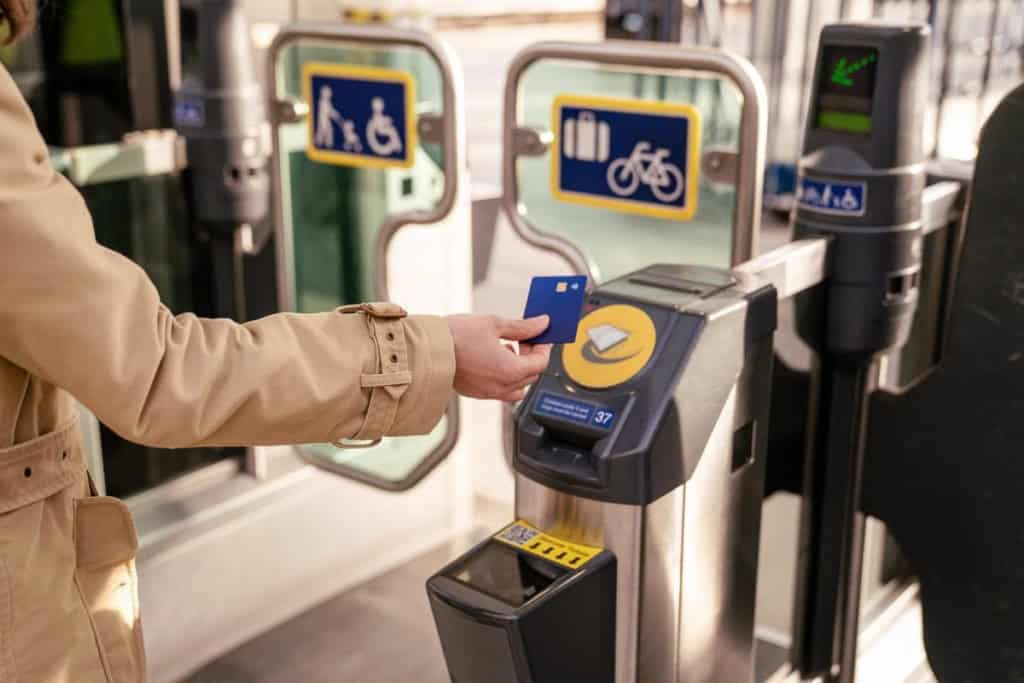
Most public transport services in the UK accept contactless payments, including debit/credit cards, as well as mobile apps like Apple Pay and Google Pay, which can be more convenient than purchasing physical tickets.
Book Early! Traveling by train is a great way to explore the UK, and booking tickets early can help you save money. Advance tickets are available up to 12 weeks before departure, but popular routes often sell out quickly, so it’s best to plan.
In London, you can also use your contactless credit card, phone, or watch to pay as you go, or top up an Oyster card. Using the same payment method throughout your journey ensures that London Transport will cap your fares, so you won’t pay more than necessary.
The best apps, such as Citymapper, Google Maps, TfL Go, or Trainline, can also help you plan your routes efficiently and avoid confusion. If you’re traveling late at night and feel unsafe, consider using a licensed black cab, Uber, Bolt, or Free Now for added peace of mind.
10. Keep Health Information on You
It’s important to have essential health information on hand in case of a medical emergency, especially when traveling alone. This includes details about allergies, current medications, and any pre-existing health conditions.
While it’s easy to rely on your phone for this information, it’s more likely to get lost or damaged. Instead, consider keeping a physical document or card in your wallet.
If you have serious health concerns, consider investing in a medical alert bracelet or pendant that provides essential details in an emergency without the need to search for documents. Include clear instructions for managing health conditions. For example, if you need to carry an EpiPen for allergies or monitor insulin levels due to diabetes, include emergency treatment instructions.
By making this health information readily accessible, you’ll help medical staff provide the best care in an emergency, giving you peace of mind while traveling.
Travel Smart and Stay Protected in the UK
The UK is a fantastic destination to explore. From the stunning Lake District to the historic Royal Mile in Edinburgh, the UK offers endless opportunities for adventure.
However, like any trip, things can sometimes go wrong. That’s why investing in UK travel insurance is one of the smartest steps you can take to protect yourself and your journey.
Whether it’s a travel delay, illness, or theft, a travel policy ensures you’re prepared for the unexpected, allowing you to focus on what truly matters: enjoying your trip.
Take the first step towards stress-free travel. Get a free quote today and find the best coverage for your UK adventure. Safe travels!
Trusted Travel Coverage for the UK
- Expert-recommended travel medical plans for visitors to the UK
- Emergency care at leading hospitals in London, Birmingham, Manchester, Oxford, and more
- Includes coverage for accidents, travel delays, and lost luggage
-
BCBS Global Solutions Single Trip Platinum
— Ideal for U.S. citizens visiting the UK
High coverage limits, comprehensive pre-existing conditions coverage, and access to top-tier hospitals in the UK. -
WorldTrips Atlas
— Flexible plan for international travelers to the UK (excl. Australians and Canadians)
Customizable benefits with solid emergency medical and travel delay coverage — ideal for shorter visits. -
IMG Patriot Platinum
— Premium plan for UK-bound U.S. and international travelers
Comprehensive benefits and high policy limits — excellent for extended stays, luxury trips, or VIP travelers. - View more travel and trip protection plans for travel to the United Kingdom.