
The UK Healthcare System: An NHS Guide for Expats and Visitors

Key Takeaways
- The Immigration Health Surcharge, paid by most United Kingdom visa applicants staying over six months, costs £1,035 a year for most adults and £776 for students in 2026.
- Private healthcare in the United Kingdom costs an estimated £70–£150 for a general practitioner consultation, £200–£400 for a specialist consultation and £12,000–£18,000 for knee replacement surgery.
- National Health Service waiting lists in England held approximately 7.15 million incomplete pathways awaiting consultant-led treatment in May 2026.
- The United Kingdom ranked 27th out of 110 countries in the 2025 CEOWORLD Health Care Index.
The UK healthcare system is publicly funded through the National Health Service (NHS). Most NHS care is free at the point of use for eligible residents, including many expats who have paid the Immigration Health Surcharge. Visitors can receive emergency treatment, but they may be charged for hospital care and follow-up services. Private health insurance can provide faster access to specialists and additional treatment options. This guide explains how the UK healthcare system works, who can access care, and what to expect regarding costs, private treatment, and emergencies.

Find Coverage for Your Time in the UK
- Compare plans from leading international insurers
- Get expert guidance at no additional cost
- Find coverage based on your residency, length of stay, and healthcare needs
How Does Healthcare Work in the UK?
The UK healthcare system has two main parts: the publicly funded NHS, which provides most healthcare services, and a smaller private healthcare sector that offers additional treatment options:
- Public system: The National Health Service (NHS), which provides healthcare services to eligible residents and is funded mainly through taxation.
- Private system: Independent hospitals, clinics, and private insurers that provide additional treatment options outside the NHS.

Most UK residents rely on the NHS as their main source of healthcare. This includes GP appointments, hospital treatment, emergency care, maternity services, and specialist care. General practitioners (GPs), who provide primary care and typically coordinate specialist referrals, are usually the first point of contact when patients need medical advice or ongoing care.
A smaller proportion of the population uses private care, often alongside NHS services, to gain faster access to certain treatments or specialists. According to the Commonwealth Fund, around 12% of UK residents have a private medical plan. But many people with private coverage continue to use NHS services.
How Much Does the UK Spend on Healthcare?
According to provisional estimates from the Office for National Statistics (ONS) UK Health Accounts, total public and private healthcare expenditure in the UK reached approximately £345 billion in 2025, equal to 11.4% of GDP. This broader measure is not the same as NHS spending.
The majority of healthcare spending is publicly funded. The NHS is financed mainly through general taxation and National Insurance contributions. Private care is funded through private medical plans, employer-sponsored health plans, and direct patient payments.
Private sources make up a smaller share of healthcare financing. In 2025, out-of-pocket spending accounted for 14.1% of total healthcare expenditure (£49 billion), while voluntary health insurance accounted for 2.8% (£9.5 billion).
Who Administers Healthcare in the UK?
Healthcare in the UK is administered separately by each of the four nations: England, Scotland, Wales, and Northern Ireland. Each nation is responsible for its own policies, services, and funding decisions.
The NHS operates across all four nations, but the organizations responsible for delivering healthcare differ from one nation to another. In England, the main government department responsible for healthcare policy is the Department of Health and Social Care (DHSC). NHS organizations and providers deliver services, while regulators oversee quality and safety standards.
Important: NHS eligibility, prescription charges, patient registration, and overseas visitor rules can differ across England, Scotland, Wales, and Northern Ireland. Unless otherwise noted, some of the examples in this guide, such as prescription and overseas visitor charging information, refer to England.
Does the UK Have Free Healthcare?
One of the most common questions from expats and visitors is whether healthcare in the UK is free. The answer depends on your residency status, visa type, and eligibility for NHS services.
Healthcare in the UK is not free for everyone, but NHS care is free at the point of use for eligible residents and certain qualifying groups.
Eligible groups include:
- People who are ordinarily resident in the UK (meaning they are living in the UK lawfully and on a settled basis; nationality alone does not determine eligibility)
- Permanent residents
- Many long-term visa holders can access NHS healthcare after paying the Immigration Health Surcharge (IHS)
- Refugees and asylum seekers
Services that may require payment include:
- Prescription medications in England (a fixed charge per item)
- Dental treatment
- Eye tests and glasses for many adults
- Some elective or non-essential procedures
Prescription exemptions vary across England, Scotland, Wales, and Northern Ireland. Some groups, including children, pregnant women, people with certain medical conditions, and those who meet specific age or income-related criteria, may qualify for free prescriptions or other exemptions depending on where they live.
Is the UK Healthcare System Good?
The UK healthcare system is widely recognized for providing broad access to affordable medical care. The country ranked 27th out of 110 countries in the 2025 CEOWORLD Health Care Index. The index evaluates factors such as medical infrastructure, healthcare professionals, cost, availability, and quality of care.
The NHS performs particularly well in areas including affordability, emergency services, and equal access to treatment. However, the system continues to face capacity challenges and rising demand, with long waiting times for specialist appointments, elective procedures, and NHS dental services remaining key concerns.
Pros of UK Healthcare
- Affordable healthcare: Most treatment is free at the point of use for eligible residents. This reduces the financial burden of care and ensures that people are not prevented from seeking medical care due to cost.
- Universal access: The NHS is designed around the principle that healthcare should be available according to medical need. This allows eligible residents to access essential treatment regardless of their income or financial situation.
- Strong primary care system: General practitioners (GPs) provide the first point of contact for most patients and play an important role in prevention, diagnosis, ongoing care, and referrals to specialists.
- Wide range of services: The NHS provides comprehensive services, including emergency treatment, hospital care, maternity services, mental health support, cancer treatment, vaccinations, and community care.
- Reliable emergency care: Accident and Emergency (A&E) departments (the UK’s hospital emergency departments) and ambulance services operate across the UK, providing access to urgent medical care when it is needed.
Cons of UK Healthcare
- Long waiting times: Waiting lists for non-urgent treatments, specialist appointments, diagnostic tests, elective procedures, and other non-emergency treatments remain one of the NHS’s biggest challenges. Approximately 7.15 million incomplete pathways were awaiting consultant-led referral treatment in England in May 2026.
- Pressure on healthcare staff: The NHS continues to experience workforce challenges, including shortages of doctors, nurses, and other medical professionals. This places additional pressure on existing staff and can affect service availability.
- Regional differences: Healthcare access and waiting times can vary across England, Scotland, Wales, and Northern Ireland. Patients’ experiences may differ depending on where they live and the services available locally.
- Limited NHS dental availability: Many patients have found it difficult to access NHS dental care, particularly in areas with fewer dentists accepting new NHS patients.
The UK government and NHS organizations have introduced plans to reduce waiting lists, improve diagnostic services, expand community healthcare, and increase capacity across the health system.
However, reducing delays remains a long-term challenge due to population growth, an aging population, and continued pressure on healthcare resources. As a result, some residents choose to purchase private coverage to access certain specialists, consultations, and elective treatments more quickly, while still benefiting from NHS services for essential and emergency care.

Can Foreigners Access Healthcare in the UK?
Yes, many foreigners can access NHS care in the UK, but whether treatment is free depends on residency status, immigration status, where care is received, and any applicable reciprocal healthcare agreements.
Eligibility depends on factors such as length of stay and whether a person has paid the Immigration Health Surcharge (IHS).
Which UK Healthcare Rules Apply to You?
Healthcare access in the UK depends on your residency status, visa type, and eligibility for NHS or reciprocal care. Use the guide below to see the access, likely charges, and insurance options that may apply to your stay.
Choose the Situation That Best Matches Your Stay
Moving on a Long-Term Visa
Usually yes, after paying the Immigration Health Surcharge (IHS) when required.
Most NHS care is covered, but prescriptions in England, dental care, and eye care may cost extra.
International health insurance for private care, more choice, and coverage outside the UK.
International Student
Usually yes, if your visa includes NHS access through the IHS.
Similar to residents. Prescriptions in England, dental care, and eye care may cost extra.
Student or international health insurance for extra protection and private access.
Short-Term Visitor
Limited. Emergency care is available, but many hospital services may be chargeable.
Hospital admission, specialist care, and follow-up treatment may be billed.
Travel medical insurance for access to emergency care abroad.
EU or Reciprocal Visitor
You may be able to receive medically necessary care if eligible under an EHIC or reciprocal agreement.
Some treatment may still fall outside the agreement, so costs can still apply.
Travel medical insurance because reciprocal access does not replace full travel coverage.
UK Resident
Usually yes, if you are ordinarily resident in the United Kingdom.
Most NHS care is covered, but some prescriptions, dental care, and eye care may cost extra.
Optional private health insurance for faster access and more provider choice.
Note: Rules can differ across England, Scotland, Wales, and Northern Ireland. Charges and eligibility may also depend on your visa status or healthcare agreement.
Healthcare for Expats in the UK
Expats who are legally resident in the UK can usually access NHS healthcare in the same way as British residents. If you are moving to the UK from the USA, understanding your healthcare options, visa requirements, and NHS eligibility rules before arrival can help you prepare.
Most people applying for a UK visa lasting more than six months must pay the Immigration Health Surcharge (IHS) as part of their visa application. After their visa is approved and the surcharge has been paid, they can generally use NHS services, including GP appointments, hospital treatment, and specialist care, on the same basis as other UK residents.
Private health coverage is not required to access NHS services. However, some expats choose private health insurance in the UK for additional options and access to private providers.
Explore Private Coverage for Life in the UK
International health insurance can supplement NHS access with eligible private care, broader provider choice, and coverage when living or traveling outside the UK.
Healthcare for Visitors to the UK
Visitors to the UK may be eligible for certain NHS services depending on their circumstances and nationality. Emergency treatment is available through NHS Accident and Emergency (A&E) departments, although charges may apply for some visitors who are not entitled to free NHS care.
Visitors without NHS entitlement may need to pay for services such as:
- Hospital treatment after emergency care
- Specialist appointments
- Planned procedures
- Non-urgent medical services
Tourists and short-term visitors should have travel insurance for the UK with medical coverage before traveling. Without adequate coverage, visitors may face high medical costs if they require treatment.
Protect Your Trip to the UK
Travel medical insurance can help cover eligible emergency treatment, hospital care, medical evacuation, and other unexpected costs during your visit.
Exceptions and Reciprocal Healthcare Agreements
Some groups may qualify for free or reduced-cost NHS treatment, including refugees, certain government employees, and people covered by reciprocal healthcare agreements.
Visitors from countries with agreements with the UK may also be entitled to medically necessary treatment during a temporary stay. For example, eligible visitors from the EU, Switzerland, Norway, Iceland, and Liechtenstein may use a valid European Health Insurance Card (EHIC) or other proof of entitlement.
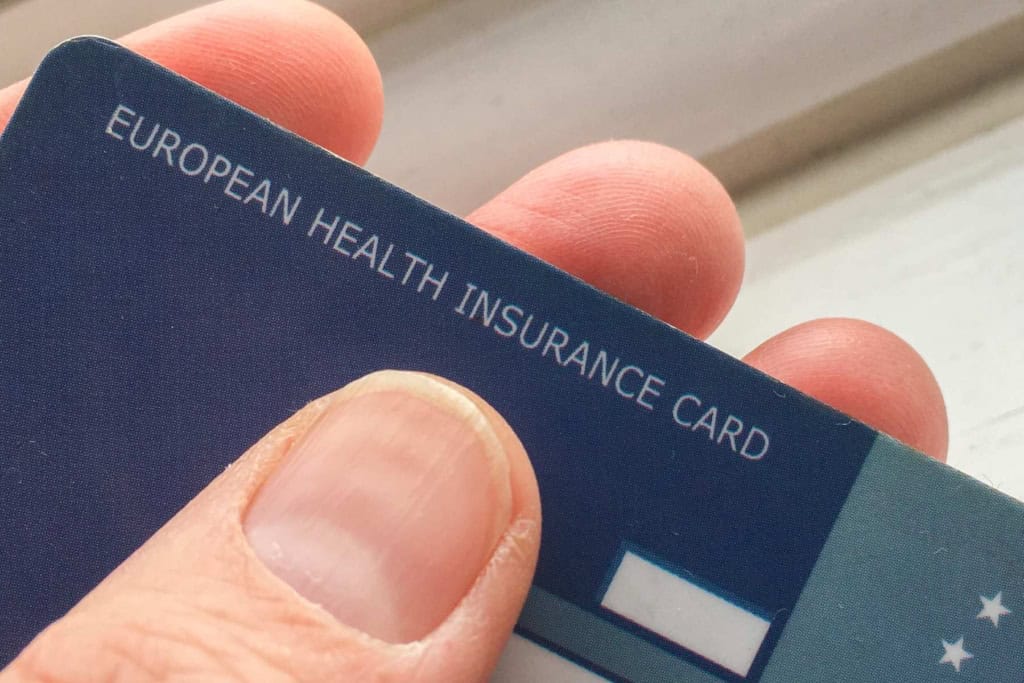
Overall, access to medical care in the UK depends mainly on whether someone is considered ordinarily resident, has paid the required immigration health surcharge, or qualifies under specific healthcare agreements.
How Do Expats Register With a GP in the UK?
Eligible foreign nationals and expats should register with a local GP practice as soon as they have a UK address. Registering with a GP is the first step to accessing routine NHS care, including appointments, referrals, prescriptions, and ongoing medical care.
Healthcare Registration Process
To register with a GP:
- Find a GP practice near your home using the NHS website
- Contact the practice and request to register as a new patient
- Complete a registration form (usually a GMS1 form)
- Provide identification and proof of address if requested
There is no registration fee for GPs in the UK.
Documents Required to Register
Bring as many of the following documents as possible:
- Passport
- Visa or residence permit
- Proof of UK address (such as a utility bill, tenancy agreement, or bank statement)
- Biometric Residence Permit (BRP), if applicable
- NHS number (if you already have one)
- Student enrolment letter (for international students)
A GP practice may still register you if you do not have all these documents, but providing them can help prevent delays.
Processing Time
GP registration often takes a few days to two weeks to complete, although times may vary between practices. Once accepted, you can usually access GP services.
After registering, you may receive:
- Confirmation from the GP practice
- Your NHS number (if assigned or already available)
- Access to online services or the NHS App for appointments, prescriptions, and medical records
Emergency Healthcare in the United Kingdom
Emergency medical care is available in the UK for everyone, including visitors, tourists, and people who are not ordinarily resident. However, whether follow-up treatment is free depends on your NHS eligibility and the country where you receive care.
- Emergency phone number: 999 (or 112)
- A&E (Accident and Emergency) departments: Hospital emergency departments that provide urgent assessment, diagnosis, and treatment for serious injuries, illnesses, and medical emergencies.
- Ambulance services: Available nationwide for serious or life-threatening situations, including accidents, severe illness, and conditions requiring immediate medical attention.
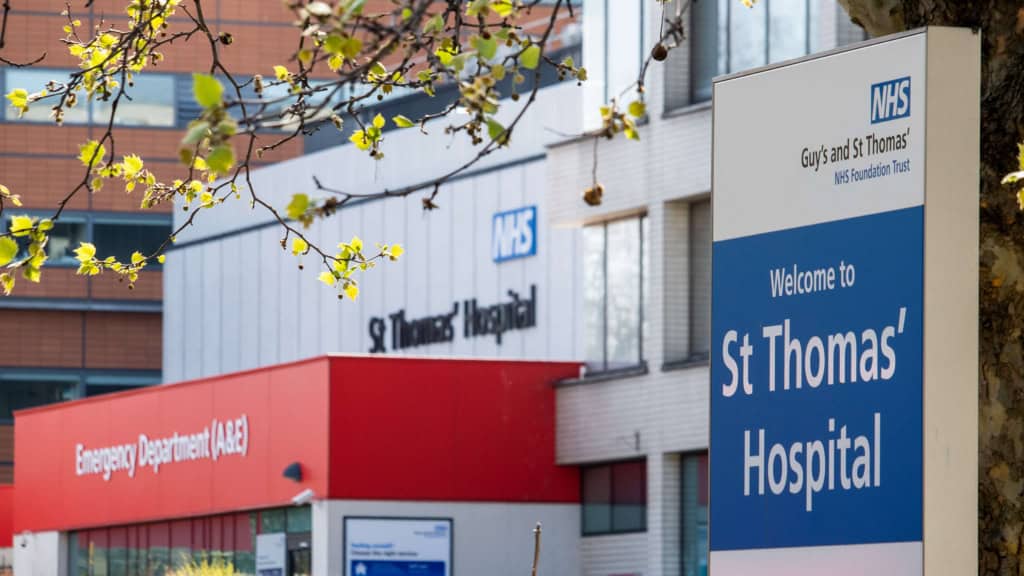
Anyone who needs urgent emergency care can attend an NHS A&E department. In England, assessment and treatment provided within A&E are generally free, regardless of eligibility. However, visitors who are admitted to a hospital in the UK or require follow-up, specialist, or other chargeable NHS services may have to pay if they are not entitled to free NHS care.
For this reason, visitors should purchase travel insurance with medical coverage before traveling to the UK. A suitable policy can help cover unexpected healthcare costs and provide financial protection if you need medical treatment during the trip.
Private Healthcare in the UK
Private healthcare accounts for a small share of the UK healthcare system, with most residents relying on the National Health Service (NHS) for their medical needs. The independent healthcare sector includes private hospitals, clinics, diagnostic centers, and specialist providers offering additional options.
Many people use private care alongside NHS services, particularly for planned or non-emergency treatments.
The UK has a well-regulated private healthcare sector with high clinical standards. The Care Quality Commission (CQC) regulates independent healthcare providers in the UK, while Scotland, Wales, and Northern Ireland have their own regulatory bodies. Private hospitals and clinics must meet national safety and quality requirements.
Several UK private hospitals are internationally recognized. For example, The London Clinic, Cleveland Clinic London, and The Princess Grace Hospital have been featured in Newsweek’s World’s Best Hospitals rankings, reflecting their strong reputations for specialist care, patient outcomes, and clinical excellence.
How Is Private Healthcare Funded in the UK?
Private healthcare in the UK is funded through a combination of private coverage, employer-sponsored medical plans, and direct patient payments.
Unlike NHS care, which is funded mainly through taxation, private care is generally paid for through:
- Private medical coverage
- Employer-provided health plans
- Self-funded payments by individuals
Many employers provide private medical coverage as part of their employee benefits package. Others choose to purchase a personal health plan or pay for consultations, diagnostic tests, and treatments directly.
NHS vs Private Healthcare in the UK
Although the NHS remains the main healthcare provider in the UK, more than 4 million UK residents also access private care through private plans or by paying for treatment themselves.
The comparison below explains how they differ in funding, eligibility, patient costs, waiting times, provider choice, and emergency care.
Comparison | NHS Healthcare: Publicly Funded | Private Healthcare: Insurance or Self-Pay |
How It's Funded | Mainly funded through taxation and public funding. | Paid through private insurance, employer benefits, or direct payment. |
Who Can Use It | Eligible residents and some other qualifying groups. | Anyone who has coverage or can pay for treatment. |
Typical Cost to Patients | Most covered treatment is free at the point of use, but some prescriptions, dental care, and eye care may cost extra. | Patients may pay premiums, deductibles, excesses, or the full treatment cost. |
Waiting Times | Can be longer for non-urgent care, specialist referrals, and some planned treatment. | Often provides faster access to consultations, diagnostics, and elective treatment. |
Provider Choice | Usually more limited, with care routed through local services and referrals. | Often provides greater choice of specialists, hospitals, and appointment times. |
Emergency Care | The main provider of emergency and urgent care, including A&E and ambulance services. | Private emergency options are limited, and many urgent cases still rely on the NHS. |
Best Fit For | Essential care, emergencies, routine treatment, and residents who qualify for public healthcare. | People who want faster access, more provider choice, or extra coverage alongside the NHS. |
The NHS remains the main source of routine and emergency care for eligible residents. Private healthcare may provide faster access and more provider choice, but patients must have insurance, employer-sponsored coverage, or the ability to pay for treatment directly.
Want Faster Access and More Provider Choice?
Compare international health plans that may provide eligible private treatment alongside NHS care.
Can Expats Use Private Healthcare in the UK?
Expats can use private healthcare in the UK. Access is generally determined by whether you have private health coverage or can pay for treatment yourself, rather than by your immigration status.
Patients can access private care by:
- Purchasing a private health plan before or after arriving in the UK
- Using employer-sponsored medical coverage
- Paying directly for consultations or treatment
Unlike NHS care, patients usually do not need to register with a GP to access private care. Many private providers allow patients to book appointments directly, although some specialists may require a GP referral depending on the treatment or policy.
Payment arrangements depend on the type of coverage:
- With private coverage: The insurer may pay the healthcare provider directly, though the provider may need approval before treatment.
- Without coverage: Patients usually pay the full cost of consultations, procedures, and hospital treatment.
Private care can become expensive, particularly for surgery, specialist treatment, or hospital stays.
How Much Does Healthcare Cost in the UK?
Healthcare costs in the UK depend on whether someone uses NHS services or private care.
Eligible residents usually receive most NHS care without direct charges at the point of use. Services commonly available through the NHS include:
- GP appointments
- Emergency treatment
- Hospital care
- Maternity services
- Mental health services
- Cancer treatment
Patients may still need to pay for some services, including:
- Prescription medicines in England
- NHS dental treatment
- Eye tests and glasses
- Some travel vaccinations
Private Healthcare Costs
Private healthcare costs vary depending on the provider, location, treatment type, and whether the patient has private coverage.
Typical private costs may include:
Service | Estimated Cost |
Private GP Consultation | £70-£150 |
Specialist Consultation | £200-£400 |
MRI Scan | £300-£800 |
Knee Replacement Surgery | £12,000-£18,000 |
Hip Replacement Surgery | £13,000-£18,000 |
Private treatment cost estimates were reviewed in July 2026. Actual prices vary by provider, location, treatment complexity, and the services included.
Visitors and expats without coverage may need to pay the full cost of private treatment themselves.
Additional costs may include:
- Diagnostic imaging
- Laboratory tests
- Prescription medicines
- Follow-up appointments
Out-of-Pocket Healthcare Costs
Even NHS patients may have some healthcare-related expenses, including:
- Prescription charges (in England)
- Dental treatment
- Glasses and contact lenses
- Cosmetic procedures
- Travel vaccinations
Certain groups, including children, some older adults, pregnant women, and people receiving qualifying benefits, may be eligible for exemptions or reduced costs.
Healthcare Payment Systems and Subsidies
Eligible patients usually do not receive bills for covered NHS services. Private care works differently. Patients may pay for treatment through:
- A private medical plan
- Employer healthcare benefits
- Direct payments
Some policies reimburse patients after treatment, while others pay medical providers directly.
The UK also provides financial support schemes that help eligible people with certain medical costs, including prescriptions, dental treatment, and eye care.
Plan Your Healthcare in the UK
Understanding how the UK healthcare system works can help expats and visitors prepare for medical needs before they arrive. Knowing NHS eligibility rules, registration requirements, medical costs, and private options allows you to make informed decisions and access care when needed.
For international visitors and expats, having appropriate coverage can provide additional protection against unexpected medical expenses and help ensure access to quality care throughout your time in the UK.
Whether you are moving to the UK, studying abroad, or visiting for a short stay, planning your healthcare arrangements in advance can help you avoid unexpected challenges and focus on enjoying your time in the country.
Find Coverage for Your Time in the UK
Choose coverage based on whether you are moving, studying, working, or visiting.
UK Healthcare System FAQs
-
Yes. Americans can use the NHS if they meet UK eligibility rules. Access depends on factors such as residency status, visa type, and whether they have paid the Immigration Health Surcharge (IHS). U.S. tourists can receive emergency NHS care, but they may need to pay for some services.
-
NHS care is not generally free for tourists visiting the UK. Visitors can receive emergency treatment in an NHS Accident and Emergency (A&E) department, but those who are not eligible for free NHS care may have to pay for hospital treatment, specialist care, and follow-up services.
-
The Immigration Health Surcharge (IHS) is a fee many UK visa applicants pay to access NHS healthcare during their stay. As of 2026, the standard rate is £1,035 per year for most adults and £776 per year for students, youth mobility applicants, and children under 18. The total cost depends on the visa duration, so a three-year visa for one adult would generally cost £3,105.
-
No, paying the Immigration Health Surcharge (IHS) does not make every NHS service free. It allows eligible visa holders to access most NHS services in the same way as UK residents, including GP appointments and hospital treatment. However, some services may still require payment, such as prescriptions in England, dental care, and eye care.
-
Visitors can register with a GP in the UK, but access to NHS services depends on their eligibility and circumstances. GP practices may register patients who are temporarily visiting or staying in the UK, although visitors who are not entitled to free NHS care may need to pay for some treatment. Registration is free and usually requires basic personal details.
-
Prescription costs depend on which part of the UK you live in. In England, most adults pay a fixed charge for NHS prescription items unless they qualify for an exemption. NHS prescriptions are generally free in Scotland, Wales, and Northern Ireland. Some groups, including children and pregnant women, may also qualify for free prescriptions.
-
The NHS provides some dental and vision care, but many adults may still need to pay. NHS dental treatment usually involves set charges, while routine eye tests, glasses, and contact lenses are only free for eligible groups. A private health plan may help cover additional dental or optical costs.
-
The NHS is the UK’s publicly funded healthcare system, providing care based on eligibility and medical need. Private healthcare is paid for through private health coverage, employer schemes, or direct payments. The NHS is usually free at the point of use for eligible residents but may involve longer waiting times, whereas private healthcare often provides faster access and a wider choice of specialists and facilities.
Many people in the UK use both systems, relying on the NHS for GP appointments, emergency care, and routine treatment while choosing private healthcare for quicker consultations, diagnostic tests, and planned procedures.
-
Private health insurance is not usually required to visit the UK, but travel insurance with medical coverage is strongly recommended. Visitors who are not eligible for free NHS treatment may have to pay for healthcare services, and unexpected medical costs can become expensive without appropriate coverage.
-
Call 999 in the UK for life-threatening medical emergencies, including chest pain, severe breathing difficulties, major injuries, or signs of a stroke. You can also call 112, which connects to the same emergency services and works throughout the UK. For urgent medical advice that is not an emergency, contact NHS 111.
<style>
.uk-rules-infographic,
.uk-rules-infographic * {
box-sizing: border-box;
}.uk-rules-infographic {
–uk-green: #059852;
–uk-navy: #222450;
–uk-pale-green: #eef8f3;
–uk-border: #d8dadd;
–uk-white: #ffffff;width: 100%;
max-width: 100%;
margin: 24px auto;
padding: 0;
color: var(–uk-navy);
font-family: “Open Sans”, Arial, sans-serif;
}.uk-rules-canvas {
width: 100%;
padding: 0;
}/* =========================================
MAIN HEADING
========================================= */.uk-rules-heading {
position: relative;
display: flex;
width: 76%;
min-height: 56px;
margin: 0 auto 96px;
padding: 10px 14px;
align-items: center;
justify-content: center;
gap: 10px;
color: var(–uk-navy);
background: var(–uk-white);
border: 2px solid var(–uk-green);
border-radius: 7px;
text-align: center;
}.uk-rules-infographic p.uk-rules-main-title {
margin: 0 !important;
padding: 0 !important;
color: var(–uk-navy) !important;
font-family: “Poppins”, Arial, sans-serif !important;
font-size: 20px !important;
font-weight: 600 !important;
line-height: 1.2 !important;
letter-spacing: normal !important;
text-align: center !important;
text-transform: none !important;
}/* Main heading icon */
.uk-rules-heading-icon {
display: inline-flex;
width: 40px;
min-width: 40px;
height: 40px;
align-items: center;
justify-content: center;
color: var(–uk-green);
border: 2px solid var(–uk-green);
border-radius: 50%;
}.uk-rules-heading-icon .material-symbols-outlined {
color: var(–uk-green);
font-size: 27px;
font-weight: normal;
line-height: 1;
font-variation-settings:
“FILL” 0,
“wght” 500,
“GRAD” 0,
“opsz” 24;
}/* Vertical line below heading */
.uk-rules-heading::before {
position: absolute;
top: 100%;
left: 50%;
width: 2px;
height: 48px;
background: var(–uk-green);
content: “”;
transform: translateX(-50%);
}/* =========================================
DESKTOP CARD GRID
========================================= */.uk-rules-cards {
position: relative;
display: grid;
width: 100%;
grid-template-columns: repeat(5, minmax(0, 1fr));
grid-template-rows: repeat(6, auto);
column-gap: 6px;
row-gap: 0;
}/* Horizontal branching line */
.uk-rules-cards::before {
position: absolute;
top: -48px;
left: calc((100% – 24px) / 10);
right: calc((100% – 24px) / 10);
height: 2px;
background: var(–uk-green);
content: “”;
}/* =========================================
CARDS
========================================= */.uk-rules-card {
position: relative;
display: grid;
min-width: 0;
padding: 12px 5px 10px;
grid-row: 1 / span 6;
grid-template-rows: subgrid;
color: var(–uk-navy);
background: var(–uk-white);
border: 1px solid var(–uk-border);
border-radius: 6px;
}/* Place each card in its desktop column */
.uk-rules-card:nth-child(1) {
grid-column: 1;
}.uk-rules-card:nth-child(2) {
grid-column: 2;
}.uk-rules-card:nth-child(3) {
grid-column: 3;
}.uk-rules-card:nth-child(4) {
grid-column: 4;
}.uk-rules-card:nth-child(5) {
grid-column: 5;
}/* Vertical branch above each card */
.uk-rules-card::before {
position: absolute;
bottom: 100%;
left: 50%;
width: 2px;
height: 48px;
background: var(–uk-green);
content: “”;
transform: translateX(-50%);
}/* Arrowhead above each card */
.uk-rules-card::after {
position: absolute;
bottom: calc(100% + 2px);
left: 50%;
width: 8px;
height: 8px;
border-right: 2px solid var(–uk-green);
border-bottom: 2px solid var(–uk-green);
content: “”;
transform: translateX(-50%) rotate(45deg);
}/* =========================================
NUMBER CIRCLES
========================================= */.uk-rules-number {
display: flex;
width: 30px;
height: 30px;
margin: 5px auto 20px;
align-items: center;
justify-content: center;
align-self: start;
color: var(–uk-white);
background: var(–uk-green);
border-radius: 50%;
font-size: 16px;
font-weight: 500;
line-height: 1;
}/* =========================================
MAIN CARD ICONS
========================================= */.uk-rules-main-icon {
display: flex;
width: 64px;
height: 64px;
margin: 0 auto 5px;
align-items: center;
justify-content: center;
align-self: start;
color: var(–uk-navy);
background: var(–uk-pale-green);
border-radius: 50%;
}.uk-rules-main-icon .material-symbols-outlined {
color: var(–uk-navy);
font-size: 38px;
font-weight: normal;
line-height: 1;
font-variation-settings:
“FILL” 0,
“wght” 300,
“GRAD” 0,
“opsz” 40;
}/* =========================================
COLUMN TITLES
========================================= */.uk-rules-infographic p.uk-rules-title {
display: flex;
min-height: 64px;
margin: 0 !important;
padding: 0 1px !important;
align-items: center;
justify-content: center;
align-self: stretch;
color: var(–uk-navy) !important;
font-family: “Poppins”, Arial, sans-serif !important;
font-size: 16px !important;
font-weight: 600 !important;
line-height: 1.2 !important;
letter-spacing: normal !important;
overflow-wrap: break-word;
text-align: center !important;
text-transform: none !important;
}/* =========================================
INFORMATION SECTIONS
========================================= */.uk-rules-section {
min-width: 0;
padding: 10px 5px 15px;
border-top: 1px solid var(–uk-border);
}/* Section headings */
.uk-rules-label {
display: flex;
margin: 0 0 6px;
padding: 0;
align-items: center;
gap: 10px;
color: var(–uk-green);
font-family: “Poppins”, Arial, sans-serif;
font-size: 14px;
font-weight: 500;
line-height: 1.15;
letter-spacing: normal;
text-transform: none;
}/* Small section icons */
.uk-rules-label-icon {
display: inline-flex;
width: 26px;
min-width: 26px;
height: 26px;
align-items: center;
justify-content: center;
color: var(–uk-green);
background: var(–uk-pale-green);
border-radius: 50%;
}.uk-rules-label-icon .material-symbols-outlined {
color: var(–uk-green);
font-size: 20px;
font-weight: normal;
line-height: 1;
font-variation-settings:
“FILL” 0,
“wght” 400,
“GRAD” 0,
“opsz” 24;
}/* Body copy */
.uk-rules-infographic .uk-rules-section > p {
margin: 8px 0 !important;
padding: 0 !important;
color: var(–uk-navy) !important;
font-family: “Open Sans”, Arial, sans-serif !important;
font-size: 14px !important;
font-weight: normal !important;
line-height: 1.4 !important;
letter-spacing: normal !important;
overflow-wrap: break-word;
text-align: center !important;
text-transform: none !important;
}/* =========================================
MOBILE
Stack cards below 767px
========================================= */@media (max-width: 767px) {
.uk-rules-infographic {
width: 100%;
margin: 20px auto;
}/* Mobile main heading */
.uk-rules-heading {
width: 100%;
min-height: auto;
margin-bottom: 20px;
padding: 14px 16px;
justify-content: flex-start;
text-align: left;
}.uk-rules-infographic p.uk-rules-main-title {
font-size: 20px !important;
text-align: left !important;
}/* Remove desktop branching lines */
.uk-rules-heading::before,
.uk-rules-cards::before,
.uk-rules-card::before,
.uk-rules-card::after {
display: none;
}/* Stack cards */
.uk-rules-cards {
display: grid;
grid-template-columns: 1fr;
grid-template-rows: none;
gap: 16px;
}/* Reset desktop card placement */
.uk-rules-card,
.uk-rules-card:nth-child(1),
.uk-rules-card:nth-child(2),
.uk-rules-card:nth-child(3),
.uk-rules-card:nth-child(4),
.uk-rules-card:nth-child(5) {
display: grid;
width: 100%;
padding: 16px;
grid-column: 1;
grid-row: auto;
grid-template-columns: 40px 64px minmax(0, 1fr);
grid-template-rows: auto;
column-gap: 12px;
row-gap: 0;
align-items: center;
}/* Mobile card header */
.uk-rules-number {
width: 40px;
height: 40px;
margin: 0;
align-self: center;
font-size: 17px;
}.uk-rules-main-icon {
width: 64px;
height: 64px;
margin: 0;
align-self: center;
}.uk-rules-main-icon .material-symbols-outlined {
font-size: 36px;
}.uk-rules-infographic p.uk-rules-title {
min-height: 0;
margin: 0 !important;
padding: 0 !important;
align-self: center;
justify-content: flex-start;
font-size: 16px !important;
text-align: left !important;
}/* Full-width information sections */
.uk-rules-section {
grid-column: 1 / -1;
padding: 14px 2px;
}.uk-rules-title + .uk-rules-section {
margin-top: 16px;
}/* Mobile section headings */
.uk-rules-label {
margin-bottom: 8px;
gap: 8px;
font-size: 14px;
}.uk-rules-label-icon {
width: 28px;
min-width: 28px;
height: 28px;
}.uk-rules-label-icon .material-symbols-outlined {
font-size: 19px;
}/* Mobile body copy */
.uk-rules-infographic .uk-rules-section > p {
margin: 6px 0 0 !important;
font-size: 14px !important;
line-height: 1.5 !important;
text-align: left !important;
}
}
</style><section
class=”uk-rules-infographic”
aria-labelledby=”uk-rules-heading”
>
<div class=”uk-rules-canvas”><div class=”uk-rules-heading”>
<span class=”uk-rules-heading-icon” aria-hidden=”true”>
<span class=”material-symbols-outlined”>alt_route</span>
</span><p
id=”uk-rules-heading”
class=”uk-rules-main-title”
role=”heading”
aria-level=”2″
>
Choose the Situation That Best Matches Your Stay
</p>
</div><div class=”uk-rules-cards”>
<!– Card 1: Moving on a Long-Term Visa –>
<article class=”uk-rules-card”>
<div class=”uk-rules-number” aria-hidden=”true”>1</div><div class=”uk-rules-main-icon” aria-hidden=”true”>
<span class=”material-symbols-outlined”>luggage</span>
</div><p class=”uk-rules-title” role=”heading” aria-level=”3″>
Moving on a Long-Term Visa
</p><div class=”uk-rules-section”>
<div class=”uk-rules-label”>
<span class=”uk-rules-label-icon” aria-hidden=”true”>
<span class=”material-symbols-outlined”>
health_and_safety
</span>
</span>
<span>NHS Access</span>
</div><p>
Usually yes, after paying the Immigration Health Surcharge (IHS)
when required.
</p>
</div><div class=”uk-rules-section”>
<div class=”uk-rules-label”>
<span class=”uk-rules-label-icon” aria-hidden=”true”>
<span class=”material-symbols-outlined”>
currency_pound
</span>
</span>
<span>Likely Charges</span>
</div><p>
Most NHS care is covered, but prescriptions in England, dental
care, and eye care may cost extra.
</p>
</div><div class=”uk-rules-section”>
<div class=”uk-rules-label”>
<span class=”uk-rules-label-icon” aria-hidden=”true”>
<span class=”material-symbols-outlined”>shield</span>
</span>
<span>Suggested Insurance</span>
</div><p>
International health insurance for private care, more choice, and
coverage outside the UK.
</p>
</div>
</article><!– Card 2: International Student –>
<article class=”uk-rules-card”>
<div class=”uk-rules-number” aria-hidden=”true”>2</div><div class=”uk-rules-main-icon” aria-hidden=”true”>
<span class=”material-symbols-outlined”>school</span>
</div><p class=”uk-rules-title” role=”heading” aria-level=”3″>
International Student
</p><div class=”uk-rules-section”>
<div class=”uk-rules-label”>
<span class=”uk-rules-label-icon” aria-hidden=”true”>
<span class=”material-symbols-outlined”>
health_and_safety
</span>
</span>
<span>NHS Access</span>
</div><p>
Usually yes, if your visa includes NHS access through the IHS.
</p>
</div><div class=”uk-rules-section”>
<div class=”uk-rules-label”>
<span class=”uk-rules-label-icon” aria-hidden=”true”>
<span class=”material-symbols-outlined”>
currency_pound
</span>
</span>
<span>Likely Charges</span>
</div><p>
Similar to residents. Prescriptions in England, dental care, and
eye care may cost extra.
</p>
</div><div class=”uk-rules-section”>
<div class=”uk-rules-label”>
<span class=”uk-rules-label-icon” aria-hidden=”true”>
<span class=”material-symbols-outlined”>shield</span>
</span>
<span>Suggested Insurance</span>
</div><p>
Student or international health insurance for extra protection and
private access.
</p>
</div>
</article><!– Card 3: Short-Term Visitor –>
<article class=”uk-rules-card”>
<div class=”uk-rules-number” aria-hidden=”true”>3</div><div class=”uk-rules-main-icon” aria-hidden=”true”>
<span class=”material-symbols-outlined”>flight_takeoff</span>
</div><p class=”uk-rules-title” role=”heading” aria-level=”3″>
Short-Term Visitor
</p><div class=”uk-rules-section”>
<div class=”uk-rules-label”>
<span class=”uk-rules-label-icon” aria-hidden=”true”>
<span class=”material-symbols-outlined”>
health_and_safety
</span>
</span>
<span>NHS Access</span>
</div><p>
Limited. Emergency care is available, but many hospital services
may be chargeable.
</p>
</div><div class=”uk-rules-section”>
<div class=”uk-rules-label”>
<span class=”uk-rules-label-icon” aria-hidden=”true”>
<span class=”material-symbols-outlined”>
currency_pound
</span>
</span>
<span>Likely Charges</span>
</div><p>
Hospital admission, specialist care, and follow-up treatment may
be billed.
</p>
</div><div class=”uk-rules-section”>
<div class=”uk-rules-label”>
<span class=”uk-rules-label-icon” aria-hidden=”true”>
<span class=”material-symbols-outlined”>shield</span>
</span>
<span>Suggested Insurance</span>
</div><p>
Travel medical insurance for access to emergency care abroad.
</p>
</div>
</article><!– Card 4: EU or Reciprocal Visitor –>
<article class=”uk-rules-card”>
<div class=”uk-rules-number” aria-hidden=”true”>4</div><div class=”uk-rules-main-icon” aria-hidden=”true”>
<span class=”material-symbols-outlined”>id_card</span>
</div><p class=”uk-rules-title” role=”heading” aria-level=”3″>
EU or Reciprocal Visitor
</p><div class=”uk-rules-section”>
<div class=”uk-rules-label”>
<span class=”uk-rules-label-icon” aria-hidden=”true”>
<span class=”material-symbols-outlined”>
health_and_safety
</span>
</span>
<span>NHS Access</span>
</div><p>
You may be able to receive medically necessary care if eligible
under an EHIC or reciprocal agreement.
</p>
</div><div class=”uk-rules-section”>
<div class=”uk-rules-label”>
<span class=”uk-rules-label-icon” aria-hidden=”true”>
<span class=”material-symbols-outlined”>
currency_pound
</span>
</span>
<span>Likely Charges</span>
</div><p>
Some treatment may still fall outside the agreement, so costs can
still apply.
</p>
</div><div class=”uk-rules-section”>
<div class=”uk-rules-label”>
<span class=”uk-rules-label-icon” aria-hidden=”true”>
<span class=”material-symbols-outlined”>shield</span>
</span>
<span>Suggested Insurance</span>
</div><p>
Travel medical insurance because reciprocal access does not
replace full travel coverage.
</p>
</div>
</article><!– Card 5: UK Resident –>
<article class=”uk-rules-card”>
<div class=”uk-rules-number” aria-hidden=”true”>5</div><div class=”uk-rules-main-icon” aria-hidden=”true”>
<span class=”material-symbols-outlined”>groups</span>
</div><p class=”uk-rules-title” role=”heading” aria-level=”3″>
UK Resident
</p><div class=”uk-rules-section”>
<div class=”uk-rules-label”>
<span class=”uk-rules-label-icon” aria-hidden=”true”>
<span class=”material-symbols-outlined”>
health_and_safety
</span>
</span>
<span>NHS Access</span>
</div><p>
Usually yes, if you are ordinarily resident in the United Kingdom.
</p>
</div><div class=”uk-rules-section”>
<div class=”uk-rules-label”>
<span class=”uk-rules-label-icon” aria-hidden=”true”>
<span class=”material-symbols-outlined”>
currency_pound
</span>
</span>
<span>Likely Charges</span>
</div><p>
Most NHS care is covered, but some prescriptions, dental care, and
eye care may cost extra.
</p>
</div><div class=”uk-rules-section”>
<div class=”uk-rules-label”>
<span class=”uk-rules-label-icon” aria-hidden=”true”>
<span class=”material-symbols-outlined”>shield</span>
</span>
<span>Suggested Insurance</span>
</div><p>
Optional private health insurance for faster access and more
provider choice.
</p>
</div>
</article></div>
</div>
</section>