
The Cost of Living in the UK

Key Takeaways
- The United Kingdom ranks 28th on Numbeo's Cost of Living Index as of 2026, while the United States ranks 23rd.
- Average monthly rent in the United Kingdom in 2026 was $1,870 outside London and $3,000 in London, with prices converted to United States dollars.
- Rents across the United Kingdom are rising 3.4% a year in 2026, according to the Office for National Statistics, from 1.7% in London to 6.5% in North East England.
- Grocery prices in the United Kingdom are set nationally by supermarkets, so basic food costs the same in London as elsewhere in the country.
Rich in cultural history, breathtaking landscapes, and royal traditions, it’s easy to see why the United Kingdom remains so popular with expats across the world. However, if you’re thinking about moving to the UK, it’s important you know the everyday realities of your potential new home. This article breaks down the cost of living in the UK to help you budget effectively and choose the right place to live. All prices in British pounds have been converted to U.S. dollars, with data sourced from Numbeo and other UK sources.

Protect Your Health Abroad
Planning your move to the UK? Compare personalized international health insurance options that match your destination, budget, and coverage needs.
Is the United Kingdom Expensive?
For decades, the UK was considered expensive because its currency, the British pound, was very strong. In the 2020s, the pound weakened, while other currencies strengthened. This, and the potential for reasonable healthcare costs, has made the country a more affordable option for expats and travelers.

The UK’s cost of living varies based on where you are. Are you open-minded and willing to live in a cooler climate? If the answer is yes, you can find affordable places to live in the British Isles.
The Cost of Living in the UK Versus the US
As of 2026, the United Kingdom ranks 28th on Numbeo’s Cost of Living Index, while the United States ranks 23rd.
Students from the U.S. are applying to UK schools for lower tuition and living costs. Meanwhile, working professionals in some fields say they get paid less in the UK, while others say they get paid much more.
American expats also note that some consumer goods, such as clothing and cosmetics, are more expensive in the United Kingdom than they are at home.
The Most Expensive and Cheapest Places in the UK
Similar to the U.S., the UK has a wide range of cost-of-living costs across locations. For every expensive place to live, there is an affordable alternative, even in big cities.
The Most Expensive Cities in the UK
“Oh, to be in England, now that April’s there,” wrote the British poet Robert Browning in 1845. More than 150 years later, that longing for England’s brief warmth still resonates – and today, it helps explain why southern England is among the most expensive places to live in the UK, led by London.
London
The cost of living in London is so high that it regularly features in the top five and 10 most expensive cities lists in the world. Despite this, after experiencing London, many people fall in love with it and consider it their home.
The city is expensive due to high rents, high real estate values, and high utility and travel costs. That said, it is far more expensive to rent an apartment near Buckingham Palace than to live in a London commuter suburb.
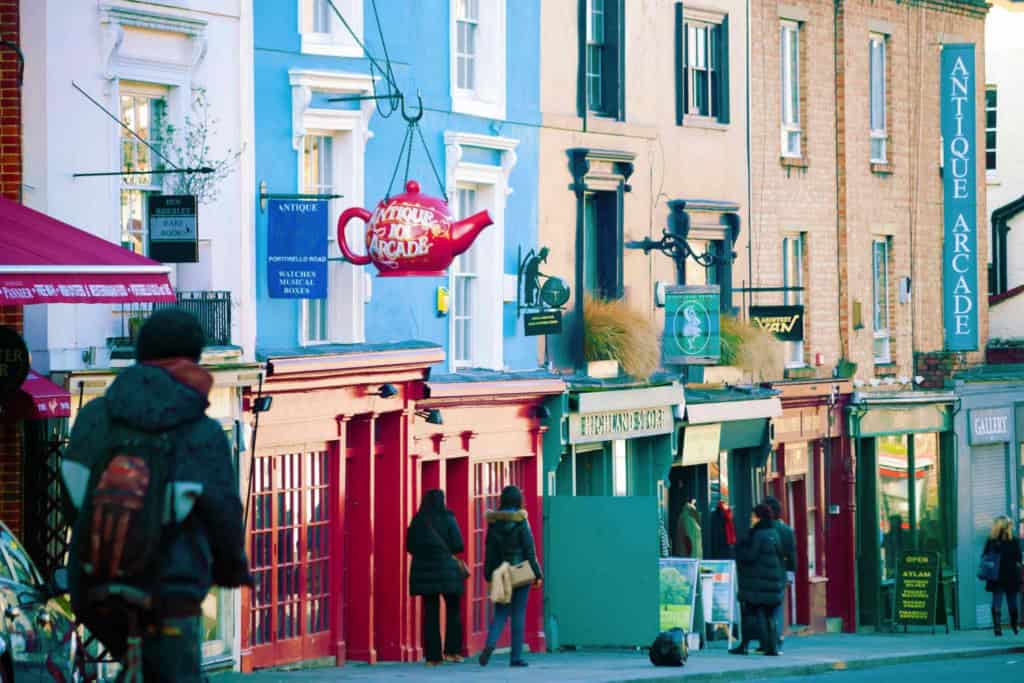
In London, students can rent or even share a room. Professionals usually find that a London salary offsets the cost of living. Those who retire in the UK and want to make the most of their funds may consider exploring other parts of the country.
Some British cities are iconic and known worldwide for their heritage and architecture. These, too, are expensive places to live in the UK.

Oxford
It’s easy to fall in love with Oxford, exploring its cobblestone streets, wandering through historic university colleges, and admiring its iconic honey-colored row houses. It is one of the world’s most famous university cities and has a strong academic presence that keeps housing demand high year-round. This is especially true among students, researchers, and professionals.
Oxford is the UK’s second-most-expensive place to live. Even so, rents are still about 38% lower than in London, offering a relative saving compared to the capital.
Overall, Oxford’s cost of living is approximately 23% lower than in Boston, U.S. This makes it expensive by UK standards but still more affordable than some major global university cities.
Edinburgh
Edinburgh is Scotland’s largest city and its capital, known for its world-class universities, historic neighborhoods, and internationally renowned festivals, including the Edinburgh Festival Fringe. These cultural attractions keep the city lively year-round, with little to no “off-season,” which in turn helps drive up living costs.

While it offers a high quality of life, the consistent demand for housing, dining, and short-term stays drives up prices. Compared to another culturally rich city, Seattle, Edinburgh is around 25% less expensive overall.
Brighton
Brighton is the UK’s most famous seaside resort and is also known as a vibrant cultural and LGBTQ+ capital. Summers are especially lively, filled with vacationers, festivals, and a busy coastal atmosphere. However, its popularity as both a resort destination and a major student city drives up housing demand, making rents and property prices relatively high compared to other parts of the UK
This seasonal tourism and year-round student population also keep everyday costs elevated, especially in central and coastal areas. Even so, Brighton remains more affordable than major U.S. cities like San Francisco, with an overall cost of living around 33% lower.
Cambridge
Cambridge is another renowned academic center, known for its intellectual charm and world-class university. Its flat streets make it ideal for walking and cycling, while museums, bookstores, and cultural events offer plenty to see and do.
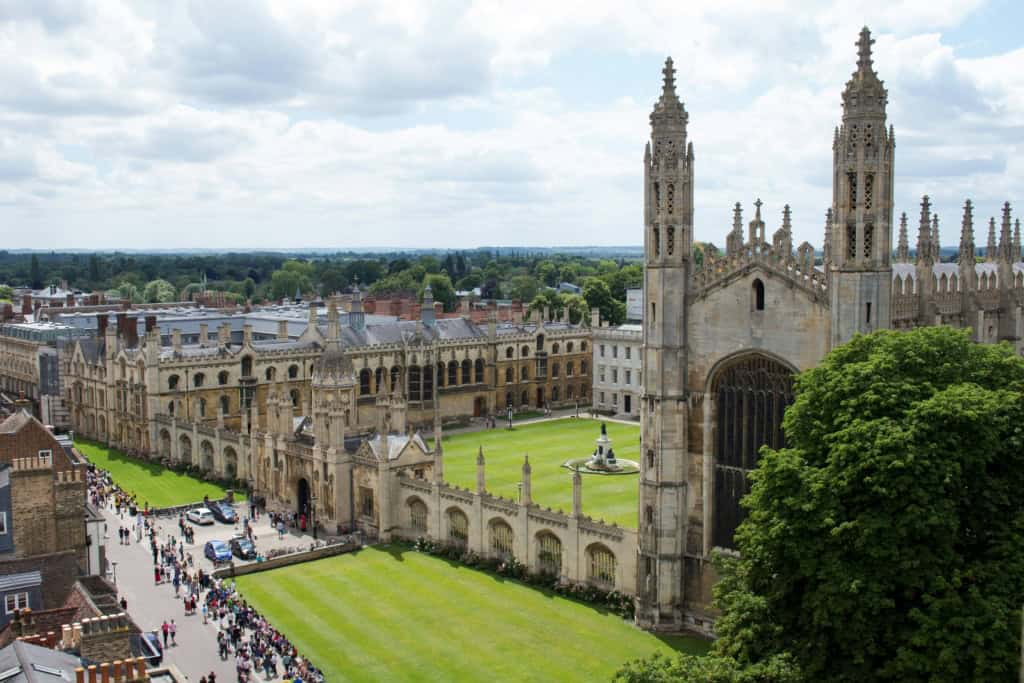
However, strong demand from students, academics, and professionals puts steady pressure on the housing market, pushing rents and everyday costs higher than the national average. As a result, Cambridge is considered one of the more expensive cities in the UK, particularly for accommodation and general living expenses.
Cornwall
The county of Cornwall, a southwestern peninsula, is famous for its coastal beauty, charming villages, and high property prices. Long-time local residents are increasingly being priced out of the housing market as cottages are bought up as second homes or converted into short-term vacation rentals, reducing availability for year-round living.
This growing imbalance has pushed up both rent and property prices, especially in popular coastal towns. As a result, affordability has become a major concern for local communities who want to remain in the area long term.
Find Health Insurance That Fits Your Budget Abroad
Whether you choose a major city or a more rural destination, international health insurance can help protect you from unexpected medical costs while living in the UK.
The Most Affordable Cities in the UK
These affordable places in the UK all share two qualities. They are out of commuting distance of London and have cooler weather, with rain year-round and chilly winters. Moreover, they still feature the history and charm expats often seek from British life.
Cardiff
Cardiff is the capital of Wales. Both urban and green, Cardiff is rich in history and Welsh culture. At three hours away from London, it’s too far for a daily commute, but close enough to visit regularly. Yet its cost of living is 37% less than London’s.
Despite its affordability, Cardiff has a strong job market, particularly in government, media, and education, which supports steady demand in the city center. Housing remains relatively affordable compared to many UK cities, although prices have been gradually rising as more people relocate from England.
Overall, Cardiff offers a good balance of lower living costs and urban amenities, making it an attractive alternative to more expensive parts of the UK
Birmingham
For urban life on a budget in the UK, Birmingham is a strong choice. Its Bull Ring shopping district, historic Jewellery Quarter, and famous Balti Triangle give it a cultural energy similar to that of London. Yet Birmingham remains far more affordable, with rents around 53% lower than comparable properties in the capital.
When you need a break from the city bustle, you can also enjoy its many parks and green spaces, some of which are said to have inspired J.R.R. Tolkien.
Leeds
Students and mature expats alike enjoy Leeds. This welcoming northern city feels compact and friendly, often described as more relaxed than other UK hubs. It has a lively city center with shops, restaurants, and a growing cultural scene, alongside a classic British football atmosphere centered around Leeds United.
Overall, Leeds offers a relatively affordable urban lifestyle compared to southern cities, making it popular with those seeking good value without sacrificing city amenities.
Sheffield
Sheffield is an affordable small city in Yorkshire. Prosperous and polished, Sheffield offers a wide range of urban amenities, cultural venues, and green spaces at an excellent value. The nearby Peak District and Yorkshire’s famous moors and villages also provide easy access to scenic countryside for weekend excursions.
It also has a strong student population, which supports a lively social scene and keeps the city dynamic year-round.
Northern Ireland: Affordable Rent, More Costly Services
If you’re established in your career or planning to retire abroad in the United Kingdom, Northern Ireland is worth considering. More migrants are choosing Northern Ireland as it is often the most affordable entry point to the UK.
Compared to other parts of the UK, residents generally benefit from lower local costs such as council tax and water bills. Property is also more affordable, both to rent and to buy. However, some services – such as vehicle insurance and shipping – can be more expensive than on the UK mainland.
Derry
After the success of Derry Girls, the city’s rough-edged charm has gained international attention. Derry has since become known for its cultural energy, history, and growing global appeal. It’s also one of the most affordable places to live in the UK, making it an attractive option for those looking to build a new life and make their own connections.
Its compact size and strong sense of community also make it easy for newcomers to settle in and feel at home quickly.
Belfast
The capital of Northern Ireland is still relatively affordable for now, though rising popularity is beginning to push rents upward.
More people from across Ireland and the UK are relocating to Belfast in search of better value and new opportunities. New residents are often pleasantly surprised by its striking architecture, growing food scene, and lively after-work culture.
The Average Cost of Living in the UK
Overall, the average cost of living in the UK varies significantly depending on lifestyle and location. This section looks at some of the most common costs associated with living in the UK. The table provides an overview of the average cost of living in the UK across key everyday expenses.
| Monthly Expense | London | Cardiff | Edinburgh |
| Rent (1-bed, city center) | $3,045.61 | $1,198.73 | $1,639.38 |
| Rent (3-bed, city center) | $5,483.59 | $2,214.57 | $2,856.12 |
| Basic Utilities (Water, Gas, Electricity) | $377.63 | $314.26 | $389.46 |
| Transit Pass | $269.34 | $80.80 | $98.31 |
| Private Kindergarten | $2,805.93 | $2,035.01 | $1,807.94 |
| Meal for 2 (Mid-Range, 3 Courses) | $107.74 | $83.50 | $107.74 |
| Draft Beer (Pint, Local) | $9.43 | $7.41 | $8.08 |
Housing Costs in the UK
In 2026, the average monthly rent for UK renters was $1,870 outside London and $3,000 within London.
London rents are impacted by location: a one-bedroom outside the city center averages $2,280, while the same one-bedroom in a central location averages $3,010. As an example of rents outside London, in Cardiff, you can rent a one-bedroom apartment for $ 1,270 a month or a central three-bedroom place for $2,230.
Throughout the UK, you can expect to pay about $325 monthly for utilities and $45 for internet access. In London, add $60 to $70 to your utility bill, although internet costs are roughly the same on average.
If you are renting, expect your rent to get higher. For the past decade, rents in the UK have been increasing steadily. In 2026, rents across the UK are increasing by 3.4% per year. This is highest in North East England (6.5%) and lowest in London (1.7%).
Food and Entertainment Costs in the UK
Food costs have also risen over the past few years. However, because grocery prices are set nationally for UK supermarkets, basic food costs are the same whether you’re in London or elsewhere.
Entertainment outside London is, again, comparable in cost to that in the U.S. or Europe. A pub lunch in Cardiff (soup, a hot sandwich, and a pint of cider) will cost you $20. A combo meal at a fast-food restaurant will cost you about $10. A three-course dinner for two will be about $85.
Going to the cinema in Cardiff will cost $10. If you want to work out at a private health club, it will cost you between $27 and $61 per month.
Shopping at weekly outdoor markets in the UK is both an affordable way to get delicious local food and a thousand-year tradition. You’ll find baked goods, café coffees, seasonal treats, and light meals for between $1.50 and $20.
Here are the prices of some common household food items in the UK:
- Chicken (2 lbs): $9.10
- Eggs (12): $4.11
- Rice (2 lbs): $2.22
- Potatoes (2 lbs): $1.75
- Milk (1 quart): $1.70
- Fresh Tomatoes (2 lbs): $3.44 (seasonal)
- Bottle of wine: $10.85
- Bottle of British beer: $3.01
Transportation Costs in the UK
Outside of London, UK, transportation costs can be reasonable. For example, in Cardiff, a standard public transport pass costs $80 a month.
Buying a modest new car costs between $38,000 and $42,000. Nationally, the costs to keep a car on the road range from $380 to $400 a month.
London transportation is especially expensive. A monthly transport pass can be $270 or more, based on how many zones you travel through. Taxis and app rides cost 25% to 50% more than in other areas. This is partly to cover London’s congestion charge of $25 to $30 per day.
Parking your car in London can cost $15 per hour. And keeping your car on the road in London costs an average of $400 per month. Many Londoners choose not to have a car, renting one when needed.
The Costs of Education in the UK
Education for children and young people in the UK can range from free to tens of thousands of dollars per year. Yet by global standards, those fees can provide excellent value.
Primary and Secondary Schools in the UK
If you have migrated to the UK or you are there for work, your children are probably eligible to attend a state-funded UK school for free. Many parents seek to live in good school districts so their children can receive a quality education at a free state school.
Many expats move their families, or send their children, to the UK for its educational opportunities. They often seek to send their children to the country’s famous private schools. Private day schools can range from $15,000 to $60,000 annually, with additional fees and contributions. These include international schools, which are mostly based in London.
A prestigious boarding school, where students live in dormitories, can cost up to $85,000 annually. Religious day and boarding schools are more affordable, with tuition from $2,000 to $7,000 a year.
University Costs in the UK
A UK university education appeals to students from around the globe. Its combination of prestige and reasonable fees makes time at a UK university a great investment. Both undergraduate degrees, which may take three years instead of four, and graduate degrees can be an excellent value.
Cities like Leeds and Cardiff also offer affordable universities, with tuition ranging from $13,000 to $27,000 annually, even for international students.
Expensive cities, in turn, also have costly universities by UK standards. Tuition for foreign students at the University of St. Andrews, where Prince William attended, ranges from $36,000 to $50,000 per year. This may seem reasonable to many U.S. parents compared to U.S. tuition costs.
Living in the UK as a student is the most affordable way to spend a few years there, thanks to university housing and student discounts for transportation, entertainment, and more.
Build Healthcare Into Your Cost of Living Plan
Your rent, food, and transportation matter, but so does access to quality healthcare. Compare international health plans designed for expats living in the UK.
Healthcare Costs in the UK
The UK is well known for its national healthcare system, the National Health Service (NHS). It provides healthcare to residents that is largely free at the point of use and funded through taxation.
In recent years, the NHS has faced significant pressure due to long-term funding constraints, staffing shortages, and rising demand for services, particularly in both urban and rural areas. As a result, access to some services can involve longer waiting times, and many residents increasingly turn to private health insurance in the UK to access faster appointments, reduced waiting times for elective procedures, and a wider choice of specialists and treatment options.
Be aware that having a UK visa or passport does not guarantee that you are covered by the UK’s public health system. Eligibility for NHS coverage generally depends on your immigration status and whether you are considered ordinarily resident in the UK. Many long-term visa holders can access NHS services.
Some foreigners living in the UK, including long-term students, may need to pay an immigration health surcharge. Most foreigners living in the UK have private health insurance. This can support them when they travel to other countries and if they need medical repatriation and more advanced care. It can also provide more coverage than basic NHS, including vision and dental support. U.S. expats usually choose an international health insurance plan with comprehensive coverage.

Amidst Changing Times and Higher Costs, Expats Still Flock to the UK
Today, the UK is a changing place, more diverse and, thanks to shifting exchange rates, more affordable for international residents. Globally, it is still a medium to high-cost place to live. Yet for many expats, life in the UK offers excellent value, with its culture, opportunities, and universal healthcare. For a gentler way of life, you can be confident investing in life in the UK.
Enjoy Life Abroad With the Right Coverage
From everyday expenses to unexpected medical needs, make sure you’re fully prepared. Explore health insurance options that support your lifestyle abroad.
Cost of Living in the UK FAQs
-
Yes. Many people in the UK live without a car, especially in cities and larger towns. Public transportation is widely available, and many areas are easy to walk or cycle. Owning a car can add costs such as insurance, fuel, parking, road tax, and maintenance. If you live near good public transit, you may save money by not owning a vehicle.
However, it many smaller towns and villages without reliable public transit, you might find that living without a car is impractical. This is particularly true if you have a family. So, consider your needs and location when deciding on car ownership in the UK.
-
Arrivals to the UK should have enough money to cover their first two or three months in the country. Besides rent, you may need to pay a security deposit, visa fees, moving costs, and money for furniture or household items. Having extra savings can make your move less stressful and help you handle unexpected expenses.
-
Home insurance is not usually required by law if you rent a property, but it is highly recommended. Contents insurance protects your belongings against theft, fire, and accidental damage. If you own a home, your mortgage lender may require you to have buildings insurance.
-
Yes. Childcare is often one of the biggest expenses for families in the UK. Costs vary by location and the type of care you choose, but nursery fees in large cities are often much higher than in smaller towns. Depending on your circumstances, you may qualify for government-funded childcare or tax-free childcare programs.
-
Generally speaking, yes. Most businesses accept major credit cards and contactless payments, particularly Visa and Mastercard. However, be aware that American Express is not as widely accepted, particularly outside of large towns and cities and in local shops and restaurants. Furthermore, using a card that charges foreign transaction fees can increase your costs. If you are moving to the UK, opening a local bank account can make it easier to pay rent, utilities, and other monthly bills.
-
Not always. Council tax is a local tax that helps pay for services such as garbage collection, schools, and emergency services. Some rental properties include it in the monthly rent, but many do not. Before signing a lease, ask whether council tax is included so you can budget accurately.
-
Many people rely on the National Health Service (NHS), but some expats and employers choose private health insurance. Private coverage can offer faster access to specialists, shorter wait times, and treatment at private hospitals. Whether you need it depends on your healthcare needs and immigration status.
-
Many newcomers focus on rent but overlook other expenses. Council tax, TV licensing (if applicable), broadband, mobile phone plans, and energy costs can add a significant amount to your monthly budget. Intercity train travel can also be prohibitively expensive when compared to other European countries, so it pays to plan trips ahead of time to take advantage of cheaper advance tickets.
-
It can be, depending on where you live and your income. Living outside expensive cities, using public transportation, and taking advantage of free museums, parks, and community events can help reduce your monthly expenses. Choosing affordable housing is one of the best ways to increase your savings.