
How to Buy Travel Insurance

Planning your dream vacation overseas? If you’re like most travelers, you’re probably focused on booking accommodations and flights, as well as deciding which attractions to visit. However, before you set off, it’s essential to understand how to buy travel insurance to protect yourself and your trip.
Travel insurance can cover a range of unexpected accidents, injuries, or trip cancellations, giving you peace of mind while you’re on the go. But if you’re unsure how it works, don’t worry. In this guide, we’ll walk you through the process and provide expert tips to help you make informed decisions and ensure a safe next adventure.
What Kind of Travel Insurance Do You Need?
Before securing a policy, you must understand what type of coverage you need most. We recommend researching and educating yourself about the various policies available.
Travel insurance can cover trip cancellation, lost luggage, emergency medical care, evacuation to your home country, and other related expenses.
To familiarize yourself with the different types of coverage, read our helpful guides:
- Trip Cancellation Insurance: This coverage helps offset the cost of your trip, offering additional benefits such as emergency medical coverage, lost luggage reimbursement, and trip delay compensation.
- Travel Health Insurance: This type of insurance covers medical expenses and other risks for travelers going overseas for less than a year.
- Emergency Evacuation: Provides assistance and transportation to the most suitable hospital in the event of an emergency.
- Extreme Sports Coverage: This insurance protects travelers participating in adventurous or extreme sports, such as mountain biking and scuba diving.
Should You Buy Travel Insurance?
You may be wondering: Is travel insurance worth it? For some, especially those taking short solo trips, it might seem like an unnecessary expense.
However, remember that life is unpredictable, and a small investment in travel insurance can protect you from significant financial burdens if the unexpected happens.
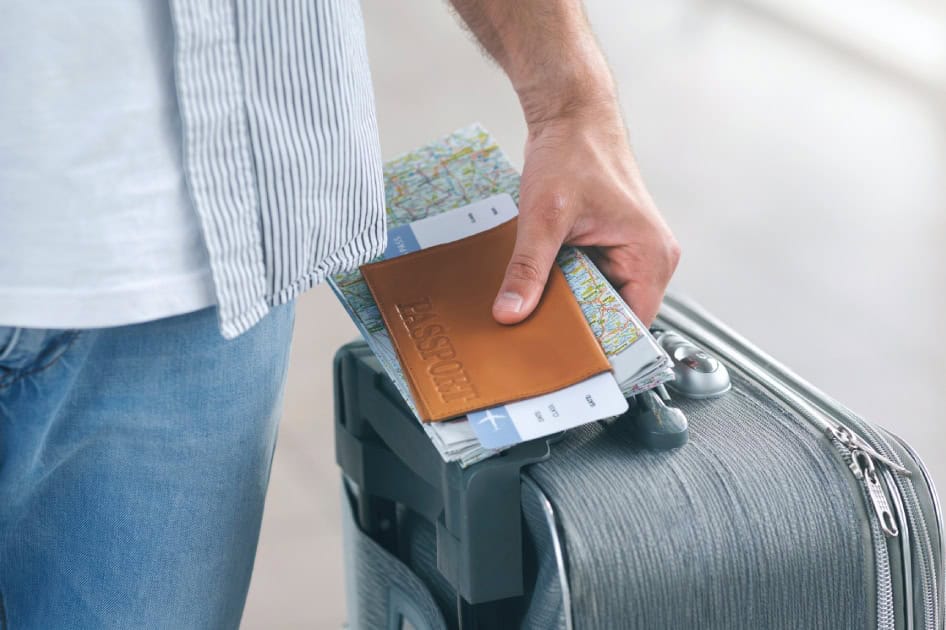
The Value of Travel Insurance
Having the right travel insurance is crucial for your safety and peace of mind when planning an international trip.
Insurance can protect you and your travel companions when things don’t go as planned, whether it covers medical emergencies, accidents, or unexpected trip cancellations.
When Travel Insurance Might Not Be Necessary
Not every trip requires travel insurance. If you’re embarking on a short, low-risk journey – especially domestically – you might feel comfortable forgoing coverage.
Here are a few reasons why travel insurance might not be essential for your trip:
You Already Have Coverage
Some credit cards, such as American Express, offer limited travel insurance; therefore, it’s wise to check your card’s benefits before traveling.
Typically, you must use that credit card to purchase travel arrangements and activate the insurance.
You may also have adequate travel insurance if you have other policies that cover you, such as homeowners, car, life, or health insurance, which can sometimes protect you during short-term travel.

Travel Insurance
You’re Traveling Domestically
Travel insurance is likely unnecessary if you plan a last-minute weekend getaway. Once you book, cancellation is unlikely, and you’ll generally be covered for healthcare while in the country.
Moreover, the coverage for lost luggage (if you’re checking a bag) and trip interruption may not be worth the cost of a policy.
Your Trip Cost is Minimal
If you haven’t spent much on your trip – for instance, you got a cheap plane ticket and are staying with friends – you might consider taking the risk rather than paying for an insurance policy.
Insurance is most beneficial when you’re not willing to lose the amount you’ve prepaid for your travel.
Buy Travel Insurance Early
If you decide to purchase travel insurance, it’s best to research and buy your policy while planning and booking your trip.
Many travel insurance plans require you to purchase coverage within a certain number of days after paying for your trip to take full advantage of all available options.
Therefore, travel insurance should be a key part of your trip-planning process, not an afterthought.
If you’ve already booked your trip, there is still time to get protection. Even if your travel has already begun, you can still purchase travel coverage, but be aware that there may be limitations on what is covered.

Don’t Settle for the Cheapest Travel Plan
Many people mistakenly assume that any travel insurance plan they choose covers all situations.
Often, travelers opt for the cheapest plan, assuming it will cover all their needs. However, it’s essential to shop for a plan that truly meets all of your needs.
For instance, it’s essential to ensure that the coverage limit for medical expenses is high enough to handle significant injuries so that you’re not left with costs that exceed what the plan will cover.
You should also be aware of how much of your travel expenses will be reimbursed if you need to cancel your trip, as well as which reasons for cancellation are covered by your plan.
Check the details of the plans you’re considering carefully. Sometimes, the one that costs a little more can save you a lot in the long run!

Travel Insurance
Compare Plan Benefits and Exclusions
One of the most essential travel insurance tips is also one of the most overlooked: read the policy details carefully.
In travel insurance plans, benefits refer to what is covered, while exclusions refer to what is not. Understanding both areas is crucial for making an informed choice.
Travel insurance companies should provide this information, so take the time to compare the benefits and exclusions of the plans you are considering.
One provider might exclude coverage for certain benefits that others include, while some may offer unique advantages, such as coverage for extreme sports, that most plans don’t provide. It’s essential to thoroughly read the plan details before making your choice.
As you research, consider your destination, risk tolerance, and what you plan to do if something goes wrong. Additionally, consider the following travel insurance tips.
Know the Dangers of Where You’re Traveling
Before purchasing travel insurance, it’s essential to consider the travel warnings and restrictions for your destination.
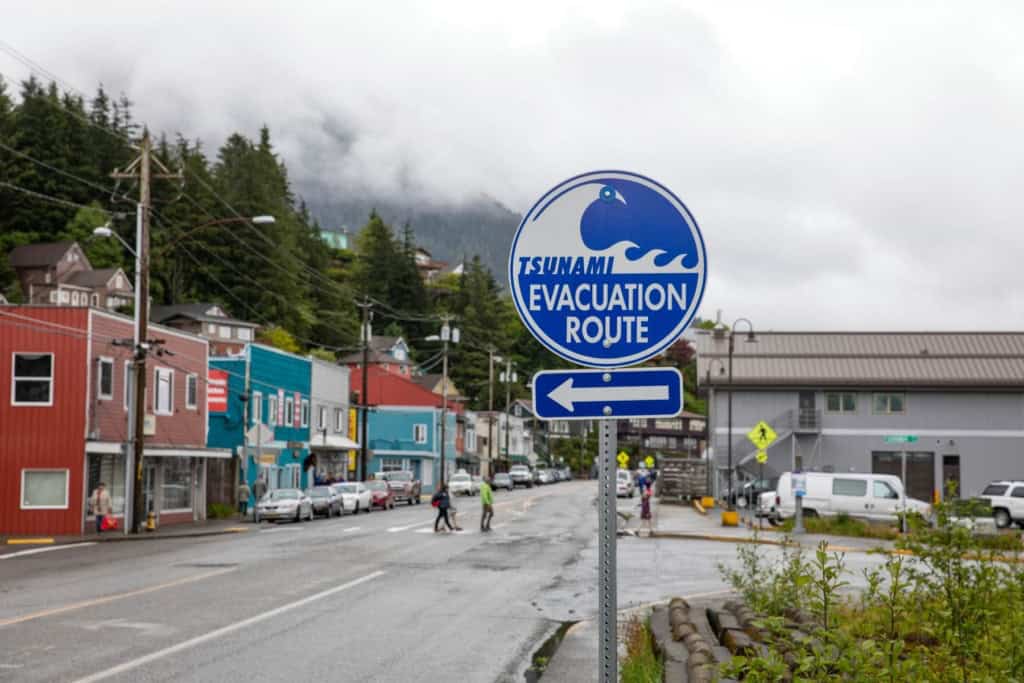
You should also be aware of the environment you will be in, such as areas with high crime rates, war zones, or other situations that travel insurance may not cover. Are you traveling to a region prone to earthquakes or hurricanes? Ensure your travel insurance plan explicitly covers these scenarios.
By gathering information about your destination and its potential risks, you’ll better understand what situations your travel plan will and won’t cover.
Plan for the Worst Case Scenario
Of course, it’s uncomfortable to think about the bad things that could happen to us or our loved ones while on vacation. However, facing an accident or tragedy unprepared is far worse.
Make sure to choose a travel insurance plan that prepares you for the worst-case scenarios, including major accidents, severe sudden illnesses, or even the repatriation of remains in the event of death.
Unfortunately, while this is a crucial topic that everyone should consider, many people fail to take the time to think about it.
Prepare to Make Claims
The best travel insurance plan is one you never have to use. However, if something goes wrong, you must submit a claim.
As you compare plans, review the claims procedures for each option. If you need to use your insurance, knowing where to start is essential to accessing your coverage, so keep this information handy while you travel.
Additionally, remember to keep all your records, bills, and payment receipts while you are abroad.
Weigh Your Options Carefully
When selecting an insurance plan, consider your specific needs and the coverage each plan offers.
For instance, trip cancellation insurance protects your investment if unforeseen events disrupt your travel plans.
Travel health insurance covers unexpected medical expenses during short-term trips, providing peace of mind in case of illness or injury abroad.
For those who travel frequently or live abroad, global medical insurance offers more comprehensive, long-term health coverage, ensuring access to medical care wherever you are.
Evaluating your travel habits and health requirements will help you select the plan that provides the best protection for your journey.
Travel Health Insurance

Find the Best International Travel Insurance
- Compare top-rated travel insurance providers
- Get quotes for Travel Medical, Trip Cancellation, and more
- Choose the best plan for your trip and budget
Global Medical Insurance
Find the Best International Medical Insurance
- Compare multiple quotes from top insurers
- Get expert advice at no additional cost
- Find the right plan for your needs and budget
Make Your Choice and Pack Your Bags
If you still need help choosing a plan, you can contact one of our licensed brokers, who can assist you in finding the right coverage for your specific situation and budget.
If your travel agent offers a travel insurance policy, make sure to research it thoroughly before buying.
Travel agents typically work on commission and have a relationship with a single provider. Your best bet is an online, travel-specific insurance broker that offers multiple options.
Once you have your plan in place and paid for, you’ll be ready to embark on your next trip abroad with the peace of mind that travel insurance provides.