
Health Insurance for Foreigners in France
Health insurance for foreigners in France can include public coverage, supplementary insurance called a mutuelle, or an international health plan. This guide explains your options, compares global plans and costs, and outlines how to arrange coverage before and after moving.

Key Takeaways
- A mutuelle supplements French public health insurance, while international health plans provide separate private medical coverage in France and other countries within the selected geographic area.
- France-based international health policies averaged around €582 per month in International Citizens Insurance’s 2026 data, while lesfurets reported about €91 for single-person mutuelle coverage.
- International Citizens Insurance recommends Cigna Global Insurance Plan for expats in France and BCBS Global Solutions Worldwide Premier for U.S. citizens moving to France.
What Health Insurance Do You Need in France?
The type of coverage you need depends on your employment and residency status, eligibility for French public health insurance, and whether you need treatment outside France.
Your Situation | Coverage Option | Key Feature |
Not eligible for French public coverage (Assurance Maladie) | A private or international health plan | Provides protection while you establish longer-term coverage |
Eligible for public coverage | French public health insurance | Helps cover eligible healthcare costs in France |
Want additional coverage alongside the public system | A mutuelle | Helps cover eligible costs not fully reimbursed by the public system |
Need coverage in multiple countries | An international health plan | Provides broader medical coverage in France and other countries |
Need coverage for a short visit | A travel medical plan | Designed primarily for unexpected illness or injury during a trip |
Visiting France for a Short Stay?
For temporary visits, consider travel insurance for France. Eligible EU, EEA, and Swiss visitors may use a European Health Insurance Card (EHIC), while eligible UK visitors may use a Global Health Insurance Card (GHIC) for medically necessary state healthcare. These cards do not replace travel insurance or cover medical repatriation.
If you need a short-stay Schengen visa, check the France-Visas insurance requirements.
How Does Health Insurance Work in France?
Health insurance in France includes public coverage through Assurance Maladie (the public insurance system), supplementary coverage called a mutuelle, and standalone international health insurance. These options serve different purposes, and some people combine them.
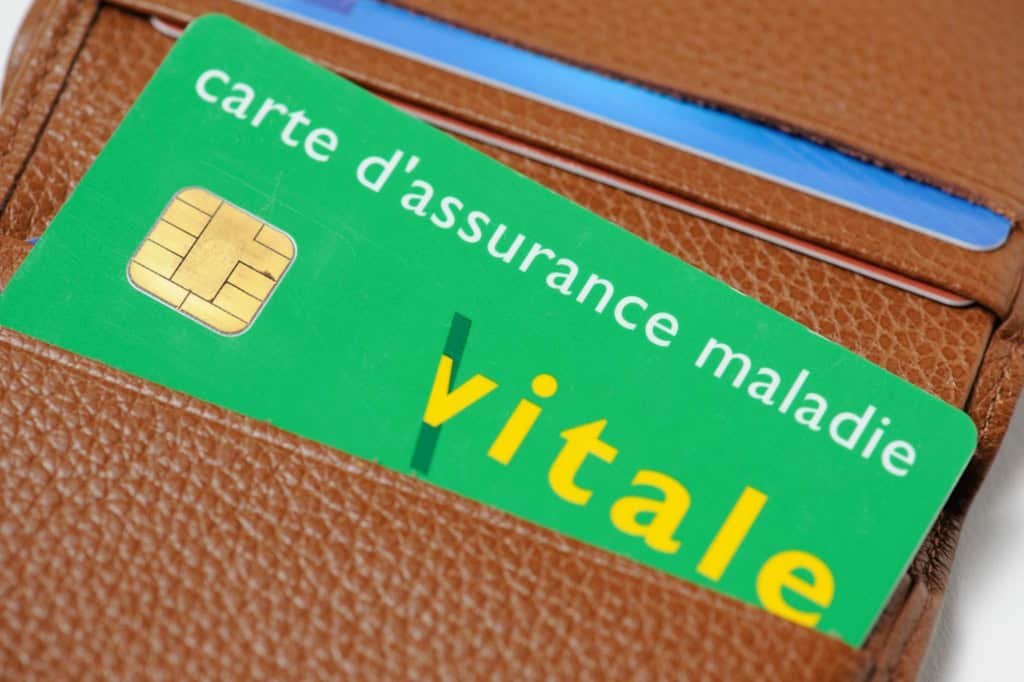
French public health insurance: People who meet the relevant employment or residence requirements can apply for public coverage under protection universelle maladie (PUMa), meaning “universal health protection.” The public system reimburses part of eligible healthcare costs. Once members complete registration, they can get a Carte Vitale, a health insurance card that simplifies reimbursement processing.
Supplementary health insurance: A mutuelle supplements French public health insurance by helping to cover eligible costs not covered by public reimbursement. Depending on the plan, this may include out-of-pocket expenses for doctor visits, hospital stays, dental care, and prescription glasses. Reimbursement amounts and benefit limits vary by plan.
International health insurance: A standalone global plan provides private medical coverage in France and other countries included in the policy. It may suit foreigners who need protection before public coverage begins or ongoing medical coverage across countries. Benefits, exclusions, and eligibility vary by policy.
Who Is Eligible for French Public Health Insurance?
Your employment status, residence status, and existing social security arrangements determine how you access public coverage in France.
- People working in France: Qualifying employees and self-employed people can access coverage through their work. A three-month residence waiting period does not generally apply to this route.
- People moving without employment: Residence-based applications generally require stable, lawful residence and evidence of more than three months in France, although exceptions apply.
- Retirees: Some people retiring in France can register using an S1, a document that establishes healthcare rights funded by another country. Check eligibility with the responsible health insurance authority before moving.
- Students: An EHIC, S1, or registration through the foreign-student health insurance website may apply, depending on nationality and existing coverage.
Posted workers and people covered by international agreements may follow different registration rules. Confirm your registration route and coverage start date with the relevant insurance fund.
For more about accessing treatment, see our guide to healthcare in France.
Best Expat Health Insurance in France
International Citizens Insurance recommends the following plans for expats who need medical coverage in France and other countries. These options offer global medical benefits, access to provider networks, and a choice of coverage levels. The best fit depends on your eligibility, budget, healthcare needs, and where you want treatment.
Cigna Global Insurance Plan
Cigna Global Health Insurance offers flexible global coverage for expats living in France. Its modular plan design lets you select a level and add optional benefits based on your healthcare needs and budget.

Cigna Global Insurance Plan
- Flexible plans tailored to your needs and budget
- 1.5M+ providers in 200+ countries
- 24/7 multilingual customer support
BCBS Global Solutions Worldwide Premier
For U.S. citizens moving to France, BCBS Global Solutions Worldwide Premier is a strong choice for international health coverage.
The plan provides global medical benefits and access to healthcare providers worldwide, including the Blue Cross Blue Shield network in the United States. This is particularly valuable for American expats who want access to a familiar provider network when they return home.

BCBS Global Solutions Worldwide Premier
- Unlimited annual and lifetime coverage
- Pre-existing conditions covered with prior insurance
- For U.S. citizens abroad or foreign nationals in the U.S.
Not sure which plan is right for you? Compare Cigna Global and BCBS Global Solutions to review their coverage and benefits side by side.
What Does International Coverage Include?
International health plans cover eligible medical treatment within the countries included in your policy. Depending on the plan and optional benefits, coverage can include:
- Inpatient treatment and hospital accommodation.
- Outpatient appointments and specialist consultations.
- Diagnostic tests and prescription medicines.
- Mental health treatment.
- Dental, vision, and maternity benefits.
- Medical evacuation and repatriation.
These benefits are not included in every plan. Review the benefit schedule, exclusions, waiting periods, and treatment-approval requirements. Learn more in our guide to international health insurance.
Also, check whether your policy covers treatment during visits home. Home-country coverage may offer different benefits and visit limits than coverage in your country of residence.
Using Private Hospitals and Doctors in France
Before choosing a policy, check how it handles care at the hospitals and clinics you expect to use.
Ask the insurer to confirm:
- Whether your preferred providers are covered.
- When direct billing is available.
- Which treatments require prior approval.
- What deductible, copayment, or coinsurance you will pay.
If direct billing is unavailable, you may need to pay the provider and submit a reimbursement claim. See our guide to hospitals in France for information about local facilities.

How Much Is Health Insurance in France?
A mutuelle supplements public insurance, while standalone global insurance provides separate medical coverage. Their premiums reflect different protection and should not be treated as prices for equivalent products.
Mutuelle Costs
Lesfurets, a French insurance comparison website, reported an average equivalent to about €91 per month for single-person mutuelle coverage, based on its €1,093 annual average in September 2026.* Actual premiums vary by age, location, provider, and level of coverage.
International Health Insurance Costs
International Citizens Insurance’s analysis of global health policies for people living in France found an average premium equivalent to approximately €582 per month.**
Examples of average monthly equivalents by age:
- Ages 25–34: €197 per month
- Ages 45–54: €441 per month
- Ages 55–64: €937 per month
These age-group figures use the same dataset and conversion method. They reflect the mix of policies purchased within each age group, rather than the effect of age alone.
Premiums depend on age, plan, coverage level, the deductible you choose, geographic area, and optional benefits. Adding outpatient care, dental, vision, or maternity benefits can increase the premium. Plans that include treatment in the United States may also cost more.
For a more accurate estimate, request a personalized quote based on your age, healthcare needs, and preferred benefits. Compare exclusions and out-of-pocket costs alongside the premium.
* Source: lesfurets, single-person mutuelle pricing data updated September 30, 2026. Figures reflect its reported average, not guaranteed prices.
** Source: International Citizens Insurance (2026). Average monthly equivalents are calculated from annual premiums and converted to euros using the ECB reference rate on October 13, 2026 (€1 = US$1.1188). Individual premiums and payment schedules vary; these are illustrative costs, not guaranteed or visa-specific quotes.
How to Get Health Insurance in France
Start by checking whether you qualify for French public insurance, when your existing coverage ends, and where you need medical protection. Follow the steps that apply to your situation; you may not need every type of coverage.
Arrange Private or International Coverage
Compare international health plans based on your needs in France and abroad, benefits, deductibles, provider access, exclusions, and budget. Check that your quote includes the benefits you need.
Complete the insurer’s application and provide the requested personal and medical information. The insurer may assess your medical history before deciding whether to offer coverage and on what terms. Read more about applying with pre-existing conditions.
Review the offer, including any exclusions, and confirm the coverage start date before relying on the policy.
If you need insurance for a visa application, check the requirements for your situation on France-Visas. Long-stay visitor visa applicants must provide evidence of medical coverage in France. Ask the insurer about the documentation it provides.
Get a personalized quote to compare your options.
Register for Public Coverage
Follow the application route for your situation. For standard applications to open public insurance rights, Assurance Maladie directs applicants to submit Form S1106 and supporting documents.
Depending on your situation, these can include:
- Identity and residence documents.
- Evidence of employment or qualifying residence.
- Bank details for reimbursements.
- Documents such as a birth certificate.
Your local CPAM (Caisse primaire d’assurance maladie), the local health insurance office, usually handles applications under the general scheme.
Applicants registering through an S1 or a dedicated student process follow different instructions. Check the official guidance for foreigners settling in France before applying.
Add a Mutuelle if Needed
Once your public coverage is established, assess the healthcare expenses you want supplementary insurance to cover.
Compare reimbursement levels and benefit limits for the services that matter to you. If you have access to an employer plan, review that coverage before buying a separate individual mutuelle.
Confirm Your Coverage Before Canceling an Existing Policy
Public insurance rights and receiving a Carte Vitale are separate stages. Eligible applicants can have reimbursement rights before their card arrives.
Confirm your coverage start date and how to claim while waiting. Before ending private insurance, check that your replacement coverage is active, review any benefits you would lose, and confirm the cancellation terms.
Why Work With an International Insurance Broker?
Working with an international insurance broker lets you compare plans from multiple insurers. International Citizens Insurance’s licensed advisors can help you understand benefits, exclusions, and costs, and find global coverage that fits your needs and budget at no additional cost.

Find the Best International Medical Insurance
- Compare multiple quotes from top insurers
- Get expert advice at no additional cost
- Find the right plan for your needs and budget
Health Insurance in France FAQs
-
Foreigners living or working in France generally need health coverage. Your employment and residence status determine whether you qualify for French public insurance or need private coverage upon arrival. If you are applying for a visa, check the medical coverage requirements for your situation.
-
Yes. You can apply for a private or international plan before moving to France and request a suitable coverage start date. This can help cover a gap before French public coverage begins. Acceptance depends on the insurer’s eligibility requirements and assessment, so confirm your policy terms and start date before relying on coverage.
-
Not necessarily. French public insurance plus a mutuelle may meet your needs if you mainly receive care in France. An international plan may suit you if you want separate private medical benefits or ongoing coverage across countries. Compare the benefits, exclusions, geographic limits, and costs before deciding.
-
Coverage is possible, but it is not guaranteed. Depending on your medical history and the policy, an insurer may offer coverage, charge a higher premium, apply exclusions or waiting periods, or decline your application. Review the offer carefully and read our guide to health insurance for pre-existing conditions.