
Travel Insurance for India and Safety Advice for Visitors
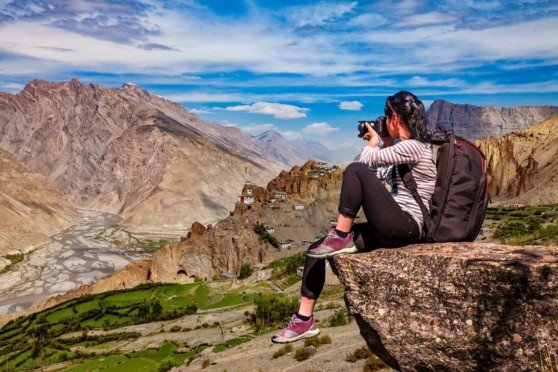
Travel Insurance and Safety Advice as a Visitor to India
Colorful, exotic, intoxicating, chaotic, and wonderful: these are all adjectives used to describe India. A country of extreme contradictions and vibrant colors, a trip to India is a trip to remember.
As in many other countries, staying safe and healthy in India requires consistently practicing good personal security. This includes being respectful of local customs and etiquette and being aware of your surroundings.
Travel Considerations When Visiting India
Poor air quality is a problem in some major cities in India, and it worsens during winter. This can be a severe issue for infants, children, and teens; those over 65, and anyone with asthma or lung problems. The embassy monitors and updates the air quality.
To learn more, visit: in.usembassy.gov/embassy-consulates/new-delhi/air-quality-data/
Also, many toilet stops will be less than sanitary. Toilet paper is not always provided. You may wish to carry soap to properly wash your hands, and antibacterial wipes or gel are also recommended for hand cleaning.
Of course, as with any overseas trip, you must ensure that you have researched and are prepared to handle any unexpected situations that may arise while away from home. This may include purchasing additional or new insurance.
India Travel Insurance
Your trip to India will likely be researched and booked well in advance of your departure date. Ensure you have purchased the right insurance for your trip.
Trip Cancelation Insurance for US Travelers to India
Essentially, trip cancellation insurance covers you or a member of your traveling party if you are unable to go on the trip.

Pathway Premier
- Comprehensive Travel Protection and Travel Medical Insurance
- Available to U.S. residents traveling for up to 90 days within the U.S. and internationally
- Optional CFAR, IFAR, Rental Car Damage, and Adventure Sports coverage
Travel Medical Insurance for International Visitors to India
Purchasing comprehensive travel medical insurance that includes air evacuation is strongly recommended to cover emergency illnesses or injuries resulting from accidents abroad. Plans are typically available for as few as 5 days to as long as a year, renewable for up to 3 years total.

Patriot Platinum Travel Insurance
- Maximum limits up to $8,000,000
- IMG pays 100% of medical expenses in-network
- Evacuation due to Natural Disasters & Political Unrest

Atlas Travel Insurance
- Emergency medical, evacuation, and repatriation benefits
- Choose between basic or more extensive coverage
- Meets Schengen visa insurance requirements
Travel Medical Insurance for US Citizens and Residents Visiting India
For U.S. citizens and residents seeking excellent medical coverage abroad, we recommend the BCBS Global Solutions Single Trip Platinum plan.

Single Trip Platinum Travel Insurance
- For U.S. citizens and residents up to age 95
- Includes pregnancy coverage, baggage loss, trip interruption & more
- 24/7/365 service and assistance
Long-Term Global Medical Plans in India
For long-term, comprehensive primary medical coverage, an “Expat Insurance Plan” or international health insurance will provide coverage in India and worldwide. These plans offer comprehensive coverage and are annually renewable, often available to cover you for life.
Vaccinations Required for Travel to India
Always check with your doctor and the Department of State before traveling to a foreign country. Securing the necessary vaccinations will provide peace of mind when visiting or moving to another country. When your destination is India, the following vaccinations are recommended:
- Diphtheria
- Hepatitis A
- Typhoid
You should also consider vaccinations for:
- Japanese B Encephalitis
- Hepatitis B
- Tuberculosis
- Meningitis
- Rabies
Malaria is a risk in many areas of India. In any location where the altitude is 2,000 meters or less, take an anti-malarial medication prescribed by your doctor and protect yourself against bites by applying a DEET-based repellent and wearing long sleeves and pants.
Vaccine recommendations for travelers are subject to change, so it’s a good idea to check the current requirements with your doctor before you depart. You should also ensure that tetanus and polio vaccinations are up to date for you and your other family members.
Emergency Services in India
To access emergency services, call the following:
- From a cell phone, dial 112
- From a landline:
- Police – dial 100
- Ambulance – dial 102 (108 in some parts of South India)
- Fire – dial 101
Ambulances are not well-equipped, and traffic does not yield to emergency vehicles. In an emergency, it may be preferable to take a taxi or private vehicle to the hospital.
Hospitals in India for Visitors
- Laparoscopy Hospital
- Max Healthcare
- Sri Ramachandra University & Medical Centre
- Amrita Institute of Medical Sciences and Research Centre
- Sri Venkateswara Institute of Medical Sciences
- Sankara Nethralaya Hospital
- M.V. Hospital for Diabetes and Diabetes Research Centre
- Mahatma Gandhi Institute & The Kasturba Hospital
- Jaslok Hospital & Research Centre
- Search for more International Hospitals
Staying Safe in India
Train Travel
Generally, train travel in India is safe, as it boasts the third-largest rail network in the world. Accidents and onboard fires are most frequently related to antiquated infrastructure, poor maintenance, overcrowding, or operator error.
Swimming in India
Be advised that it is imperative to heed warnings posted at beaches when swimming in open water, especially during the monsoon season. Trained lifeguards are rare in India, and there can be strong undertows. Be sure to ask about potentially hazardous sea life and maintain a safe distance from animals.
Safaris
The ability to observe wildlife in its natural habitat is thrilling! In India, numerous opportunities exist to participate in wildlife safaris with reputable tourism operators and lodges that offer safe and enjoyable tours.
Remember that both staff training and safety standards will vary. Look for a reputable company, treat all animals with respect as wild, and stay with your tour vehicle at all times.
Trekking
When planning a trek as part of your trip to India, exercise caution and limit your route selection to those identified by local authorities. Choose only registered trekking agencies, porters, and guides, and ensure you travel in groups.
Popular trekking areas can have altitudes as high as 25,170 feet (7,772 m), so ensure you are fit enough to hike at that altitude. Please note that some trekking operators may only accept clients who have emergency helicopter evacuation insurance.
Advice

U.S. travelers should enroll in the Smart Traveler Enrollment Program (STEP) to receive automatic updates from the Embassy.
General Health Considerations in India
While traveling, many visitors experience stomach upset or diarrhea, often referred to as “Delhi belly.”
Travelers to India may also face risks from more serious illnesses, including rabies, influenza, malaria, and tuberculosis. For the most up-to-date health precautions and vaccination guidance for your trip, consult the Centers for Disease Control and Prevention (CDC).
In the World Health Organization’s 2016 ranking of global healthcare systems, India placed 112 out of 190 countries.
The quality of medical care in India varies widely. In major cities, some private hospitals offer care that approaches Western standards. In rural or remote areas, however, medical services may be limited, inconsistent, or unavailable. Most hospitals require payment or proof of insurance before treatment begins, and credit cards are not always accepted.
An international health insurance plan will allow you to be treated at the hospital of your choice, anywhere in India.
Dietary Considerations and Indian Foods
Take extra precautions to protect your health while traveling. Never drink tap water, and avoid foods that may have been washed in it. Skip ice, ice cream, and salads or fruit you did not peel yourself.
Give your stomach time to adjust before trying street food. When you do, assess cleanliness carefully. Look for food that is freshly cooked, served hot, and prepared at stalls with a steady flow of local customers, not flies.
Many travelers choose a vegetarian diet while in India, which can be a great option, as vegetarian dishes are widely available and flavorful. If you eat meat, make sure it is thoroughly cooked and choose restaurants that are busy and favored by locals.

Find the Best International Travel Insurance
- Compare top-rated travel insurance providers
- Get quotes for Travel Medical, Trip Cancellation, and more
- Choose the best plan for your trip and budget