
Travel Insurance for Cuba and Safety Advice for Visitors
Safety and Travel Insurance Advice for Travel to Cuba
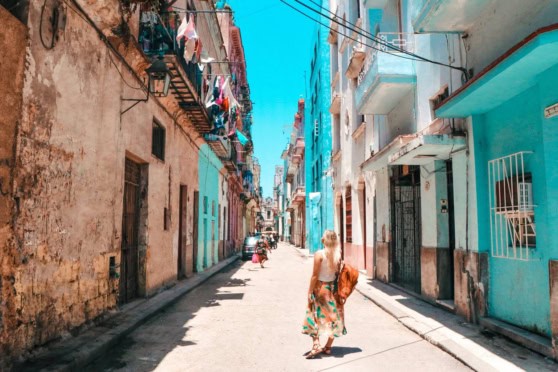
The largest island in the Caribbean, Cuba, is an exciting and beautiful place to visit! Rich in history and culture, with fabulous beaches and stunning scenery, there is a lot to explore and enjoy.
Additionally, Cuba boasts the lowest crime rate in the Western Hemisphere, making it a safe destination to visit. Since the 1980s, approximately two million travelers, primarily from Canada and Europe, have visited each year. Tourism is the country’s primary source of revenue.
In 2015, the U.S. government announced amendments to Cuba sanctions regulations, meaning Americans are now able to travel to Cuba on a limited basis. So what do you need to know about traveling to Cuba?

Find the Best International Travel Insurance
- Compare top-rated travel insurance providers
- Get quotes for Travel Medical, Trip Cancellation, and more
- Choose the best plan for your trip and budget
Cuban Tourist Cards and Visas
If you plan to spend less than two months in Cuba, you do not require a visa. Instead, you will need a tarjeta de turista (tourist card). The card is valid for 30 days, and it can be extended by an additional 30 days upon arrival.
Typically, your tourist card is purchased at the airport where you depart. The cards can also be purchased in advance from travel agencies, airlines, or at the Cuban embassy in your country of residence. The cost of a Cuban tourist card depends on where you purchase it.
Once you have your card, take good care of it. You will need it to leave Cuba. Lost cards can be replaced, but the process, though straightforward, can be pretty time-consuming.
Trips longer than two months require a visa. These can be obtained from a local Embassy or through one of the many companies that specialize in travel to Cuba.
Travel Medical Insurance
Travel medical insurance is required for travel to Cuba. As of May 1, 2010, the Government of Cuba announced that all travelers (both foreign and Cuban citizens living abroad) arriving on the island are required to have medical insurance.
The medical insurance requirement can be met in two ways. First, you may already have an existing medical insurance plan that would cover a trip to Cuba.
The second option is to purchase a plan tailored to your specific trip. Ideally, a travel insurance plan would be purchased in your country of departure.
For those who don’t purchase in advance, there is an option to purchase the insurance upon arrival. Choosing to purchase your medical insurance plan in advance of your trip ensures the coverage is tailored to your specific trip and needs.
You may want to ensure that your insurance plans cover air medical evacuation, medical emergencies, and even repatriation of remains. Medical evacuations from Cuba back to the U.S. can cost in excess of $50,000.
Adventure Sports Coverage
In addition to enjoying the beautiful, sunny beaches on your vacation, there are many other activities to enjoy.
You may find all kinds of adventures to partake in at your resort. You want to ensure that your insurance will cover these activities if you try them.
Here are some examples of activities that may be covered under an adventure sports insurance plan and not through your regular medical insurance:
- Ziplining
- Snorkeling
- Horseback riding
- Scuba diving
- Jet skiing
As you plan your trip, research the activities you would like to do, or check whether you need additional insurance to cover them.
Can US Citizens Travel to Cuba?
General tourism is still banned for Americans, but the U.S. government has now made it easier for Americans to visit for purposes other than tourism. The Government has issued 12 available reasons for travel to Cuba.
Eligible Reasons to Travel to Cuba:
- Family visits
- Official business of the U.S. government, foreign governments, and specific intergovernmental organizations
- Journalistic activity
- Professional research and professional meetings
- Educational activities
- Religious activities
- Public performances, clinics, workshops, athletic and other competitions, and exhibitions
- Support for the Local Nationals
- Humanitarian projects
- Activities of private foundations, research, or educational institutes
- Exportation, importation, or transmission of information or information materials
- Certain authorized export transactions
Visit the U.S. Department of the Treasury for more information.
Healthcare in Cuba
The Cuban government operates a national healthcare system – there are no private hospitals or clinics.
Many resort hotels have doctors either on staff or on call. Major resort areas have international clinics. These are found in Havana, Varadero, Santa Lucia, and other popular destinations.
Regarding healthcare, the U.S. Department of State says:
Medical care in Cuba typically does not meet U.S. standards. While medical professionals are generally competent, many health facilities face shortages of medical supplies and bed space. Many medications are unavailable, so travelers should bring their prescribed medicine in its original container and in amounts commensurate with personal use. Travelers may also wish to consider bringing small additional amounts of prescribed medications and over-the-counter remedies in case a return to the United States is delayed for unforeseen reasons. A copy of the prescription and a letter from the prescribing physician explaining the need for prescription drugs may facilitate their entry into the country.
Travelers to the Havana area should be aware that U.S. and other foreign visitors seeking medical care are generally referred to the “tourist” Cira Garcia Hospital, located in the Miramar neighborhood of Havana. Medical consultations and treatment at Cira Garcia require payment in cash in Cuban convertible pesos (CUC) or by credit card issued by a non-U.S. bank.
Health Insurance Plans for Expats Living in Cuba
Expatriates and international citizens living in Cuba are eligible for private medical coverage. Several global health insurance plans are available to cover you in Cuba and worldwide.
These plans provide comprehensive medical benefits on an annual basis, including inpatient, outpatient, wellness, vision, dental, and evacuation coverage.
Find the Best International Medical Insurance
- Compare multiple quotes from top insurers
- Get expert advice at no additional cost
- Find the right plan for your needs and budget
Emergency Assistance
In Cuba, dial 106 to access fire, police, and medical emergency services.
Guide
Can You Use Credit Cards in Cuba?
Bring cash with you. Currently, U.S. credit and debit cards are not accepted. There are many places to exchange U.S. dollars, typically with a nominal exchange fee.
Internet and Connectivity in Cuba
Before you head to Cuba, be aware that you are likely to be unplugged for most of your time there. While some cell phone providers may offer limited coverage, not all do. Check with your provider ahead of time to find out.
Additionally, Internet access isn’t as readily available. There are Wi-Fi hotspots in Havana, and your hotel may have one or two computers available for use. The Cuban Internet is also very slow, so save uploading photos until you are home.
Cuba is a great place to visit, but given the numerous activities and unfamiliar healthcare, be sure to obtain the right medical insurance plan to suit your needs.