
Adventure Travel Insurance
Key Takeaways
- International Medical Group (IMG)’s optional Patriot Platinum Adventure Sports Rider covers designated activities, including bungee jumping, paragliding, and skydiving, subject to limits and exclusions.
- World Nomads’ adventure activity coverage varies by country of residence and policy; check whether your planned activities are included or require an upgrade.
- The U.S. Department of State puts air ambulance evacuation costs back to the United States at $20,000–$200,000, depending on the traveler’s location and medical condition.
- Some adventure travel insurance policies cap covered activities at set limits, such as scuba diving to 50 meters deep or trekking at altitudes below 4,500 meters.
Safeguard Your Action-Packed Trips Abroad
Adventure travel insurance is essential for anyone seeking thrill-filled experiences abroad. From trekking through rainforests and scaling mountain peaks to diving into vibrant coral reefs, adventure travel pushes boundaries and takes you off the beaten path. But while these activities offer unforgettable experiences, they also come with increased risks that standard travel policies often don’t cover.
Fortunately, many providers offer ‘extreme sports riders’ or tailored plans for adventurous travelers, covering high-risk activities, medical emergencies, and unexpected mishaps. To help safeguard your next big trip, this article explains the key aspects of adventure travel coverage and what to consider before you leave.

Find the Best International Travel Insurance
- Compare top-rated travel insurance providers
- Get quotes for Travel Medical, Trip Cancellation, and more
- Choose the best plan for your trip and budget
What Is Adventure Travel Insurance?
Adventure travel insurance is a specialized type of travel coverage designed to protect you when you participate in high‑risk activities that aren’t usually covered by standard travel insurance.
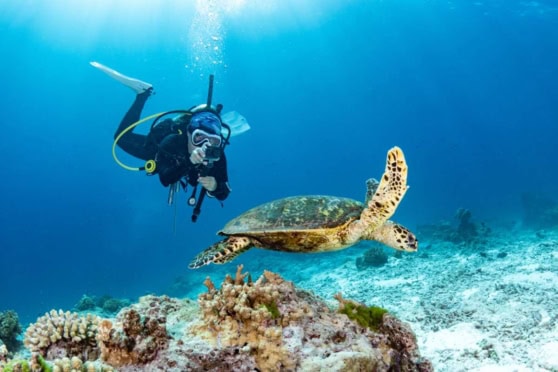
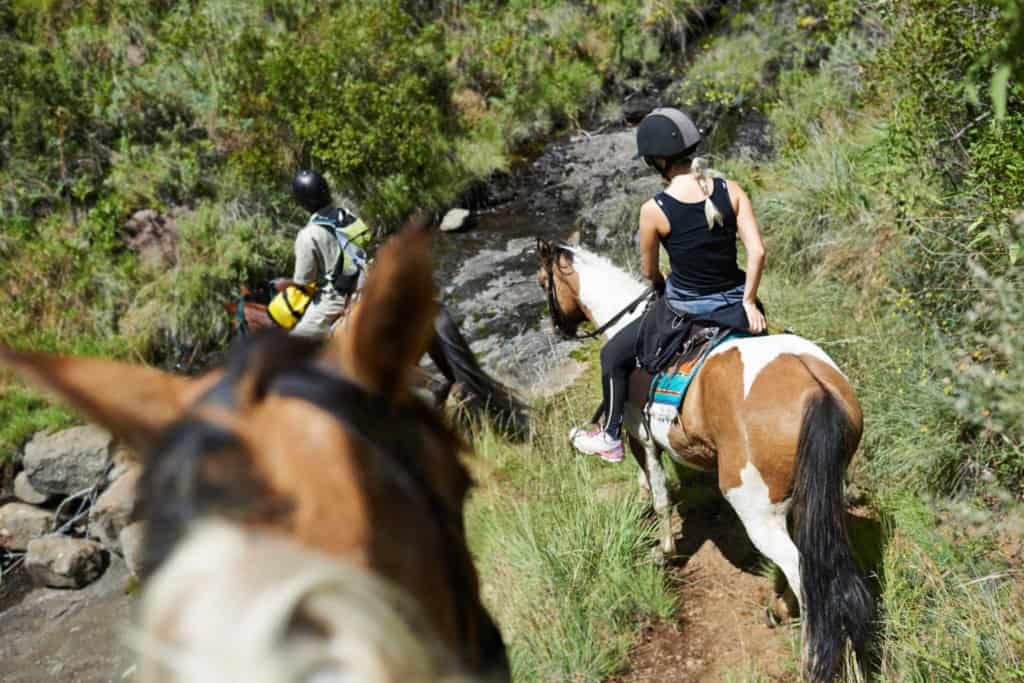
It typically includes medical expenses, emergency evacuations, and other protections for activities such as scuba diving in tropical reefs, horseback riding through rugged terrain, or trekking in remote jungles and mountains.
These activities carry inherent risks and often take place in remote locations where medical care is limited – or extremely expensive.
Without appropriate coverage, an injury abroad can leave you facing substantial bills. The U.S. Department of State puts the cost of air ambulance evacuation back to the United States at $20,000–$200,000. The UK Foreign, Commonwealth & Development Office lists £25,000 or more for a broken leg in Spain requiring hospital treatment and possible medical evacuation or repatriation.
Adventure travel insurance helps pay eligible treatment and evacuation expenses when the activity and claim meet the policy’s terms, subject to benefit limits and any applicable deductible.
With the right coverage, you can fully enjoy your trip with peace of mind and focus on what really matters – living in the moment and enjoying your adventure.

Travel Insurance
What Does Adventure Travel Insurance Cover?
Adventure travel insurance provides the same protections as a regular travel insurance plan, with additional benefits designed for high-risk activities.
Depending on your policy, coverage may include:
- Emergency Medical Expenses: Covers the cost of treatment if you are injured or fall ill during activities like hiking, scuba diving, or ziplining. Without it, medical costs can quickly escalate, especially in remote locations with limited healthcare access.
- Emergency Medical Evacuations: Ensures you are transported to the nearest medical facility if you are injured in hard-to-reach areas. This is crucial for mountaineering, deep-sea diving, or remote trekking, where local care may be limited.
- Trip Cancellation or Interruption: Many plans include trip cancellation coverage, which reimburses non-refundable expenses if illness, injury, or emergencies prevent you from starting or completing your trip, protecting your investment in flights, tours, and accommodations.
- Lost Equipment Coverage: Reimburses the cost of replacements if your gear is lost, stolen, or damaged during your adventure. This is especially valuable for expensive equipment like climbing ropes, ski gear, or scuba tanks.
- Repatriation Coverage: Ensures your remains are returned home in the event of serious injury or death, reducing both financial and emotional burdens on your family.
- Search and Rescue Coverage: Covers the cost of search and rescue operations in remote or hazardous areas, so you’re not left with enormous bills.

Check for Exclusions! Some high-risk or extreme sports may not be covered under a standard adventure travel policy. Some activities require an optional adventure sports rider or a specialized plan. Always review your policy carefully to confirm which activities are included and whether upgrades are needed.
What Isn’t Covered?
Adventure travel insurance policies often include exclusions and limitations, so it’s important to understand them before your trip.
For instance, most plans do not cover:
- Activities performed under the influence of drugs or alcohol
- Non-licensed sports or events
- Activities that are illegal in the destination country
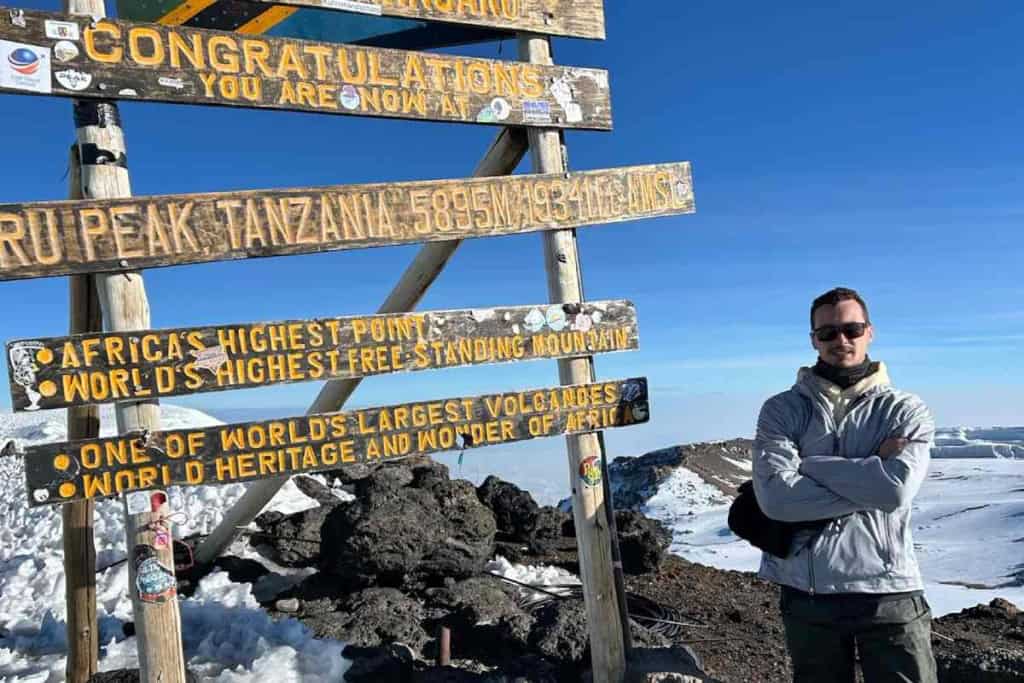
Additionally, some activities may be covered only up to specific limits, such as scuba diving to a depth of 50 meters or trekking at altitudes below 4,500 meters.
Review the policy’s activity restrictions, benefit limits, deductible, and exclusions before your trip.
Plan Ahead! Arrange adventure travel insurance well in advance – ideally several weeks before your trip. Adding coverage for activities not already included in standard policies may not be possible last minute. Some high-risk activities also require additional underwriting, which takes time, so don’t leave it to chance!
Do I Need Extreme Sports Coverage?
Whether an activity requires additional coverage depends on the insurer, the policy, and how the activity is performed. Scuba diving coverage depends on factors such as depth and certification; climbing coverage depends on altitude, equipment, and technical difficulty; and whitewater rafting coverage depends on the river’s grade.
Activities such as paragliding require particular attention: check whether your policy includes them, requires an adventure sports rider, or excludes them.
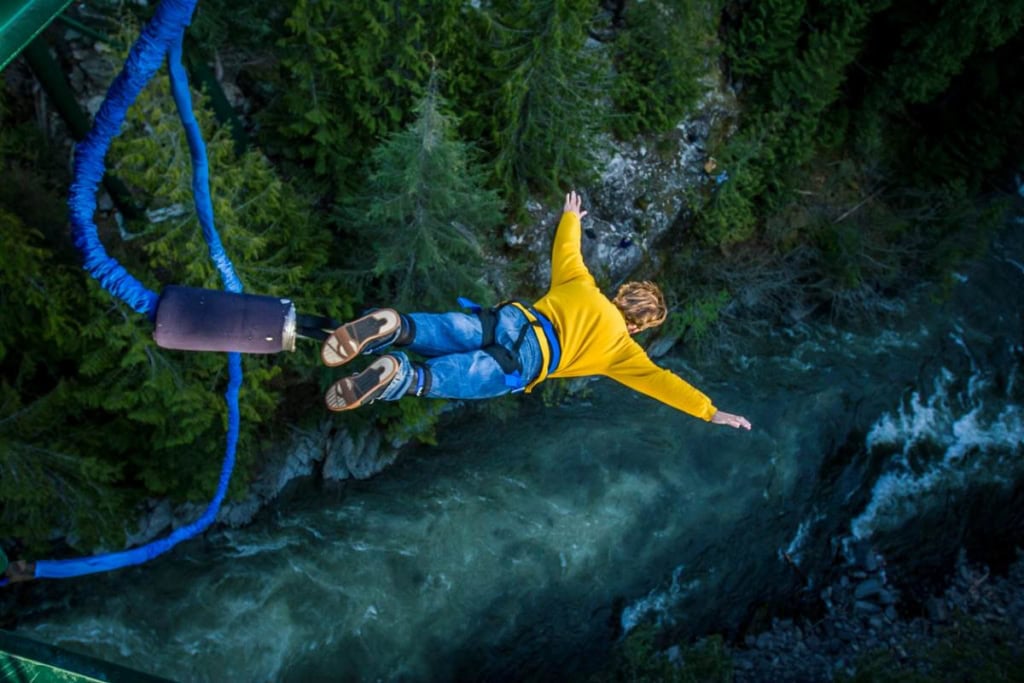
Extreme sports coverage is a specialized add-on that protects travelers participating in these high-risk pursuits. It typically covers medical expenses, emergency evacuations, and other protections specific to these activities.
Since these costs can be extremely high, having this coverage is essential to protect you from financial risk and keep your adventure worry-free.

What Activities Should I Check Before Buying Insurance?
Some activities are considered too high-risk for standard adventure travel plans and may require extreme sports coverage.
Check the policy wording for each activity below. Depending on the insurer and the activity’s conditions, coverage is included, requires an optional rider or upgraded plan, or is excluded.
- Skydiving
- Bungee Jumping
- Paragliding
- Heli-Skiing
- Mountain Climbing
- Rock Climbing
- Scuba Diving
- Whitewater Rafting
- Base Jumping
- Hang Gliding
- Cave Exploration (Spelunking)
- Skiing and Snowboarding in Extreme Conditions
- Motorcycle Racing or Off-Road Riding
- Ice Climbing
- Kitesurfing
- Bull Riding
Confirm that your chosen policy covers each planned activity at the depth, altitude, river grade, or level of difficulty involved. Check any requirements for certification, qualified guides, and safety equipment, along with the medical, evacuation, and search-and-rescue benefits available for that activity.

Travel Insurance
The Best Travel Insurance for Adventure Sports
Many policies offer add-on coverage for extreme and adventurous sports, while others are specifically designed for travelers engaging in high-risk activities.
Here are our top recommended plans:
IMG Patriot Platinum with Adventure Sports Rider
International Medical Group (IMG) offers an optional Adventure Sports Rider with Patriot Platinum Travel Medical Insurance. The rider covers injuries sustained during designated adventure sports, subject to its benefit limits, conditions, and exclusions.
Covered activities include: abseiling, BMX, bobsledding, bungee jumping, canyoning, caving, hot air ballooning, jungle zip lining, parachuting, paragliding, parascending, rappelling, skydiving, spelunking, whitewater kayaking, wildlife safaris, and windsurfing.

International Medical Group (IMG) Patriot Platinum Travel Insurance
- Maximum limits up to $8,000,000
- IMG pays 100% of medical expenses in-network, subject to the selected deductible and policy terms
- Evacuation due to Natural Disasters & Political Unrest
World Nomads Standard and Explorer Plans
World Nomads offers adventure activity coverage through its Standard and Explorer plans. Covered activities and upgrade requirements vary by country of residence and policy. Check your planned activities against the applicable policy wording before buying.

World Nomads Travel Insurance
- Adventure activity coverage varies by plan and country of residence; some activities require an upgrade
- Generous benefits for lost and stolen bags and gear
- 100% Trip Cancellation and Trip Interruption
- 24/7 emergency assistance
How to Buy Adventure Travel Insurance
Finding the right adventure travel insurance can feel overwhelming with so many policies and coverage options. That’s where our expert guidance comes in.
Our team of insurance brokers can walk you through your options, explain which activities are covered, and help you choose a plan that balances coverage and cost.
Our brokers can help you check activity eligibility, required riders, and medical and evacuation limits for your trip.
Before buying, confirm which activities and benefits are included and which exclusions apply.
Top Safety Tips for Your Next Adventure
Preparation is essential when embarking on an epic adventure overseas. Taking proactive steps to ensure your health, safety, and readiness for the challenges ahead will help you fully enjoy your journey while minimizing potential risks.
Here are some top safety tips to keep in mind:
Get Your Vaccines
Schedule a doctor’s visit well before your trip, ideally 4 to 6 weeks in advance, to receive any required or recommended vaccines. Make sure routine vaccines, such as Tdap, MMR, and flu, are up to date.
Share your planned activities so your doctor can provide tailored advice, and ask about preventive medications such as malaria pills. Being fully prepared helps ensure you stay healthy while enjoying your adventure.
Pack an Emergency Kit
Bring a first-aid kit and essential emergency supplies, including medications, bandages, a flashlight, and tools suited to your activities.
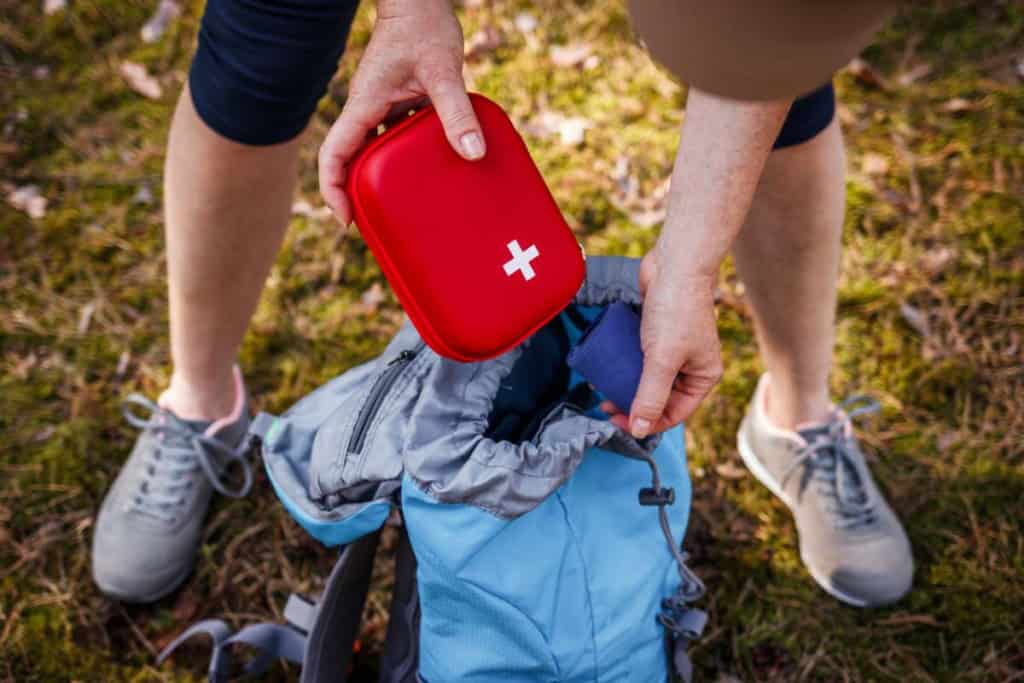
Consult a reputable outfitter when purchasing or renting gear. Test your equipment for safety, ensure proper fit, and confirm it’s suitable for your trip.
Prioritize Safety Guidelines
Follow local laws, activity-specific safety rules, and guidance from trusted, experienced guides. Wear proper equipment and familiarize yourself with emergency procedures, including the nearest hospital and local emergency contacts.
Stay alert, plan for unexpected situations, and always prioritize safety. Being aware and prepared significantly reduces risks and helps ensure a safer, more enjoyable adventure.
Understand Wildlife and Weather Risks
If you’re traveling to areas with wildlife, educate yourself on the species you may encounter. Learn how to interact safely, and always follow guidance from professional guides.
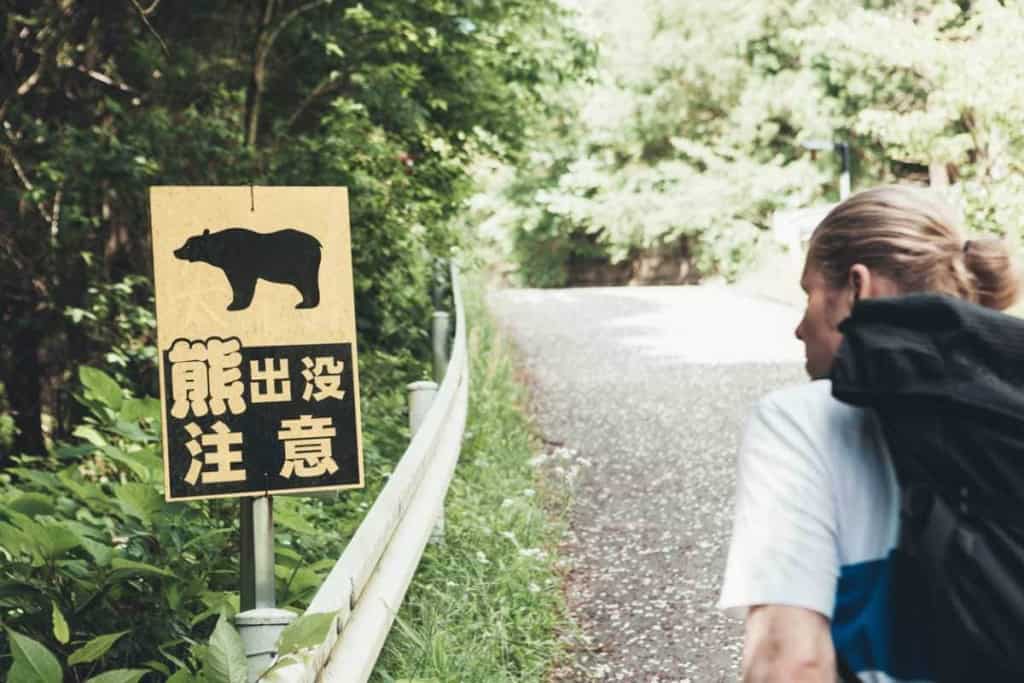
Check travel advisories and local weather forecasts regularly and be prepared for sudden changes. Extreme conditions can affect outdoor activities, so if it seems unsafe, postpone or seek shelter to reduce the risk of injury.
Keep Your Documents Safe
Store important documents, such as passports, insurance cards, emergency contacts, and vaccination records, in a waterproof, secure case. Keep digital backups in a secure cloud service or on your phone.
Carry copies of the originals separately, and store other valuables safely. Having documents accessible and protected ensures you can quickly resolve issues in emergencies.
Share Your Itinerary with Loved Ones
Share your travel plans, including destinations, accommodations, and activities, with trusted family or friends before you leave and while you’re on the road.
Provide updates if your schedule changes and check in regularly. This ensures someone knows where you are and can act quickly if an emergency arises.
Stay Hydrated and Know Your Limits
Adventure activities can be physically demanding, so prepare by training beforehand. Stay hydrated, eat energy-rich snacks, and listen to your body.
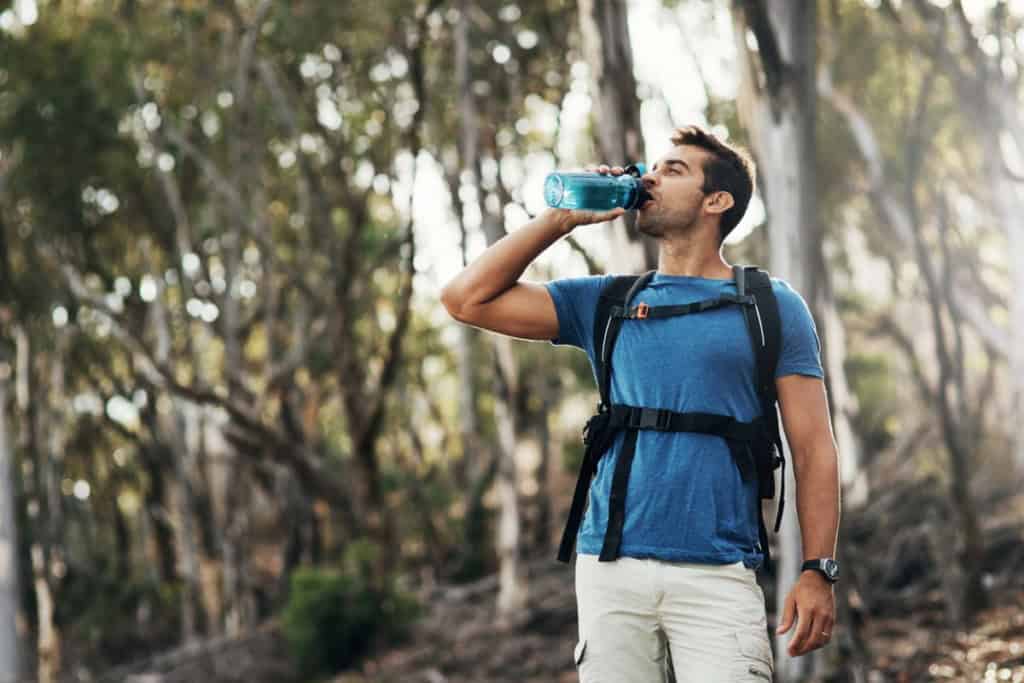
It’s easy to get carried away in the excitement, but be mindful of your physical and mental limits. If you feel tired, unwell, or fatigued, take a break.
Pushing past your limits increases the risk of injury, especially in remote locations where medical help may be far away.
Protect Your Adventures Today!
Adventure travel is all about embracing the thrill and exploring the unknown, but don’t let safety take a backseat. As you prepare for the trip of a lifetime, make sure you’re protected with the right coverage.
Check that your policy includes your planned activities, and review its emergency medical and evacuation benefits before departure.
Don’t wait – explore our top plans today and embark on your next adrenaline-filled journey with confidence!
Find the Best International Travel Insurance
- Compare top-rated travel insurance providers
- Get quotes for Travel Medical, Trip Cancellation, and more
- Choose the best plan for your trip and budget
Frequently Asked Questions
-
Standard travel insurance typically covers trip cancellations, lost luggage, and emergency medical expenses. Adventure travel insurance includes all of these benefits but adds coverage for higher-risk activities such as scuba diving, skiing, rafting, or other adventure sports that standard policies often exclude.
Coverage applies only to activities and claims that meet the policy’s terms, limits, and exclusions.
-
Adventure travel insurance provides cover for specified activities, subject to the policy’s conditions and exclusions. Benefits differ between plans and include emergency medical treatment, medical evacuation, and, in some policies, trip cancellation or baggage protection. For scuba diving, rock climbing, whitewater rafting, and paragliding, check whether your activity is included or requires an optional rider or upgraded plan.
-
Adventure travel insurance premiums depend on your age, destination, trip length, planned activities, and selected benefits. Request a quote that includes all your planned activities and any required adventure sports rider.
Comparing plans is essential to ensure your coverage meets both your needs and your budget. Look for a plan that balances cost, medical coverage, emergency assistance, and protection for the activities you’ll be doing.
-
Coverage depends on the policy and the water sport. Check the permitted depth and certification requirements for scuba diving, the river grade for whitewater rafting, and any restrictions on racing or motorized activities. Some activities require additional coverage or are excluded.
-
Usually not. Most domestic health insurance plans provide little or no coverage outside your home country and often exclude injuries from high-risk or adventure activities such as scuba diving, skiing, rock climbing, or rafting.
Check your domestic policy’s overseas benefits and activity exclusions. When buying travel insurance, confirm that it covers your planned activities and review its medical and evacuation limits.
-
There is no universal activity classification across adventure travel policies. An activity included in one plan requires an upgrade or is excluded under another. Check your planned activities individually, including any limits on depth, altitude, technical difficulty, or river grade.
-
Insurers use these terms differently. Adventure travel insurance covers specified outdoor activities, while extreme sports coverage extends protection to additional activities under some policies. The activity list, conditions, and exclusions determine whether scuba diving, climbing, rafting, or paragliding is covered.
-
Extreme sports coverage extends specified policy benefits to activities listed in the rider or plan. Check which medical and evacuation benefits apply, along with their limits and exclusions. Search and rescue and equipment protection require separate confirmation.