
Updated on
Cruise Tips for Beginners and Pros
Discover top cruise tips for planning and enjoying your adventures aboard and ashore, with advice on staying healthy throughout your journey.
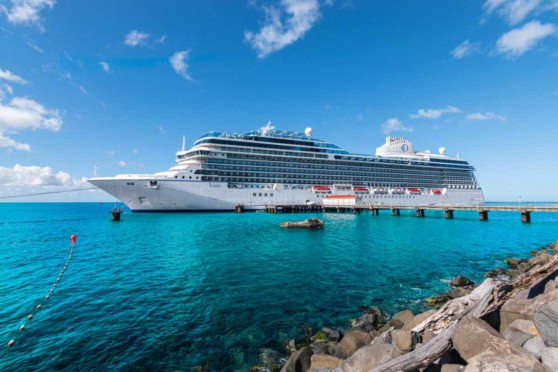
Your Ultimate Guide to Smooth Sailing
Are you thinking of setting sail on an international cruise? You’re in great company. Every year, around 30 million people worldwide embark on cruises to explore far-flung destinations, experience new cultures, and enjoy the luxury of life on the open sea.
Whether island-hopping in the Caribbean, cruising through the Mediterranean, or discovering coastal cities, cruises offer a unique opportunity to visit multiple places while enjoying world-class onboard amenities.
But to truly make the most of your adventure, preparation is key. To help you enjoy every moment, this guide is packed with the best cruise tips, along with expert advice on how to stay healthy, safe, and stress-free, ensuring smooth sailing from start to finish.

Cruise With Confidence
Cruise travel comes with unique risks, from missed ports and onboard medical care to emergency evacuation at sea. The right cruise travel insurance helps protect your trip and your budget if plans change.
Before You Board
Preparing for the perfect cruise starts long before you step aboard. From booking your trip and planning your onboard activities to researching port destinations and packing smart, a little effort up front can set you up for a stress-free journey.
So let’s dive into some essential cruise tips for first-timers and pros to help you feel confident and ready for your adventure, ensuring a smooth start to your experience.
Arrive a Day Early
One of the best cruise hacks is arriving at the port city a day early. This simple yet effective tip helps you avoid the stress of potential travel delays or tight schedules on embarkation day.
It gives you time to acclimate to the departure port, run any last-minute errands, and relax before your adventure begins. Plus, you’ll skip the chaos of crowded embarkation terminals and enjoy a much smoother check-in experience.

This extra time is also a perfect opportunity to soak in the local culture of your port city, whether it’s sightseeing, sampling local cuisine, or simply relaxing at your hotel. By arriving early, you’ll be relaxed and ready for your adventure at sea.
Set a Clear Budget
Cruises can be expensive, so it’s essential to set a clear budget from the start. The base cost of the cruise will vary depending on factors like the cruise line, destination, and cabin type. However, you’ll also need to account for additional expenses, such as shore excursions, meals, drinks, and unique dining experiences.
While some cruise lines offer all-inclusive packages that cover many of these extras, others charge à la carte, so it’s important to plan accordingly. Also, don’t forget optional costs, such as spa treatments, onboard shopping, gratuities, and premium entertainment or experiences that aren’t included in the package.
Setting a realistic budget early on will help you avoid unexpected expenses and ensure you get the most value from your cruise experience.

Advice
Buy Cruise Insurance
While cruise lines no longer require coverage, purchasing cruise insurance is highly recommended to protect yourself from unforeseen events, such as trip cancellations, missed connections, or medical emergencies.
Cruising can present unexpected challenges, and having the right insurance gives you peace of mind, knowing you’re covered if things don’t go as planned.
Start by checking with your health insurance provider to see if they cover medical treatment abroad or onboard. If not, adding travel medical insurance is wise to ensure you are fully protected in case of illness or injury at sea.
Be sure your policy also includes medical evacuation coverage, as healthcare on a cruise can be costly and sometimes limited in availability. Medical evacuations can range from $50,000 to $100,000 and must often be paid upfront, so having this coverage is crucial for your financial protection.
For extra flexibility, consider a policy with a “cancel for any reason” option. This allows you to make last-minute changes to your travel plans without financial penalty, allowing you to adapt your trip as needed.

Travel Insurance
Get Your Shots Before You Cruise
Before you go, ensure you’re up to date on all your vaccinations. Share your travel plans with your doctor to ensure complete protection, especially if you’re visiting areas with health risks, such as those with tropical diseases or infections.
Depending on your itinerary, your doctor may recommend specific vaccines or medications to protect against diseases such as malaria, hepatitis, or typhoid. Even if you don’t plan to disembark at a particular port, remember that your fellow passengers may, and they could bring back viruses or germs.
To further protect yourself, consider preventive medications, such as those for motion sickness, or travel health kits that include essential remedies for common cruise-related ailments, including seasickness, colds, and upset stomachs. Being proactive about your health will help you enjoy a worry-free trip.

Sign Up for Activities in Advance
Many cruise lines offer the option to pre-register for popular shows, classes, and special activities before you even set sail.
Taking advantage of early booking ensures you don’t miss out on sought-after events, helps you skip long lines, and guarantees a spot in popular experiences, such as Broadway-style shows or wine-tasting classes. Some cruise lines also offer perks, such as priority seating or discounts, for bookings made early.
Booking in advance lets you plan your days efficiently, structure your schedule around your favorite events, and avoid last-minute scrambling for alternatives. Be sure to review your ship’s schedule in advance to make the most of your onboard experience.
Plan Out Your Days on Shore
Planning your shore days can make all the difference in maximizing your cruise experience. Start by researching the ports of call and identifying key attractions you’d like to visit.
Many ports offer exclusive discounts or deals for cruise passengers, so checking ahead for special offers is always a good idea. Be mindful of the duration of your stop at each port so you can make the most of your time.

If you’re unsure about the cruise’s organized excursions, consider independent tours, which offer more personalized experiences and better value. Apps like GetYourGuide and Viator are excellent tools for comparing independent tours, helping you find experiences that match your interests.
That said, always have a backup plan in case of weather disruptions. If plans change, you might want to visit alternative attractions or simply explore the local area on foot.
Download Your Cruise Line’s App
Before setting sail, download your cruise line’s official app. Major cruise lines, such as Royal Caribbean, Carnival, and Norwegian, offer apps that include a digital itinerary, allowing you to view the day’s events, shows, and activities. You can also use the app to sign up for excursions, reserve dining times, and even book spa appointments.
Many apps also feature interactive maps to help you navigate the ship. Beyond convenience, these apps often provide messaging services, enabling you to stay in touch with travel companions without relying on expensive onboard Wi-Fi.
Some apps also send real-time notifications about schedule changes, promotions, or special events, keeping you informed throughout your trip. Downloading them beforehand ensures you have everything you need at your fingertips once you’re on board.
Join Online Cruise Communities to Get Tips
One of the best first-time cruise tips is to join forums and social media groups dedicated to vacations at sea. These are excellent resources for planning your trip, offering real-world advice and tips for cruises from those who have experienced them firsthand.
Platforms like Cruise Critic, Reddit’s cruise forums, or Facebook groups dedicated to specific cruise lines or destinations are great places to ask questions and learn from others’ experiences.
Members often share detailed reviews, photos, and recommendations on everything from the best cabins to book on a particular ship to finding discounted shore excursions. You might even discover cruise ship hacks, like where to find unadvertised ‘secret’ spots on the vessel, or hear about excursions that exceeded expectations.
These communities are also fantastic for avoiding common mistakes and getting cruise tips for first-timers, whether it’s beating seasickness, packing efficiently, or securing the best seat at a popular show.
Pack Smart and Be Prepared
Packing for a cruise is all about being ready for both relaxation and adventure – and a few cruise packing tips can help you cover all the bases. Start with the essentials, including a hat, sunglasses, SPF lip balm, and sunscreen to protect your skin.
Remember to pack a small day bag to keep these items handy throughout the day. Comfortable shoes are essential for exploring the ship and the destinations ashore, so pack accordingly for walking and dining.
Make sure to bring motion sickness remedies, a small health kit, and any necessary medications in their original packaging, along with a prescription copy, in your carry-on for easy access.
Since Wi-Fi can be expensive and limited, consider packing non-Internet devices, such as an e-reader or portable games, to stay entertained. Don’t forget chargers, a power strip, and adapters to stay powered up. And if you plan on dining formally, pack at least one dressy outfit for special evenings.

When You’re Onboard
Once you’re onboard, the real adventure begins! There’s so much to explore and enjoy, from incredible dining options and luxurious amenities to exciting activities and entertainment.
To help you make the most of your time at sea, here are some essential cruise tips for navigating your ship and maximizing your experience.
Familiarize Yourself with the Ship
When you first board, take some time to familiarize yourself with the ship’s layout. Most ships are large, and finding your way around might initially feel overwhelming.
Grab a deck plan (usually available in the app or at guest services) and note key areas, such as restaurants, pools, theaters, and the spa. Knowing where everything is from the start will save you time later on and ensure you don’t waste precious moments searching for places like your cabin or the pool.

Many ships also offer guided tours for first-time cruisers, which can be a great way to get oriented. If you’ve already downloaded the cruise line’s interactive app, you can also use it to navigate the ship more easily and access all the information you need.
Dine Smart and Plan Ahead
Food is one of the highlights of any cruise, but with so many dining options, it can be challenging to know where to start. While most cruise lines offer complimentary dining in the main dining room and buffet, specialty restaurants, such as steakhouses, sushi bars, and Italian bistros, often charge an additional fee.
To make the most of your culinary experience, plan ahead. Enjoy the buffet for breakfast and lunch to sample a variety of dishes, but be sure to save a few nights for more intimate dining at specialty restaurants.
Breakfast is usually included in your cruise package, making it the perfect opportunity to fuel up for a day of sightseeing. But if you prefer a more relaxed start, consider opting for room service. And if you have dietary restrictions or preferences, be sure to inform the staff – they’re always happy to accommodate.
Stay Updated on Schedules and Deals
Check the daily itinerary to stay updated on all available activities, entertainment, and dining options. This will highlight a wide range of events, from fitness classes and cooking demonstrations to themed nights like wine tastings, trivia contests, and more.
If you’re looking for something more adventurous, check for activities like rock climbing, zip-lining, or water parks on certain ships. In addition to the daily schedule, use the ship’s app to set up alerts for special deals and promotions.
Cruise lines often offer discounts on dining, spa treatments, and activities once you’re onboard, so turning on your notifications ensures you don’t miss out on limited-time offers or unique experiences.
Take Time to Relax and Recharge
Cruising offers many exciting activities, but embracing the quieter moments onboard is equally important. Schedule some downtime to relax and enjoy the ship’s amenities.
Whether you’re lounging by the adults-only pool, finding a cozy spot to read, or taking a peaceful walk on deck, taking breaks will help you recharge and make the most of your trip.

For a more private experience, consider booking a cabana or an exclusive lounge area for added comfort and perks, such as snacks and drinks.
Also, don’t miss out on the ship’s luxurious spa and wellness facilities. From massages to yoga classes, these services are designed to help you unwind in style. Be sure to book treatments early to secure your spot, and look out for bundled spa packages to get the best value.
Don’t Let Your Phone Roam
Cell phone service at sea can come with hefty roaming charges, which can quickly add up if you’re not careful. To avoid unexpected fees, switch your phone to airplane mode while onboard. This prevents it from automatically connecting to satellite or international networks, which can result in high charges.
If you need to stay connected, many cruise lines offer Wi-Fi packages that are often more affordable than paying for roaming. Before you sail, check with your cruise line to see what internet options are available, and consider purchasing a plan that fits your needs.
Many ships also offer apps that allow you to send messages and make calls over Wi-Fi, so you can stay in touch without using traditional cellular service.
Be Mindful of Time Zones and Port Schedules
When cruising to multiple destinations, it’s important to adjust to the local time zone at each port of call. While the ship operates on its own time, each destination follows its local time, which can affect your shore excursions and embarkation times.
Be sure to check your daily schedule for departure times, local events, and any changes to port schedules to avoid confusion. To stay on top of time zone differences and ensure you’re always in sync, refer to the ship’s app or daily newsletters for the most accurate updates.
Being mindful of time will help you enjoy each port visit without feeling rushed or missing out on planned activities.
Don’t Tip Twice
Many cruise lines automatically charge a daily gratuity fee as part of your package, which covers basic tips for staff services. However, you may still encounter staff members requesting additional tips for specific services, such as room service or excursions.
To avoid double-tipping, it’s essential to understand what’s already included in your package. Always check your cruise line’s gratuity policy to ensure you’re not tipping more than necessary. If you’re unsure, ask guest services for clarification.
When You’re On-Shore
The time you spend off the ship is an adventure in itself, filled with opportunities to immerse yourself in vibrant cultures, discover hidden gems, and make unforgettable memories.
To help you make the most of your onshore explorations, here are a few essential cruise tips and tricks to ensure you confidently navigate each new destination and enjoy a smooth, hassle-free experience.
Stay Aware of Time
Always aim to return to the ship well before the scheduled departure time. Cruise lines typically won’t wait for late passengers, and missing the boat can lead to costly and stressful consequences.
Set an alarm or timer on your phone to remind you when to head back – ideally, this should be at least 90 minutes before departure. If you’re on an excursion or traveling to a remote area, allow extra travel time, as transportation can be delayed or unpredictable, especially in busy cities or distant destinations.
Giving yourself a larger buffer will help ensure you’re on time. For tours that take you far from the port, confirm the return time with the guide and plan accordingly.
These cruising tips will help you avoid any last-minute panic and ensure you enjoy every moment of your adventure on shore.
Get to Know Local Customs and Etiquette
Before you arrive at each port, take some time to research the local customs and etiquette. This can include tipping practices, appropriate greetings, and cultural norms.
Understanding these details will help you interact respectfully with locals and enhance your travel experience. For example, tipping is not customary in some countries, while in others, it’s expected.

In places like Japan, bowing is a standard greeting, while in many Mediterranean countries, it’s customary to greet with a kiss on both cheeks. By researching these cultural nuances, you can avoid awkward situations, respect local customs, and ensure you feel comfortable and safe throughout your visit.
Dress Appropriately for Excursions and Cultural Sites
One of the most important tips for first-time cruisers is to always check dress code guidelines before heading off the ship for shore excursions or visiting cultural and religious sites.
Many sacred places, such as temples, churches, or religious sites, have specific requirements for modest attire. For example, when visiting the Vatican, you must wear long pants or skirts and cover your shoulders.
In some countries, like Morocco or parts of Southeast Asia, it’s customary for women to wear scarves or head coverings when entering religious sites. For active excursions like hiking or city tours, be sure to wear comfortable, weather-appropriate clothing and sturdy shoes.
Remember, respecting local customs not only improves your experience but also helps you avoid offending locals, leading to better, more positive interactions.
Carry the Ship’s Contact Information
Always keep the cruise line’s emergency contact details with you while onshore. In case of any issues, such as getting separated from the group or losing your way, having the ship’s contact information readily available will help you resolve the situation quickly.
For example, if you’re running late or need to ask about the ship’s location, being able to call the ship or the port authorities can help ensure you make it back in time.
Keep the contact details on a card or stored on your phone, along with the port’s departure time. This simple step offers peace of mind and ensures you’re prepared for any unexpected situations.
Bring Local Currency
While credit cards are widely accepted, carrying some local currency when heading ashore is always a good idea. This can cover smaller purchases, tips, or places that may not accept cards, such as local markets, small shops, or street vendors.
Look for ATMs near the port for better exchange rates, but be mindful of any withdrawal fees from your bank. Avoid exchange kiosks at airports or tourist areas, as they often offer less favorable rates.
Carrying local currency ensures you’re prepared for any situation, especially when tipping or visiting off-the-beaten-path spots that prefer cash. Just bring what you need to reduce the risk of theft.
Secure Your Valuables
Always store your valuables – such as your passport, money, and electronics – in a secure, anti-theft bag or pouch when heading ashore. This reduces the risk of theft, especially in busy or crowded areas where pickpockets are more common.
Major pickpocketing hotspots include places like Barcelona’s La Rambla, Rome’s Colosseum and Vatican, and Paris around the Eiffel Tower and on public transportation. Other areas, such as Rio de Janeiro’s beaches and Bangkok’s bustling markets, are also known for attracting thieves targeting tourists.
For added security, consider using a crossbody bag with locking zippers or a neck pouch that you can keep close to your body. If you’re visiting popular tourist destinations, stay extra vigilant and avoid carrying large amounts of cash or valuables. By securing your belongings, you can explore with peace of mind.
How to Stay Healthy on a Cruise
A cruise is the ultimate adventure, filled with excitement, exploration, and new experiences. But to fully enjoy everything your journey has to offer, it’s essential to take care of yourself along the way.
Here are some essential cruise tips to help you stay safe and ready for every adventure.
Take Measures to Avoid Seasickness
Seasickness is a common concern for many cruise travelers, but with the proper precautions, you can avoid it and enjoy smooth sailing.
If you’re prone to seasickness, avoid cabins at the front or back of the ship, where rocking tends to be more pronounced. Instead, opt for one near the center of the boat on a lower deck, where you’ll feel the least movement.
A cabin with a window facing the horizon is ideal, as fresh air and the ability to see the horizon can help your body adjust to the motion. Larger suites, though more expensive, also offer more stability.
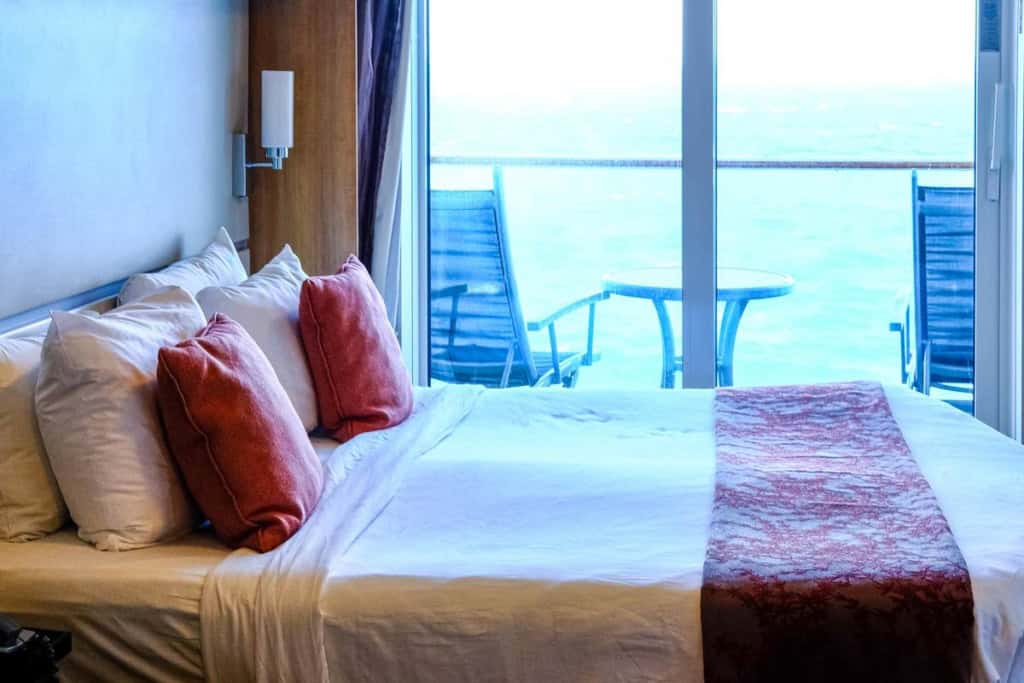
In addition to selecting the right cabin, consider bringing seasickness remedies such as Dramamine, Sea-Bands, or a Scopolamine patch. Many ships provide complimentary over-the-counter medications and have pharmacies or infirmaries for more severe cases. It’s best to take medication before you start feeling sick to prevent symptoms from worsening.
To further prevent seasickness, get plenty of rest and stay hydrated, as fatigue and dehydration can worsen nausea. Avoid strong smells, such as food or fuel, which may trigger discomfort. If you begin to feel queasy, head to the deck for fresh air or take a short walk to stabilize your balance.
Be mindful of the motion during shore excursions, especially if you’re traveling by smaller boats or tenders. Take your seasickness remedies beforehand and try to sit and focus on the horizon for stability.
Stay Hydrated Throughout the Day
Staying hydrated is key to enjoying your entire cruise experience, whether you’re lounging by the pool, exploring exciting new destinations, or enjoying the activities onboard. Traveling to warm, tropical locations can make dehydration a real concern, so it’s important to drink plenty of water throughout the day.
Before you head off the ship for shore excursions, always fill up your refillable water bottle. Whether you’re hiking in the hot Mediterranean sun, exploring bustling cities like Barcelona, or enjoying water activities like snorkeling at the Great Barrier Reef, having water on hand will keep you energized and prevent fatigue.
While it’s important to stay hydrated onshore, don’t forget about the ship itself! The air-conditioned environment can be dehydrating, especially if you’re spending time in the sun or engaging in physical activities. Make it a habit to drink water throughout the day to stay comfortable and avoid heat exhaustion.
Be cautious when buying bottled drinks ashore – always check the seal to ensure they’re safe to consume. And remember, alcohol can dehydrate you, so always balance your cocktails with water to keep your energy levels up and your body functioning at its best. Staying hydrated helps you make the most of your adventure, both on and off the ship.
Practice Sun Safety
The sun’s rays are more intense at sea, and without proper protection, you can burn quickly. To stay safe, apply sunscreen generously and reapply it throughout the day, even on cloudy days, as UV rays can still penetrate through clouds.
Choose a broad-spectrum sunscreen with at least SPF 30, and make sure it’s water-resistant if you plan to swim or engage in water activities.

Remember to protect your eyes and face by wearing sunglasses and a wide-brimmed hat. Reapply sunscreen after swimming, sweating, or towel-drying to maintain adequate protection all day long.
Wash Your Hands Regularly
Good hygiene is key to staying healthy during your cruise. Always wash your hands after using the bathroom, before eating, and when returning to the ship after excursions. Be sure to wash after handling money, touching public surfaces, or using stairway railings.
In addition to handwashing, take advantage of the hand sanitizers available throughout the ship, particularly in dining areas and high-traffic spaces. However, remember that hand sanitizers are a supplement, not a replacement, for proper handwashing. By prioritizing this simple habit, you’ll significantly reduce the spread of germs, including Norovirus.
Protect Yourself from Norovirus
Often referred to as the “cruise ship virus,” Norovirus is a highly contagious stomach bug that can cause vomiting, diarrhea, and stomach cramps. While it tends to grab media attention during outbreaks on cruise ships, it’s actually more common on land.
Although hand sanitizer and soap alone don’t kill the virus, frequent handwashing makes it much less likely to spread. With this in mind, remember to wash your hands thoroughly after touching communal surfaces like railings, menus, or buffet trays. Be cautious with buffets, raw or undercooked foods, and leafy greens, which are often linked to outbreaks.
If you do become sick, isolate yourself and notify the crew immediately. You’ll likely be confined to your cabin, where the crew will bring meals, water, and other necessities. Be sure to properly clean any contaminated linens, such as bed sheets, towels, and clothes. Avoid shaking out sheets, as this can spread the virus, and wear gloves and a mask while handling soiled laundry to minimize contamination.
Though Norovirus is usually mild and runs its course in two to three days, dehydration can be a concern, so be sure to drink plenty of water. Don’t forget that the virus can be contagious for up to three days after symptoms subside, so avoid close contact with others during this time. If you or a loved one is particularly vulnerable, such as young children, the elderly, or those with compromised immune systems, take extra precautions to avoid exposure.
Ready to Set Sail Like a Pro?
A cruise is one of the most exciting ways to explore the world, offering unforgettable experiences both on deck and ashore. Whether you’re a first-timer or a seasoned cruiser, these essential cruise tips for beginners and pros will help you navigate your journey with ease and enjoy a stress-free adventure.
By planning ahead, securing cruise insurance, and prioritizing your health, you’ll minimize stress and set yourself up for a smooth, successful trip from start to finish. With a bit of preparation, you’ll be free to relax, unwind, and fully embrace the adventure that awaits you.
So, get ready to set sail with confidence, knowing you’ve got everything covered for a truly unforgettable voyage. Happy cruising!
Cruise With Confidence
Cruise travel comes with unique risks, from missed ports and onboard medical care to emergency evacuation at sea. The right cruise travel insurance helps protect your trip and your budget if plans change.