
How to Plan Your Retirement Abroad

Making the Most of Your Golden Years Overseas
The decision to retire abroad is becoming increasingly popular among those seeking a fresh new environment and a high quality of life in their golden years. Many retirees are drawn to the opportunity to experience a different culture and pace of life in a beautiful, far-flung location. Moreover, there are often financial and health benefits, as many countries offer lower living costs and more affordable healthcare.
If you’re ready to make the leap, this guide to retirement planning covers everything you need, from managing finances and healthcare to choosing the right country and adapting to life abroad.
Plan Your Healthcare Before You Retire Abroad
Compare personalized international health insurance quotes for access to private care, specialists, and prescriptions abroad.
The Pros and Cons of Retiring Overseas
Retiring abroad is a major life decision, so carefully weighing the pros and cons before making the move is an essential part of retirement planning.
The destination you choose will greatly impact your lifestyle, comfort, finances, and overall happiness during your golden years, so careful research and thoughtful planning are essential.
The Pros of Retiring Abroad
Here are some key benefits that make retiring overseas an appealing option for many foreigners.
Potential for a Lower Cost of Living
Retiring to a country with a lower cost of living can offer significant financial benefits, which is key for many people looking to stretch their retirement savings and enjoy a higher quality of life abroad.
In locations where housing, healthcare, utilities, and everyday expenses are more affordable, your retirement income, like your pension and Social Security, will stretch further. This means you can enjoy a comfortable lifestyle while also saving more.

The extra purchasing power can also allow you to indulge in luxuries or take on travel adventures that might be too expensive in a more expensive country. With a lower cost of living, you can enjoy a higher quality of life and make the most of your golden years.
If you’re wondering where to begin your research, our articles on the cheapest countries to live in and most expensive cities offer a comprehensive overview of the living costs in popular expat destinations.
Whether you’re seeking affordability or curious about the lifestyles of different regions, these articles will support your retirement planning and help you make an informed decision.
Depending on where you choose to retire, you may have access to affordable, high-quality healthcare, which can be a significant perk of retiring overseas. Some countries also have healthcare systems that are more patient-centric and offer a personalized approach.
These can be major factors in many retirees’ decision to settle overseas. After all, having access to better healthcare can give you peace of mind that you’ll be well cared for as you age.
Make Healthcare Part of Your Retirement Budget
International health insurance can help protect your retirement savings from unexpected healthcare costs overseas.
A Better Climate
Retiring overseas gives you the exciting opportunity to enjoy a better climate, whether that means escaping harsh winters or rainy seasons and spending more time outdoors.
A better climate isn’t just about comfort – it’s also beneficial for your health and well-being. Living in a mild, warm climate encourages an active lifestyle, offering year-round opportunities for activities like walking, hiking, gardening, and more.

These outdoor activities promote physical health and help reduce the risks associated with a sedentary lifestyle.
Additionally, a pleasant climate creates a vibrant social atmosphere, with outdoor events, local markets, and community gatherings that make it easier to meet new people and stay engaged. Staying active and socially connected contributes to a happier and healthier retirement.
When planning your retirement, consider countries like Mexico, Spain, and Portugal, which are popular for their pleasant weather, active lifestyles, and welcoming social environments.
New Experiences and Adventure
For many people, the dream of experiencing new cultures, cuisines, and landscapes has been a lifelong aspiration, but career and family responsibilities have made it difficult to move abroad.
Now, with the freedom and flexibility that come with retirement, the opportunity to embrace an international lifestyle is more achievable.
Retiring abroad offers the chance to build a social circle of like-minded individuals. Whether you settle in a bustling city or a peaceful seaside town, you’ll meet people from diverse backgrounds and have the opportunity to form meaningful connections.
Sharing new experiences with others can lead to lasting friendships and a strong sense of community, which is particularly valuable for retirees seeking to avoid loneliness or isolation.
In addition to the social benefits, the simple act of living in a new environment can be incredibly enriching. The sights, sounds, and daily experiences of a foreign country can ignite curiosity and imagination.
Even everyday activities, like grocery shopping or taking a leisurely walk, feel new and exciting when seen through the lens of a different culture, making retiring overseas a truly rejuvenating experience.

A More Laid-Back Lifestyle
A slower, more laid-back lifestyle can have significant health benefits by reducing stress and promoting overall physical well-being.
For many people, retirement planning is also about choosing a slower pace of life, and embracing this change after decades of hard work can feel refreshing and rejuvenating.
This shift in lifestyle allows you to focus more on relaxation, outdoor activities, and enjoying the simple pleasures of life, which can contribute to a better quality of life and improved mental health.
To ensure you enjoy a peaceful, secure retirement, choose a safe place to live. Check out our list of the safest places to live in the world for some great options to consider.
The Cons of Retiring Abroad
Even the best things in life have their challenges. While retiring in a foreign country can seem like a dream, it’s important to be aware of the potential drawbacks before making the leap.
Before you start making plans to retire in your dream destination, take a moment to consider these challenges of retiring overseas.
Being aware of the potential downsides will help ensure that none of them become deal-breakers when making such a big decision.
Culture Shock
Living abroad may seem romantic, but the reality of everyday life in a different culture can be more challenging than expected.
Simple tasks like grocery shopping or scheduling repairs can become frustrating when you’re faced with unfamiliar customs and language barriers.

Some retirees may also struggle to adjust to new social norms, business practices, and communication styles. For instance, things like personal space, punctuality, or even queuing can follow entirely different rules.
This constant need to adapt can be mentally exhausting, leading to feelings of frustration, isolation, or even depression, which are all signs of culture shock.
However, the good news is that there are ways to overcome it, such as learning the local language, building a support network, and seeking guidance from other expats who have successfully adjusted to life abroad.
Lack of Amenities
When moving to a country with a lower cost of living, you may find that some conveniences you’ve taken for granted are no longer as easily available. These could include:
- Reliable internet connectivity
- Consistent electricity supply
- Access to familiar foods and products
- Quality healthcare facilities
- Well-maintained roads and public transportation
- Entertainment options and cultural activities
- Shopping choices for specific goods
- Efficient postal services
- Convenient banking services and ATM access
While living in a more affordable location can be financially rewarding, it’s important to consider whether you’re comfortable with these potential trade-offs.

Possible Double Taxation
Retiring abroad can have complicated tax rules that might cost you more than you expect. In some cases, you may have to pay taxes in both your home country and the country you move to.
For example, the United States taxes its citizens on income from anywhere in the world, no matter where they live.
Retirement accounts and Social Security benefits might also be taxed differently in your new country. Tax agreements between countries can be confusing and may not cover everything, leading to unexpected costs.
To handle these tax issues, you might need help from a professional tax consultant, which can add to your expenses.
Leaving Family and Friends Behind
Retiring in a foreign country can bring emotional challenges, especially when you miss important family events like births, graduations, and weddings. Over time, not being able to spend as much time with grandchildren or long-term friends can be tough.
It can also be harder to stay connected with loved ones across time zones, and traveling home for visits can be expensive and tiring.

These feelings of missing home can sometimes be harder to deal with than expected. However, with a positive attitude and some planning, you can make it work.
Staying in touch through technology, visiting family when you can, and making new friends in your new country can help you feel connected and make your retirement abroad a happy and fulfilling experience.
Researching and Choosing A Place to Retire
Choosing the right destination is a key part of retirement planning, but it can feel overwhelming given the many options available.
When considering your options, it’s important to think about what matters most to you, whether that’s a low cost of living, access to high-quality healthcare, or a climate that suits your lifestyle.
To help you with this decision, we’ve put together a list of the best places to retire, offering something to suit different preferences and lifestyles.
Found a Retirement Destination You Love?
Before you decide where to settle, compare international health insurance options for your preferred country.
The Best Places to Retire
The following countries are some of the most popular and well-regarded destinations for retirees, offering a blend of affordability, comfort, and opportunities to enjoy your retirement to the fullest.
Costa Rica
Costa Rica has long ranked among the best places to retire in the world, particularly for American expats. It offers a welcoming environment, close proximity to the U.S., and abundant natural beauty paired with a relaxed “pura vida” lifestyle.
It also provides strong healthcare, retiree visa options, and relatively affordable housing, especially outside major cities.

Guide
Mexico
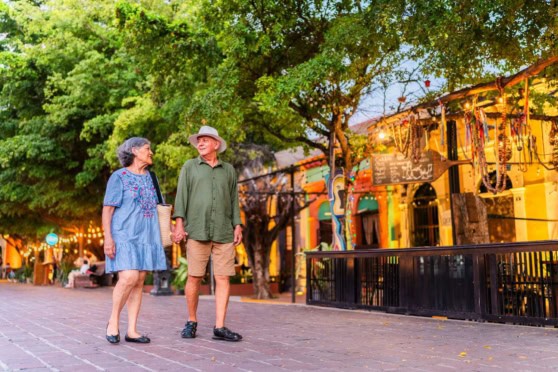
Mexico is a popular choice for North American retirees due to its affordable cost of living, warm climate, and proximity to the U.S.
It offers a vibrant culture, rich history, and excellent healthcare, particularly in larger cities, making it an ideal destination for those looking for both relaxation and quality care.
Malaysia
Malaysia is quickly gaining popularity among retirees due to its affordable cost of living, tropical climate, and excellent healthcare system.
The country also boasts lively expat communities, especially in cities like Kuala Lumpur and Penang, making it easier for newcomers to settle in and feel at home.

Guide
Thailand
Thailand is a top retirement destination known for its affordability, warm climate, and welcoming culture, with large expat communities in cities like Bangkok and Chiang Mai.
While most retirees rent rather than buy property, the low cost of living and excellent private healthcare make it an attractive long-term option.

Guide
Panama
Panama is a top choice for retirees thanks to its easy retirement visa options, such as the Pensionado Program, its tropical climate, and tax benefits.
With modern infrastructure and a low cost of living, it offers an ideal environment for those seeking a peaceful, affordable retirement.

Guide
Other Great Places to Retire Overseas
If luxury and top-tier healthcare matter to you more than the cost of living, the best places to retire will be primarily in European countries. Here are a few destinations to consider when planning your retirement:
The United Kingdom
The UK offers excellent healthcare through the NHS, a rich cultural heritage, and a familiar environment for English-speaking retirees.
While the cost of living is higher compared to other destinations, its mild climate and well-established social system make it a great choice for those seeking stability.

Guide
Canada
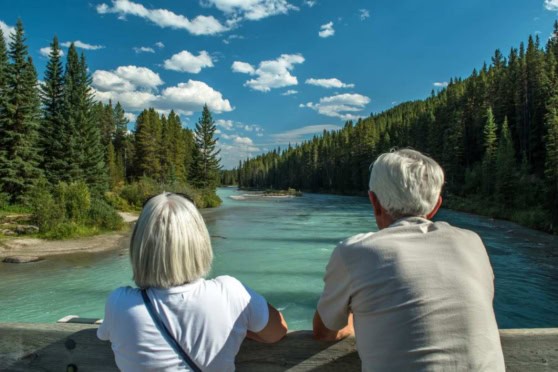
Known for its high quality of life, natural beauty, and top-notch healthcare system, Canada is a popular destination for retirees, especially those who prefer proximity to the U.S.
While living costs in cities like Toronto can be high, the political stability and lifestyle options make it a highly attractive place to settle.
Guide
Portugal
Portugal is gaining popularity among retirees thanks to its affordable cost of living, warm climate, and excellent healthcare system.
The Algarve region, in particular, is known for its sunny weather and large expat community, making it a welcoming place for new retirees.

Guide
Spain
Spain offers retirees a combination of warm Mediterranean weather, a rich cultural history, and an affordable cost of living.
The healthcare system is excellent, and many retirees are drawn to Spain’s relaxed lifestyle, beautiful beaches, and historic cities.

Guide
France
For those who appreciate a slower pace of life, fine dining, and rich cultural experiences, France is an ideal retirement destination.
The country boasts world-class healthcare and a high standard of living. Plus, its stunning countryside and coastal areas provide plenty of opportunities for exploration.

Guide
Italy
With its charming towns, rich history, and fantastic food, Italy is an excellent option for retirees looking to immerse themselves in culture.
Many regions outside the big cities offer affordable living, and the country’s healthcare system is highly regarded. Italy’s Mediterranean climate and relaxed pace of life make it a dream for many retirees.

Guide
How to Manage Finances When Retiring Abroad
Strong retirement planning starts with understanding how to manage your finances when living abroad, as this can feel like a whole new experience.
Even basic tasks, like opening a bank account, may be different from what you’re used to. In some countries, you might need to provide additional documentation, such as proof of residence or a local tax number.

It’s also important to check if your current credit cards will be accepted in your new country. Some cards may not work, especially in smaller towns or certain regions.
You’ll also want to inquire about any international transaction fees that might be charged when using your cards abroad.
These fees can add up quickly, so it’s worth considering opening a local bank account or applying for a credit card with no foreign transaction fees to save money in the long run.
Being proactive about managing your finances in advance can help avoid surprises and ensure a smoother transition to retirement abroad.
How Much Money Do You Need to Retire Abroad?
Can you afford to live in a foreign country on your retirement income? Even if you have good retirement savings or a solid Roth IRA, you still need to think about whether your income will be enough to maintain your lifestyle abroad.
Some retirees may need to work part-time or find other ways to earn money, especially if the cost of living is higher than expected.
You also need to consider the exchange rate between your current currency and the currency of the country you plan to move to. Currency changes can affect how much your money is worth.
Even if your retirement income seems enough in your home country, exchange rate changes could make your money go further – or not as far – once you convert it to the local currency.
To understand how long your retirement savings will last in a foreign country, it’s important to consider exchange rates and the local cost of living.
Social Security and Retirement Accounts
Retiring abroad on Social Security benefits can be a practical option, especially in countries with a lower cost of living.
The Social Security Administration allows you to receive benefits in most foreign countries, with payments typically deposited directly into your bank account.
However, before making the move, it’s important to understand how your retirement plans and distributions will work internationally.
While Social Security may feel tight in the U.S., these benefits can provide a comfortable lifestyle in many countries where your dollars have greater purchasing power.
Be sure to research any potential tax implications and confirm that your chosen destination is one of the countries where the Social Security Administration can send payments. Most countries are eligible, but there are a few exceptions worth checking in advance.
Managing Taxes and Financial Planning
Before moving abroad, it’s wise to consult an international tax firm that understands the tax rules of both your home country and your destination.
They can guide you through expat tax matters, explain which tax treaties may apply, and ensure you follow all the rules while saving as much money as possible.

If you’re a U.S. citizen retiring abroad, it’s important to know your tax responsibilities. The IRS requires Americans to pay taxes on their income, no matter where they live.
However, many countries have tax agreements with the U.S. that can help you avoid double taxation.
Retirement Planning for Expats in the US
Retiring in the United States requires careful planning and a solid understanding of local systems. While many Americans choose to retire abroad, some foreigners are moving to the U.S. to enjoy its high standard of living and diverse lifestyle options.
Knowledge of English is crucial for daily life, although many cities have thriving international communities where you can connect with others who speak your native language.
Keep in mind that the cost of living in the U.S. varies greatly by location. While cities like New York and San Francisco are expensive, there are plenty of smaller towns and affordable cities where your retirement savings can go much further. Read more about popular retirement destinations in the United States.
Medical and Safety Advice for International Retirees
Relocating to another country can be exciting but also daunting, especially when navigating unfamiliar healthcare and safety systems.
Ensuring you have the right health coverage and support in place before you move is an essential part of retirement planning.
By taking steps to prepare, you can significantly improve your ability to stay safe and healthy abroad.
Health Insurance for Retirees
When preparing to retire overseas, many retirees wonder how their healthcare needs will be met. The quality of healthcare providers and treatments can vary greatly from one country to another. Therefore, it’s crucial to research and understand the healthcare system of your new home.
Finding the right health insurance for retirees abroad is essential. You’ll need to understand how to secure the right coverage, whether through international health insurance or local plans, to ensure you’re adequately protected.

Make sure you understand how to obtain your medications in a foreign country. Some countries have different regulations around prescriptions, so it’s important to find out where and how to buy them to avoid running out of vital doses.
For U.S. retirees, Medicare typically doesn’t cover healthcare outside the United States, so it’s important to understand the options for coverage overseas. Read our article on Medicare overseas to learn more about your options.
Retire Abroad With Reliable Health Coverage
Get personalized international health insurance quotes designed for retirees who want long-term protection, access to private healthcare, and support navigating care abroad.
Preparing for Emergencies
You never know what might happen when living overseas, so being prepared for medical emergencies abroad is an important part of retirement planning.
Keep your passport up to date in case you need to leave quickly, and share emergency contact details, along with copies of your ID and passport, with a trusted family member or friend back home.
To support your health, share your medical history with your new doctor so they can provide appropriate care. Keep in mind that language barriers might make communication challenging if you aren’t fluent in the local language.
Avoiding Scams and Fraud
Scams and identity theft can happen to anyone, but older adults are often targeted because they are seen as more vulnerable. When living or retiring abroad, it’s essential to stay vigilant to protect your finances and personal information.
Always investigate service providers and businesses thoroughly before engaging with them. Check reviews and verify their legitimacy. Be cautious if someone offers a deal or service out of the blue, especially if it seems too good to be true.
Finally, never share sensitive personal or financial details unless you are confident the other party is trustworthy. By staying prepared and cautious, you can enjoy a safer and healthier retirement abroad.

Renting Versus Buying Property Abroad
Deciding whether to rent or buy a home when you retire overseas is an important financial choice. Before making your decision, it’s essential to research the local real estate laws and market conditions in your chosen destination.
Many retirees start by renting, which can provide more flexibility as they settle in and explore different neighborhoods.
Renting also allows you to get a feel for the real estate market before committing to a purchase. Once you are more familiar with the region, you can evaluate whether buying a property is a better long-term investment.
It’s a good idea to work with local real estate professionals to find a home that fits your needs and budget. Your finances, retirement plans, and lifestyle preferences will influence the type of property that’s best for you.
Understanding the local market will help you make an informed decision, paving the way for a comfortable and stable retirement abroad.
Your Dream Retirement Abroad Awaits
Retiring abroad offers the chance to enjoy a more affordable, fulfilling, and adventurous lifestyle in your later years.
From lower living costs and better weather to new cultures and exciting experiences, the benefits can be life-changing when the right destination is chosen. However, a successful move overseas also depends on careful retirement planning.
Understanding healthcare systems, managing finances, anticipating cultural differences, and securing the right tax and insurance support are all essential steps to ensure a smooth transition.
With the right preparation and guidance, retiring abroad doesn’t have to feel overwhelming – it can be one of the most rewarding decisions you ever make.
Whether you’re drawn to a relaxed beach lifestyle, a bustling city, or a peaceful countryside escape, there’s a destination that can match your goals and retirement dreams.
Take your time, do your research, and plan ahead. Your ideal retirement lifestyle is within reach.
Start Your Retirement Abroad With Confidence
Your dream retirement overseas deserves a healthcare plan that fits your lifestyle, destination, and long-term needs. Compare personalized international health insurance quotes before you make the move.