
Buying Property Abroad

Property Laws, Financing, and Key Considerations
If you’ve traveled abroad, you may have paused on a scenic street or coastline and imagined owning a home there. Buying property overseas is a reality for many expats and international buyers – and it may be for you too. People buy homes abroad for many reasons: as a primary residence, a vacation home, a retirement option, or for extended family. Others are motivated by lifestyle or affordability opportunities.
However, buying property abroad is more complex than purchasing at home. Legal systems, financing rules, taxes, and ownership rights vary significantly from one country to another. This article explains how to navigate the process, secure international financing, and avoid common pitfalls.

Plan for Healthcare Before You Relocate
Get coverage that helps you access private hospitals, English-speaking doctors, and ongoing care abroad.
Can You Buy Property Abroad as a Non-Citizen?
You can be a citizen of one country and purchase a house in another country. One factor that makes France, Italy, and Portugal popular with foreigners is that they welcome international buyers.
For example, in Italy, foreign buyers accounted for around 19.6% of transactions in major cities such as Milan, Rome, Florence, Turin, and Cagliari in the first half of 2025. This highlights strong international demand in key urban and lifestyle markets.

On the flip side, some countries don’t allow foreigners to buy any property. Meanwhile, others only allow it with reasonable restrictions.
One example is Australia, where foreign buyers can generally only purchase new developments or vacant land for construction, rather than established homes.
Similarly, in Thailand, foreign buyers are generally not permitted to own land directly and are typically limited to purchasing condominium units, subject to foreign ownership quotas within a building.
It’s easy to learn about buyer restrictions online or from real estate agents. They understand the rules in their country and which properties are available to overseas buyers.

Citizenship
Is Buying Property Abroad Difficult?
Expats who have bought real estate in another country generally agree that the process is more complex than buying at home. You can expect additional legal steps, fees, and due diligence requirements.
Buying internationally and starting a new life in a different place takes preparation and resilience, but it is both possible and rewarding.
For many foreigners and migrants, owning a home is what makes a new country feel truly settled. However, international buyers need to be especially diligent, particularly if they are not fluent in the local language.
It’s important to work with reputable banks, lawyers, and real estate agents to avoid scams or costly mistakes. A trusted translator or specialist agency that supports foreign buyers can also make the process significantly smoother.
Should You View Property Before Buying?
It is strongly advisable to view a property in person before purchasing. However, if you have a trusted realtor, remote buying can be possible thanks to video tours, digital documentation, and virtual inspections.
Often, a successful remote purchase depends on whether the buyer has been to the country, region, or even specific neighborhood. In some cases, buyers may already know exactly where they want to live, down to a particular street.

That said, buying without visiting in person carries additional risk. This includes misjudging the condition of the property, the surrounding area, or local market conditions.
For this reason, it’s worth considering whether saving on travel costs is worth the trade-off in certainty when making such a significant investment.
If you do decide to visit the country, don’t forget to arrange travel insurance before you go. This can protect you in case of unexpected cancellations, delays, or medical emergencies while abroad.
For longer stays, relocations, or repeat visits while searching for property, many buyers also consider global health insurance to ensure they’re covered across countries and extended periods abroad.
Getting a Mortgage Abroad
Getting financing to buy property abroad is often possible. However, eligibility depends on your income, credit profile, residency status, and the country in which you are purchasing.
In many cases, borrowers secure financing locally rather than through banks in their home country.
Protect Your Family and Property Abroad
Buying a home overseas is a major financial commitment. International life insurance can help protect your loved ones, mortgage, and long-term plans while living abroad.
Cash vs Financing for Overseas Buyers
The simplest way to buy property abroad is with an all-cash purchase. Some buyers are in a position to do this, while others sell an existing property to fund a purchase in a more affordable market.
As a general guide, buyers should budget around 10% to 20% of the purchase price for taxes, legal fees, and closing costs, depending on the country.
Savvy buyers also monitor exchange rates carefully to optimize currency transfers during the purchase process.
Do US Banks Offer Mortgages Abroad?
It is uncommon for U.S. banks to finance property purchases overseas. In some cases, international banks with U.S. operations may offer lending to high-net-worth clients. However, most buyers either purchase in cash or arrange financing in the country where they are buying.
Getting a Loan in the Country You Buy In
Foreign buyers often obtain financing in the country where the property is located. Lenders that offer mortgages to non-residents typically prefer borrowers to have some form of residency rights or a strong local financial profile.
If you are already a resident or citizen working in the country, you will generally have more lending options. For non-residents, availability varies significantly by country and lender.

You should also expect currency conversion to be part of the purchase process when transferring funds.
For expat mortgages, you may face higher deposit requirements – often up to 30–50% – and will need to provide strong proof of income and ability to service the loan.
In some cases, buyers may take out a loan directly in their own name, while in others (depending on the country and structure), purchasing through a company may be an option.
To navigate overseas mortgages, many buyers use a specialist international mortgage broker who can connect them with lenders experienced in expat and foreign-buyer financing and help secure suitable loan options.
Renovation Risks and Overcapitalization
People living abroad often have high expectations for their homes, including features such as climate control, spacious layouts, storage, and parking.
Many houses and apartments around the world – especially older properties – may not include these features. While it is often possible to renovate a home abroad to meet your preferences, it’s important to consider whether the costs and complexity are justified.
Investing too much in renovations is known as overcapitalization. This means you are unlikely to recover the full cost of improvements when you sell the property.
As a general rule of thumb, if renovations exceed roughly 10%–15% of the property’s value, there is a higher risk of overcapitalization, depending on the market.
Renovating from abroad can also be challenging. It requires significant time, money, and coordination. While stories about €1 homes in Italy or low-cost rural properties in Japan are common, they often involve major renovation commitments.
In many cases, buyers spend extended periods living locally to oversee the work, although some projects are managed through architects or renovation firms.
These types of projects are usually undertaken by buyers with larger budgets who are willing to invest heavily in transforming a property. It’s important to realistically balance your resources against the demands of a foreign renovation project.

Moving Abroad
Can Rental Income Cover Costs?
It can be tempting to justify the cost of an overseas property by planning to rent it out when you are not using it. However, the laws governing short-term rentals of 30 days or less vary widely and are constantly changing.
In many major cities, including New York, Barcelona, and Paris, short-term rentals are restricted or heavily regulated, which can limit expected rental income.
In some locations, limited short-term renting may still be allowed under specific conditions, such as renting rooms while the owner is also living in the property. However, rules vary significantly by jurisdiction.

If you are not living in the property, long-term rentals may be an option. This can help offset ownership costs, but it does not eliminate the need to understand local tenancy laws, taxes, and landlord obligations.
Some buyers also consider using rental income as part of a broader investment strategy, particularly if they plan to use the property later as a residence or vacation home.
Another potential option for accessing value from an overseas property is equity release, where available. In countries such as the UK and Australia, this may include reverse mortgage–style products.
Similar equity release options are available in parts of Europe, including Spain, subject to eligibility and local regulations.
Buying Property in Popular Expat Destinations
Every country’s real estate market works differently, especially for foreign buyers. Below are key insights into some of the most popular destinations for international property purchases.
The United States
One advantage of moving to America is that the country has relatively few restrictions on foreign property ownership, allowing international buyers to generally purchase real estate freely.
In many cases, buyers work with a single real estate agent through a buyer agreement. However, this does not limit access to listings, as agents can typically show any property available through the Multiple Listing Service (MLS).

Financing is also available in some cases, and long-term mortgages of up to 30 years may be offered to foreign nationals who meet income and credit requirements.

The United Kingdom
There are minimal restrictions for foreign buyers moving to the U.K., making it one of the more accessible markets for international purchasers.
One challenge is the condition of available housing, as many properties may require renovation, particularly in older stock. This can also increase scrutiny during the mortgage approval process.
Different mortgage products may apply depending on whether you plan to use the property as a primary residence or as a rental investment.
Once a purchase is agreed upon, transactions can move quickly, and competing offers may be accepted up until contracts are formally exchanged.

France
Foreign buyers moving to France are generally welcomed with no restrictions on property ownership.
Unlike the U.S., France does not operate a centralized MLS system, so buyers often work with multiple agents or browse private listings.

Properties are typically shown in a more “as-is” condition, with less emphasis on staging than in some other markets.
You may even view homes while they are still fully lived in, sometimes with families having dinner. This makes due diligence and inspections especially important.
Specialist agencies are widely available to support international buyers throughout the purchasing process, helping navigate language barriers, legal requirements, and negotiations.

Thailand
There are limits set for foreign buyers moving to Thailand. Foreigners can generally own condominium units, but cannot own land directly.
This often suits buyers looking for low-maintenance homes in urban or resort areas, where condos are common and typically air-conditioned.
If you want a different lifestyle, some foreigners lease land for long periods, purchase through a Thai company structure, or explore other legal arrangements involving Thai nationals.
Real estate practices can be less tightly regulated than in some other markets, so thorough due diligence on title checks, contracts, and inspections is essential.

Mexico
Foreigners moving to Mexico can buy property, but restrictions apply in the “restricted zone,” which includes areas near the coast and international borders. This includes areas within 50km of the coast and 100km of the international borders. So how are foreigners buying beachfront homes in places like Baja and Tulum?
They typically use a Mexican bank trust (fideicomiso) to hold the property, or in some cases set up a Mexican corporation, particularly for investment purposes. Real estate agencies that work with foreign buyers usually help coordinate this process.
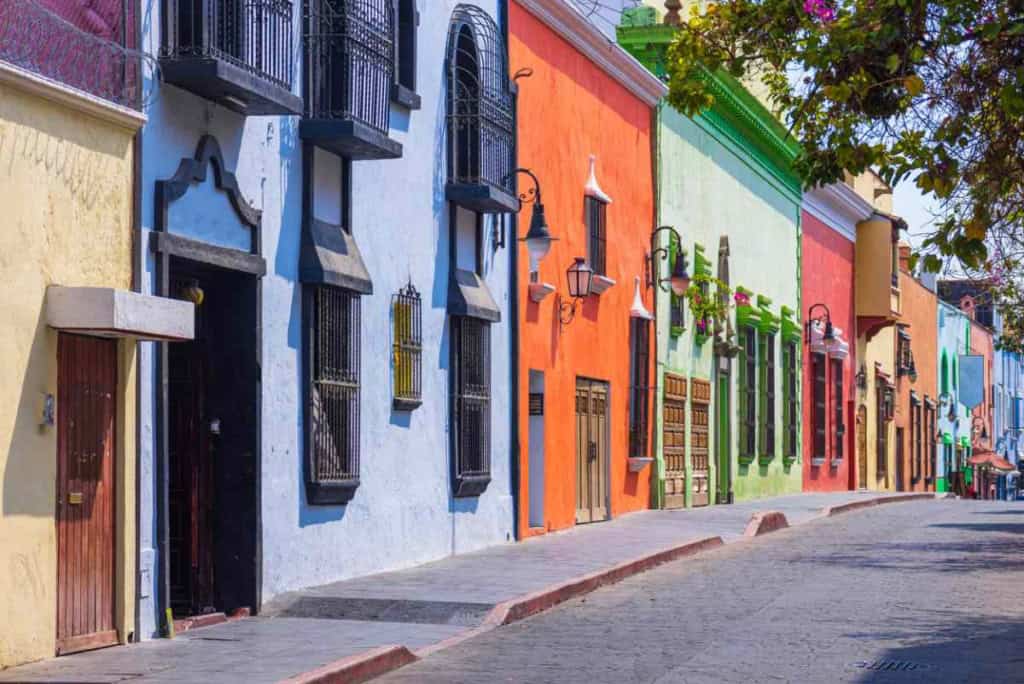
Mexico City, one of Mexico’s most popular real estate markets for international buyers, is outside the restricted zone and is not subject to these rules.

Canada
Canada currently has restrictions in place limiting most non-Canadians from purchasing residential property, although certain exemptions apply depending on residency status, visa type, and property classification.
Some exemptions may include specific international students, temporary foreign workers who meet eligibility criteria, and certain property types such as multi-unit buildings (typically four or more units).
In some cases, location and property classification can also affect eligibility, particularly outside major urban census areas.
Because these rules are complex and subject to change, many professionals advise prospective buyers moving to Canada to consider pathways such as obtaining residency before pursuing residential property purchases.

Checklist for Buying Property Abroad
The best place to start when buying property overseas is by researching how property purchases work in your destination country.
The questions below will help you understand both your own goals and the local legal and financial requirements.
House Hunting from Abroad
- How do you find properties in your destination – through a Multiple Listing Service (MLS) or private listings?
- Will you work with a realtor or agency that specializes in helping international buyers?
- Can you visit properties in person, or will you rely on virtual tours?
- What type of property fits your budget, lifestyle, and renovation appetite?
- Do you speak the local language, or will you need a translator?

Need Help Buying Property Abroad? Use platforms like RealtiesAbroad to compare international listings and connect with local experts who can guide you through foreign property laws, taxes, and buying requirements.
Legal Requirements for Foreign Buyers
- Does your destination have any restrictions or requirements for foreigners owning land or property?
- Are there restrictions on buying land to build on, or on purchasing off-plan or under-construction properties?
- What ownership rights will you actually receive, and how is property title defined in that country?
- How do you hire a qualified local property lawyer?
- Is title insurance available to protect against defects in title or ownership disputes?
Finance for Foreign Buyers
- Can you get a mortgage as a foreign national in your destination country?
- Are international mortgage brokers available?
- What are the banking requirements to qualify for a foreign or expat loan?
- What types of property can be financed with an international mortgage?
- How much deposit do non-resident buyers need?
- What interest rates are typically available for international mortgages?
- How are funds handled during the purchase process (e.g., escrow requirements)?
- How do you transfer money for deposits and closing costs, and what are the best ways to manage currency exchange?
Purchase Process and Costs at Your Destination
- How do you arrange a pre-purchase property inspection?
- What are the closing costs and purchase taxes, and are there additional requirements for foreign buyers?
- How much are annual property taxes?
- What insurance do you need for your property?
- Are you allowed to rent out the property when you are not living there, and how would this affect insurance or taxes?
- If you sell the property, will you be liable for capital gains tax?
Consider All Costs Before Moving! Don’t forget to factor in international moving costs, storage expenses, taxes, legal fees, and ongoing ownership costs when planning your overseas relocation.
Making Connections Before You Buy
A final step is to reach out to people living in your destination country through friends, forums, blogs, and meet-ups. Ask about their experiences buying property abroad, the challenges they faced, and what they would do differently.
You can also connect with local real estate agents, expat communities, and relocation groups to gain practical insight into neighborhoods, pricing, and the buying process. This kind of first-hand knowledge can help you avoid mistakes and make more confident decisions.
Many expats are happy to share recommendations. You’ll get valuable advice, practical tips, and real inspiration – and you may even find future neighbors along the way.
Find the Right Health Insurance for Your Move Abroad
Compare plans designed for expats, retirees, and global homeowners who need dependable healthcare coverage overseas.