
Repatriation Tips for Expats Returning Home

How to Tackle Culture Shock, Rebuilding Routines, and Settling Back In
Whether you spent a year overseas or built a life abroad for decades, returning home after living abroad is rarely as simple as booking a flight and unpacking your bags. For many expats, moving home brings a mix of excitement, uncertainty, relief, and even grief. You may be eager to reconnect with family and old friends, but also feel sad about leaving behind the life, routines, and relationships you built abroad. Returning home can feel surprisingly unfamiliar after adapting to a different culture, language, and pace of life.
While the transition can be emotional, careful planning can make the move smoother and less stressful. These repatriation tips cover everything from paperwork and shipping logistics to health insurance and reverse culture shock, helping you prepare for returning home after living abroad.
Common Challenges When Returning Home
While every expat experience is different, there are a few common challenges that many people face when returning home after living abroad. Being aware of them early can make the transition feel less surprising and easier to manage.
One of the most unexpected feelings is the sense of not quite belonging anywhere. After adapting to life abroad, your home country may feel familiar on the surface, but slightly distant in practice.
At the same time, you may feel disconnected from your life overseas now that you are no longer part of it. This “in-between” feeling is a normal part of repatriation.

Another common challenge is adjusting expectations around relationships. Friends and family at home may not fully understand your experiences abroad, and conversations that once felt easy may feel different now. You may also find that your social circle has evolved while you were away, which can require time and effort to rebuild.
Career and work transitions can also take people by surprise. Even if you are returning to your previous job market, you may need time to re-establish professional networks, update your CV for local expectations, or adjust to different workplace cultures than those you experienced overseas.
Finally, many returning expats notice a shift in daily life that can feel surprisingly difficult at first. Things like cost of living, commuting, bureaucracy, or the pace of life may feel very different from what you were used to abroad.
These challenges are a normal part of returning home and do not mean something is wrong with your transition. In fact, they are often a sign of how much you have grown while living abroad.
Plan Ahead for the Move
Once you know you will be relocating home, the practical side of the move quickly becomes a priority.
Good repatriation tips always start with preparation, since international moves involve countless details, from organizing shipping companies and movers to arranging housing, employment, banking, and schooling if you are returning with children.
The paperwork alone can feel endless. You may need to close local accounts abroad, transfer financial records, update tax information, gather medical documents, and organize residency or visa paperwork before leaving your host country.

Creating a detailed checklist and timeline early in the process can help you stay organized and avoid last-minute stress.
It is also important to research the latest customs and re-entry regulations for your home country. Rules surrounding imported household goods, pets, medications, and duty-free allowances can change frequently.
Before shipping your belongings, make sure all documents are completed correctly and confirm whether any restrictions or taxes may apply.
Make Travel Arrangements
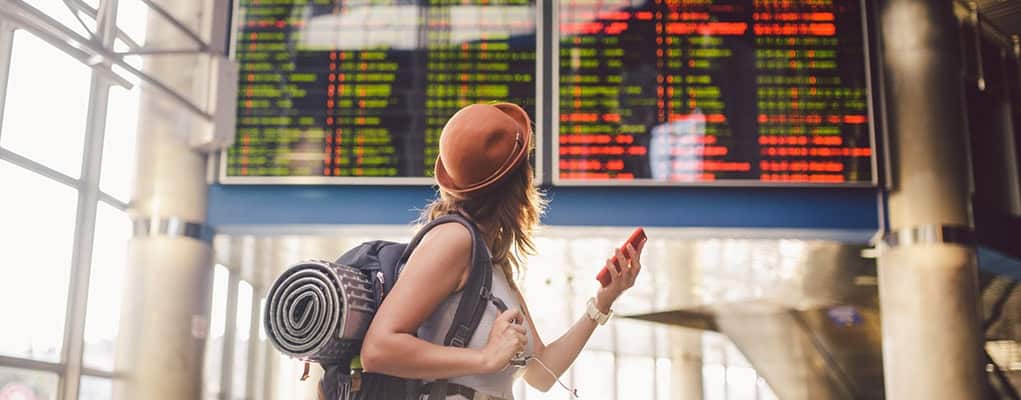
Planning your trip home requires more consideration than a typical international vacation. In many cases, you are traveling with extra luggage, important documents, valuable personal belongings, or even pets.
Delays, cancellations, or lost baggage can become far more disruptive when your entire life is effectively in transit. For that reason, travel insurance is worth considering when arranging your journey home.
Comprehensive travel coverage may include trip cancellation benefits, protection for lost or delayed luggage, travel delays, and emergency medical coverage while in transit.
Having that additional protection is one of the most practical repatriation tips for reducing stress during an already emotional move.
It is also wise to keep important items such as medications, passports, financial records, and essential clothing in your carry-on luggage in case checked bags are delayed along the way.
Travel Insurance
Take Time to Say Goodbye
One of the most important parts of leaving a country is often the easiest to overlook. Before you move home, take time to properly say goodbye to the life you built abroad.
Spend time with close friends and colleagues, revisit your favorite places, and enjoy the routines and traditions you came to love.

Take photos, exchange contact information, and allow yourself time to reflect on the experience. Leaving your adopted home can feel emotional, even if you are excited about what comes next.
Many expats try to stay busy with logistics and avoid processing the emotional side of leaving, but taking time for meaningful goodbyes is one of the most overlooked repatriation tips for easing the transition and creating closure.
Be Prepared for Reverse Culture Shock
One of the biggest surprises for returning expats is realizing that moving home can bring its own culture shock. Reverse culture shock is incredibly common, especially for people who spent years adapting to life overseas.
At first, you may expect everything to feel familiar and comfortable again. Instead, you might feel strangely disconnected or out of place.
Friends and family may assume you will return to your old routines immediately, while you may feel as though your experiences abroad have changed your perspective entirely.

It is also common to feel frustrated by cultural habits you once accepted without thinking, or to miss the lifestyle, pace, and social connections you had overseas.
Depending on how long you were away, your home country may have changed significantly as well. If you experience stress, sadness, anxiety, or even mild depression after returning home, those feelings are normal.
Adjusting back can take several months, and sometimes longer. Give yourself permission to adapt gradually instead of expecting an immediate return to “normal.”
Review Your Health Insurance Coverage
Health insurance is another important consideration when moving home after living abroad. Depending on your international health insurance plan, your existing coverage may end once you officially relocate back to your country of citizenship.
Because of this, many returning expats choose a temporary plan while they transition back into local healthcare systems or wait for employer-sponsored coverage to begin.
Short-term plans can help protect against unexpected medical expenses during the adjustment period and provide peace of mind while you get settled.

It is also worth reviewing how healthcare access works in your home country before you arrive. Registration requirements, waiting times, or GP enrollment processes may have changed while you were away, and setting this up early can save time once you are back.
If you take regular medication, it’s a good idea to secure a sufficient supply for the transition period and confirm how prescriptions will be handled under your new coverage.
It is especially important to avoid gaps in coverage if you are returning with family members, managing prescriptions, or continuing treatment for an existing condition. Some expats also choose to overlap coverage for a short period to ensure there is no risk during the move.
This is one of those practical repatriation tips that can prevent unnecessary stress during an already busy transition.

Embrace the Next Chapter
Although moving home can feel overwhelming at times, it is also the beginning of a new chapter. Living abroad changes the way you see the world, and those experiences will continue to shape your life long after you return.
Try not to put pressure on yourself to feel settled again right away. Rebuilding routines, reconnecting with people, and adjusting emotionally all take time.
Be patient with yourself throughout the process and remember that it is normal to feel caught between two worlds for a while.
Remember, returning home is not the end of your international journey – it’s simply another stage of it.