
How to Make Friends While Living Abroad

Simple Ways to Build a Social Life Overseas
Are you heading overseas to begin a new life abroad, or have you already arrived and are settling into a new country as an expat? While you’ve likely prepared for visas, housing, and logistics, making friends abroad is often the next big challenge.
Meeting new people at school, work, or through existing networks may not come as easily in a new country. However, there are many practical ways to build connections and create a sense of community. These tips will help you build your social circle and feel at home in no time.

Move Abroad With Confidence
Building a social circle is easier when you know you’re protected. Compare international health insurance plans that give expats access to private doctors, hospitals, and support wherever life takes you.
Join Local Clubs or Groups
Making friends while abroad is often easiest when you start with what you already enjoy. Shared interests naturally create conversation and repeated contact, which is how friendships form over time.
For example, if you enjoy food, joining a local cooking workshop can be a great way to meet people. You can chat while learning how to make regional dishes like pasta in Italy or tapas in Spain.
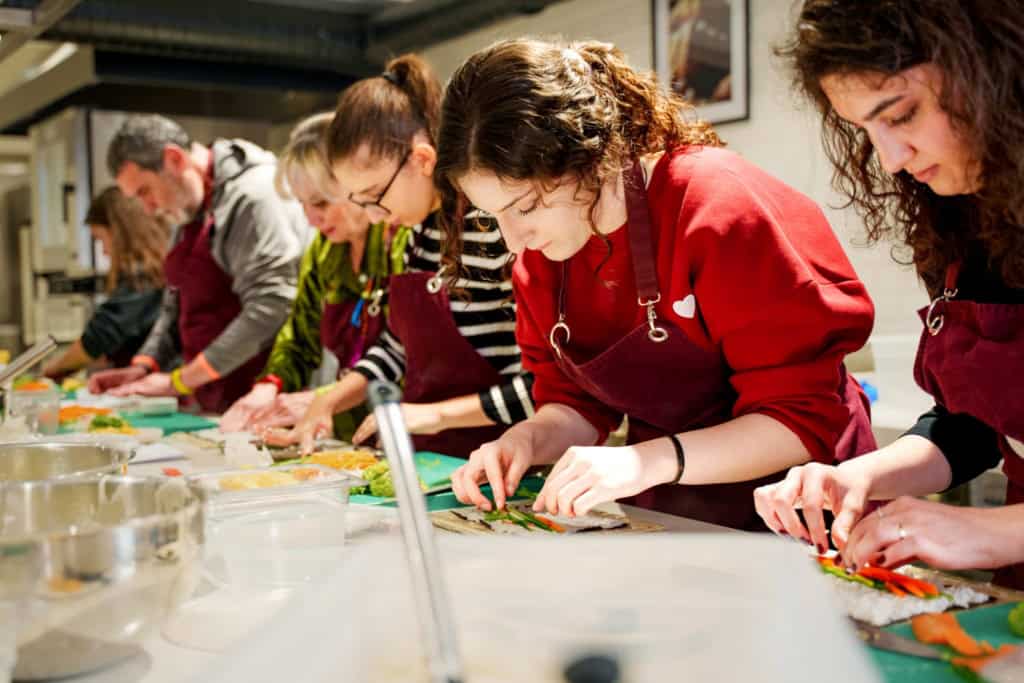
If you’re more creatively inclined, a weekend painting or pottery class is a great idea. This can introduce you to both locals and other newcomers in a relaxed setting where conversation comes naturally.
From there, joining structured groups or classes is a natural next step. They provide regular opportunities to see the same people in a low-pressure environment where connections can develop gradually.
For instance, you might join a dance or music group, such as salsa lessons or a community choir. Shared activities and learning experiences create natural opportunities to meet and connect with others.
Over time, these repeated encounters help turn casual acquaintances into real friendships without forcing the process.

Expatriates
Take a Language Class
Taking a language class is not only practical for daily life abroad, but also one of the most natural ways to make friends with others at a similar stage of adjustment.
Everyone is learning, which reduces pressure and makes it easier to start conversations. Shared challenges often lead to social connections with classmates who are also new to the country.
There are also many different ways to learn, depending on your style and schedule. You might choose a language school with weekly in-person lessons, a community college course, or structured programs such as the British Council’s language courses.
Some people opt for flexible evening and weekend classes designed for working adults. Others prefer informal language exchange meetups, where locals and newcomers pair up to practice speaking over coffee in a relaxed setting.
Using blended options, such as language apps or online lessons, alongside in-person conversation groups can also help build confidence over time.
It’s also common for students to meet up for coffee or study together outside of lessons. This can help you build friendships more quickly.
In some cases, language schools also organize cultural outings, such as museum visits, walking tours, or local food experiences. This gives you even more opportunities to connect outside the classroom.
Feel More at Home Abroad
As you settle into a new culture, make sure your healthcare is covered too. International health insurance can help you access quality care, English-speaking doctors, and private facilities in your new country.
Do Sports and Outdoor Activities
Sports and outdoor activities are another effective way to make friends abroad. Regular meetups, shared goals, and teamwork naturally help people connect.
Over time, training or playing together each week leads to natural conversations before, during, and after activities.
For example, you might join a local football or basketball team where people gather regularly for casual games and social time afterward.

Running clubs are also common in many cities, often meeting in the evenings or on weekends and welcoming all fitness levels.
If you prefer something outdoors, hiking or cycling groups can be a great way to get to know people in a relaxed, informal setting. They can also help you stay healthy while living abroad.
In coastal areas, even beginner-friendly surf or paddleboarding lessons can quickly introduce you to others who are also new to the area.

Become a Volunteer
Volunteering is a meaningful way to make friends abroad and become part of your new community. Because you’re working together toward a shared goal, interactions tend to feel more natural and less forced than in purely social settings.
For example, you might explore opportunities through the United Nations Volunteers (UNV), help out at a local festival, community event, or support food banks or environmental cleanups.
In many cases, volunteers also return regularly, which helps you build familiarity with the same people over time. This makes it easier to move from casual conversation into real friendships.
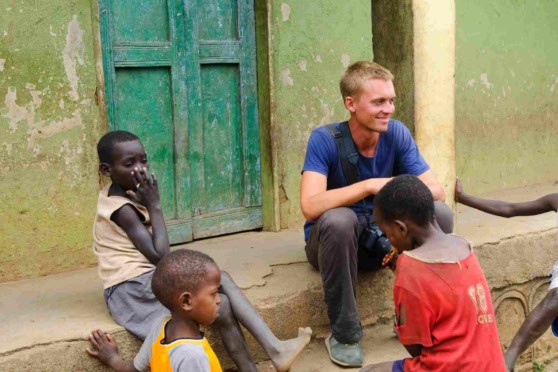
In some places, you may also be able to contribute your own skills, such as photography, design, language support, or event coordination. This can help you feel more involved and valued within the group.
Many volunteering opportunities also include informal social moments, such as shared meals, coffee breaks, or post-event gatherings. These allow people to naturally get to know each other outside of the task itself.
These shared experiences often create strong bonds because you’re collaborating rather than simply meeting socially. You’re working toward something that has a real impact in your new community.
Join a Co-Working Space
If you’re working remotely or freelancing, a co-working space can be a surprisingly social environment in addition to a productive one.
Platforms like the Coworker global directory and Workfrom remote work community can help you find co-working spaces, cafés, and remote-friendly work environments around the world.
While people are there to work, there are often natural opportunities to connect during breaks or informal events. For example, you might start by chatting over coffee in the kitchen area, then gradually join colleagues for lunch or after-work drinks.

Working Abroad
Many co-working spaces also organize events such as networking evenings, talks, skill-sharing sessions, or weekend social gatherings. These are designed to help members connect beyond work.
Some spaces also have shared lounges or communal tables, which make it easier to strike up casual conversations with the same people over time. In more active communities, members even form interest groups, such as running clubs, language exchanges, or weekend excursions.
In some cases, members even plan trips or group activities outside of work. This can make it easier to build friendships organically and turn everyday work relationships into lasting connections.
Use Social Media and Online Resources
Online platforms are often the easiest way to make friends abroad when you first arrive in a new country.
They allow you to find events, groups, and communities based on your interests before you even leave your home. For example, you might use Meetup to find language exchanges, hiking groups, or hobby-based gatherings in your city.
Meanwhile, expat forums and online communities, such as Facebook groups, Reddit threads, and dedicated relocation forums, can be very helpful. You can often find practical advice, local tips, and informal meetups shared by people already living in the area.

Dating or friendship apps can also help you meet new people if you’re looking to expand your social circle more quickly.
Apps like Bumble BFF are designed specifically for friendship, while Tinder and Hinge can connect you with singles in the area. They may also lead to broader social connections depending on how you use them.
That said, when meeting people from online platforms, it’s important to take the same precautions you would at home.
For example, meet in public places and let someone know where you’re going. It’s also wise to keep personal information private until you feel comfortable sharing it.
Take Time to Let Friendships Grow
It’s important to remember that making friends abroad doesn’t usually happen all at once. It builds gradually through repeated moments, shared activities, and everyday familiarity.
Whether it’s a weekly class, a local sports group, volunteering, or simply showing up in the same places, each small step increases your chances of meaningful connection.
The key is consistency and openness. You don’t need to force friendships or find the “perfect” group right away. Instead, focus on putting yourself in environments where conversations can happen naturally over time.
With patience and a willingness to try new things, you’ll find that building a social life abroad isn’t just possible; it becomes one of the most rewarding parts of living in a new country.
Enjoy Life Abroad With the Right Health Coverage
Making friends, learning the language, and exploring your new home are all easier when healthcare is one less thing to worry about. Compare international health insurance plans built for expats living overseas.