
Retiring in Panama
Key Takeaways
- The Pensionado program offers residency and retiree discounts. Applicants generally need a guaranteed lifetime pension of at least $1,000 monthly, plus additional income for dependents.
- Your location shapes retirement costs and lifestyle. Panama City offers urban conveniences, while coastal towns and cooler highland communities provide different budgets, climates, and amenities.
- Plan healthcare around your location and needs. Many expat retirees choose private insurance for broader provider access and shorter waits, particularly where local facilities are limited.
- Prepare for practical and financial adjustments. Research taxes, housing, infrastructure, and the rainy season, and learn basic Spanish to make everyday life easier.
How to Spend Your Golden Years in the Tropics
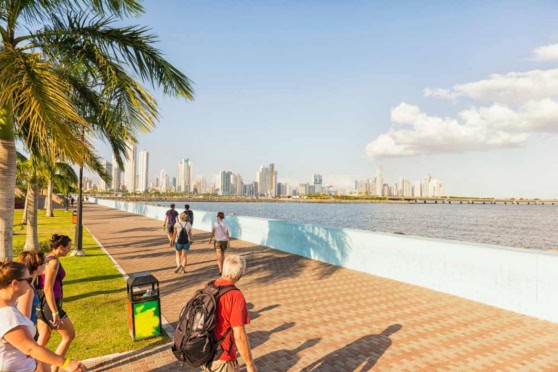
Panama offers a unique blend of tradition and modernity that attracts expats from all walks of life. Whether you choose sunny beaches, cooler highlands, or the bustling streets of Panama City, you’ll find the locals welcoming and the prices affordable. This guide explains all you need to know about retiring in Panama, including visa requirements, healthcare availability, and living costs.

Plan Your Healthcare Before You Retire Abroad
Get personalized international health insurance quotes that help you compare coverage for routine care, specialists, prescriptions, and private hospitals abroad.
Pros and Cons of Retiring in Panama
Panama remains one of the best places to retire abroad, and the government actively encourages foreign retirees by offering a range of benefits.
However, like any country, there are both advantages and drawbacks to consider before making the move.
The Pros of Retiring in Panama
Here are some reasons Americans and other foreigners choose to retire in Panama.
Warm and Tropical Climate
Panama is a tropical country with access to both the Caribbean Sea and the Pacific Ocean. You can enjoy year-round warm weather and no cold winters.
Average summer temperatures are 82–90ºF (28–32ºC) and winter temperatures are 79–86ºF (26–30ºC). There are typically between 200 and 300 days of sunshine per year, depending on where you retire in Panama.
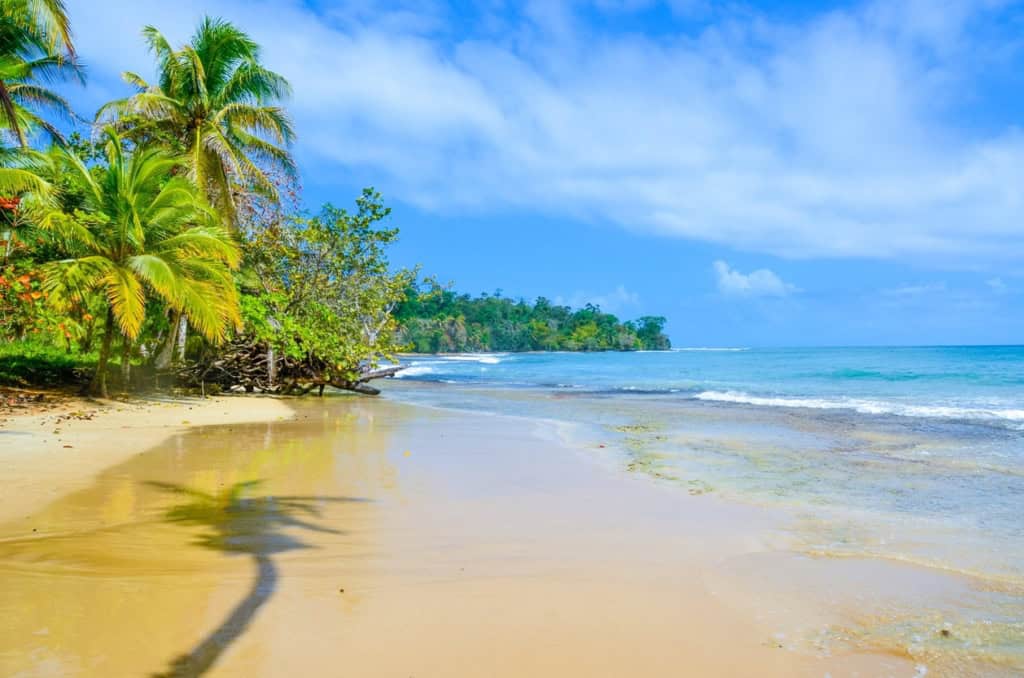
You can choose to enjoy this climate in a variety of environments, including beaches, mountains, and rainforests. For those who don’t want too much heat and humidity, highland areas like Boquete offer slightly cooler temperatures.
High-Quality Healthcare
Panama offers affordable, high-quality healthcare to residents and visitors alike. It ranks 62nd worldwide for healthcare in the 2025 CEOWORLD Health Care Index.
Many doctors speak English and have been trained in the U.S., while facilities such as Hospital Punta Pacifica are considered among the best in Central America.
You can choose between public and private medical care, with private health insurance in Panama costing less than half as much as in the United States.
Retiring in Panama? Plan Your Healthcare Early
Even with affordable access to care, many retirees choose international health insurance for faster appointments, private hospitals, and more comprehensive coverage while living abroad.
Affordable Cost of Living
Affordable living costs are one of the greatest benefits for retirees considering moving to Panama.
Many retirees find Panama to be cheaper than their home countries. Indeed, on average, Panama is 53% cheaper than the U.S.
For context, Costa Rica, another popular retirement destination in Central America, is 11.5% more expensive than Panama.
With costs such as housing, healthcare, and leisure much lower, it’s possible to live comfortably in Panama on a fairly moderate pension. It’s a dollar-based economy, so U.S. citizens won’t need to worry about currency exchange.
A further benefit is that Panama doesn’t tax overseas retirement income, so you can make your savings go even further.
Safe Environment
Panama is one of the safest countries in Central America. It ranks 84th out of 163 nations in the 2025 Global Peace Index, with a medium rating, behind only Costa Rica and the Dominican Republic in the region.
The environment is generally considered stable and secure, and retiring in Panama involves no real dangers.
Although there are neighborhoods to avoid, and violent crime does occur, Panama has many safe cities with modern amenities and sizeable expat communities.
Ease of Relocation
Panama offers one of the easiest routes to retirement relocation through the Pensionado Program. This retirement visa is regularly rated among the best in the world.
The program offers strong incentives, such as discounts on flights, utility bills, cultural events, and healthcare.

All you need is proof of a steady retirement income, along with meeting standard documentation requirements.
Given the close proximity between the U.S. and Panama, retirement for U.S. citizens is much easier, as it doesn’t involve traveling thousands of miles.
Tocumen International Airport offers direct flights to the U.S., with flight times of 3.5–7 hours (depending on departure location). There are also direct flights to many European cities.
The Cons of Retiring in Panama
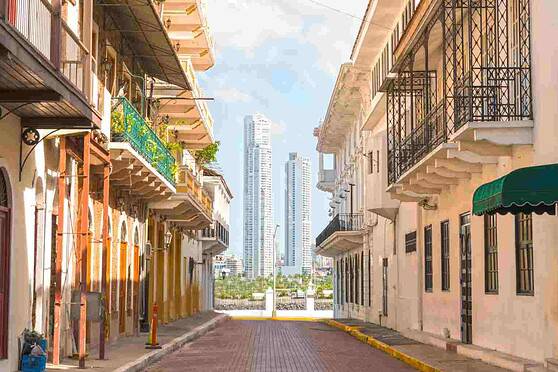
Although there are many advantages to retiring in Panama, there are also a few potential drawbacks to consider.
Slower-Paced Lifestyle
While many may appreciate the laid-back Panamanian approach to life, others may find it frustrating. In fact, one of the most frequent complaints foreigners have about Panama is how slowly things move there.
Expats have to quickly adjust to different norms around customer service and government bureaucracy. Appointments often require a lot of paperwork and patience.
You’ll quickly learn that when locals say “mañana” (tomorrow), they simply mean “not today.”
Long Rainy Season
Panama is a tropical country. This usually means two things: warm climate and plenty of rain. Instead of summer and winter, you get a dry season and a wet season.
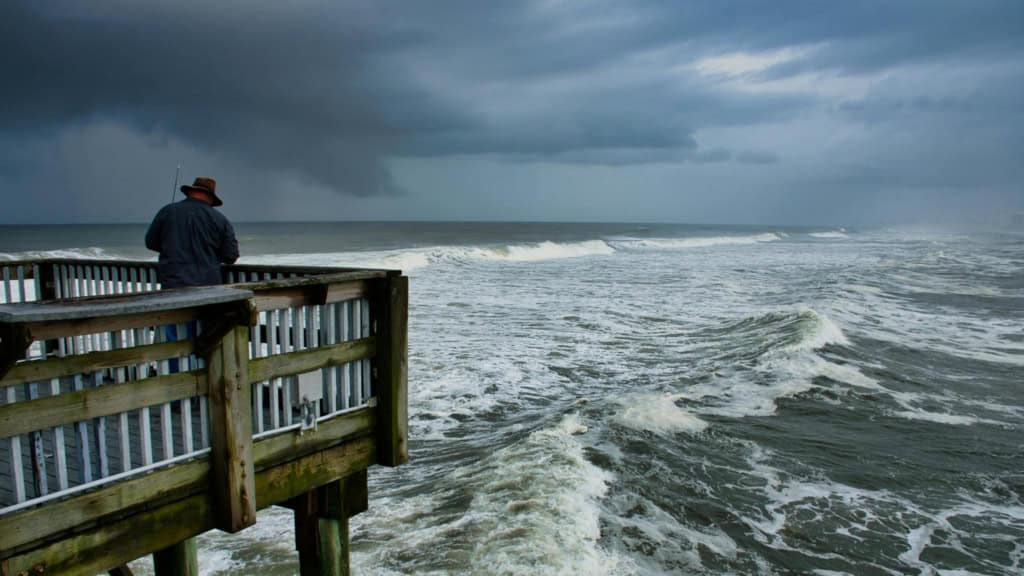
The rainy season lasts from around May to November, with rainfall typically greater in the afternoons. You won’t want to leave your house without an umbrella during these months, and you’ll have to consider the risk of flooding if you live in smaller towns or rural parts.
Humidity
Some retirees find that the tropical climate is a bit too warm, particularly those who have relocated from cooler parts of Europe or North America. Lowland areas can get very humid, and rainfall only intensifies it.
If this is a concern for you, one solution is to retire to a town in the highlands of Panama. Temperatures there are typically around 18–27°F (10–15°C) cooler than in the lowlands.
Language Barrier
Spanish is the official language of Panama. While English is common among Panama’s retirement communities of expats, locals may not always speak it, especially in more rural areas.
The country ranks 70th in the 2025 EF English Proficiency Index, behind Honduras (32), El Salvador (47), and Costa Rica (55).
Although you don’t need to know Spanish to get a visa, it’s a good idea to learn at least some of the basics and download a translation app to help you in your daily life.

Uneven Infrastructure
While major cities such as Panama City and La Chorrera have good infrastructure, things are not uniform across the country.
Smaller towns and rural villages may have limited medical facilities, poor roads, and problems with internet connectivity. Some less developed parts may occasionally experience power outages or water issues.
It’s a good idea to do your research before choosing where to retire, and to purchase a good health insurance plan in Panama to ensure quick access to the best health facilities.
Retirement Visas for Panama
If you want to retire in Panama as an expat, you will usually need a visa. Here’s what you should know.
Visa Types for Retirees
Here are the visa options for retiring in Panama:
- Pensionado Visa: The main Panama retirement visa is open to those with a pension income, offering immediate permanent residency and a range of financial benefits.
- Friendly Nations Visa: Not specifically a retirement visa, but an alternative route for those who don’t meet pension income requirements. You must either work for a Panamanian company, purchase real estate, or deposit at least $200,000 in a local bank.
- Qualified Investor Visa: Permanent residency permit for those who can invest at least $300,000 in Panama (typically in real estate).
You can find out more information on the Panama National Migration Service website (in Spanish) or the Embassy of Panama website (in English).
It’s also worth consulting professionals with expertise in the legal and financial implications of immigration if you are unsure of anything.
Planning to Retire in Panama?
Compare international health insurance plans designed for retirees living abroad, with access to private healthcare, shorter wait times, and comprehensive medical coverage in Panama.
The Panama Pensionado Program
The Pensionado visa is Panama’s retirement program for foreign residents, designed to attract individuals with passive income to the country.
This program is suitable for retirees receiving Social Security benefits, government pensions, or private retirement savings.

Successful applicants will obtain immediate permanent residency in Panama as well as access to additional benefits, including:
- Between 10–20% discounts on healthcare bills
- 25% discounts on utility bills
- 25% discounts on airline tickets, and 30% discounts on other transport
- 50% discounts on cultural and sporting events
- 25% discounts at restaurants and 30–50% discounts on hotels
- 15% discounts on loans, and 1% discounts on mortgages for primary homes
- Import tax exemption on household goods
Panama Pensionado Visa Requirements
The main Panama retirement visa requirements are a guaranteed lifetime pension income of at least $1,000 per month, plus an additional $250 per month for each additional dependent on your application.
In addition to this, you will need to provide the following documents:
- Valid passport
- 4 photos
- Birth certificate
- Proof of income, issued by your pension provider and signed by a notary
- Recently completed police background check
- Health certificate from a Panamanian Doctor
- Marriage certificate (if applicable)
All foreign documents must be apostilled (or authenticated via a Panamanian consulate) and translated into Spanish by a certified translator in Panama.
Applicants may enter Panama on a tourist visa and submit their application through a licensed Panamanian lawyer. Supporting documents are typically prepared abroad and sent to the lawyer for submission in Panama.
How to Retire in Panama
Here are the general steps to follow for retiring in Panama:
- Step 1: Choose the appropriate visa. For most, it is the Pensionado visa, though some retirees apply through other routes.
- Step 2: Prepare and legalize your documents. If you apply for the Pensionado visa, do this before traveling to the country.
- Step 3: Secure your long-term accommodation: You don’t need to purchase property or provide evidence of accommodation for a retirement visa, but you will need to make suitable arrangements for when you arrive in the country.
- Step 4: Make your healthcare arrangements: As a retiree, you don’t need to register for healthcare in Panama, but you can use public services and pay out of pocket. Most expat retirees arrange private health insurance ahead of traveling to the country.
- Step 5: Apply for your visa inside Panama: You can submit your Pensionado application through a Panamanian lawyer after arriving in the country. This grants you permanent residency.
- Step 6: Open a Panamanian bank account: Although not required, having a local bank account makes it easier to receive your pension payments in Panama.
- Step 7: Plan your long-term status: Most retirees settle for permanent residence in Panama, but you can apply for full citizenship after 5 years in the country.
Housing in Panama
There are no real restrictions on foreigners buying property in Panama – in fact, several visas require it. Retirees can usually choose whether to buy or rent. There are options for both across the country.
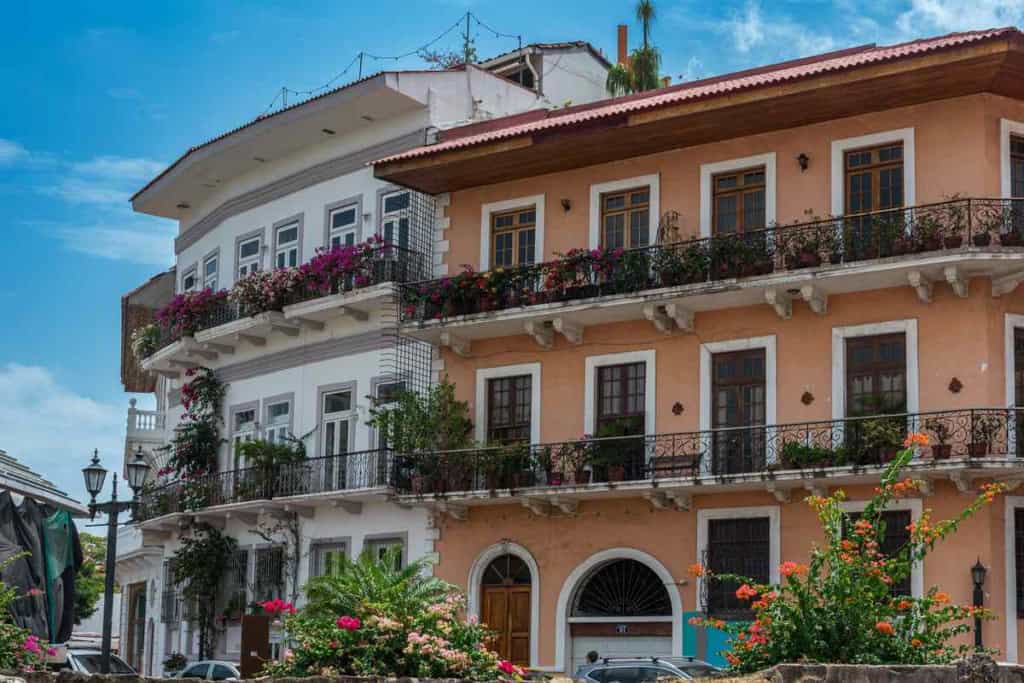
Property prices vary by building type and region. Average prices in 2025 are as follows:
Type of House | Estimated Price Range (USD) | Common Locations |
Government-subsidized homes | $65,000–$120,000 | La Chorrera, Arraiján, Pocora, Tocumen |
2–3 bedroom homes in gated communities | $120,000–$200,000 | Brisas del Golf, Las Cumbres, Don Bosco |
Single-family homes in urban areas | $180,000–$350,000 | Condado del Rey, Villa Lucre, Versalles |
Luxury homes | $400,000–$1,000,000+ | Costa Sur, Santa María, Clayton, Boquete |
In addition to purchase costs, you will need to budget for additional fees such as:
- Transfer tax
- Public registry fee
- Notary fees
- Legal fees
- Mortgage fees (if applicable)
Total fees can range from between 2–7% of the purchase cost. According to Numbeo, rental costs in Panama average $1,023 per month for a one-bedroom city-center apartment and $1,863 per month for a 3-bedroom apartment.
Here is a breakdown of average housing prices in some of Panama’s major cities:
Location | City center apartment (to buy per square meter) | City center apartment (1-bed rent) | City center apartment (3-bed rent) |
Panama City | $3,128 | $1,345 | $2,212 |
Bocas del Toro | N/A | $750 | $1,200 |
Coronado | $2,000 | $760 | $1,250 |
Boquete | $1,184 | $755 | $1,567 |
Cost of Retiring in Panama
Living costs in Panama are cheaper than in most Western countries. In fact, when you compare the cost of living in Panama to the USA, you can see it is 53% cheaper on average.
2026 Numbeo data shows that monthly living costs (excluding rent) are $783 for a single person and $2,861 for a family of four.
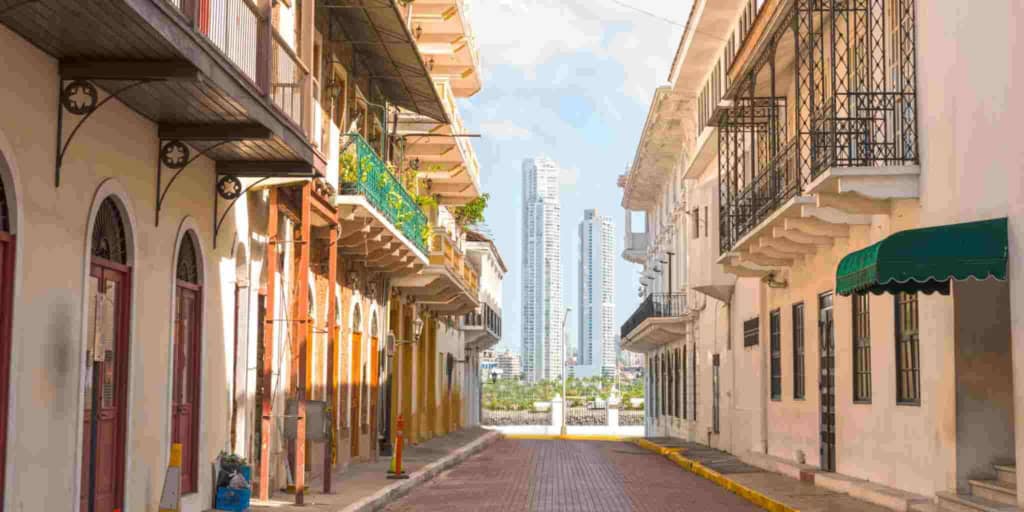
Prices in Panama City, the capital, are slightly more expensive at $822 for a single person and $2,991 for a family of four.
Day-to-Day Living Costs
Here is a breakdown of the overall average cost of living in Panama:
- Housing: $460–3,000 (monthly rent)
- Utilities: $61–200 a month
- Internet and mobile phone: $54–105
- Monthly public travel pass: $15–25
- Basket of groceries (milk, bread, eggs, bananas, potatoes): $7.50–16.00
- Monthly gym membership: $29–100
- Meal for two at a mid-range restaurant: $35–85
If you relocate to Panama through the Pensionado program, don’t forget that some of these prices are discounted.
Healthcare in Panama
Panama’s healthcare system ranks 62nd worldwide for healthcare in the 2025 CEOWORLD Health Care Index. The country has a mixed public system funded through taxation and social security contributions, which provides low-cost care to eligible residents.
However, many expats choose to take out private health insurance to access faster access and broader services.
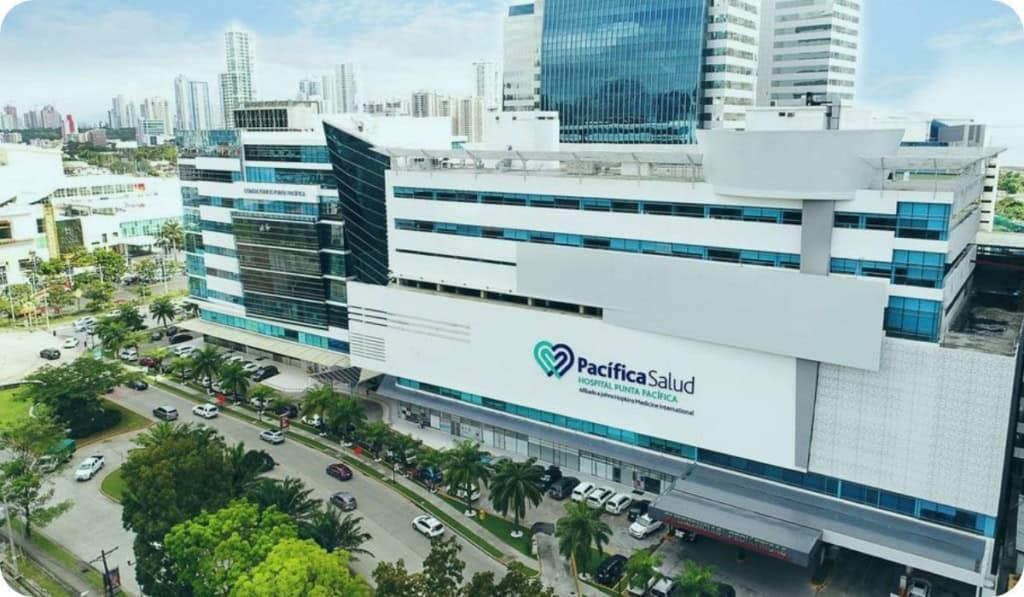
While public healthcare in Panama is generally good, and you can find English-speaking doctors in major cities, there are several limitations.
These include fairly basic facilities by global standards, especially outside of big cities, as well as long waits for some treatments.
Taking out good private health insurance in Panama means that you can access the best hospitals in the country, a wider range of doctors and treatments, and avoid excessive waiting times. This could be especially important if you live in a smaller town or village and need emergency treatment.
Notably, while private health insurance for retirees in Panama is more expensive than public healthcare access, it is still generally much more affordable than comparable coverage in countries such as the U.S.
If you’re weighing your options, our guide to health insurance for retirees abroad compares plan features, costs, and other factors that can help you choose suitable coverage.
Retire Abroad With Reliable Health Coverage
Get personalized international health insurance quotes designed for retirees who want long-term protection, access to private healthcare, and support navigating care abroad.
Taxes in Panama
Panama operates a territorial tax system, meaning that residents generally pay tax only on income earned within the country.
You are considered a tax resident in Panama if you live there for more than 183 days a year, or if you have significant economic or personal ties in the country. However, unlike in many nations, your worldwide income won’t be taxed.
If you retire to Panama and earn income there, for example, through part-time work or self-employment, you will be liable for income tax at a progressive rate up to a maximum of 25%. However, there is an annual tax-free threshold (currently $11,000).
For retirees on the Pensionado visa, foreign income such as Social Security, pensions, savings, and investments is not taxed in Panama. U.S. citizens will still need to file an annual return back home with the IRS.
Although double taxation is rarely an issue for Panamanian tax residents, as foreign income isn’t taxed, Panama has agreements with 17 countries, including the UK and France, to reduce Panama-source income being taxed twice.
The U.S. doesn’t have a formal tax treaty with Panama, but American citizens can use Foreign Tax Credits or the Foreign Earned Income Exclusion to prevent double taxation.
The Dirección General de Ingresos is the national tax agency in Panama. If you are unsure about your tax situation or the implications of relocating to Panama, speak to a tax professional with cross-border expertise.
Panama Inheritance Laws
Panama does not impose inheritance or estate taxes, and it does not have a strict forced heirship system, allowing individuals broad freedom to distribute their assets by will.
If a person dies without a will, their estate is distributed according to a legal hierarchy. Typically, children and the surviving spouse are the primary heirs, followed by parents and other ascendants if there are no children. More distant relatives inherit only if no closer heirs exist.

Ready to Retire in the Perfect Central American Haven?
Panama is perfect for those looking to retire to a warm, tropical climate and diverse, beautiful scenery at affordable prices.
If you have a good pension income, you can retire here with relative ease and take advantage of discounts on things such as healthcare, transport, and entertainment.
Whatever retirement lifestyle you wish to pursue, you’ll need careful planning. Considerations include choosing the right visa, planning your finances, and arranging proper healthcare coverage.
Be sure to do your research and get expert advice where necessary. This will help you make the most of your tropical retirement dream.
Start Your Retirement Abroad With Confidence
Your dream retirement overseas deserves a healthcare plan that fits your lifestyle, destination, and long-term needs. Compare personalized international health insurance quotes before you make the move.
Frequently Asked Questions
-
Yes, Panama is widely considered one of the best places for expats to retire. If you like a warm, tropical climate and a low cost of living, Panama could be the choice for you. The Pensionado visa allows global retirees to settle with relative ease, with several discounts on services and activities, and no tax on overseas income. However, the rainy seasons and humidity are not for everyone, while some may find the pace of life a bit too slow.
-
Yes. Panama is one of the safest countries in Central America. It is politically stable, good services, and lower violent crime rates than many of its neighbors. While crimes of violence do occur, and certain neighborhoods are best avoided, the main risk in most expat-populated areas is petty crime such as theft. It’s advisable to take precautions such as keeping valuable belongings secure and avoiding empty streets at night.
-
Panama is a lot cheaper than many western countries. Average monthly living costs are are $783 for a single person and $2,861 for a family of four. Things are slightly more expensive in major cities such as Panama City, but still much cheaper than in countries like the U.S. and the UK.
-
You can retire in Panama through the Pensionado visa program as long as you have a guaranteed lifetime pension of at least $1,000 per month, and you can live a reasonable lifestyle on around $1,500 to 2,000 per month. If you want to retire on an alternative visa, you will usually need at least $200,000 to invest in Panama or place in a local bank account.
-
Yes, Americans can retire through the Pensionado program if they have at least $1,000 per month income through Social Security or a government/private pension. Those without a qualifying pension can a Friendly Nations or Qualified Investor visa if they meet minimum savings income requirements.
-
Yes, you can receive your Social Security payments to a U.S. bank or, in many cases, directly into a Panamanian bank. As Panama uses U.S. dollars, you won’t need to worry about currency conversion, though some banks may charge transfer fees.
-
No, Panama has a territorial tax system, meaning that both tax residents and non-residents only pay tax on Panama-source income. There is no tax on foreign income, which includes U.S. Social Security benefits.
-
Foreigners employed in Panama and paying social security can access free or low-cost public healthcare. However, retired foreign residents usually have to pay out-of-pocket costs to use public services. Although those on Pensionado visas receive healthcare discounts, many opt instead for private health insurance in Panama, which costs more than public healthcare but is much cheaper than in countries like the U.S.
-
No, Panama does not accept Medicare. Americans living in Panama can use public healthcare facilities or take out private insurance to use private healthcare. However, many Americans living abroad keep Medicare Part A, as it’s free and provides coverage if they return to the U.S. It’s also possible to maintain Medicare Part B as a U.S. expat abroad, which can be useful if you make frequent trips back home, although the monthly premium rates apply.