
The Best Places to Retire in Mexico
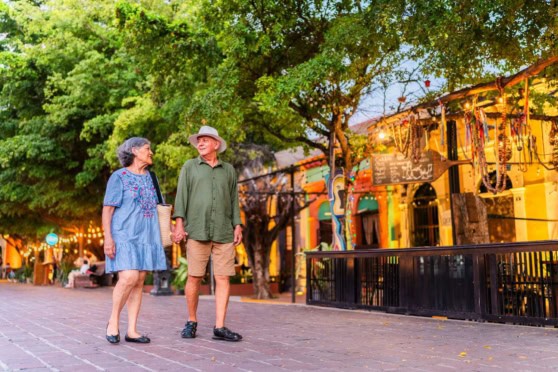
Enjoy Your Golden Years South of the Border
With a diverse range of lifestyles and landscapes, Mexico remains a top choice for foreign retirees. From the cool highlands of central and southern regions to the sunny beaches along the Pacific and Caribbean coasts, it offers rich culture, vibrant heritage, and excellent cuisine, with options to suit every budget.
If you’re considering spending your golden years there, this article highlights the best places to retire in Mexico, comparing cultural attractions, healthcare quality, living costs, and English-speaking communities.

Start Planning Your Healthcare Abroad
Before you retire in Mexico, explore international health insurance options that can help you access care and manage costs with confidence.
Is Mexico a Good Place to Retire?
Mexico remains one of the most popular retirement destinations in the world. It attracts expats from all corners of the globe with its warm climate, vibrant culture, and affordable cost of living.
As the largest Spanish-speaking country by population and the second-largest by area (behind Argentina), Mexico boasts incredible cultural and geographic diversity.
Those looking to retire in Mexico can choose from tropical beaches, cooler highlands, bustling cities, and tranquil towns, offering a lifestyle to suit nearly every preference.
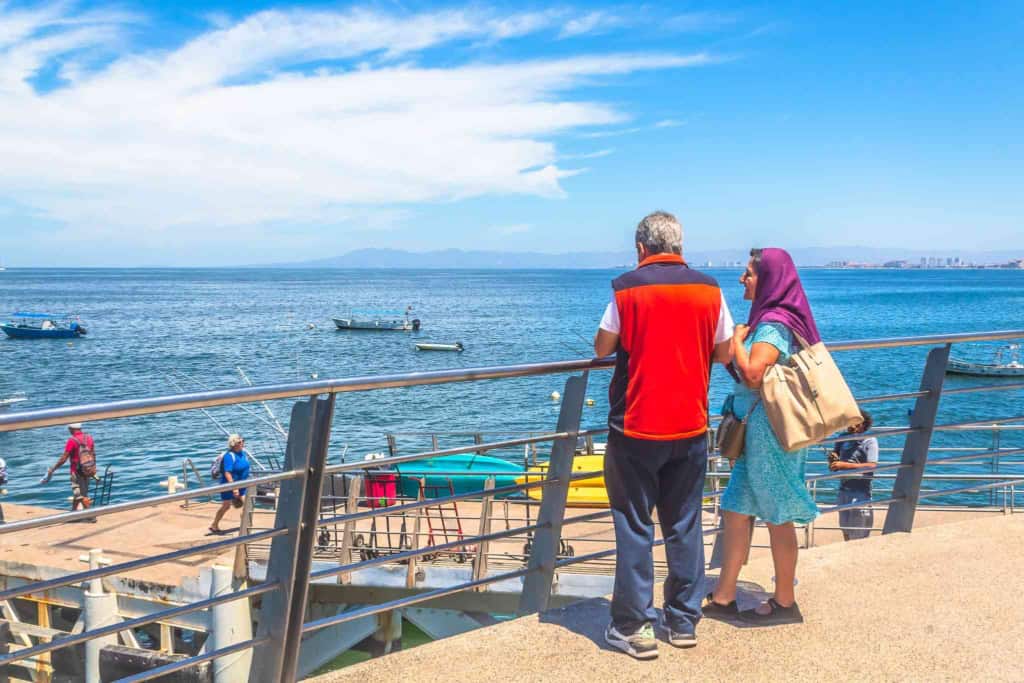
Retirees can choose from lively coastal cities like Puerto Vallarta and Playa del Carmen, charming colonial towns such as San Miguel de Allende and Mérida, or peaceful highland communities around Lake Chapala.
Many of these areas are home to welcoming English-speaking expat communities. This makes it easier to settle in, while locals are generally friendly.
Although English is widely spoken in popular hubs, learning Spanish can help with daily interactions and deeper community integration.
High-Quality Healthcare
Mexico’s healthcare system is another major advantage. Foreign retirees can enroll in the affordable public Instituto Mexicano del Seguro Social (IMSS) to access basic medical care.
They can also opt for private healthcare, which is widely available and typically 50–70% less expensive than in the United States.
Notably, most expats rely on private health insurance in Mexico to access higher-quality care. This is particularly the case in cities such as Mexico City, Guadalajara, and Mérida. Here, private facilities offer shorter wait times and English-speaking staff.
Affordable Cost of Living
Affordability is perhaps the biggest draw for retirees considering Mexico’s retirement communities. Foreigners often ask, “How much money do you need to retire in Mexico?” In general, the answer is less than in the United States.
While costs vary across the country, housing, food, transportation, and daily services are typically 40–50% lower than in the U.S., allowing retirees to enjoy a comfortable lifestyle on a modest budget.
Seniors can also apply for the INAPAM discount card, which offers up to 50% off transport, medical services, and hotels.
Safe and Welcoming Communities
Safety can be a concern in some areas due to issues around organized crime and trafficking. Indeed, Mexico ranks 135th out of 163 countries on the 2025 Global Peace Index.
However, many places in Mexico are considered safe and popular with expats. This includes the Yucatán Peninsula, Lake Chapala, and San Miguel de Allende.
With its combination of affordability, accessible healthcare, and welcoming communities, Mexico offers retirees the opportunity to enjoy a relaxed, fulfilling, and worry-free retirement abroad.
The Best Places to Retire in Mexico
With an array of regions, towns, and cities offering different experiences, there are many contenders for the best places to retire in Mexico.
When choosing where to settle, it’s important to consider budget, lifestyle, and safety. The locations listed below consistently attract foreign retirees seeking the ideal combination of comfort, culture, and community.
Lake Chapala and Ajijic
One of the best places to retire in Mexico for good weather is the region around Lake Chapala, specifically, Chapala and Ajijic. Temperatures here average between 68°F and 82°F throughout the year, and there’s plenty of sunshine.
The area is also home to one of Latin America’s largest expat communities and one of the biggest American retirement communities in Mexico. Networks like the Lake Chapala Society offer a great way to integrate.
Foreigners are drawn to Ajijic’s centro, the town’s lively downtown with cobblestone streets, shops, and cultural events.
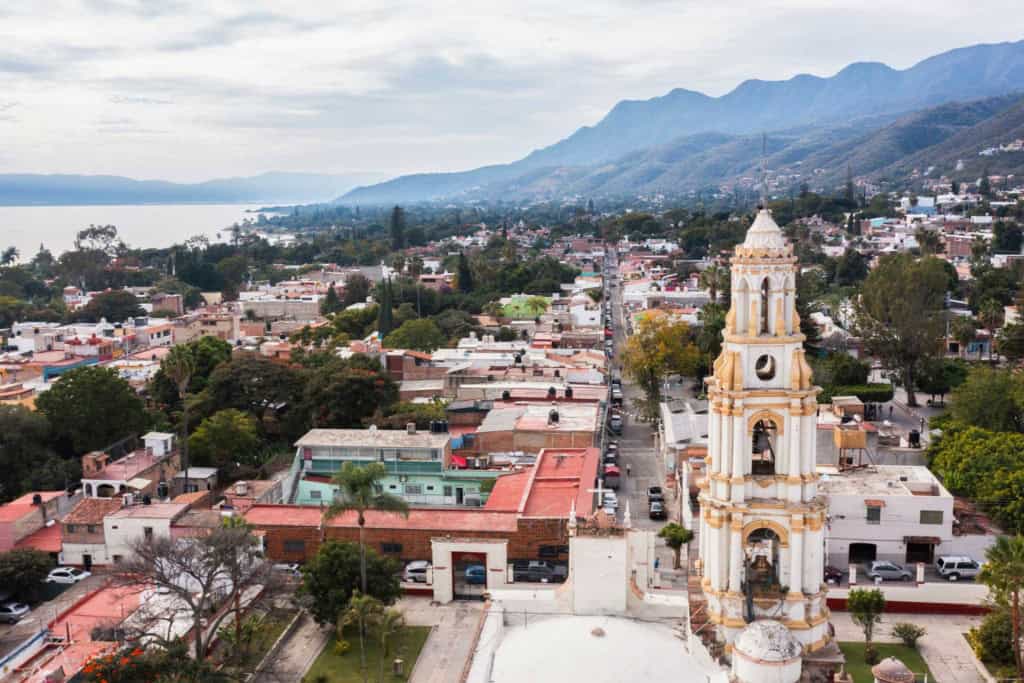
They also enjoy the Malecón (promenade) in Chapala and outdoor activities such as kayaking, fishing, and boating. There are also numerous restaurants, cafes, and art galleries to explore.
Healthcare is also accessible, with local clinics staffed by bilingual professionals and world-class hospitals nearby in Guadalajara, such as Hospital Real San Jose Valle Real.
A local bus network, along with inexpensive taxis and Ubers, makes getting around the region easy and convenient.
The towns around Lake Chapala are also very affordable. A centrally located one-bedroom apartment in Ajijic costs about $870 per month, and additional monthly expenses average about $1,000.
Mérida
Located on the Yucatán Peninsula, Mérida remains a top choice for expats considering where to retire in Mexico.
The culturally rich city offers a charming colonial setting that blends Mayan heritage with Spanish architecture.
Mérida is also considered one of Mexico’s safest cities. Crime rates are far lower than those in other areas of the country.
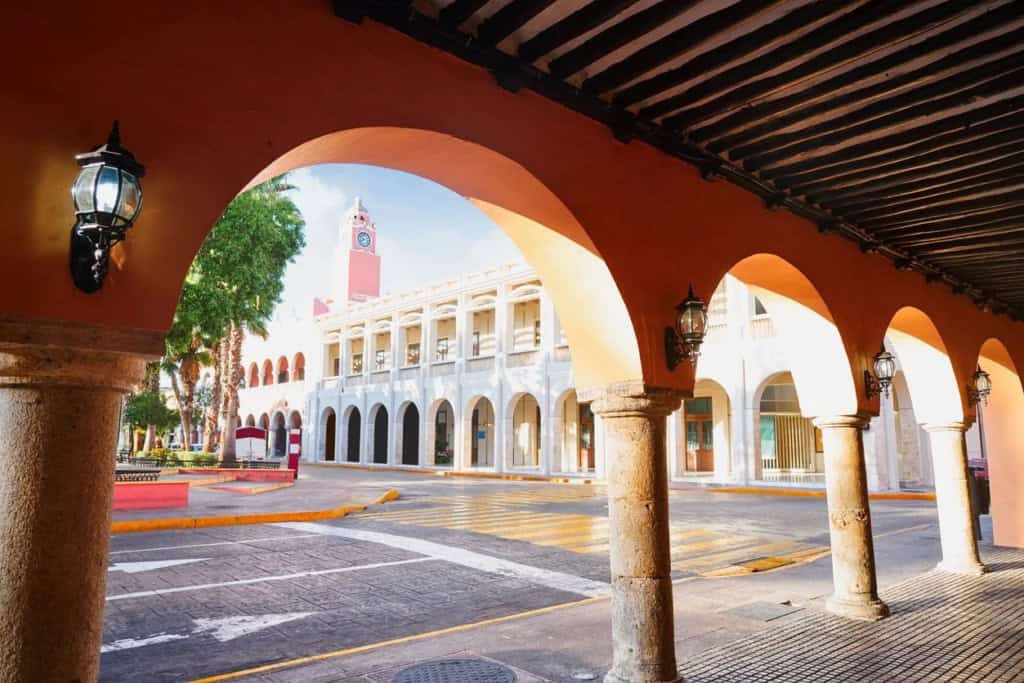
Many expats enjoy the iconic Paseo de Montejo boulevard, the historic Plaza Grande, the mural-filled Palacio de Gobierno, and the expansive Gran Museo del Mundo Maya.
The many nearby beaches and cenotes are also a major draw for those seeking outdoor recreation. Practicality is another highlight of Mérida, thanks to its excellent infrastructure.
The city has Manuel Crescencio Rejón International Airport and private hospitals such as Star Médica, making daily life and healthcare convenient for retirees.
For those wondering, “Can I retire in Mexico on $1,500 a month?”, the answer is yes – if it’s in Mérida. A one-bedroom apartment in the town center rents for about $580 per month. Additional monthly expenses also average around $680 for a single retiree.
Overall, living in Mérida is about 43% cheaper than in Savannah, Georgia, and rental prices are roughly 65% lower.
However, potential retirees should be aware that the city experiences extreme summer temperatures and high humidity, as well as busy tourist crowds.
Puerto Vallarta
Nestled between the Sierra Madre mountains and the Pacific Ocean, Puerto Vallarta is a vibrant coastal city known for its welcoming retirement communities.
The South Shore, in particular, is popular with English-speaking residents, making it easy for expats to feel at home
The city offers an appealing blend of traditional architectural charm and modern, high-end amenities.
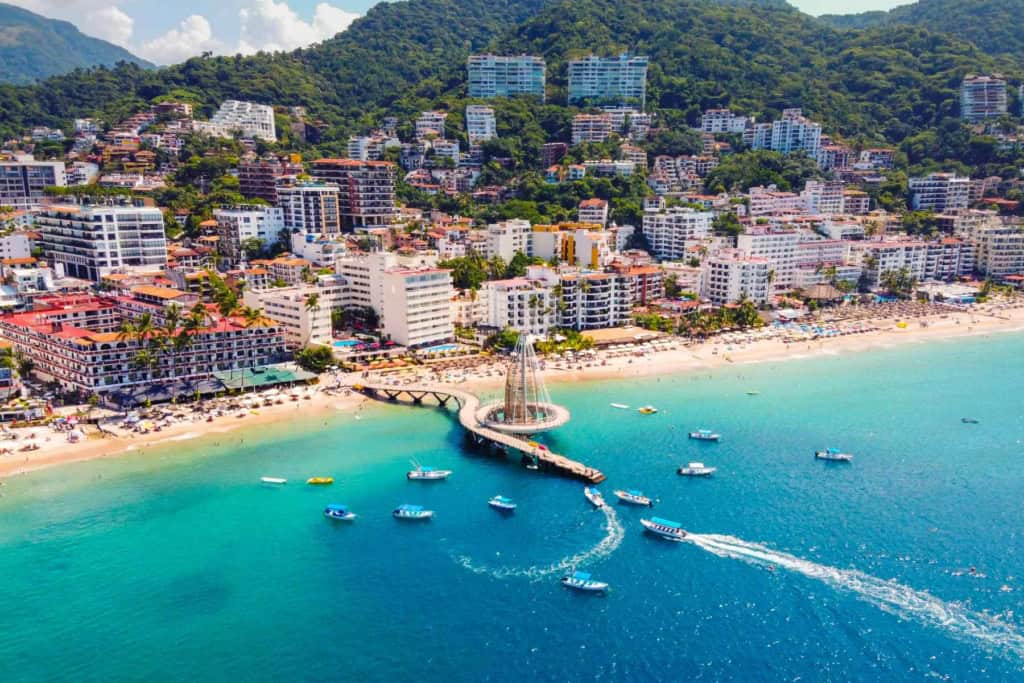
Residents also enjoy easy access to an international airport for global travel, a new light-rail link, and quality medical care at facilities such as Hospital CMQ Premier.
Many foreign retirees are drawn to Puerto Vallarta for its picturesque Malecón boardwalk, colorful art galleries in the Zona Romántica, and a variety of outdoor activities, from whale watching to championship golf.
Although Puerto Vallarta isn’t the cheapest destination due to its popularity, the cost of living is still about 30% lower than in the U.S. In fact, housing can cost up to half as much as in many American cities.
A single retiree can expect to budget around $830 per month for living expenses. Meanwhile, rentals in sought-after areas like Marina Vallarta and the Zona Romántica cost around $1,350 per month.
Potential residents should also be aware of the high humidity during the summer rainy season and the dense crowds that arrive when cruise ships dock.
Secure Coverage That Works for Your Retirement Abroad
Get matched with plans that provide access to private care, shorter wait times, and coverage that travels with you.
San Miguel de Allende
Often cited as one of the best places to retire in Mexico, San Miguel de Allende is a charming town that combines colonial elegance with a world-class arts scene, all within a UNESCO World Heritage Site.
Foreign retirees appreciate the comfortable climate and the large number of English-speaking residents in Mexico’s retirement communities.
The sophisticated lifestyle is also a major draw, with frequent gallery openings at notable institutions like Fabrica La Aurora, Arde Gallery, and Galeria Izamal, the stunning Parroquia de San Miguel Arcángel church, and a wealth of luxury wellness experiences.
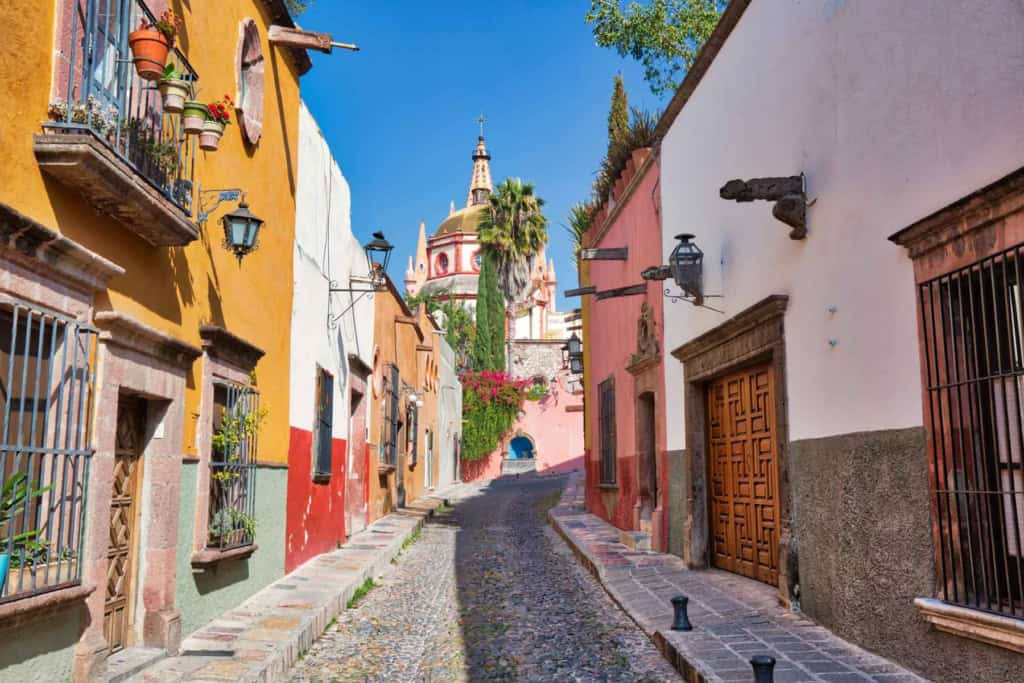
Retirees benefit from well-built infrastructure, including access to Querétaro and León airports. They can also access excellent medical care at specialized private clinics and MAC Hospital.
Affordability is another advantage. San Miguel de Allende offers a cost of living far lower than in many cities in North America and Europe.
A one-bedroom apartment in popular neighborhoods like Guadiana or El Centro Histórico rents for about $1,165 per month. Meanwhile, a single person would need approximately $800 per month for other living expenses.
One thing to keep in mind is that the city’s many historic cobblestone streets can be challenging for those with mobility issues. Large crowds and higher prices also appear during the city’s popular festivals.
Mazatlán
Many expats consider Mazatlán one of the best places to retire in Mexico on the beach. The historic port city offers an authentically Mexican feel.
The Centro Histórico and lively Plazuela Machado are particularly attractive to expats, thanks to a growing English-speaking community.
Residents enjoy the city’s lifestyle offerings, from high-culture events at the Ángela Peralta Theatre to relaxed beaches and championship golf at Estrella del Mar.
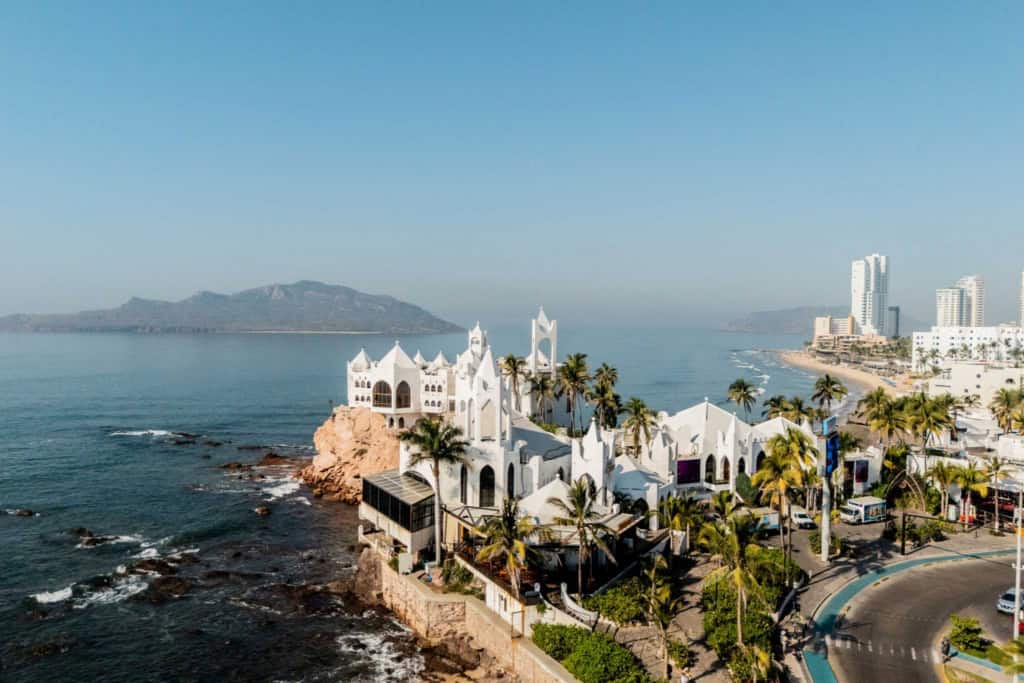
Mazatlán’s famous seaside boardwalk, the 21-kilometer Malecón, is perfect for walking, meeting friends, and enjoying stunning ocean views.
The city is well-connected, with a nearby international airport offering flights to destinations worldwide. Top-tier healthcare is also available at facilities like Sharp Hospital, ensuring quality medical care for retirees.
Mazatlán can be quite affordable, even in sought-after areas like Zona Dorada or Marina Mazatlán. A one-bedroom apartment in the city center rents for about $800 per month.
Meanwhile, a single person would need about $600-$700 per month for groceries, utilities, and other living expenses.
However, potential residents should be aware that Mazatlán can be very humid in the summer. Large crowds also arrive during the popular five-to-six-day Carnival celebration each year.
Some northern neighborhoods also have higher crime rates, so it’s important to choose your location carefully.
Querétaro
Querétaro is a favorite destination for expats looking to retire in Mexico. The city blends colonial heritage with modern amenities in a sophisticated, high-altitude setting in the heart of the country.
Foreigners are drawn to Querétaro for its low crime rates, temperate climate, and UNESCO-listed historic center.
Residents also enjoy the surrounding nature and culture, including Cerro de las Campanas National Park, the Museum of Art of Querétaro, the Sierra Gorda Biosphere Reserve, and nearby vineyards and cheese farms.
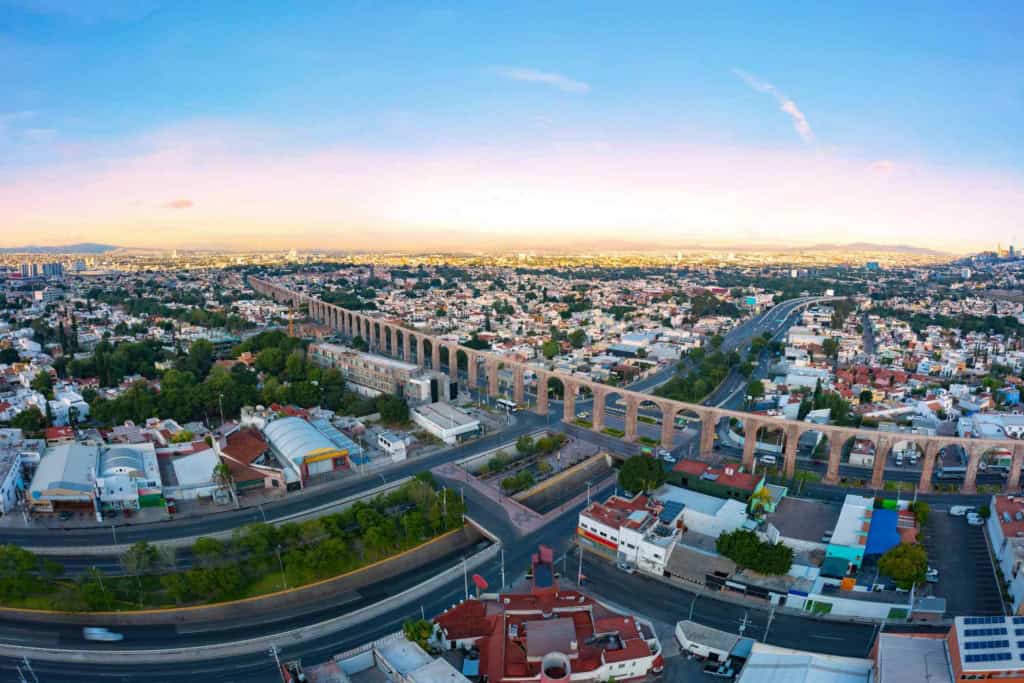
There’s also a vibrant expat community, making the city welcoming for new arrivals. Popular neighborhoods include Juriquilla, known for its golf courses and lakes, and Zibatá, prized for its modern design and walkability.
Querétaro Intercontinental Airport (QRO) offers direct flights to the U.S., making travel easy. World-class healthcare is also available at several medical centers, including Hospital Star Médica.
The cost of living is reasonably affordable. A one-bedroom apartment in the city center rents for about $850 per month. Additional monthly expenses typically total around $2,500.
However, potential retirees should note that traffic can be heavy due to the city’s rapid growth.
Huatulco
A coastal paradise in Oaxaca, Huatulco is gaining popularity thanks to its sustainable approach, 36 beaches, small-town charm, and modern infrastructure.
Retirees often settle in neighborhoods like the authentically Mexican La Crucecita, luxurious Tangolunda with its gated communities and golf courses, and convenient Chahué.
Residents enjoy Huatulco’s natural attractions, including Huatulco National Park, snorkeling at Playa La Entrega, and cool retreats in the Sierra Madre Mountains.
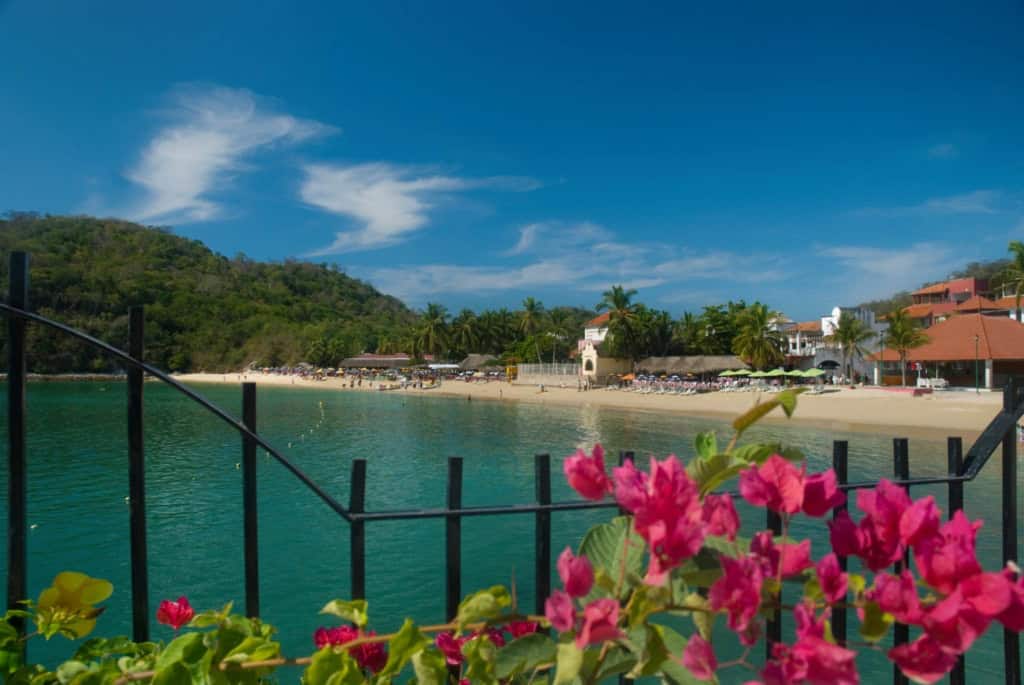
Huatulco also offers many conveniences. This includes an international airport with connections to the U.S. and Canada, the well-paved Coastal Highway 200, high-speed fiber-optic internet, and excellent private medical care at Oromed Hospital and Hospital San Miguel.
Huatulco is also one of Mexico’s more affordable coastal cities. A two-bedroom apartment in a central neighborhood typically rents for $500 to $700 per month. Additional expenses average around $1,500 per month.
However, potential retirees should note that tropical humidity can be intense, and specialist medical care may require trips to Oaxaca City or Mexico City.
Mexico City
Mexico City is often ranked among the best places to retire in Mexico. The country’s capital offers a cosmopolitan lifestyle at a lower cost than major cities in the U.S. and Europe.
Retirees enjoy its subtropical highland climate, with temperatures usually ranging between 72°F and 80°F.
Many gravitate to neighborhoods like Roma Norte, Condesa, and Polanco, where they can stroll the charming tree-lined streets and connect with expat communities.
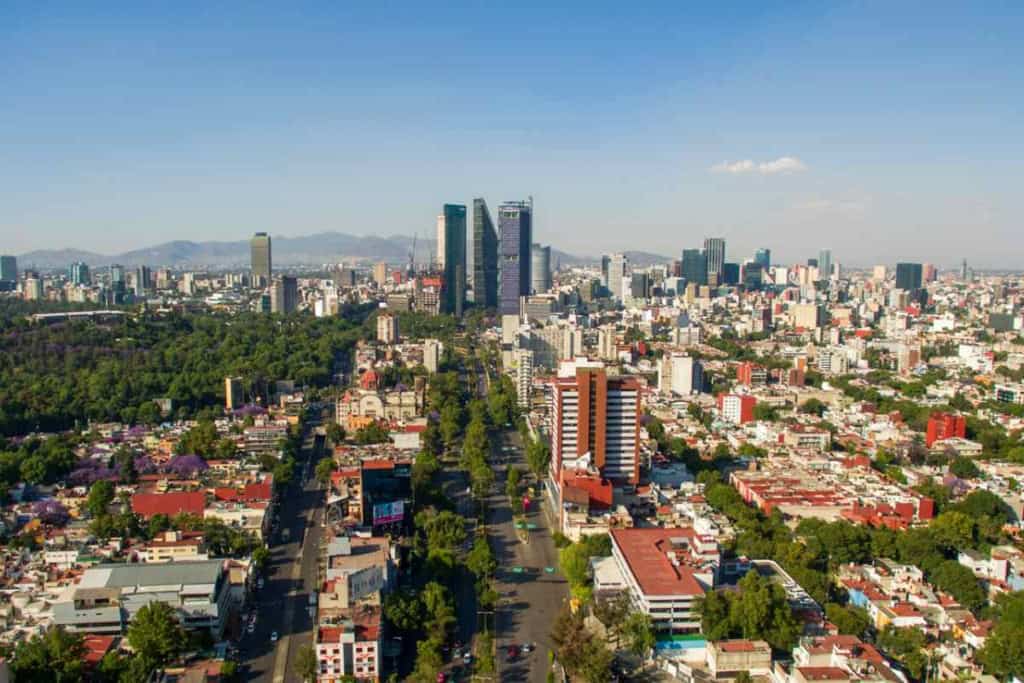
The city also offers a wealth of cultural attractions, including the National Museum of Anthropology, Palacio de Bellas Artes, and the Frida Kahlo Museum, as well as historical landmarks such as the Zócalo, Chapultepec Castle, and the Teotihuacan Pyramids.
Mexico City International Airport and the expansive metro and bus network make getting around easy. Meanwhile, world-class healthcare is available at private facilities like Médica Sur.
While Mexico City is one of the best places to retire in Mexico, it is more expensive than other destinations in the country. However, it is still affordable compared to other world capitals.
For instance, the cost of living is about 54% lower than in New York City, with rents approximately 73% lower. A one-bedroom apartment in a popular district rents for about $1,130 per month, with additional monthly expenses around $3,000 for a single retiree.
However, retirees should be aware that the city is at a high altitude and experiences heavy traffic. Some neighborhoods are also less safe, so it’s important to choose where you live carefully.
Morelia
Morelia is slowly gaining popularity as one of the best places to retire in Mexico. Foreigners are drawn to its UNESCO-listed colonial center for its Spanish Renaissance atmosphere and 17th- and 18th-century architecture rendered in pink stone.
Temperatures range from 40°F to 84°F year-round, making it comfortable to explore the city and its outdoor attractions.
Residents enjoy the cafés under the 18th-century aqueduct and the verdant Cuauhtémoc Forest. There are also cultural landmarks to discover, including the Baroque-style Morelia Cathedral and the picturesque Callejón del Romance.
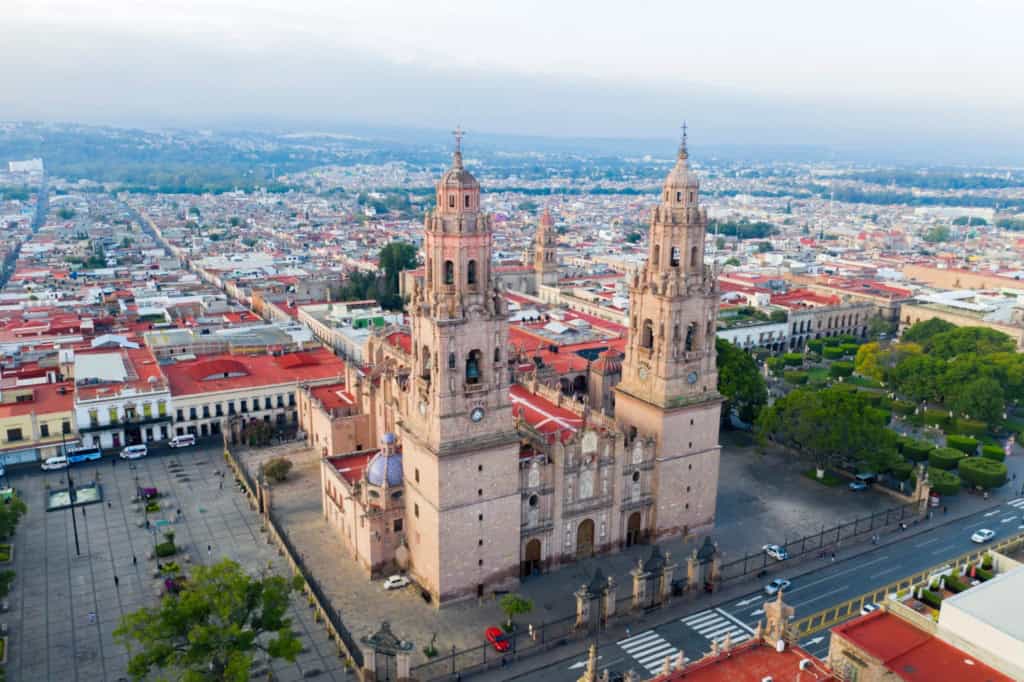
Additionally, residents can access direct flights to major American cities from the international airport and receive quality medical care at facilities like Hospital Memorial.
One thing to note is that English isn’t as widely spoken in Morelia as in other parts of Mexico. Therefore, learning some basic Spanish is helpful for daily life.
However, Morelia is exceptionally affordable. A one-bedroom apartment in the heart of Morelia rents for about $350 per month. Meanwhile, additional monthly expenses are around $2,500 for a single person.
Playa del Carmen
Playa del Carmen often comes up in discussions about where to retire in Mexico. The resort city blends beachfront Caribbean charm with modern infrastructure, attracting many foreign retirees.
Many expats choose to settle in Playacar, a gated community known for its golf course and upscale neighborhoods. However, others prefer condo-style living in Zazil-Ha or the bohemian, beachside vibe of Coco Beach.
Playa del Carmen enjoys a hot, humid climate year-round. Average temperatures range from 75°F to 90°F, making it ideal for outdoor living.
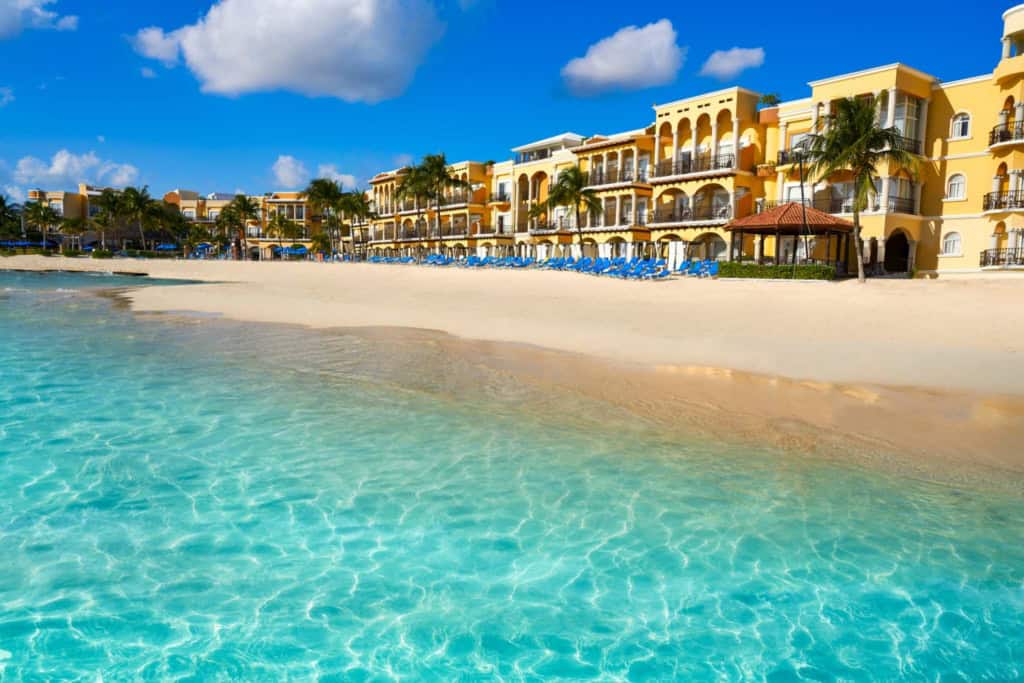
Residents have easy access to a wide range of attractions. This includes Quinta Avenida, a pedestrian street, beaches like Playa Mamitas and Parque Los Fundadores, and nearby cenotes and underground rivers.
Day trips to Cozumel for world-class diving and snorkeling are also popular, as are visits to nearby ruins such as Tulum.
The city’s strong infrastructure is another advantage. Retirees benefit from private medical facilities like Hospiten, convenient access to Cancún International Airport, and familiar retailers such as Costco and Walmart.
Despite its popularity, Playa del Carmen remains more affordable than many cities in the U.S. and Europe. On average, a one-bedroom apartment in the city center rents for around $1,036 per month. Meanwhile, additional monthly expenses typically range from $2,500 to $3,000 for a comfortable lifestyle.
How to Decide Where to Retire in Mexico
When considering the best places to retire in Mexico, your budget, lifestyle preferences, and personal needs all play a role.
The pace of life, cost of living, and daily experience can vary greatly across the country. Inland colonial cities are often more affordable and offer a more traditional lifestyle. Meanwhile, popular beachfront destinations tend to command higher rental prices.
You should also look into practical matters, such as local taxation, retirement benefits, such as the INAPAM senior discount card, and access to quality healthcare.
While retirees can use the public IMSS system, many opt for private insurance to access faster, higher-quality care and hospitals with English-speaking staff. Living near well-equipped hospitals or medical centers is an added advantage.
Transport can be a factor, too. Some retirees may want to live near an international airport for easy trips home. However, others might prefer a city with a good public transport network for local travel.
It’s also important to consider your lifestyle and community needs. For example, non-Spanish speakers may want to live within English-speaking retirement communities in Mexico. Food lovers, on the other hand, may prefer a city with a vibrant culinary scene.
Climate preferences should also influence your choice, as temperatures, rainfall, and humidity vary widely between inland and coastal regions.
Finally, it’s essential to consider the nuances of local culture and language, or, given regional differences in safety, choose the safest place to retire in Mexico.
Weighing up all of these considerations will help you decide on the best places to retire in Mexico and enjoy your golden years in comfort, safety, and peace of mind.
Ready to Start Your Next Chapter in Mexico?
Get personalized international health insurance quotes and retire abroad with confidence.
✔ Personalized quotes • ✔ Expert guidance • ✔ No obligation