
Retiring in Malaysia

How to Spend Your Golden Years in Tropical Southeast Asia
Located in Southeast Asia along the South China Sea, Malaysia offers beautiful weather, a diverse culture, modern amenities, and a welcoming environment that make it a desirable retirement destination for expats. This article explains all you need to know if you want to retire in Malaysia, including getting a visa, living costs, healthcare, and the best places to live, to help you pursue your retirement dream in the sun.

Find Coverage That Works for Your Retirement Abroad
Healthcare access in Malaysia can vary. Compare international health insurance plans designed to support your lifestyle, budget, and long-term needs.
Retiring in Malaysia: Pros and Cons
Spending your retirement in Malaysia can be very appealing, especially if you’re looking for an affordable cost of living, warm weather, and a relaxed lifestyle.
However, it’s not perfect for everyone. Here is a breakdown of the key advantages and disadvantages.
The Pros of Retiring in Malaysia
Here are some of the main reasons why Malaysia has become a popular retirement destination for expats from across the globe.
Tropical Climate
The warm, tropical weather is one of Malaysia’s most attractive features. As the country is close to the equator, temperatures are relatively consistent year-round.
Great news if you’re not a fan of chilly winters! Daily temperatures average 81–84°F (27–29°C), with daytime highs often reaching 86–91°F (30–33°C), and there are around 7 hours of sunshine per day.
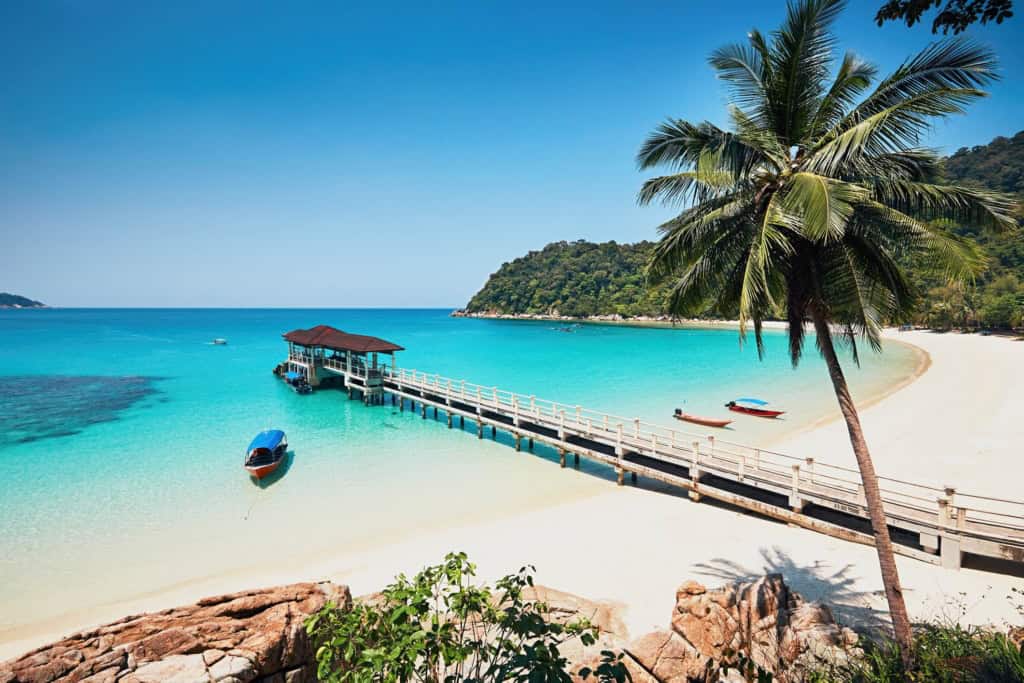
Expats can make the most of this weather and enjoy plenty of natural scenery, including beaches, mountains, and rainforests.
There are also opportunities for pursuits such as climbing, diving, and snorkeling for those who want to stay active.
Large Expat Community
Malaysia has attracted foreign retirees for several decades. It has around 3.38 million foreign-born residents, just under 10% of the population.
English is one of the most commonly spoken languages, and the country ranks 24th out of 123 nations on the 2025 English Proficiency Index (EPI). There are sizeable English-speaking communities in Kuala Lumpur, Penang, and Langkawi.
Cultural Diversity
Malaysia is a multicultural country shaped by Malay, Chinese, and Indian communities, as well as by centuries of European trade, influence, and immigration.
This diversity is evident in its mix of languages, religions (Islam, Buddhism, Hinduism, Christianity), and rich culinary traditions.
Festivals such as Hari Raya, Chinese New Year, and Deepavali are celebrated throughout the year, highlighting the country’s vibrant cultural life.
From dynamic cities like Kuala Lumpur to quiet beach towns and everything in between, Malaysia offers a wide range of experiences and famously warm, welcoming locals.
Great Cuisine
Malaysia’s cultural diversity has given rise to a rich culinary scene – an aromatic fusion of its Malay, Chinese, and Indian influences. The country ranks 29th in the world for cuisine in the 2025/26 Taste Atlas Awards.
Popular dishes include roti canai (flatbread), kari ayam (chicken curry), and Laksa (spicy noodle soup).

There is a thriving street food scene, particularly in larger cities, where you can try a wide range of specialties for just a few dollars while soaking up the local vibes.
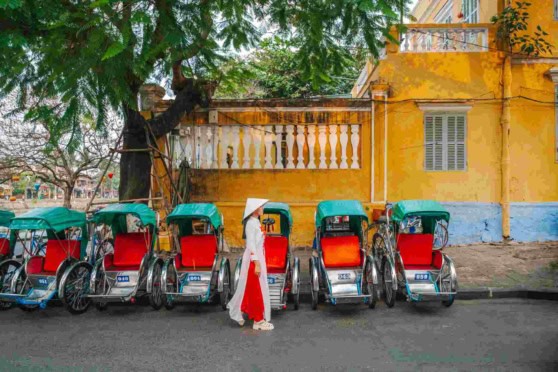
Living Abroad
Low Living Costs
A big bonus for retirees looking to get good value for money is that Malaysia is much cheaper than the US or Western Europe.
Housing, transport, and groceries are all very affordable by Western standards, and it’s possible to eat out regularly without breaking the bank.
Lower costs don’t necessarily mean sacrificing quality. Malaysia offers high-standard services and amenities, including world-class private healthcare.
Modern condominiums often include amenities such as pools and gyms at relatively modest prices. An added bonus for expat retirees is that there is usually no tax on foreign pension income.
The Cons of Retiring in Malaysia
Although there are plenty of positives to retiring in Malaysia, it’s important to bear in mind some of the downsides, too.
Distant Geographic Location
As a Southeast Asian nation located between Thailand and Indonesia, Malaysia is geographically distant from the US and Europe.
Those relocating from these regions will be far from their home countries and families. Receiving visitors and making trips back home can involve long, and sometimes costly, flights.
However, our tips can help you save money and find more affordable international airline tickets.
Limited Services Outside Major Cities
Cities such as Kuala Lumpur and Penang are well served by public transport networks and private medical services, but options are a bit more limited in smaller towns and rural areas.
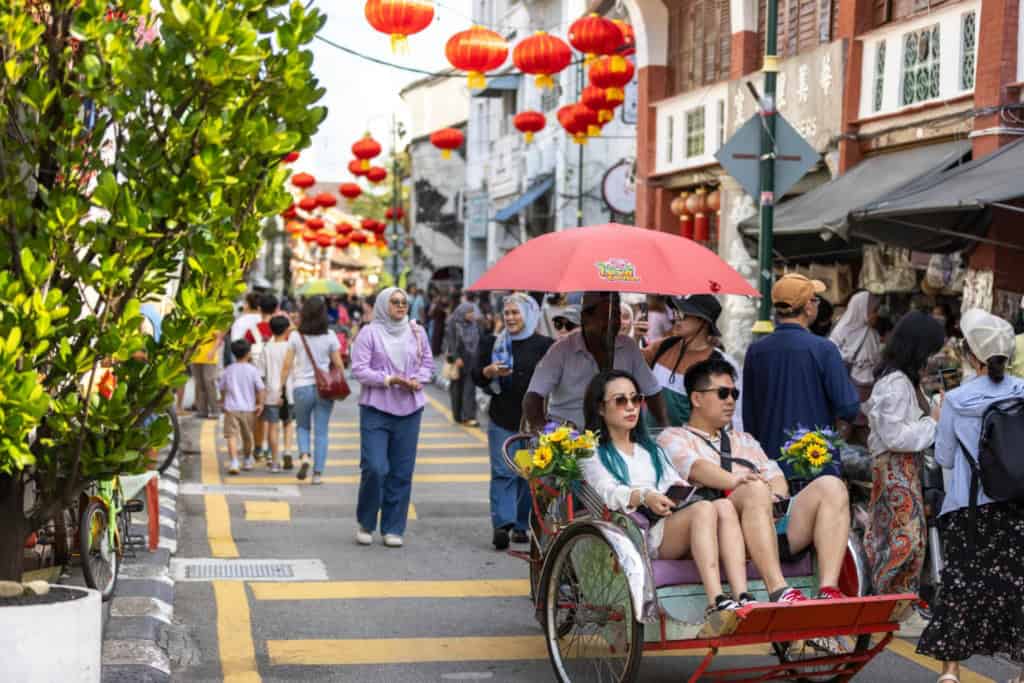
If you don’t live in one of the busier areas, you will probably need a car to get around, and you may want to consider private health insurance to ensure quick access to doctors and hospitals.
Expensive Relocation Costs
Malaysia has a retirement visa to attract expats. However, its financial requirements can be high.
Applicants typically need to meet substantial monthly income thresholds (typically several thousand dollars per month) through pensions or savings, or alternatively deposit a significant lump sum into a Malaysian bank account.
Planning Your Retirement Budget?
Compare international health insurance plans that help protect you from unexpected medical costs in Malaysia.
Monsoon Seasons
Malaysia’s weather and climate are warm and consistent. However, there is one element to be aware of that not all expats will want to endure – monsoons.
There are two monsoon seasons: the Northeast Monsoon (November to March) and the Southwest Monsoon (May to September).
If you want to avoid these frequent heavy showers, you may have to plan your vacations – either within or outside of the country – accordingly.
Another challenge during monsoon periods is increased humidity, which can make conditions more uncomfortable for expats. Finding air-conditioned accommodation is one way to cope with this.
Legal and Cultural Differences
Malaysia is a Muslim-majority country with a mix of civil and religious laws. While cities such as Kuala Lumpur and Penang are more tolerant and liberal in practice, visitors should be aware of certain cultural and legal norms.
For example, homosexuality is still illegal and can carry penalties of up to 20 years imprisonment. Alcohol is legal for non-Muslims and widely available in major cities, but availability and social attitudes can vary in more conservative areas.
Retirement Visas for Malaysia
If you want to relocate to Malaysia, you will need a long-term visa. There are generally two visa options for retirees:
- Malaysia My Second Home (MM2H) visa – a long-term stay program for financially self-sufficient individuals
- Premium Visa Program (PVIP) – a long-term residency scheme aimed at higher-income individuals seeking greater flexibility
MM2H Visa
The MM2H program has been in place since 2002 and remains the most widely used option for retirees.
In recent years, the scheme has undergone several revisions. Some newer frameworks use different tiers (such as Silver, Gold, and Platinum), but the structure, requirements, and availability of these tiers may vary by program version and are subject to change.

In general, MM2H requires applicants to demonstrate financial independence and meet conditions such as:
- Maintaining a fixed deposit in a Malaysian bank (amounts vary depending on the scheme and applicant profile)
- Holding valid health insurance
- Completing a basic medical check
- Meeting minimum income or asset requirements
Applicants can usually include dependents such as a spouse and children, and gain access to local healthcare and education services.
MM2H is primarily designed for long-term residence rather than employment. In most cases, visa holders are not permitted to work, although limited exceptions or approvals may apply under certain conditions.
There are also state-level versions of the program (for example, in Sarawak), which have their own requirements and may differ from the federal scheme.
Importantly, MM2H does not provide a direct pathway to permanent residence or citizenship.
Premium Visa Program (PVIP)
The PVIP, introduced in 2022, is a long-term residency option aimed at higher-income individuals. It typically offers a long validity period (up to 20 years, with the option to renew) and provides greater flexibility than MM2H.
While requirements may evolve, the program generally includes:
- Proof of substantial and stable monthly income
- A significant fixed deposit in Malaysia
- Standard health and background checks
Compared to MM2H, PVIP may offer greater flexibility for business or professional activities, though applicants must still comply with Malaysian immigration and employment regulations.
Unlike MM2H, PVIP is not specifically designed as a retirement visa, but it may be considered by retirees who meet the higher financial thresholds and want fewer restrictions.
You need to apply for these visas through a licensed agent. Fees, requirements, and processing times may vary. Read more information on the Immigration Department of Malaysia website.
How to Retire in Malaysia
Here are the main steps to follow if you want to retire in Malaysia:
- Step 1: Choose the appropriate visa: Most retirees apply for the MM2H visa.
- Step 2: Open a local bank account: You’ll need to place your fixed deposit in a Malaysian bank account.
- Step 3: Arrange your accommodation: This will probably be short-term rental accommodation initially, but bear in mind that MM2H visas require you to purchase property in Malaysia (usually after the first year of residency).
- Step 4: Take out health insurance: Most expat retirees in Malaysia use private health insurance to access medical care. MM2H and PVIP visa holders can access public healthcare without registering, but private facilities offer quicker treatment and are considered superior.
- Step 5: Sort out your tax residency: Malaysia taxes residents and non-residents differently, which can affect foreign income, such as pensions. You should contact the tax office and speak to a qualified tax professional if necessary.
- Step 6: Draw on your deposit: MM2H visa holders can access funds from their fixed deposit after 12 months, for purposes such as property purchase and medical treatment.
- Step 7: Renew your residency: This could be after 5, 10, 15, or 20 years, depending on your visa.
Housing in Malaysia
There are no restrictions on foreigners owning property in Malaysia. In fact, most MM2H visas stipulate that you must buy real estate to a minimum value. Expat retirees can choose whether to buy or rent when relocating to Malaysia.
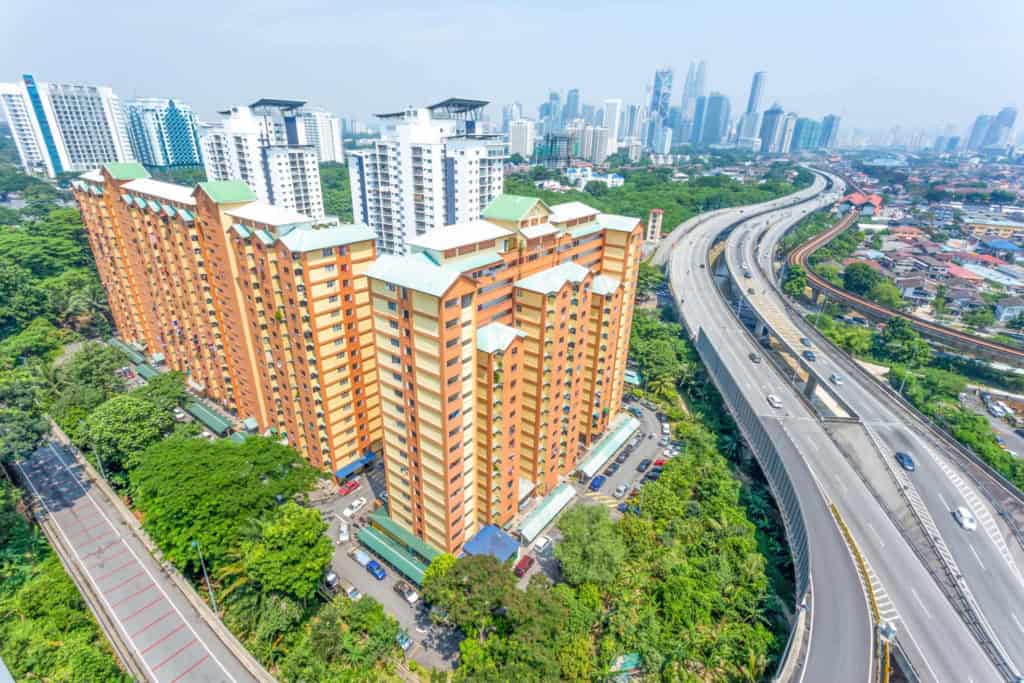
Here are some example property prices for 2026:
- National average: MYR 494,384 ($121,560)
- National average: high-rise apartment: MYR 375,421 ($92,309)
- National average: Semi-detached house: MYR 757,617 ($186,284)
- Kuala Lumpur (overall average): MYR 804,642 ($197,847)
- Selangor: MYR 553,196 ($136,021)
- Sarawak: MYR 540,884 ($132,993)
- Melaka: MYR 250,311 ($61,547)
- Perlis: MYR 246,254 ($60,549)
When you buy a Malaysian property, you will usually have to pay a deposit/down payment – typically around 10% of the asking price.
Other costs you’ll need to budget for are stamp duty, legal fees, and mortgage fees (if you take one out).
If you rent in Malaysia, the average 2026 monthly rents (according to Numbeo) are:
- National: $403 (one-bed city center apartment); $709 (3-bed city center apartment)
- Kuala Lumpur: $646 (one-bed city center apartment); $1,243 (3-bed city center apartment)
- Langkawi: $309 (one-bed city center apartment); $375 (3-bed city center apartment)
- Penang: $427 (one-bed city center apartment); $592 (3-bed city center apartment)
- Petaling Jaya: $512 (one-bed city center apartment); $900 (3-bed city center apartment)
- Sarawak: $445 (one-bed city center apartment); $692 (3-bed city center apartment)
Most rentals in Malaysia require one month’s rent upfront, plus a security deposit equal to two months’ rent. You may also be asked to pay a deposit to cover utility bills if they are included in the rental costs.
Cost of Retiring in Malaysia
In Malaysia, the cost of living is much lower than in many Western countries. Overall costs are 58.8% cheaper than in the US.
According to the Household Expenditure Survey Report 2024, households spent an average of MYR5,566 (approx. $1,383) per month.
2026 Numbeo data shows that monthly living costs (excluding rent) are $537 for a single person and $1,958 for a family of four.
Costs (excluding rent) for selected cities include:
- Kuala Lumpur: $604 (single); $2,207 (family)
- Penang: $519 (single); $1,906 (family)
- Petaling Jaya: $520 (single); $1,918 (family)
Day-to-Day Living Costs
Here is a breakdown of the overall average cost of living in Malaysia:
- Housing: $150–1,250 (monthly rent)
- Utilities: $32–86 a month
- Internet and mobile phone: $30–52 a month
- Monthly public travel pass: $12–25
- Basket of groceries (milk, bread, eggs, bananas, potatoes): $4.50–12.00
- Monthly gym membership: $17–60
- Meal for two at a mid-range restaurant: $15–50
Healthcare in Malaysia
Malaysia’s healthcare system consists of tax-funded universal public healthcare for all legal residents, alongside private medical care typically covered by private insurance.
The country ranks 42nd worldwide for healthcare on the Legatum Prosperity Index 2023. The heavily subsidized public system provides very low-cost care, especially for citizens, although legal residents can also access services at higher fees.
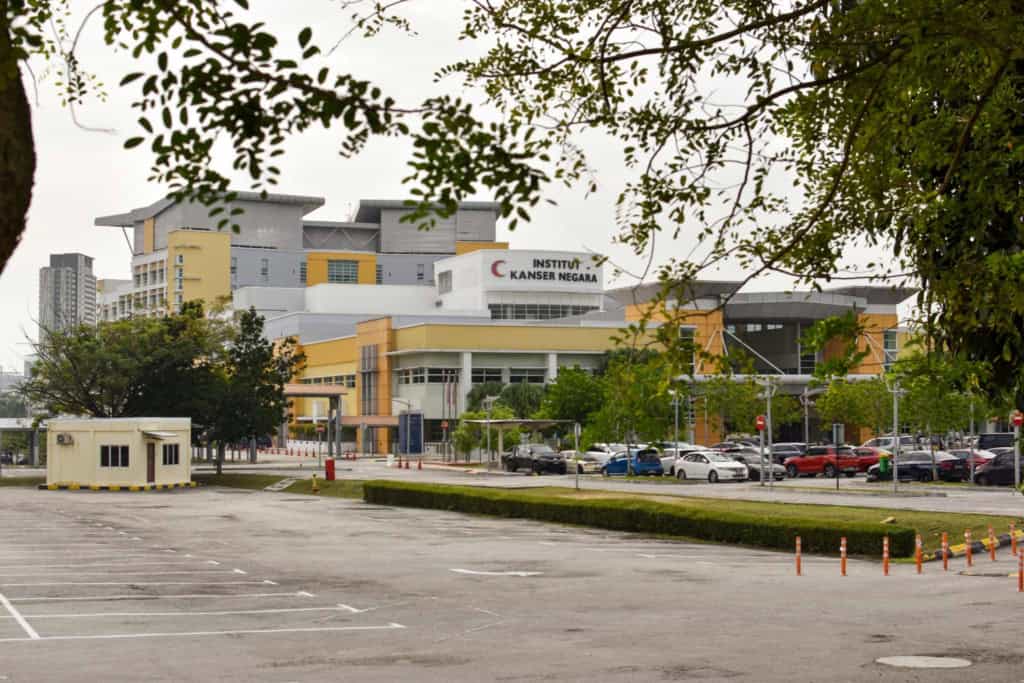
While quality is generally high, services can be limited outside major cities, and waiting times may be long. Some care, such as dental, vision, and mental healthcare, also has limited public coverage.
Although expats retiring on a visa can access public healthcare, many take out private health insurance in Malaysia. This means access to private hospitals in Malaysia, shorter waiting times, and a wider choice of doctors, including English-speaking practitioners.
Retirees should also consider how age, medical history, and long-term needs can affect their coverage. Our guide to health insurance for retirees abroad explains these considerations in more detail.
Explore Private Health Insurance Options
Explore plans that work alongside the local healthcare system and provide long-term protection while living abroad.

Taxes in Malaysia
Malaysia has a progressive income tax system with a top rate of 30% on income above MYR 2 million (approx. $500,000). You are generally considered a tax resident if you spend more than half of the year (182 days) in the country.
Non-residents in Malaysia pay a flat 30% rate on Malaysian-source income. Malaysia operates a territorial tax system, meaning that tax residents are generally taxed only on income sourced within Malaysia.
Foreign-sourced income received by individuals is currently exempt from tax under rules in place until 31 December 2026, although this may change. As a result, expat retirees typically do not pay tax on foreign pensions or Social Security benefits.
Malaysia has double tax agreements and treaties with over 70 countries worldwide, including the US and the UK. This prevents residents from being taxed twice on the same income.
Inheritance Laws in Malaysia
Malaysia has two systems of inheritance law. Muslims are subject to Islamic (Faraid) law, which prescribes fixed shares for eligible heirs.
Non-Muslims are governed by civil law, primarily the Distribution Act 1958, which sets out how estates are divided if there is no will.
Under civil law, the distribution depends on the surviving family members. For example, where a spouse, children, and parents all survive, the estate typically divides as 1/4 to the spouse, 1/2 to the children (shared equally), and 1/4 to the parents.

For foreign residents, immovable property in Malaysia is generally governed by Malaysian law, while movable property is usually governed by the law of the deceased’s domicile.
Malaysia does not impose inheritance or estate taxes. However, estate planning can be complex, particularly for cross-border situations, so it is advisable to consult a qualified legal or financial professional.

Life Insurance
The Best Places to Retire in Malaysia
From pulsating cities to quiet coastal resorts, Malaysia has something for all types of retirees. Here is a selection of great places to consider.
Kuala Lumpur
Malaysia’s capital is as colorful and dynamic as you might imagine. As with many major cities, residents benefit from top-class facilities and infrastructure, a vibrant international culture, and a strong expats community.
There is much to do and plenty to see here. From the bustling Jalan Alor night street food market, and the busy shopping malls and entertainment districts, to cultural and natural wonders such as the Batu Caves and the Forest Eco Park.
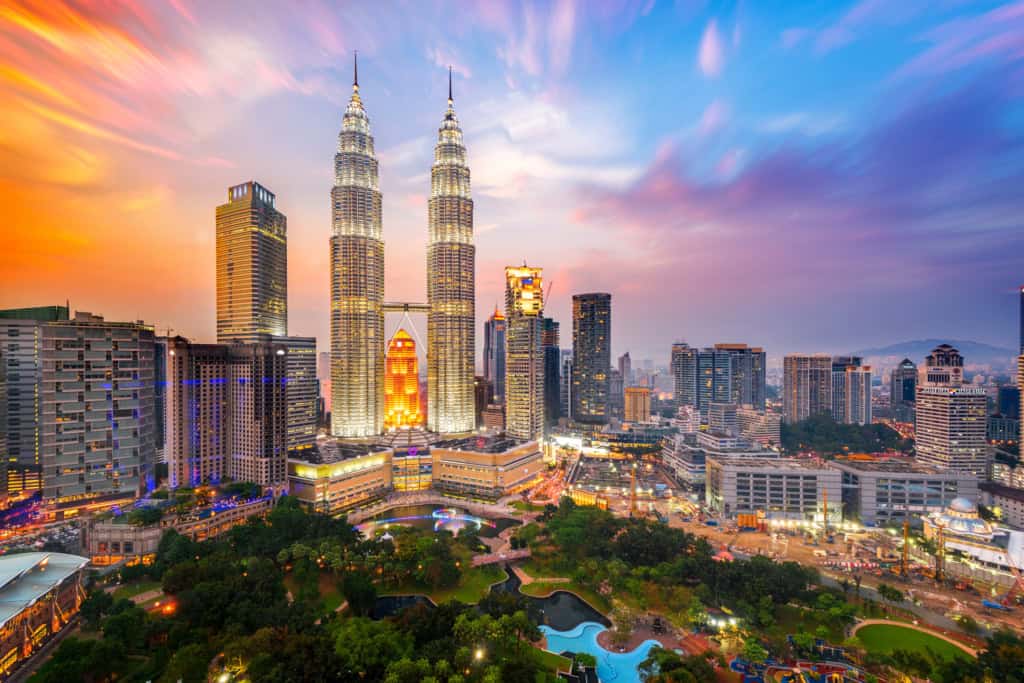
Kuala Lumpur offers metropolitan living at a much lower cost than many global cities. It’s great for active urban retirees, although it may be a bit fast-paced and congested for those seeking the quiet life.
Penang
Penang is a Malaysian island-state popular with expats and known for its food scene, beautiful beaches, and historic charm.
Its capital, George Town, is a UNESCO-listed cultural hub that mixes modern comforts with colonial heritage. It’s cheaper than Kuala Lumpur, offers good-value housing, and has excellent healthcare facilities.
You can visit heritage sites such as Khoo Kongsi and Cheong Fatt Tze Mansion, and enjoy the generally slower pace of coastal life. However, it’s becoming increasingly popular, and property prices are rising in some areas.
Ipoh
Ipoh is the capital of Perak state. Once home to a booming tin mining industry, it is today known for its quiet, charming atmosphere that appeals to many expats.
It’s more affordable than the likes of Kuala Lumpur and George Town, while still maintaining good public facilities and an excellent food scene.
Retirees wanting a slower pace of life will enjoy the surrounding nature, including cave temples and glorious limestone hills.
Popular attractions include the Han Chin Pet Soo Museum, showcasing the city’s tin mining history. One of the biggest downsides is the limited public transport, which makes car use more important.
Johor
Johor is a southern Malaysian state bordering Singapore. It mixes urban convenience with coastal living.
Although it is primarily a hub for working professionals, many expat retirees are drawn to the area due to its strong infrastructure and easy access to Singapore.
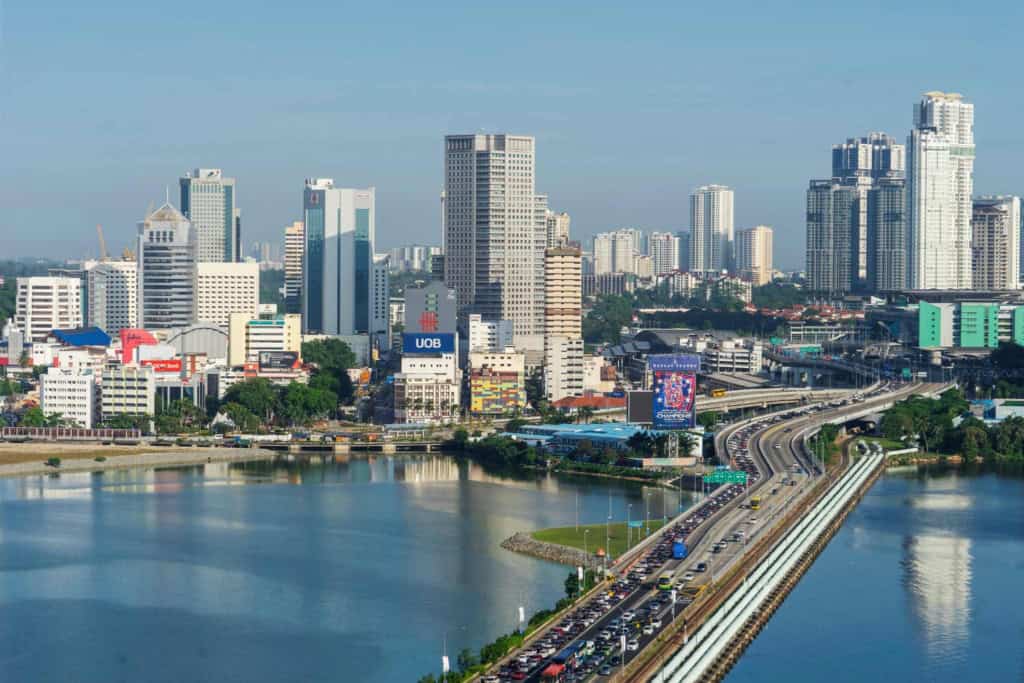
One of the big advantages of living in Johor is the variety of lifestyles on offer. You can choose between city living, suburban developments, or quieter coastal areas like Desaru.
There are many family attractions, such as LEGOLAND, which is great for family visits involving kids. However, it may be a bit too geared toward younger professionals for those looking to wind things down in later years.
Kuching
Located on the island of Borneo, Kuching is a place to consider for expat retirees seeking an affordable destination with plenty of natural beauty, a multicultural heritage, and a welcoming, diverse community.
Residents can enjoy scenic riverside walks along the waterfront, national parks teeming with wildlife, and recreation such as hiking, golf, yoga, and kayaking.
There are fewer expats here, although English is still widely spoken. Nightlife entertainment is more limited than in bigger cities, and it’s farther from the US and Europe (flights home are longer and more costly), but there is still plenty to do and see, including the annual Rainforest World Music Festival.
Kota Kinabalu
Another expat-friendly city on Borneo, Kota Kinabalu is a coastal resort very popular with nature lovers. In addition to beaches, jungles, and national parks, there is also the iconic Mount Kinabalu for hikers.
The area is also great for water activities such as snorkeling and diving, while retirees looking for something less strenuous can enjoy boat trips from the city waterfront.
However, it can get particularly humid here, and public transport and healthcare provisions are not quite at the level of major cities.
Langkawi
One of Malaysia’s most scenic destinations, Langkawi is a tropical archipelago of 99 islands off the country’s northwest coast.
One of its biggest attractions is its duty-free status, meaning that alcohol and many other goods are particularly cheap.
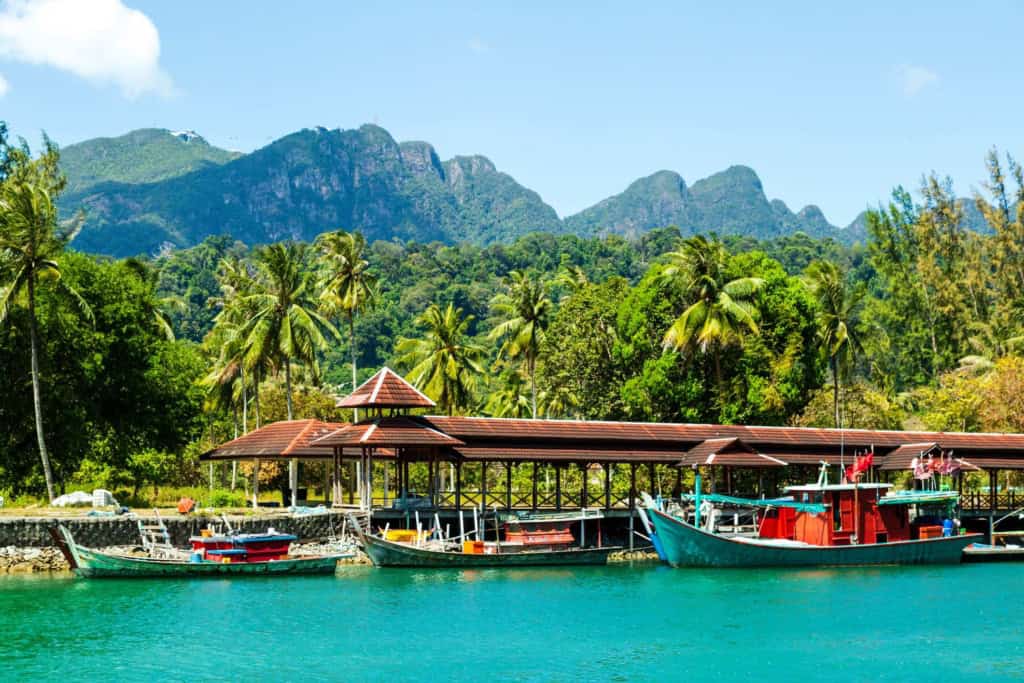
The lifestyle here is relaxed and beach-focused, making it popular for retirement. Negative aspects include fewer facilities and services, as well as fewer cultural and entertainment opportunities than in places like Kuala Lumpur and Penang.
Malacca
Malacca, or Melaka, is a historic coastal city on Malaysia’s southwest peninsula. It’s much smaller than the country’s larger cities but attracts many tourists due to its UNESCO designation for its cultural and historical heritage.
The city is perfect for expats looking for a small-town vibe, as you can walk to most places in the historic center, and the area is pedestrian-friendly. It’s also close to Kuala Lumpur (2–3 hours travel) for travel links.
Cameron Highlands
Located at about 1,500 meters above sea level, the Cameron Highlands are ideal for expats who favor cooler climates.
They are well-known for lush greenery and agricultural landscapes, including forests, mountains, and tea plantations.
This may suit retirees in activities such as fruit picking and birdwatching, although there is an inevitable trade-off with infrastructure. Healthcare and public transport facilities are not as developed here.
Ready to Make Your Golden Years Shine in the Tropics?
Malaysia is a great retirement destination for those seeking warm weather, beautiful scenery, cultural diversity, and wonderful food at affordable prices. The country has a number of appealing locations, from vibrant cities to quiet coastal towns.
Whatever you are seeking, you will need to carefully plan your overseas retirement. There is much to consider, including choosing the right visa, planning your finances, and arranging adequate healthcare coverage.
Make sure you do your research and get professional guidance when necessary. This will help to ensure that your sunset years in the tropics are a dream come true.
Frequently Asked Questions
-
Yes, Malaysia is a very appealing place to retire for expats due to factors such as warm, tropical weather, low living costs, vibrant and diverse culture, good healthcare facilities, and a high number of English speakers. However, the humidity and rainy seasons may not be for everyone, and retirement visas typically require substantial savings.
-
Overall, Malaysia is considered a safe place to live. Violent crime rates are low, even in large cities such as Kuala Lumpur. However, as in most countries, there are common risks such as theft and scams. Expats should take precautions such as keeping valuable belongings secure and avoiding empty streets at night.
-
General living costs in Malaysia are much cheaper than in most Western countries. Average monthly living costs are are $537 for a single person and $1,958 for a family of four. Things are slightly more expensive in major cities such as Kuala Lumpur, but still much cheaper than in countries like the US and UK.
-
Due to the lower living costs, you can retire in Malaysia and live a reasonable lifestyle on as little as $1,000 to 1,500 a month. Luxury living may cost around $3,000+ a month. However, visas to retire in Malaysia usually require a minimum of savings. These typically start at around $150,000, plus you will need to commit to a property purchase of at least around $600,000.
-
Yes, Americans can retire in Malaysia, and many do. However, you will usually need to apply for a visa, such as the MM2H visa.
-
Yes, the US government allows Social Security payments to be sent to Malaysia. All you will need is a US bank account that you can access in Malaysia, or a Malaysian bank account that accepts international payments from the US. This may involve currency conversion charges. Another option is to open a multi-currency account with a bank or alternative provider, which can save money on exchange rates.
-
No, Malaysia generally doesn’t tax foreign-sourced income, even for those who qualify as tax residents. This means that foreign pensions and US Social Security benefits are tax-free.
-
Malaysian healthcare is not completely free for everyone. Public healthcare is heavily subsidized and low-cost, with citizens paying lower rates than foreign residents. However, fees are much lower for everyone than they are in many countries, including the US. Expats can choose to take out private health insurance in Malaysia to cover the costs of both public and private healthcare.
-
No, Malaysia does not accept Medicare. Americans living in Malaysia can use public healthcare facilities or take out private insurance to use private healthcare. However, many Americans living abroad keep Medicare Part A, as it’s free and provides coverage if they return to the US. It’s also possible to maintain Medicare Part B as a US expat abroad, which can be useful if you make frequent trips back home, although the monthly premium rates apply.