
Living in Milan as an Expat

Living in Milan offers much more than just fashion. While the city is renowned as one of the world’s fashion capitals, its prosperous economy also makes it a thriving global financial center.
Located in Lombardy, Italy’s leading commercial region, Milan is home to major industries, including textiles, retail, and manufacturing. It’s also safe, walkable, and offers top-notch public transportation, making it an ideal choice for foreigners looking to put down roots. This article covers all the essential information you need to know to settle in this historic European city.
Get Covered Before You Move to Italy
Compare international health insurance plans designed for expats living in Italy. Get personalized quotes based on your move, budget, and coverage needs.
How Much Does it Cost to Live in Milan?
Immigrants who come to Milan will have different opinions about the city’s affordability, depending on the country or region they come from.
Milan is more expensive than most cities in this Mediterranean nation, but that’s mostly because it offers a higher quality of life for residents.
The cost of living in Milan will also depend on how close you are to the heart of the city. Some of the most popular historical attractions among tourists (such as the famous Duomo di Milano) are located in the city center.
As you move outward to the city’s suburbs, you’ll find residential homes and local businesses. This region of Milan isn’t as densely populated as its more commercial counterpart and tends to be more affordable as a result.
As of 2023, you can expect to pay around 1,250 euros a month to rent a one-person studio. It’s common to find private rooms for 720 euros a month and full-size apartments for 1,800 euros.
Groceries for one person average closer to 300 euros a month. In Milan, food and essential goods cost 4.5% more on average than they do in Rome, and 6.5% more than in Florence.
Many residents rely on Milan’s excellent public transportation system, where the metro and buses can get you almost everywhere you need to go for around 40 euros a month. Taxis and rideshares will cost you a little more, starting at 7 euros (increasing by about 2 euros per kilometer).
Overall, the average cost of living for a single person in Milan is approximately 1,030 euros before rent. The estimated cost of living for a family of four in Milan is closer to 3,912 euros before rent.
Does Milan Have a Strong Job Market?
Milan has a population of 3.1 million people and an estimated GDP per capita of 39,300 euros, making it one of the wealthiest cities in Italy.
Its strong economy and job market cover several industries. Of its 1.5 million working residents, 23.9% are in the professional and business service industries, 19.73% are in trade and transportation, and 3.8% are in merchant wholesaling.
Immigrants and foreigners can also find job opportunities in the tourism and hospitality sectors. In general, finding work will often require expats to speak Italian.

Many English-speaking expats and other immigrants who are not fluent in Italian have found jobs with multinational corporations and international teams, such as in finance and banking, marketing, economics, hotels and hospitality, and the fashion industry.
As of December 2023, the current unemployment rate in Milan is 2.2% – another sign of the city’s promising job market.
Italy’s nationwide unemployment rate is on the decline, lower than that of other European countries such as Spain and Greece.

The Best Neighborhoods in Milan
With a safety index of 71.3, Milan has been ranked the safest city in Italy to live in. Affordability and accommodations depend on your proximity to Milan’s city center.
When choosing a neighborhood, foreigners should consider factors such as public transport, affordability, and safety. If they are immigrating to Milan with a family, they will also want to consider school ratings and family friendliness.
Here are some of the top neighborhoods where expats should consider renting or purchasing property in Milan.
Isola
Located in the business district, Isola is ideal for creatives, digital nomads, and young families. This neighborhood is easily accessible via the metro and is rich with supermarkets, shops, and an eclectic mix of vintage and high-end boutiques.
Its proximity to the banking district and affordable rent make Isola a popular neighborhood for locals, but it’s also a popular expat community because the Milan International School has a branch there.
Citta Studi
Citta Studi is a popular neighborhood for younger expats and university students. This area is full of activity, and thanks to its global schools and large expat community, you’ll fit right in, regardless of your nationality.
The variety of parks, foodie-friendly restaurants, libraries, and cafes makes it a top spot for those with small children, and because of the large student population, public transportation is abundant.
In addition to universities like Politecnico di Milano and Università Statale di Milano, many primary and secondary schools are available. You’ll also be centrally located to the Neurological Institute Carlo Besta and the National Cancer Institute.
Brera
This wealthy area attracts mostly young professionals and couples. Brera is perfect for anyone who wants a quieter neighborhood while still being close to the fast-paced action of Milan’s city center.
This charming cobblestone neighborhood has no shortage of character. Its walkable streets and lush green spaces are why the neighborhood has become home to a large expats community. Here, art galleries and local markets are central to everyday life.
One of the largest hospitals in Milan, Ospedale Fatebenefratelli e Oftalmico, is in Brera, and there are several schools in the area.
To travel within Brera, it’s common to own a bicycle or use a bike-sharing service. There are also bus and tram lines connecting the neighborhood to the city center and other key destinations in Milan.
Navigli
This community is characterized by its coworking options, collaborative nature, and modern buildings.
Perfect for young professionals and locals, the Navigli district has a lively atmosphere that makes it a popular hotspot for socializing and enjoying Italian nightlife.
Canals and cobblestone streets are flanked by trendy and hip shops, cafes, and clubs. Residents have easy access to the subway, buses, trams, and taxis.
Neighborhoods to Avoid
While many neighborhoods in Milan are safe for foreigners to live in, be aware that some areas may have higher crime rates.
Quarto Oggiaro, San Siro, and Corvetto, for example, are known to have a higher incidence of drug-related and petty crimes.

Healthcare Coverage While Living in Milan
Italy’s healthcare system is consistently ranked among the world’s best. Immigrants can access Italy’s universal healthcare system by registering with the National Healthcare Service.
Urgent and essential services are provided to anyone, including foreigners, but it’s recommended that expats purchase a private international health insurance plan.
Even though Italy’s healthcare services are high-quality, not all medical services and treatments are covered by the universal healthcare system. Private health insurance in Italy can help.
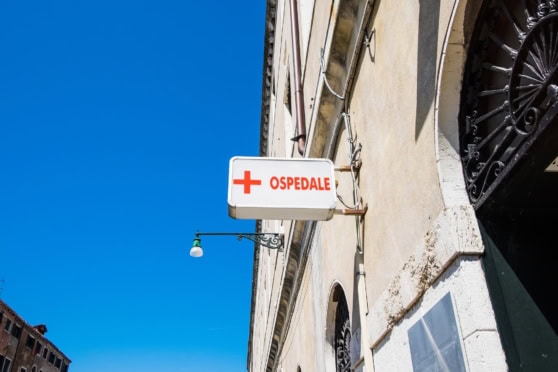
Furthermore, some public medical facilities in Italy are prone to lengthy wait times, anywhere from a few weeks to a few months. International citizens with private health insurance are more likely to avoid long wait times.
Access Private Healthcare in Italy
Many new residents of Milan, Italy choose private health insurance to reduce wait times and gain faster access to specialists and private hospitals.
Applying for a Visa to Live in Milan
If you’re a citizen of the European Union (EU), the government makes it relatively easy to immigrate to Italy.
EU citizens, as well as citizens of Switzerland and countries in the European Economic Area (EEA), don’t need a visa to live, work, or study in Italy.
If they plan to stay longer than three months, all they need to do is register their place of residence with the local Italian municipality.
Non-EU citizens (including British citizens from the United Kingdom who were not legal residents of Italy prior to January 1, 2021) must still apply for a visa to live, work, or study in Italy.
In addition to a visa, they will also need to secure a residence permit to stay long-term. Immigrants must apply for a residence permit within eight days of their arrival in the country.
Speaking Italian and Learning the Culture
Milan is a major city with many English speakers. Nevertheless, English is not a widely spoken language in Italy. Expats should try to learn the language and familiarize themselves with the local culture and lifestyle.
If you’re a foreigner planning to work in Milan for an Italian employer, you will need to speak some Italian or be fluent. There are limited English-speaking jobs available.
Immigrants will naturally pick up on the country’s cultures and customs over time, but the more you can learn before you move, the easier your transition to Milan will be.
For example, Italians often eat dinner late, usually after 8 p.m. As you make new friends and develop relationships with coworkers, they may ask you to join them for an aperitivo (pre-dinner drink) between 6 and 8 p.m.
It’s also standard behavior for Italians to greet one another with a light kiss on each cheek.
Ready to Live the Cosmopolitan Life?
The cosmopolitan city of Milan is an exciting place to be an expat. This is especially true for foreigners who adore fashion or aspire to work in the fashion industry.
Milan’s strong economy, low unemployment, and endless cultural offerings are but a few of the reasons why so many foreigners prefer it to other international cities.
Although there are plenty of other Italian cities to choose from, the Milanese job market and overall quality of life make it one of the most attractive options for immigrants.
Ready to Start Your New Life in Milan?
Compare international health insurance plans that provide access to private healthcare, English-speaking doctors, and long-term coverage while living abroad.