
Living in Italy as an Expat
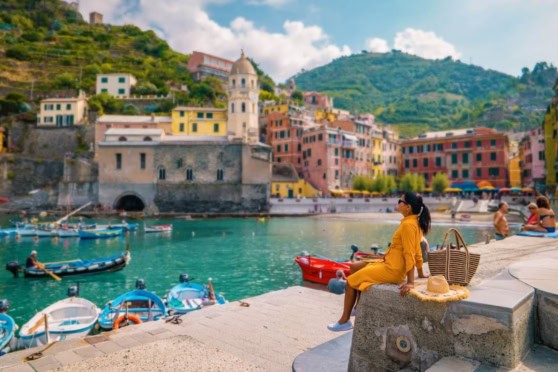
The Pros and Cons of the La Dolce Vita Lifestyle
Italy may seem like a fine choice for expats who aspire to a life in the sun-drenched Mediterranean. But there are many pros and cons to living in Italy. While it’s fun to think of relocating to Venice or the charming regions of Tuscany or Sicily, life in this beautiful country is more than wine and pasta – although Italian cuisine alone may seem like reason enough to move. If you’re considering relocating, this article outlines the pros and cons of living in Italy, so you know what to expect before making the move.

Get Covered Before You Move to Italy
Compare international health insurance plans designed for expats living in Italy. Get personalized quotes based on your move, budget, and coverage needs.
The Pros of Living in Italy
Whether it’s the climate, the history, or the slower pace of life that attracts you, there are plenty of reasons to make this country your home.
But beyond the more obvious pros of living the Italian lifestyle, the country is a great choice for expats in many ways.
Here are four key benefits of making a long-term move to an Italian city or town.
1. The Citizenship Process is Flexible
There are several ways to move to Italy for either an extended or permanent stay. If you have Italian ancestry, you may even qualify for dual citizenship.
Dual citizenship allows you to live and work, like any other Italian citizen, while retaining ties to your original nation of citizenship.
If you don’t have Italian lineage, you can still apply for a residence visa and become a citizen after ten years of living in the country. Citizens of the European Union (EU) can qualify for citizenship after living in Italy for only four years.
Visas and Residence Permits
If you’re an EU citizen, you’ll find it easier to move to and work in Italy. Citizens of the EU, the European Economic Area (EEA), and Switzerland have the right to move freely within Italy for up to three months.
If you intend to stay for longer than three months, you must register your place of residency with the local municipality. You do not need a work visa to seek or maintain employment in the Italian job market.
Expats who are from countries outside of Europe must apply for one of the following long-stay visas in order to live in the country for longer than 90 days:
- A work visa, completed by your job sponsor and tied to the terms of your employment
- A study visa tied to your university and academic goals
- A family visa, joining you with a family member who has already obtained a right of residency in Italy
- A freelancer visa, for self-employed people(such as digital nomads)
- An elective residence visa (also called the retirement visa) for those who meet the income requirements to live in Italy without a job
In addition to securing the proper visa, non-EU nationals will need to apply for a temporary Italian Residence Permit. This document is required no matter what type of visa you use to enter the country.
The Process of Applying for an Italian Residence Permit
A temporary residence permit is a legal document that grants non-EU citizens permission to live in Italy for more than 90 days. You must apply for this permit within 8 days of your arrival in Italy.
You will need to bring your long-stay visa to the local police station and complete a declaration of residence. There, you’ll have your fingerprints taken.
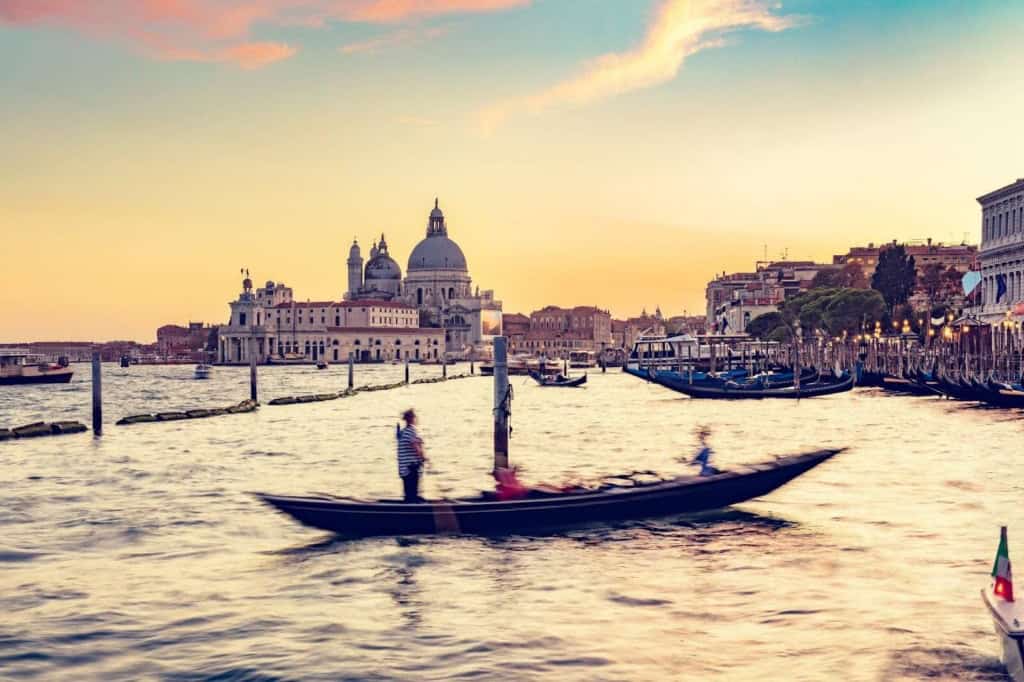
Next, a quick trip to the post office will get you “the kit,” the paperwork you must submit to receive an official appointment at the police station for your temporary residence permit. This may be set anywhere from 60 days to six months after your kit is submitted.
2. The Cost of Living is Lower Than in Many Countries
Depending on where you’re coming from, Italy may be more affordable than your home country.
On average, the cost of living in Italy is about 20% lower than in the United States or Canada. As of February 2024, a family of four can live in Italy for 2,989.6 euros (excluding rent), and a single person’s living costs about 856.0 euros before rent.
Your rental expenses will vary depending on the city or type of home you live in. Major cities like Rome or Florence will be pricier than small towns or lesser-known Italian cities. Overall, the average rent is about half that in the U.S.
Italy’s financial and legal systems can differ significantly from those of other countries. Be sure to work with an international accountant or financial advisor to maximize your tax savings and get your bank accounts in order.
This is especially true for U.S. citizens, who are still required to file a U.S. federal tax return while living and working abroad.
3. The Education System is Strong
If you have a family, moving to a country with a great primary education system may be one of your highest priorities.
The good news is that Italy’s education system is strong, and your children will have access to its free, high-quality public schools.

Public schools teach students in Italian. If you want your child to be educated in your home language or avoid a language barrier, look for a private or international school that meets that goal.
Otherwise, Italian public schools tend to offer courses in English, French, Spanish, and German as secondary languages. Recently, some schools have added Russian, Arabic, and Chinese.
Italy’s public and private education systems are divided into five levels:
- Preschool (ages 3-6, optional)
- Primary school (ages 6-11, mandatory)
- Lower secondary school (ages 11-14, mandatory)
- Upper secondary school (ages 14-19, mandatory through age 16)
- University
You can choose between public and private elementary and high schools for your children. Unlike many other countries, Italy’s public school system is often on par with, or even better than, private schools.
4. Italy’s Culture and Lifestyle are World-Renowned
No matter where in Italy you move, one thing is certain: its food, culture, arts, nightlife, and rich history are among the best in the world.
Expats can use the country’s impressive public transport system or drive the winding roads in search of thrilling day trips. Roman ruins, Renaissance artworks, and peaceful rural areas are all within easy reach.
The country is also home to several UNESCO World Heritage Sites. If your aim is to avoid living in a tourist destination, look for smaller towns and cities like Bologna or Trento. No matter where you live, you’ll find yourself immersed in Italian culture.
The Cons of Living in Italy
Expats who plan to move to Italy will enjoy a number of benefits, but should be aware of a few disadvantages as well.
1. Limits on University Education
Italy’s publicly funded primary education system tends to welcome those who don’t yet speak Italian. However, this is not always the case at the university level.
For one, non-Italian citizens will pay more for university living expenses. Italian universities don’t provide dormitories, so students live in small, shared apartments nearby with other students or with their families. Since most universities are located in or near major cities, students may face a high cost of living.
Universities in Italy are also notorious for their rigorous curricula. College doesn’t revolve around sports teams, fraternities, or sororities as it does in American universities. Italian university life is strictly academic.
2. Italy Doesn’t Have a Comprehensive Public Healthcare System
If you’re an expat who moves to Italy from an EU member country, your European Health Insurance Card gives you instant access to Italy’s national healthcare program, the Servizio Sanitario Nazionale (SSN). Non-EU immigrants can access the public healthcare system once they become legal residents.
To obtain a residency permit in Italy, visa holders must provide proof of coverage under a private insurance plan. This is the case despite the country’s public healthcare system.
According to the World Health Organization, Italy’s national healthcare program is among the best in the world, second only to France’s. But that doesn’t mean it’s easy to navigate the red tape to access Italy’s government amenities.
The Italian constitution entitles everyone to urgent and emergency care at public hospitals. Urgent and emergency care, however, does not include routine checkups and preventative care.
Should you use the government system for non-urgent appointments, you’ll likely find that healthcare in some parts of Italy is subject to lengthy wait times and different standards of privacy and comfort.
To ensure you have access to the best possible care while also being able to provide proof of healthcare insurance for your residency permit, it’s recommended that you obtain a private international health insurance plan before you move to Italy.
Learn more about health insurance in Italy for expats and foreigners.
Get Private Health Coverage Before You Move to Italy
Compare international health insurance plans for expats in Italy and find coverage that meets residency permit requirements, provides access to private hospitals, and helps you avoid long wait times for care.
3. Italy is Known for its Heavy Pollution
Italy’s natural beauty has given it some of the world’s most breathtaking vistas, but it’s also one of Europe’s most polluted countries.
The Po Valley region of Italy, in particular, frequently fails to meet EU air quality guidelines. The causes of this pollution include agricultural and industrial waste, as well as car exhaust fumes.
While the Po Valley may be known for its pollution and grime, the metropolitan hubs of Milan, Naples, and Turin have more smog than is considered healthy.
The popular tourist destination of Venice has also been in the news for years, as its air quality continues to decline and experts search for solutions.
Ready to Embrace the Dolce Vita?
Italy offers an abundance of opportunities for expats, and with a little preparation, you can enjoy all that the country has to offer. From stunning landscapes to rich culture, living in Italy is a dream come true for many.
While there may be some downsides, expats who are curious about moving there have plenty of reasons to start packing their bags.
Of course, it’s best to plan how you’ll obtain a visa, a residency permit, and proof of health insurance before you make an official move.
Should you decide that the pros of living in Italy outweigh the cons – or if you plan to move abroad to any other country, start planning today by taking a look at the best health insurance plans for international citizens.
Find the Right Health Insurance for Italy
Get personalized international health insurance quotes tailored to your move to Italy. Compare plans that offer faster access to care, private medical coverage, and financial protection abroad.