
The Best Places to Retire in Italy

Find Your Perfect Italian Retirement Spot
Italy is a dream destination for many retirees, offering everything from exciting cities to charming coastal towns and peaceful rural villages. Whether you’re looking for culture, reliable public services, good value for money, or a quiet, scenic retreat, there’s something to suit every lifestyle.
Here is a selection of the best places to retire in Italy, covering key factors such as local amenities, healthcare access, cost of living, and overall quality of life.

Start Planning Your Healthcare Abroad
Before you retire in Italy, explore international health insurance options that can help you access care and manage costs with confidence.
Is Italy a Good Place to Retire?
Italy has earned a place among the best places in the world for retirees, thanks to its great food and culture, warm weather, a relaxed lifestyle, and affordability.
The Italian lifestyle and culture are among the biggest draws for expats. Its cuisine is world-renowned and ranks 1st on the 2025/26 Taste Atlas 100 Best Cuisines.
It also has an abundance of museums, galleries, and opera houses. Meanwhile, the laid-back lifestyle allows residents to enjoy la dolce vita (“the sweet life”).

Healthcare in Italy is widely accessible to all residents through the Servizio Sanitario Nazionale (SSN). This, coupled with supplementary private health insurance in Italy, helps the country to rank 22nd on the 2025 CEOWORLD Healthcare Index. It also scores well in terms of safety and security.
The Italian climate is predominantly Mediterranean, with average summer temperatures between 77–90°F (25–32°C) and plenty of sunshine on the coasts and in the south. The north offers cooler temperatures and mountainous regions for those who enjoy a proper snowy winter break.
The cost of living in Italy is more affordable overall than in many European countries, and is just over 30% cheaper than in the US. For those looking to retire on a budget, southern Italy, particularly, is worth considering.
It is easier to retire to Italy than to many other countries. For non-EU nationals, there is the Elective Residence Visa (ERV) for anyone with a passive annual income of at least around $35,700.
The government also offers a 7% flat tax on overseas income for expat retirees relocating to certain parts of the southern regions.
The Best Places to Live in Italy for Retirees
The best place to retire in Italy will depend largely on your preferences. Factors such as climate, cost of living, expat communities, and service quality may all feature. Or perhaps you are looking for something more specific, such as nearby beaches or great local restaurants.
Here is an overview of some of the best places to live in Italy for retirees, taking into account factors such as lifestyle, local amenities, healthcare access, and potential drawbacks.
Abruzzo Region
Located in south-central Italy along the Adriatic coast, the Abruzzo region is increasingly popular with retirees thanks to its blend of natural beauty, affordability, and convenient location. It’s also one of the safest places to live in Italy.
The area is known for its charming villages and traditional character, often compared to Tuscany but with lower property prices. You can find some of the best-priced rentals in Italy here.
Abruzzo offers a diverse landscape, from sunny beaches to cooler mountain areas, as well as several protected parks. This includes Abruzzo National Park and Gran Sasso (home to the highest peaks in the Apennines).
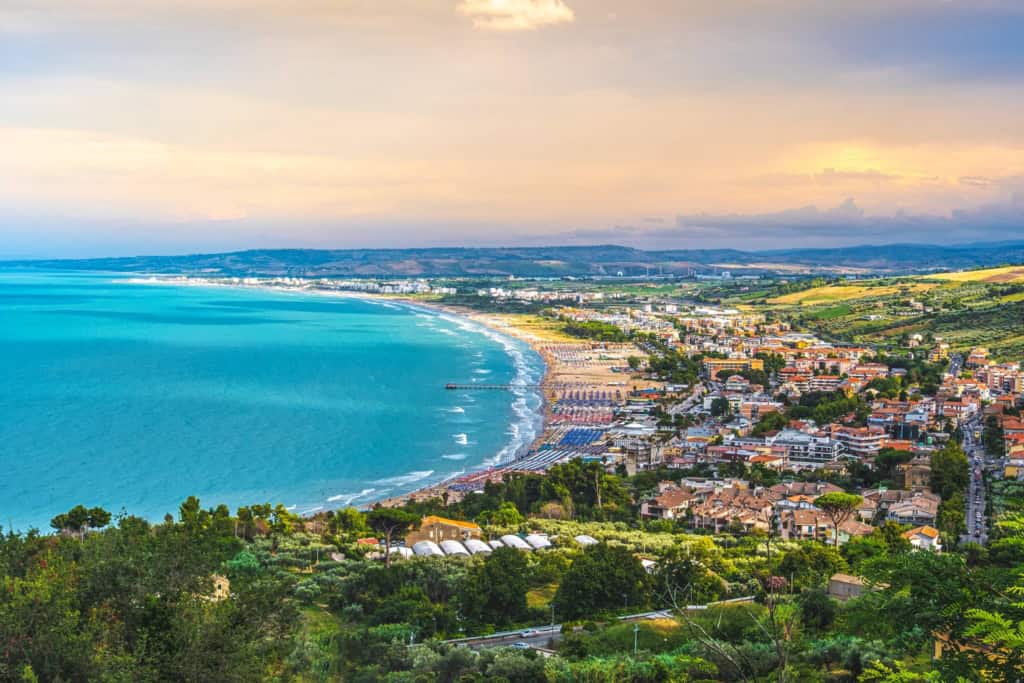
Pescara is the largest city, located just an hour from Rome, and with its own airport. It features breathtaking landscapes and beautiful beaches along the Adriatic.
You can partake in outdoor activities, including olive oil and wine production, horse riding, and hiking. Living costs are 18.1% cheaper than in Florence.
While there are many benefits to life in Abruzzo, English is less widely spoken, and the slower pace of life and limited transport links may not suit everyone.
Turin, Piedmont
The capital of the Piedmont region in the northwestern corner of Italy, Turin’s gorgeous vistas have made it a popular choice for both digital nomads and retirees.
The city offers all the culture and ancient history for which Italy is known, as well as great options for nightlife, shopping, and dining.
Retirees will appreciate Turin’s relaxed lifestyle. A stone’s throw from the Italian Alps, the city is also conveniently located near some of the best skiing and hiking in the country.
Turin offers a major city lifestyle at relatively modest prices. Overall, living costs are 12.2% cheaper than in Rome.
Infrastructure and healthcare facilities are good, and there are more English speakers than in rural areas. However, it might be a bit too urban, cold, and grey for those seeking retirement in the Italian sun.
Sicily
Sicily is an island region just off Italy’s south coast. Surrounded by the Mediterranean Sea, it enjoys hot, sunny summers and generally mild winters.
The island is popular with expats and is home to over 200,000 foreigners. Many people move here for the relaxed lifestyle, excellent food, and lower living costs.
Sicily is one of the cheapest places to live in Italy. Some municipalities participate in the 7% flat tax scheme, while certain villages offer homes for as little as €1, though these require significant renovation.
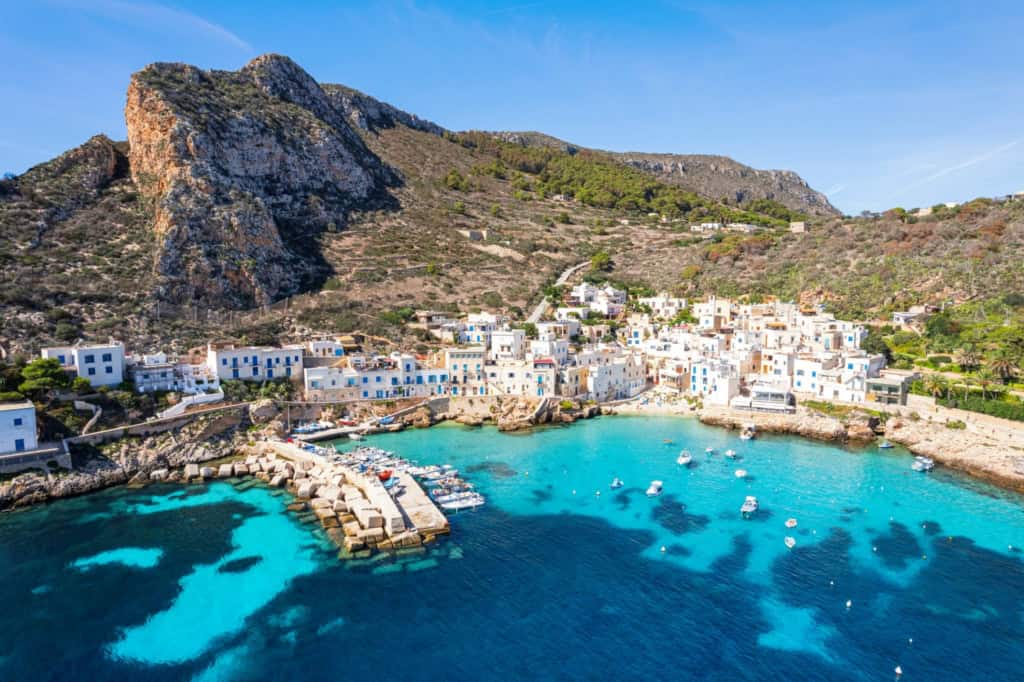
Retirees can take life at a slower pace, exploring Sicily’s rich history, from ancient ruins to baroque towns, or even hiking on Mount Etna, one of Europe’s most active volcanoes.
The island is also known for its cuisine, with plenty of seafood restaurants and local dishes such as arancini and cannoli.
For those who prefer a livelier setting, Palermo – the island’s capital – is one of Italy’s cheapest cities. Although crime levels are generally higher here, they are lower than in cities such as Rome and Milan.
Sicily is considered reasonably safe overall, and its historic association with organized crime is far less visible in everyday life today.
Milan, Lombardy
Milan is Italy’s second-largest city and also its financial center, as well as one of the world’s fashion capitals. It’s the regional capital of Lombardy in the north, located close to the Swiss border.
If you’re seeking a luxurious city where you can enjoy a sophisticated lifestyle during retirement, Milan is the place to be.
It’s the only Italian city listed in the top 50 of the 2024 Mercer Quality of Living Index (placed at 42nd). It also has a big expat population, and is arguably the best place to live in Italy for English speakers.
As with all major cities, living costs are higher, and the environment is more fast-paced in Milan than in most Italian cities.
The upside is that you’ll have access to top-quality healthcare, public services, and amenities, as well as fascinating local Italian history and world-class fashion and art.
Secure Coverage That Works for Your Retirement Abroad
Get matched with plans that provide access to private care, shorter wait times, and coverage that travels with you.
Tuscany Region
When you think of expats enjoying an Italian retirement, it’s hard not to immediately think of Tuscany.
The picture-perfect vineyards, rolling hills, pretty beaches, and low crime rates are just a few of the reasons why many consider it the best place to retire in Italy.
The sunny cities and villages of rural Tuscany have attracted international citizens for decades. Around 400,000 foreign residents live in the region, and it’s one of the bigger English-speaking parts of Italy.
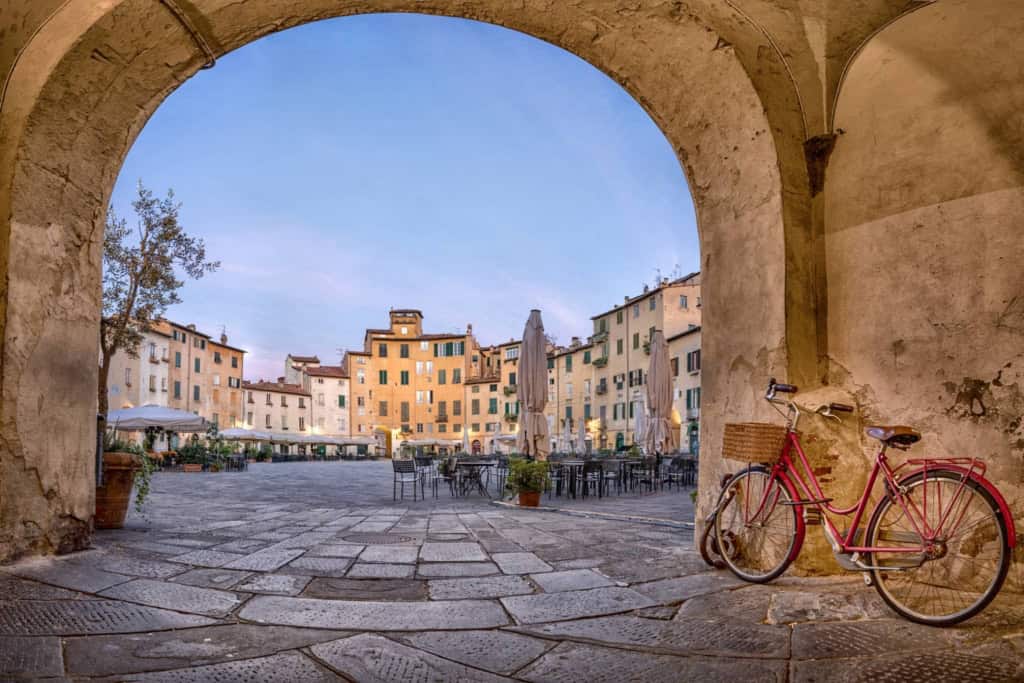
Florence, Lucca, Pisa, and Siena are among Tuscany’s bigger cities, but don’t overlook gems like Montepulciano (a hub of the Italian wine industry) or San Gimignano (known for medieval architecture).
With a strong public healthcare system and good facilities in larger towns, Tuscany is well-suited to retirees. However, property prices and living costs are above average.
Overall costs in Florence, the region’s capital, are 7.2% higher than in Rome, although they are still 50.1% lower than in New York.
Lecce, Apulia
Often called “the Florence of the South”, Lecce is close to the coast of Apulia in the “heel” of Italy.
Known for its Baroque architecture, it’s a small city with around 100,000 residents, but it has plenty of charm and good healthcare facilities for a place of its size.
Lecce serves up a slice of authentic Italy on a reasonable budget. If you’re looking for cheap houses for sale in Italy by the sea, this could be for you.
Overall costs are 26.7% lower, and rents are 47.6% lower than in Florence. Summers are warm, and you can choose from beaches leading out to the Adriatic and Ionian seas.
The Apulia region is famous for its seafood, wine, and olive oil, making it a foodie paradise. The downsides are that it’s one of the more remote parts of Italy, farther from Rome and Central Europe.
The transport infrastructure is also somewhat lacking, so you’ll likely need a car.
Bologna, Emilia-Romagna
The capital of the northern Italian region of Emilia-Romagna, Bologna is a good mid-range city that serves up plenty of culture without being too busy, touristy, or expensive.
It’s a historic medieval city, perhaps best known for housing Europe’s oldest university, founded in the 11th century.
There’s plenty to do, from opera to numerous annual festivals, and the population is notably cosmopolitan. Much of the city is flat and walkable, making it great for retirees.
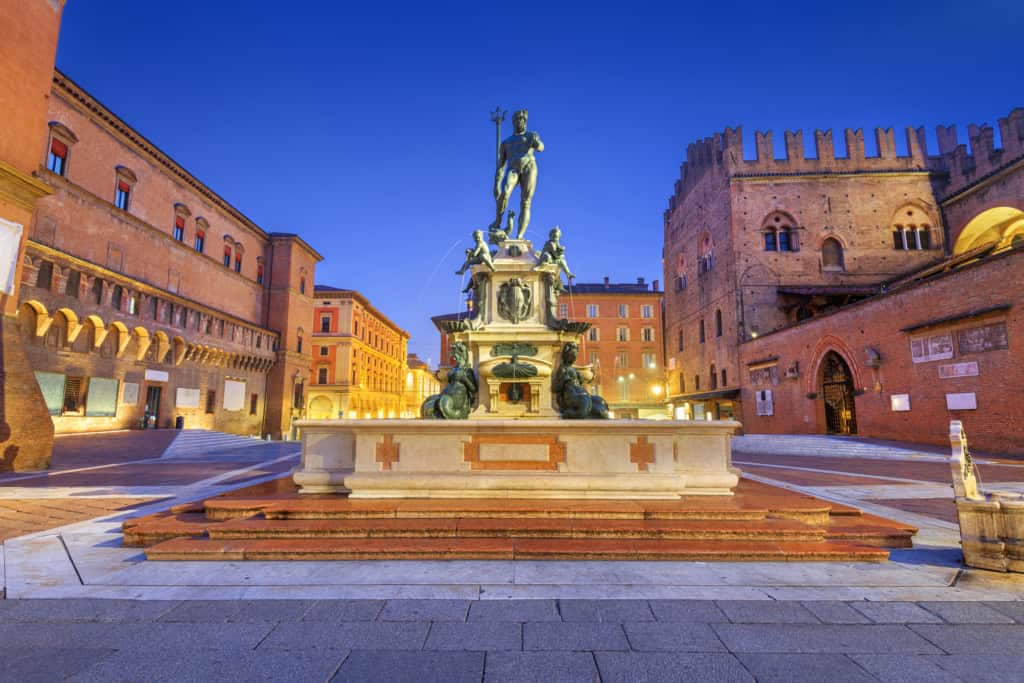
Bologna consistently ranks among Italy’s best cities. It boasts a high-quality medical school and a good transport system, including a local airport.
It’s also the 3rd best city in the TasteAtlas 2025/26 rankings (behind Naples and Milan). Famous exports include Parmigiano Reggiano and Prosciutto di Parma.
Property prices can be expensive here, though, and it’s a popular student city so you’ll need to be prepared for a lively – and sometimes noisy – nightlife scene.
Gaeta, Lazio
This seaside town is situated between Rome and Naples. It’s not as crowded or touristy as the Amalfi Coast further south, making it a bit of an underrated gem for retirees.
Gaeta’s proximity to bigger cities means good transport links and access to some of Italy’s top medical facilities. Housing is also more affordable than in some of the surrounding coastal areas.
As it’s still relatively under-the-radar for international retirees, there are fewer English speakers, so at least basic Italian is important for day-to-day life.
Umbria Region
This central inland region has been dubbed “the real Italy” by some for its classic countryside dotted with quaint towns and villages.
Umbria is a cozy and more affordable alternative to regions such as Tuscany, with plenty of hills, forests, and vineyards. Popular historic towns include Perugia (the regional capital) and Orvieto.
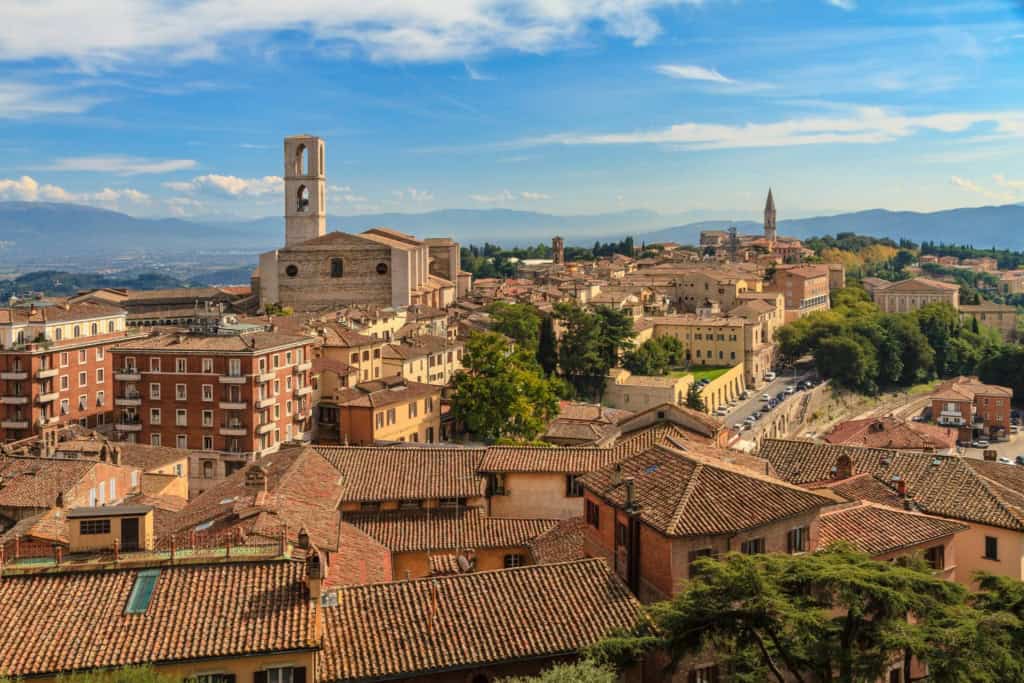
It’s ideal for retirees who like scenic nature walks, with Lake Trasimeno and Marmore Falls among its key attractions. However, the hilly terrain can be tiring.
Umbria is generally safe and centrally located, within reach of larger cities due to its position in Italy. However, it is a largely rural region with relatively limited infrastructure and public services.
Liguria Region
The Liguria region is a narrow coastal strip in northwest Italy near the French border.
Its location and dramatic scenery make it a popular tourist destination. But it also attracts many expat retirees thanks to its slower-paced lifestyle and postcard-perfect coastline dotted with colorful towns.
Liguria has a mild Mediterranean climate, with relatively warm winters and humid summers. The Apennine mountains rise directly behind the coast, and the Alps are within easy reach.
The region is also known for its strong culinary tradition, particularly seafood, pasta, and pesto, which originated in Genoa.
However, its popularity means Liguria is one of Italy’s more expensive regions, and some areas can become crowded during peak tourist seasons.
How to Decide Where to Retire in Italy
Deciding where to live in Italy in your retirement will depend largely on your lifestyle, personal preferences, and budget.
Bear in mind that the cost of living in Italy can vary widely across the country. Larger cities such as Milan and Florence are generally more expensive than smaller towns and historic villages, while the south has more affordable places to live in Italy.
Healthcare access is a key consideration for retirees. Italy’s universal healthcare system is of high quality and provides broad access to medical services for residents.
That said, many expats also opt for private insurance in Italy to access faster care, a wider choice of providers, and specialist care. This can be particularly important if you live outside major cities, where public facilities may be more limited.
You’ll have to decide how much weight to give to lifestyle and community factors. For example, do you want the convenience, cultural vibrancy, and international atmosphere of a big city? Or do you value the peacefulness, scenery, and gentle charm of coastal towns and rural villages?
Your preferences may also depend on your modes of transport and how much you travel. Living in a remote area is fine if you have a car and don’t need regular access to nearby airports. It’s worth looking into public transport options and road/rail links if you want ease of mobility.
Do Your Research
Be sure to research and explore specific neighborhoods before making a final decision, considering the overall pros and cons, as well as anything that might make the place uniquely appealing. For example, are there tax advantages or other benefits for retirees?
By weighing these factors carefully, you can choose one of the best places to live in Italy for retirees and make the most of your golden years abroad.
Ready to Start Your Next Chapter in Italy?
Get personalized international health insurance quotes and retire abroad with confidence.
✔ Personalized quotes • ✔ Expert guidance • ✔ No obligation