
The Cost of Living in Italy

Key Takeaways
- Italy has the 34th-highest cost of living in the world on Numbeo's March 2026 Cost of Living Index, while the United States ranks 23rd.
- Average rents in the United States are around 90% higher than in Italy.
- A single person renting a one-bedroom apartment in Italy spends $1,800–$2,610 a month on housing, food, transport and utilities in Milan, $1,500–$2,140 in Florence and $1,215–$1,925 in Naples.
- Italy's average annual full-time adjusted salary was €33,523, below the European Union average of €39,800, according to Eurostat.
World-renowned cuisine, excellent healthcare, and a relaxed lifestyle are just some of the reasons expats choose Italy as their new home. Whether you’re moving there for work, retirement, or simply to begin a new chapter abroad, understanding the cost of living in Italy is essential before deciding where to settle. This guide breaks down typical expenses in 2026, including housing, utilities, groceries, transportation, and leisure, so you can get a clear picture of what it costs to enjoy la dolce vita.

Moving to Italy? Get Covered
Planning your move to Italy? Compare personalized international health insurance options that match your destination, budget, and coverage needs.
✔️ Personalized quotes ✔️ Expert guidance ✔️ No obligation
Is It Expensive to Live in Italy?
The cost of living in Italy is slightly below the European average, despite it having the third-largest economy in the European Union. When it comes to the most expensive countries to live in, Italy ranks 15th in Europe. It has the 34th-highest cost of living in the world, which is a great position given the quality of life it offers.
On top of that, the country also ranks 25th on the OECD Better Life Index. The OECD Index rates nations based on their population’s general well-being, work-life balance, life satisfaction, and education. That said, one very important factor to consider when discussing the cost of living is the country’s average salary.
Italy doesn’t have a legally established minimum wage. According to the latest Eurostat data, the average annual full-time adjusted salary was €33,523 (about $39,371 USD). This was below the EU average of €39,800, placing Italy among the lowest in Western Europe in terms of average earnings.
So, if you’re wondering “is it expensive to live in Italy?”, the answer is: it depends. To better understand affordability in the country, let’s compare the cost of living in Italy with that in the United States.
Is Italy Cheaper Than the U.S.?
Yes, Italy is generally more affordable than the United States across most major spending categories. According to Numbeo’s Cost of Living Index (CLI) in March 2026, the United States ranks higher, at 23rd globally, while Italy ranks 34th. The index compares key expenses, including housing, groceries, transportation, and everyday services.
Housing Costs in Italy vs. the U.S.
Overall, daily expenses in the U.S. (excluding rent) are about 10.7% higher than in Italy. When rent is included, the gap increases significantly, with the cost of living in the U.S. around 27.4% higher.
Rent is perhaps the starkest difference between the two countries, with prices in the U.S. running 90.3% higher, nearly double what you’d pay in Italy. To put that into perspective, the average rent for a one-bedroom apartment outside an Italian city center is $677, compared to $1,360 in the U.S. For a three-bedroom apartment in a city center, Italians pay about $1,515, while Americans spend around $2,690.
Food Costs in Italy vs. the U.S.
When it comes to food, prices in Italy are lower than what you will find in the U.S. Groceries are 15.7% cheaper in Italy, and dining at an Italian restaurant is 13.7% less expensive than eating at a restaurant in America. On the other hand, some everyday expenses are actually cheaper in the U.S. Americans enjoy purchasing power that is 72.2% higher than in Italy, meaning their money goes further in everyday life.
Basic utilities for an 85-square-meter apartment, for example, cost about 10.5% less in the U.S., and gasoline is a significant 57.3% cheaper than in Italy.
The Most Expensive and Cheapest Italian Cities
Where you choose to live has a major impact on your monthly budget. While Italy is generally more affordable than the U.S., living costs can vary considerably between cities.
To better understand how much it costs to live in different parts of the country, here’s a closer look at the cities where expenses are highest and lowest, and what expats can expect to pay.
The Most Expensive Cities in Italy
When it comes to the overall cost of living in Italy – including rent, food, transport, services, and leisure – three cities consistently rank at the top: Milan, Rome, and Florence. However, if you exclude rent, the picture shifts slightly: Milan still ranks highest, followed by Venice and Bologna. This highlights how much housing costs influence overall affordability in major Italian cities.
In general, the most expensive cities tend to be those with strong tourism, international business activity, or high student populations, all of which drive up demand for everyday goods and services.
Milan
Milan remains Italy’s most expensive major city for everyday expenses, excluding rent. Daily life here comes at a premium, with higher costs for groceries, dining out, transportation, and personal services than the national average.
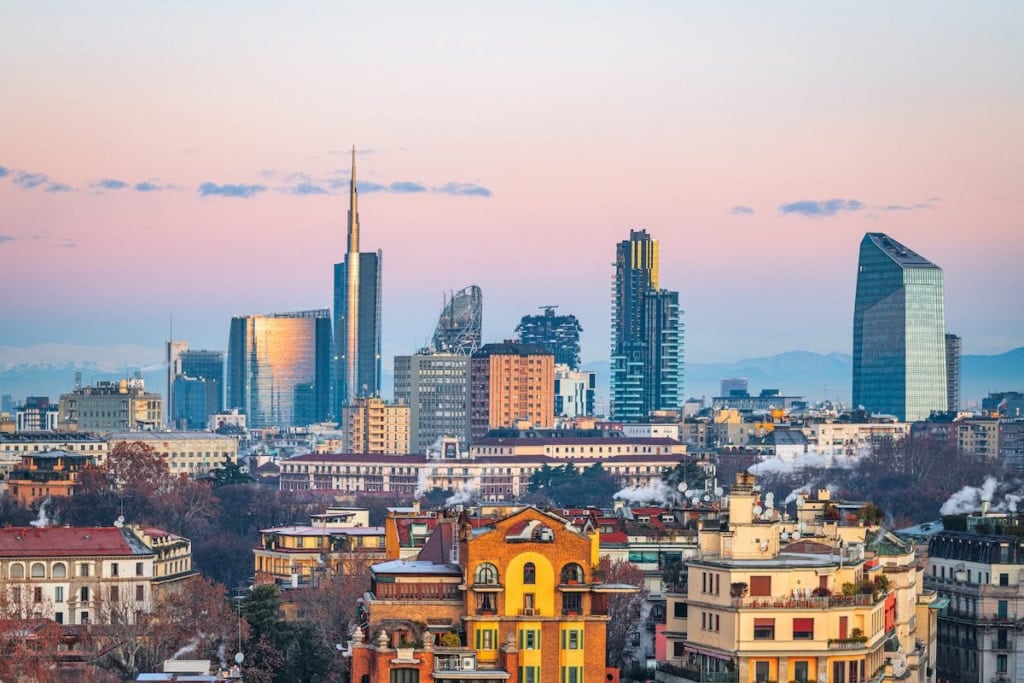
As the country’s financial and fashion capital, Milan attracts a large international workforce, which also contributes to higher pricing across most categories. Despite the cost, the city offers strong salaries, excellent infrastructure, and a fast-paced urban lifestyle that appeals to professionals.
Venice
Venice ranks second among Italy’s most expensive cities, with a single person typically spending around $1,260 per month, excluding rent. Its unique geography plays a major role in pricing. Because the city is built on canals, nearly all goods and services must be transported by boat, which increases operating costs and, ultimately, consumer prices.
Even everyday essentials and dining tend to cost more than in most other Italian cities. However, in return, residents get to live in one of the most distinctive and historically rich urban environments in the world.
Bologna
Bologna completes the top three, with monthly costs for a single person averaging around $1,130, excluding rent. Known for its strong university presence and renowned food culture, Bologna offers a lively yet manageable urban lifestyle.
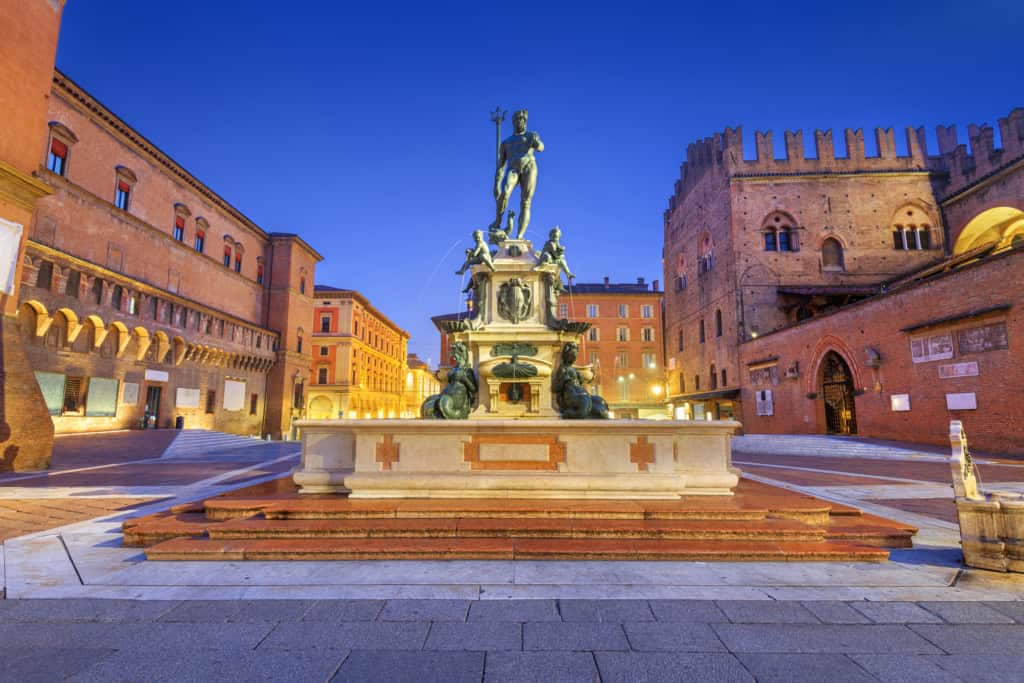
While it is more affordable than Milan or Venice, demand from students and professionals keeps prices relatively high compared to those in smaller Italian cities. Its central location, walkability, and cultural vibrancy make it one of Italy’s most desirable mid-sized cities, which is reflected in its cost of living.
Find Health Insurance That Fits Your Budget Abroad
Whether you choose a major city or a more rural destination, international health insurance can help protect you from unexpected medical costs while living in Italy.
The Cheapest Cities in Italy
The cheapest cities in Italy, even when rent is included, are mostly located in the south of the country. These areas tend to have lower housing costs, more affordable daily expenses, and a slower pace of life compared to northern and central Italy.
Palermo
Palermo ranks as the most affordable major city in Italy, with a single person typically spending around $940 per month, excluding rent. Everyday life is noticeably cheaper than in northern cities, especially for food, transport, and local services, making it one of the best-value urban areas in the country.
As the capital of Sicily, it offers a warm Mediterranean climate, lively street markets, and a strong cultural identity shaped by centuries of history.
Naples
Naples is also one of the most affordable major cities in Italy, with daily costs estimated to be significantly lower than in northern cities such as Milan and Florence. According to Numbeo, it is also about 40% less expensive than New York on a day-to-day basis.
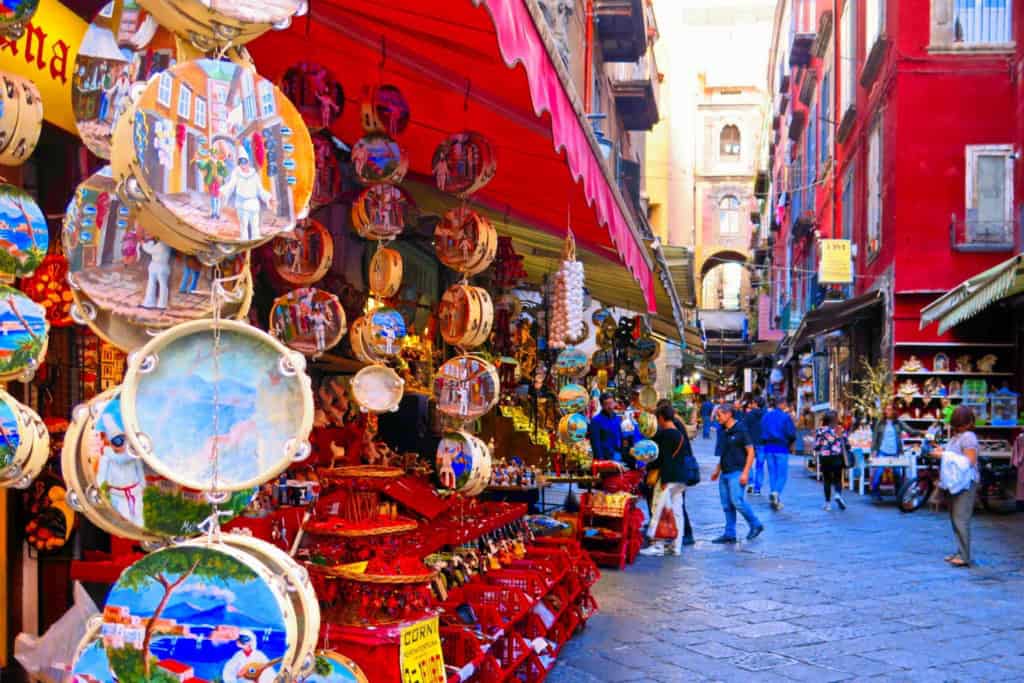
It’s a city full of energy, history, and character, where life spills into the streets through markets, cafés, and coastal views. Known for its world-famous pizza and strong local culture, Naples combines affordability with a vibrant urban lifestyle. While it can feel chaotic at times, many international residents are drawn to its authenticity and low cost of living.
Turin
Turin stands out as a more affordable option in northern Italy, with monthly costs for a single person averaging around $1,020, excluding rent. Despite being a major industrial and business hub, it offers a more structured and relaxed lifestyle than cities like Milan.
With strong public transport, respected universities, and growing opportunities in the tech and automotive industries, Turin combines affordability with a high quality of life, especially for professionals and students.
The Average Cost of Living in Italy
The cost of living in Italy varies depending on where you choose to live. Smaller towns and rural areas tend to be far cheaper, especially in the south, where housing and everyday expenses are lower. In these areas, you’ll also find a slower pace of life, strong local communities, and a more traditional Italian lifestyle, often at a much lower cost than in major cities.
Mid-sized cities offer a balance between affordability and convenience, with access to good services, transport, and cultural activities without the high price tags of larger urban centers. Conversely, international hubs such as Milan, Rome, Florence, and Bologna are the most expensive places to live. This is driven largely by housing demand. Even so, they are still often more affordable than comparable major cities in the United States.
Overall, Italy offers a wide range of cost-of-living options, allowing you to adjust your lifestyle to your budget and location. Here’s a breakdown of the main monthly expenses across the country.
Rent Prices and Housing Costs in Italy
Housing is the biggest factor influencing Italy’s cost of living. Italian house prices vary widely depending on the neighborhood (city center vs. outskirts), the property’s condition, and whether the apartment is furnished (furnished units typically cost 10–20% more).
Major cities like Rome and Milan are by far the most expensive. In Rome, a one-bedroom averages about $1,650 per month, while a two-bedroom averages about $2,200 per month. Milan is similar, with one-bedrooms costing $1,770 and two-bedrooms around $2,275.
Regional Differences in Housing Costs
Northern Italy is generally the most expensive region overall. You can expect to pay around $1,100 per month for a one-bedroom and over $1,445 for a two-bedroom.
Central Italy is slightly more affordable, with one-bedroom units averaging around $980 and two-bedroom units reaching up to $1,220. Florence is a notable exception, as high tourist demand and short-term rentals drive prices up significantly, with one-bedrooms averaging $1,790 and two-bedrooms around $2,180. Moving to nearby towns can significantly reduce costs.
Southern Italy offers the best value for money, with a two-bedroom apartment often costing as much as a studio in northern cities. In places like Bari, one-bedroom apartments can range from $580–$810 per month, while in Catania or Palermo, comfortable two-bedroom apartments are typically available for $690–$925 per month.
Utilities, Internet, and Household Costs
Utilities in Italy can add up quickly, so it’s important to plan ahead. The country has some of the highest electricity prices in Europe.
Here’s a rough idea of monthly costs:
- 45-square-meter apartment (1-2 people): $45–70/month, rising to $80–125 in summer or winter when you use A/C or electric heating
- 85-square-meter apartment (2–3 people): $80–110/month, rising to $125–185 during peak seasons
The average price for household gas is around $1.05–$1.30 per cubic meter (including taxes and fees). Bills typically increase significantly in winter due to heating:
- 45-square-meter apartment: $60–80/month on average, up to $115–150 in winter
- 85-square-meter apartment: $90–125/month on average, up to $175–255 in winter
Water is relatively affordable:
- 1 person: roughly $15–25/month
- Family of 3: around $40–45/month
Other Household Expenses in Italy
One cost that often surprises foreigners is the TARI (Tassa sui Rifiuti), a yearly tax for waste collection and disposal. The amount depends on your city, apartment size, and number of occupants, but generally ranges from $115 to $175 per person per year. Whether you rent or own, you are responsible for paying it.
Compared to the rest of Europe and the United States, internet and mobile plans in Italy are quite affordable. You can expect to pay around $14 per month for a mobile plan and up to $36 per month for home internet.

Wash on Weekends! Electricity rates in Italy are often lower during off-peak hours, such as at night and on weekends. Save money on your utility bills by running high-energy appliances like washing machines and dishwashers during these times.
Food and Groceries
Compared to other countries, local food can be very affordable in Italy if you follow a few smart tips and eat like a local. And no, that doesn’t mean surviving on pasta and pizza. Italians take food quality seriously and typically buy fresh, seasonal produce, ideally sourced locally. This habit not only supports a healthier lifestyle but also helps keep grocery costs down. It’s also one of the best parts of living in Italy.
If you’d rather cook at home, you’ll find it a very budget-friendly option, as shown in the table* below:
Expense | Milan | Florence | Naples |
Eggs (12, large size) | $5.17 | $4.74 | $4.43 |
Milk (1 Liter) | $1.72 | $1.89 | $1.90 |
Chicken fillets (1 lb) | $6.62 | $5.67 | $5.37 |
Domestic Beer (16.9 oz bottle) | $2.08 | $2.09 | $2.52 |
White rice (1 lb) | $1.57 | $1.39 | $1.47 |
Local cheese (1 lb) | $10.02 | $11.89 | $7.23 |
Bottle of wine (mid-range) | $9.29 | $8.13 | $8.13 |
*Prices were sourced from Numbeo and Codacons (an Italian consumer rights organization).
Use Supermarket Loyalty Cards! Most major Italian supermarket chains offer free loyalty cards with weekly deals and discounts that can add up to real savings over the month, so it’s definitely worth getting one. You can sign up online or ask at the store.
Build Healthcare Into Your Cost of Living Plan
Your rent, food, and transportation matter, but so does access to quality healthcare. Compare international health plans designed for expats living in Italy.
Transportation Costs in Italy
Fuel in Italy costs almost twice as much as in the U.S., though it remains slightly below the European average. The good news is that Italian cars tend to be smaller and more fuel-efficient than American ones.
Here’s a quick look at current fuel prices in Italy:
- Diesel: approximately $2.40-$2.55 per liter
- Gasoline (petrol): approximately $2.10-$2.25 per liter
- LPG: approximately $0.94 per liter
- Natural gas (methane/CNG): approximately $1.75-$1.85 per liter
Keep in mind that prices vary by region and are usually higher at highway service stations.
The Cost of Owning a Car in Italy
Beyond fuel, owning a car in Italy comes with additional costs that average around $335 per month, not including vehicle depreciation, a significant hidden expense.
Here’s an estimated annual breakdown:
- Insurance: $600-700
- Road tax: $235-470
- Maintenance: $180-940
- Fuel: $1,770-2,360
If you live in a major city, public transportation is a strong alternative. Buses, metro, and trams make it easy to get around without worrying about parking or traffic. A monthly pass typically costs $37–$45, and a single ticket costs about $2.
Most transit companies offer monthly and annual passes, along with discounts for students, workers, and people over 65, so it’s worth checking what’s available in your city.
Healthcare and Insurance
Italy has one of the best healthcare systems in the world. Foreign residents who meet certain requirements may be eligible to enroll in Italy’s public healthcare service (Servizio Sanitario Nazionale, or SSN). This covers basic care at little to no cost, including GP visits, emergency care, hospital stays, and some vaccinations.
Other services, such as specialist appointments and lab tests, require a small co-payment (called a ticket sanitario), though exemptions may apply based on age, income, and other factors.
Wait times for specialists can vary by region, which is where private health insurance in Italy comes in. Private coverage provides faster access to appointments, diagnostics, and private clinics, and helps cover costs not included in the public system.
Below is an overview of typical private healthcare costs in Italy:
Service | Estimated Cost |
Cardiologist | $125 |
Gynecologist/Urologist | $140 |
Physiotherapy (per session) | $60-$110 |
Basic check-up (lab tests) | $95-$175 |
Ultrasound | $85-$120 |
MRI | $160-$470 |
Why Many Expats Choose Private Insurance in Italy
While Italy offers a public healthcare system, many expats choose private health insurance to access private hospitals, reduce wait times, and avoid unexpected out-of-pocket medical costs.
Entertainment and Lifestyle
Italians place great value on leisure and socializing, especially when it involves food, sports, and cultural activities. That’s why it’s important to include these costs in your budget so you can fully enjoy the Italian lifestyle.
Costs vary by region and whether you’re in a touristy area, but here are some average prices:
Activity | Estimated Cost |
Cinema | $12 |
Theater | $20-$70 |
Lunch menu | $19 |
Dinner for two in a mid-range restaurant | $82 |
Domestic beer in a pub (16 oz.) | $5.80 |
Fast food meal | $12 |
Aperitivo (1 drink and snacks) | $12 |
Cappuccino | $2 |
Gym membership (1 month) | $57 |
Tennis court booking (1 hr on the weekend) | $27 |
Italy also offers many free or low-cost activities, including open-air exhibitions, concerts, street festivals, and food fairs throughout the year.
Enjoy Free Museums! Many museums are free on the first Sunday of each month through the Domenica al Museo (Sunday at the museum). It’s a great opportunity to explore world-class art, history, and culture without spending a euro.
Childcare and Education
Education costs in Italy vary widely depending on family income and region. The public school system is generally free from age three, as it is government-subsidized. However, it’s important to account for “hidden” costs such as meals, books, and transportation, especially in primary and secondary school.
Daycare (Ages 0–3)
Public daycare is not free, and fees are set by each municipality based on the ISEE. The ISEE is Italy’s official measure of household income and assets used to determine eligibility for public services.
In northern cities, full-time public daycare can cost around $660 per month at full price. However, the government offers a Bonus Asilo Nido to help reduce costs for both public and approved private daycare providers, based on income. In practice, a middle-income family can expect to pay between $95 and $355 per month after discounts. Private daycare is typically more expensive, even with the bonus applied.
Primary and Secondary School (Ages 6+)
Public schools do not charge tuition or meals at this stage, but other costs apply, including textbooks, school supplies, field trips, meals (paid separately), and school transport if needed. A key benefit is that these expenses are tax-deductible at 19% up to €1,000 per child, providing up to €190 ($224) back per child.
Private school fees increased notably in 2024. Here’s a general breakdown:
- Primary (ages 6–11): $2,950–$14,150/year
- Lower secondary (ages 11–14): $3,540–$9,440/year
- Upper secondary + High school (ages 14–19): $4,720–$11,795/year
- International schools: often above $11,795, and can reach $29,490/year
Monthly Budget for Living in Italy
Knowing your everyday expenses makes budgeting for life in Italy much easier. To help you, this section compares typical costs across Milan (North), Florence (Central), and Naples (South).
The table below shows the average monthly expenses for a single person renting a one-bedroom apartment in three of the country’s most popular cities:
Expense | Milan | Florence | Naples |
Housing | $1,270-$1,670 | $950-$1,285 | $720-$1,155 |
Food | $345-$580 | $370-$520 | $325-$460 |
Transport | $46-$70 | $40-$70 | $40-$70 |
Utilities | $167-$290 | $145-$265 | $130-$240 |
Monthly Total: | $1,800-$2,610 | $1,500-$2,140 | $1,215-$1,925 |
The table below shows the average monthly expenses for a family of four living in a three-bedroom apartment in three of Italy’s most popular cities:
Expense | Milan | Florence | Naples |
Housing | $2,075-$3,445 | $1,620-$2,420 | $1,260-$2,100 |
Food | $920-$1,380 | $800-$1,270 | $690-$1,150 |
Transport | $90-$170 | $80-$150 | $70-$140 |
Utilities | $290-$470 | $265-$450 | $230-$415 |
Monthly Total: | $3,375-$5,465 | $2,765-$4,290 | $2,250-$3,800 |
Planning Your Move to Italy
From world-famous cuisine and rich cultural traditions to beautiful landscapes and a relaxed lifestyle, Italy offers an exciting opportunity for expats looking to start a new chapter abroad. While living costs can vary significantly by location, choosing a smaller city or town can often offer a more affordable way to enjoy the Italian lifestyle.
Before relocating, it’s important to create a realistic budget for moving abroad that covers more than just everyday expenses. Consider factors such as housing, healthcare, exchange rates, banking fees, and tax obligations to get a complete picture of your financial needs.
Italy’s tax system can be complex, especially for new residents. If you become a tax resident (generally by spending more than 183 days per year in the country), you may be required to report and pay tax on worldwide income. Seeking advice from an international tax firm before relocating can help you understand your responsibilities and ensure a smoother transition.
With careful planning and a clear understanding of the costs involved, the country can be an affordable and rewarding place to call home.
Enjoy Life Abroad With the Right Coverage
From everyday expenses to unexpected medical needs, make sure you’re fully prepared. Explore health insurance options that support your lifestyle abroad.
Cost of Living in Italy FAQs
-
The cost of living in Italy depends on your location, lifestyle, and housing choices. A single person can expect to spend roughly $1,200–$2,600 USD per month, including rent. More affordable cities such as Naples and Palermo can cost closer to the lower end of this range, while expensive cities like Milan, Rome, and Florence typically require a larger budget due to higher housing and everyday expenses.
-
Rent prices in Italy vary widely depending on location, apartment size, and whether you live in a city center or outside the main urban areas. A one-bedroom apartment can cost around $580–$925 per month in many southern cities, while prices in major cities like Milan and Rome can exceed $1,600 per month. Smaller towns and areas outside city centers often offer much lower housing costs, making them attractive options for retirees, remote workers, and expats seeking a more affordable lifestyle.
-
Italy is generally more affordable than many Western European countries. It ranks 15th in Europe for cost of living, with prices below countries such as France, Germany, the Netherlands, and the United Kingdom. However, costs vary significantly within the country. Major cities like Milan, Rome, and Florence are among the most expensive places to live, while smaller towns and southern regions offer lower housing and everyday expenses.
-
The salary needed to live comfortably in Italy depends on your location, lifestyle, and housing costs. A single person typically spends around $1,200–$2,600 USD per month, including rent, depending on the city. Italy’s average full-time salary is around $39,371 USD per year (about $3,280 USD per month before tax), which is below the EU average. Expats with a foreign income, pension, or remote salary may find living costs more affordable, especially in smaller cities and southern regions where housing and everyday expenses are lower.
-
Expats may need to pay for healthcare in Italy depending on their residency status and eligibility for the public healthcare system. Those who qualify can register with the Servizio Sanitario Nazionale (SSN), which provides access to essential healthcare services at little to no cost. However, some specialist visits and diagnostic tests may require a small co-payment. Many expats also choose private health insurance in Italy for faster access to care and additional coverage.