
The Safest Cities to Live in Italy
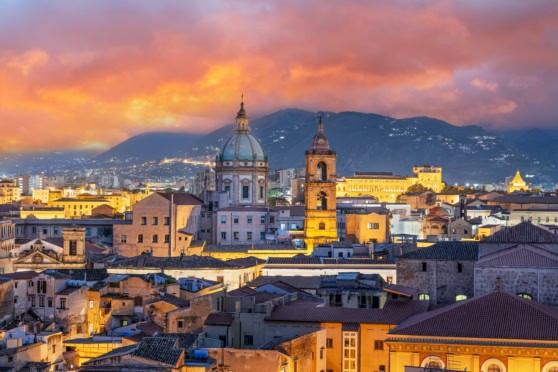
Discover the Safest Places to Call Home in Italy
Expats relocating to Italy are spoiled for choice. The country’s reputation for beautiful scenery is well deserved. New residents can live in vibrant cities, mountainside towns, lively beachfront communities, or romantic hilltop villages. Plus, the entire country is a global megacenter for food and drink. No matter where you go, regional cheese, wine, cured meats, and oils await.
With so many incredible options to pick from, foreigners turn to job prospects, the cost of living in Italy, and, of course, safety to narrow down their choices. These are some of the safest cities in Italy for expats.

Planning Your Move to Italy?
Get free international health insurance quotes and compare plans designed for expats living in Italy.
Is Italy Safe?
Italy continues to rank among the safer large countries in Europe. According to the latest Global Peace Index (2025), Italy ranks 33rd out of 163 countries worldwide. This reflects relatively strong levels of safety and stability compared to many popular expat destinations.
For most expats, Italy is considered a safe place to live, with low levels of violent crime and a generally relaxed day-to-day environment.
In most towns and residential neighborhoods, walking during the day and evening is common and typically safe. That said, as with many high-tourism countries, Italy does experience petty crime. Pickpocketing and scams are common in major cities and around well-known tourist attractions.
The Safest Cities in Italy for Expats
Safety across Italy is influenced more by city size, tourism levels, and transport density than by violent crime.
Smaller and mid-sized cities in the north and central regions tend to perform best in national quality-of-life and safety rankings. Meanwhile, larger metropolitan areas remain safe overall but require more awareness in busy areas.
These cities consistently stand out in 2026 for their balance of safety, services, and livability.
Trento
Trento is widely considered one of Italy’s safest cities. It regularly ranks at or near the top of national quality-of-life indexes due to its low crime rates, efficient public services, and strong sense of community.
Expats are drawn to its clean environment, mountain setting, and relaxed pace of life. This makes it especially appealing for families and remote workers.
Bolzano
Bolzano offers a rare combination of Alpine scenery, bilingual culture, and consistently low crime levels. The city is known for its orderly infrastructure and high standard of living.
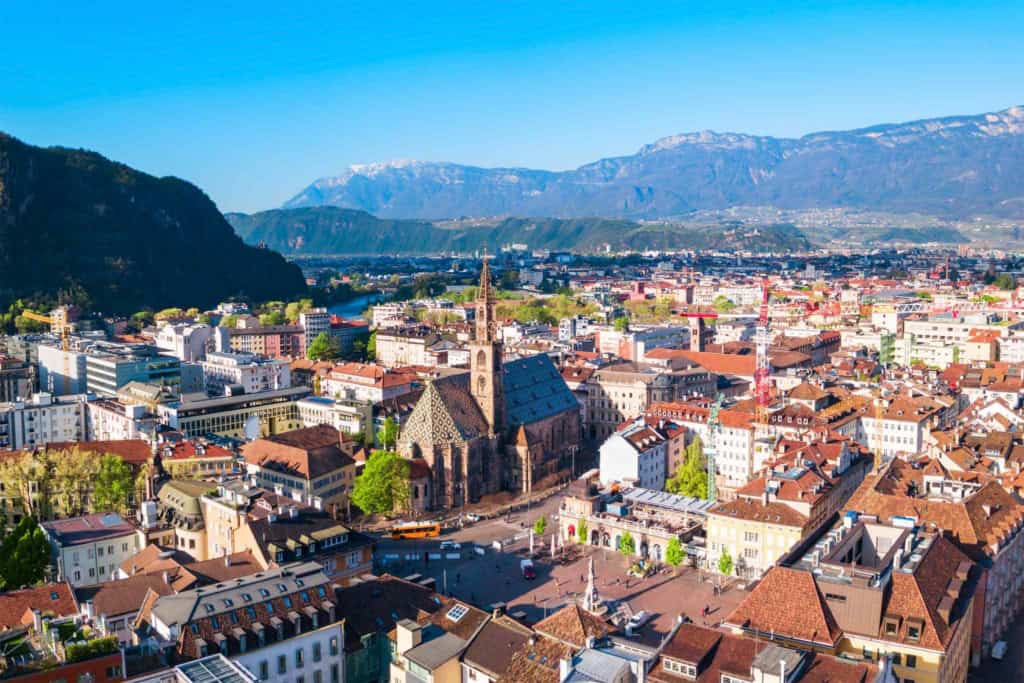
Petty crime is minimal compared to larger Italian cities, and residents generally report feeling very safe walking both day and night.
Parma
Parma is often highlighted as one of Italy’s most livable mid-sized cities, with low levels of violent crime and a strong local economy.
It is also known for its food culture, green spaces, and manageable city size, which contribute to a strong sense of everyday safety for residents.
Bologna
Bologna is a major university city with a lively cultural scene, yet it maintains relatively high safety levels for its size.
While pickpocketing can occur in busy areas, especially around transport hubs, the city is generally considered safe and well-organized, with a strong public presence and active local community.
Florence
Florence remains one of Italy’s most popular expat destinations. While it attracts heavy tourism (which increases petty theft in central areas), it is still considered a safe place to live overall.
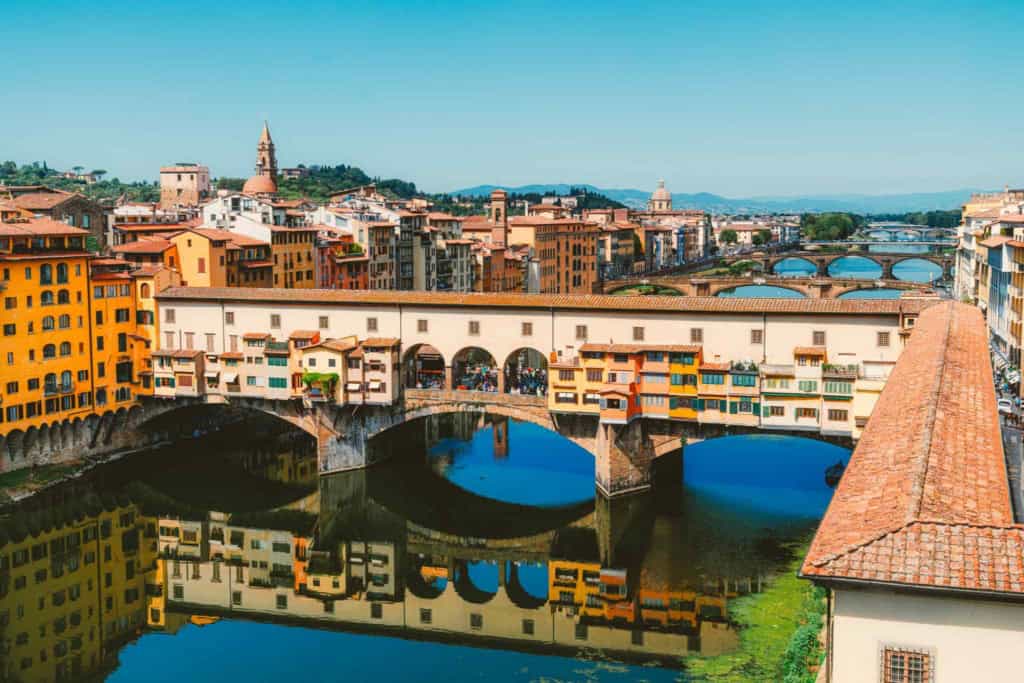
Outside the busiest historic zones, residential neighborhoods are calm, well-maintained, and popular with long-term international residents.
Verona
Verona is frequently ranked among Italy’s safest and most peaceful cities. It offers a high quality of life, a stable local economy, and low violent crime rates.
Expats are drawn to its balance of cultural heritage, accessibility, and quieter lifestyle compared to larger Italian hubs.
Turin
Turin is a larger northern city, but it remains relatively safe compared to other major European urban centers.
While some districts experience urban crime, most residential areas are stable, affordable, and well-connected. This makes it a practical option for expats seeking city life with manageable safety concerns.
Planning a New Life in Italy?
Explore international health insurance plans that help expats access quality healthcare in Italy.
Cities in Italy to Be Cautious In
Italy is generally safe for residents and visitors, but some cities have higher levels of petty crime, social challenges, or infrastructure issues that are worth considering when choosing where to live.
In most cases, this does not mean these cities are “unsafe” in a strict sense – rather, they require more awareness, especially in busy areas and transport hubs.
Catania
Catania offers a lively atmosphere and a strong cultural identity, but it has higher-than-average levels of petty theft and opportunistic street crime in some districts.
Certain neighborhoods can feel less secure at night, so choosing a location within the city is especially important for expats.
Naples
Naples is one of Italy’s most vibrant and culturally rich cities, but it also has a long-standing reputation for higher levels of petty theft and street scams, particularly in crowded tourist areas.
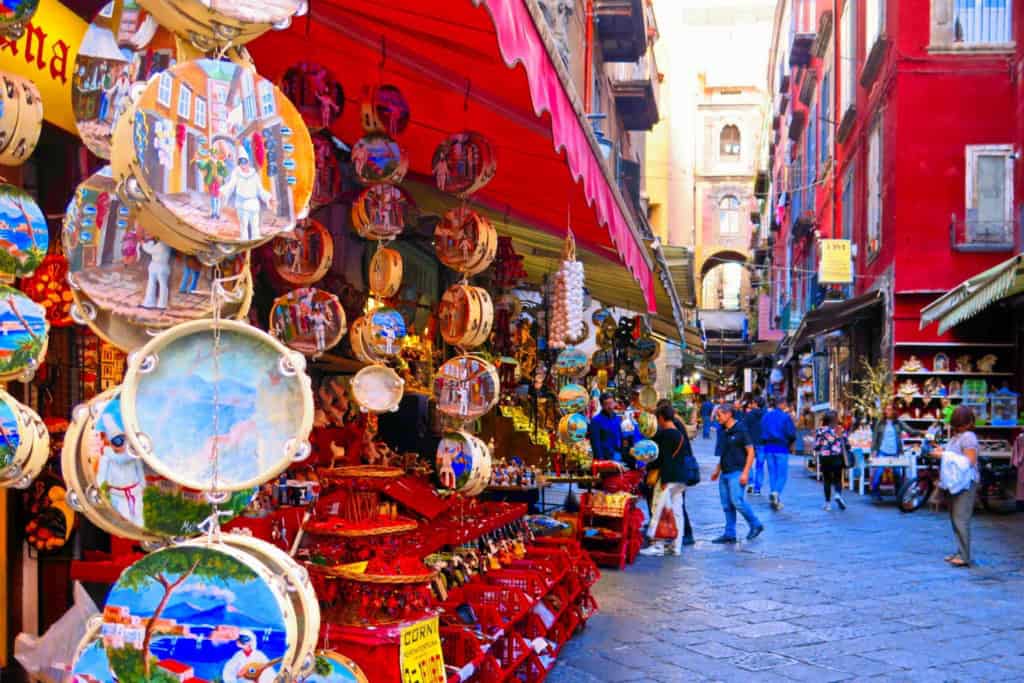
Public transport stations and busy streets can feel chaotic compared to northern cities. That said, many expats and locals live comfortably here by taking normal urban precautions.
Rome
As Italy’s capital and one of the most visited cities in Europe, Rome sees significant levels of pickpocketing, especially around major attractions, transport hubs, and the historic center.
Violent crime remains relatively low, but the volume of tourism means situational awareness is important in daily life.
Milan
Milan is Italy’s economic and fashion capital, but it also reports some of the highest rates of petty theft in the country, particularly around central train stations and shopping districts.
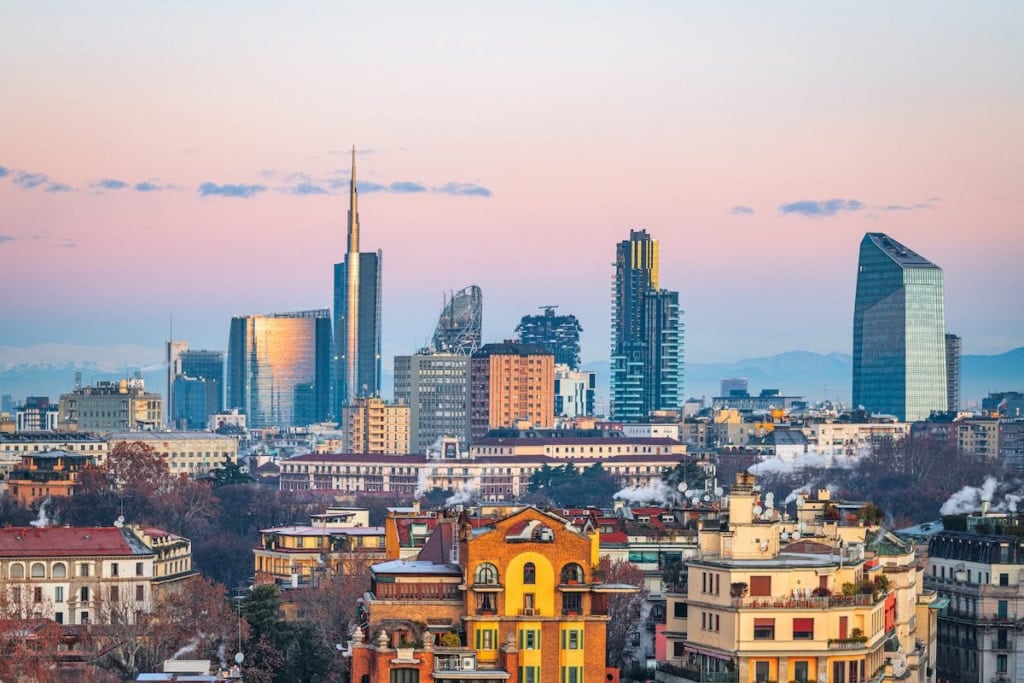
While most residential neighborhoods are safe and well-maintained, expats should be especially mindful in crowded public areas.
Palermo
Palermo is a fascinating and historic city, but it has long faced economic and social challenges that can contribute to uneven safety conditions.
While many areas are perfectly fine for daily life, petty crime and occasional scams are more common than in northern Italian cities, particularly in busy markets and transport hubs.

Crime in Italy’s Cities
The most common safety concern across Italy’s major cities is petty crime, particularly pickpocketing and distraction-based theft.
This is most frequently reported in cities such as Rome, Milan, Florence, Venice, Bologna, Turin, Naples, and Catania. Crime typically follows predictable patterns in high-traffic areas.
Thieves often work in pairs or small groups, with one person creating a distraction, such as asking for directions, staging a spill, or posing as a beggar, while another takes valuables unnoticed.
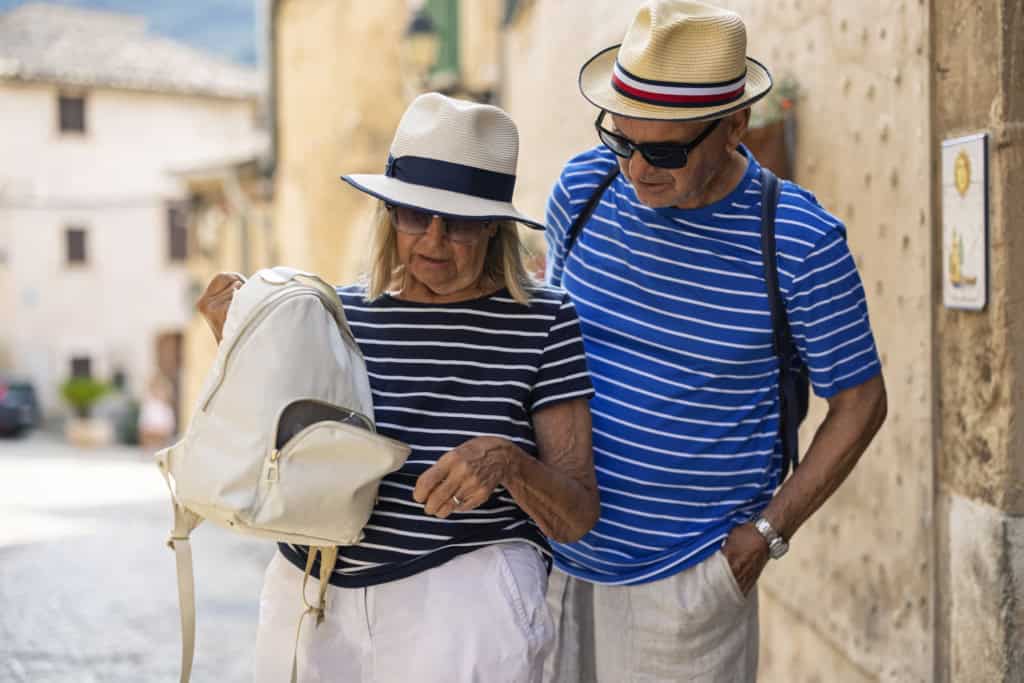
Common hotspots include train stations, metro systems, airports, tourist landmarks, and crowded shopping streets.
Visitors and new arrivals are more likely to be targeted simply because they are less familiar with their surroundings.
To stay safe, basic urban precautions go a long way. Keep valuables close to your body and secure, avoid leaving bags unattended, and remain alert in crowded or high-traffic areas. Cross-body bags or zipped backpacks are generally safer than open totes or loosely worn bags.
Overall, Italy remains a safe destination for expats and visitors alike, especially when standard precautions are taken in busy urban environments.
It’s Time to Live La Dolce Vita!
In 2026, Italy continues to offer a high standard of living across a wide range of cities and lifestyles. From alpine towns and Renaissance centers to major economic hubs and coastal regions, there is something to suit almost every lifestyle.
For expats, the safest choices tend to be smaller or mid-sized cities in the north and central regions. Meanwhile, larger cities remain highly livable but require more attention in crowded areas.
With the right location and basic precautions, most expats live in Italy comfortably and safely, enjoying the country’s culture, climate, and quality of life.
Ready to Move to Italy?
Get free international health insurance quotes and compare plans designed for expats living in Italy.