
Moving to Portugal

Key Takeaways
- Match your residency route to your circumstances. Your nationality, income, and reason for moving determine which visa or registration requirements apply.
- Budget carefully for housing. Lisbon, Porto, and popular coastal areas generally cost more, while smaller inland towns can offer better value.
- Arrange healthcare before arriving. Confirm public healthcare registration requirements and consider private insurance for visa needs, additional provider choices, and potentially shorter waits.
- Organize essential registrations early. A Portuguese tax number (NIF) helps you open a bank account, rent housing, set up utilities, and manage taxes.
For many expats, life in Portugal is hard to beat. From digital nomads and young professionals to families and retirees, people are drawn to its mild climate, excellent healthcare, and relaxed pace of life. Portugal also offers easy access to the rest of Europe, making it an attractive base for work and travel.
Whether you’re relocating permanently or planning a long-term stay, moving to Portugal requires more than simply packing your bags. You’ll need to understand visa options, find housing, set up your finances, register for healthcare, and navigate local bureaucracy. This guide walks you through the essential steps to help make your move as smooth as possible.

Planning Your Move to Portugal? Start Here
From healthcare access to visa requirements, preparation matters. See which international health insurance plan best fits your move abroad.
Why Move to Portugal?
Portugal attracts many expats because it offers a strong mix of safety, lifestyle, affordability, and access to Europe. It is now one of the best places in Europe to live for retirees, remote workers, and families.
At the end of 2025, about 14% of Portugal’s population were foreign residents. This is around 1.6 million people. This shows a large and growing international community, especially in Lisbon, Porto, and the Algarve.
Safety is another key reason people move. Portugal is ranked 7th on the 2025 Global Peace Index. Crime rates are low, and the country is politically stable. This makes it particularly popular among expats looking to move abroad with children.

Daily life is calmer and more predictable than in many larger countries. The climate is also a major draw. Many parts of Portugal have over 300 days of sunshine each year. Winters are mild, especially near the coast. This makes outdoor living possible most of the year.
The cost of living in Portugal is still lower than in most Western European countries. Prices have gone up in recent years, especially in Lisbon and coastal areas. However, daily costs like food, transport, and dining are still often 30–40% lower than in major Western European capitals.
Portugal also offers good infrastructure and strong public services. Healthcare is a major benefit. The public system is widely available, and private care is affordable compared to many other countries.
The country is also well-connected to the rest of Europe. This makes it ideal for remote workers, families, and retirees in Portugal who want to travel.

Legal Requirements for Moving to Portugal
Your first step is determining which visa or residency option applies to your situation.
- EU, EEA, and Swiss citizens can live and work in Portugal without a visa. If you plan to stay longer than three months, you usually need to register your residence with your local council. You’ll also need a Certificate of Registration (Certificado de Registo de Cidadão da União Europeia).
- Non-EU citizens, including those from the United States, Canada, the United Kingdom, Australia, and South Africa, generally need a residence visa before moving to Portugal.
Popular Portuguese Residence Visas
Common long-term visa options include:
- D7 Visa: For retirees and individuals with passive income.
- Digital Nomad (D8) Visa: For remote workers employed outside Portugal.
- D1 Work Visa: For those with a Portuguese employer.
- D2 Visa: For entrepreneurs and self-employed professionals.
- D3 Visa: For highly qualified workers.
- Student Visa: For those enrolled in Portuguese educational institutions.
- Golden Visa: For investors who qualify through approved routes such as investment funds, scientific research, job creation, or cultural contributions. (Note: real estate investment is no longer a qualifying option in most cases.)
Many people now move to Portugal without a traditional job offer. They can do this thanks to options like the D7 and Digital Nomad visas.
Applying for a Residence Permit
Once you arrive in Portugal, you’ll apply for a residence permit with AIMA (Agency for Integration, Migration and Asylum).
Residence permits are typically issued for two years and can usually be renewed. After five years of legal residence, many expats can apply for permanent residency or Portuguese citizenship if they meet the legal requirements.

Citizenship
Essential Documents You’ll Need
Before relocating, you will need to gather certified copies of important documents. Depending on your visa, you may need:
- Valid passport
- Birth certificate
- Marriage certificate (if applicable)
- Criminal background check
- Proof of sufficient financial resources
- Proof of accommodation
- Private health insurance (for many visa applications)
- Passport photos
- Visa approval documents
Getting certified translations and apostilles ready before your move can save you a lot of time later.
Living Costs in Portugal
Portugal is still one of the cheapest countries in Europe and ranks 31st for cost of living in 2026. However, living costs have risen a lot in recent years, especially in Lisbon, Porto, and popular coastal areas.
Your monthly expenses will change based on where you live, your lifestyle, and whether you’re renting or buying a home.
In general:
- Lisbon remains the country’s most expensive city.
- Porto offers slightly lower costs while maintaining excellent amenities.
- Smaller inland towns typically provide the best value.
- The Algarve varies widely, with tourist hotspots commanding premium prices.
Housing is now the largest expense for most expats. Groceries, public transportation, utilities, and healthcare remain comparatively affordable by Western European standards.
Instead of relying on fixed prices that often change, use updated cost-of-living resources to plan your budget.

Where to Live in Portugal
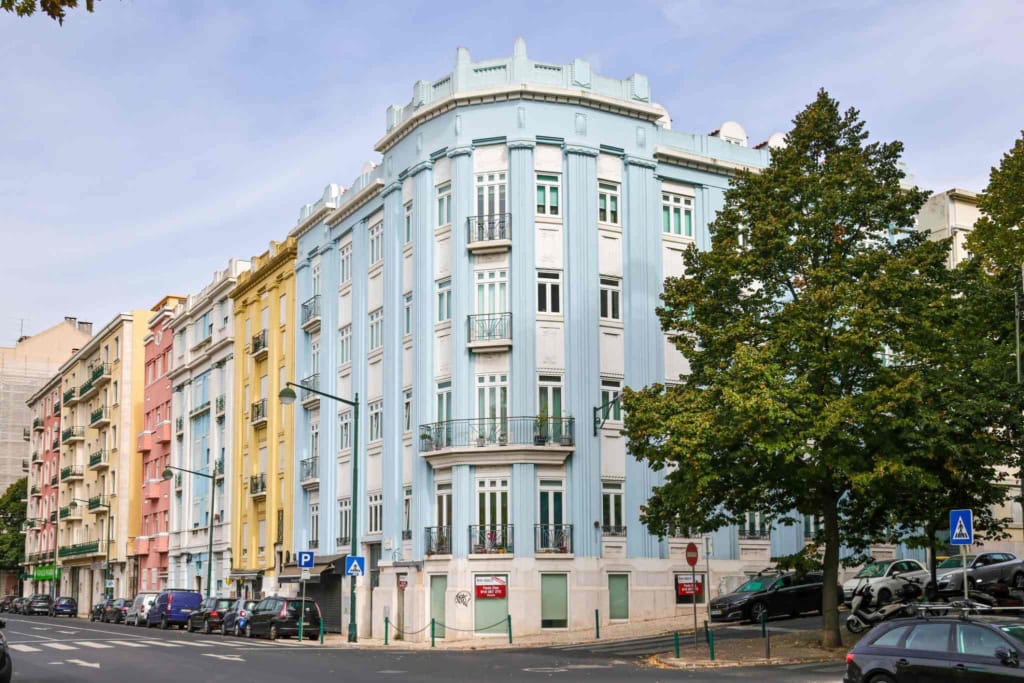
Portugal has it all: city apartments, historic townhouses, coastal villas, and rural homes. Most newcomers rent first before buying property. This lets them explore different areas.
Rental demand has increased considerably in recent years, especially in Lisbon, Porto, and the Algarve. As a result, landlords may request:
- Proof of income
- Employment contract or pension documentation
- Portuguese tax number (NIF)
- Identification
- One or two months’ security deposit
- Several months’ rent paid in advance (in some cases)
The best places to live in Portugal include Lisbon, Porto, Chaves, Braga, and Coimbra. Each location offers a different balance of lifestyle, cost of living, and opportunities for expats.
The Portugal Golden Visa program still exists. However, buying residential real estate no longer typically results in residency. Today, the program focuses on other types of investment. These include investment funds, scientific research, business creation, and cultural projects.
Healthcare in Portugal
Portugal’s healthcare system ranks 20th globally in CEOWORLD’s 2026 Health Care Index and is considered among the best in Europe. It offers both excellent public healthcare and high-quality private medical services.
Legal residents can access the public healthcare system, known as the Serviço Nacional de Saúde (SNS). While many services are free or low-cost, patients may still need to pay small fees for some doctor visits or treatments.
Registering for Healthcare
After establishing residency, you’ll typically need to:
- Register your address with the local authorities (if required).
- Obtain your Portuguese residence permit.
- Register with your local health center (Centro de Saúde).
- Receive your Portuguese healthcare number (Número de Utente).
This healthcare number allows you to access Portugal’s public healthcare services.
Private Healthcare in Portugal
Many expats also choose private health insurance in Portugal. It offers shorter waiting times, access to private hospitals and clinics, and a wider choice of doctors, many of whom speak English. This makes it easier for foreign residents to navigate.
Private healthcare in Portugal is generally cheaper than in many other Western European countries. There are several great plans to choose from, including:
Best Health Insurance in Portugal for Expats

Cigna Global Insurance Plan
- Flexible plans tailored to your needs and budget
- 1.5M+ providers in 200+ countries
- 24/7 multilingual customer support
Best Global Health Insurance in Portugal for US Citizens

BCBS Global Solutions Worldwide Premier
- Unlimited annual and lifetime coverage
- Pre-existing conditions covered with prior insurance
- For U.S. citizens abroad or foreign nationals in the U.S.
Banking, Taxes, and Social Security
Setting up life in Portugal involves a few key administrative steps. While they may sound formal, most expats complete them quickly once they are on the ground.
Banking in Portugal
Opening a bank account in Portugal is often one of the first practical steps after you move. In most cases, the process is simple.
Many major banks in Portugal, as well as digital providers, now allow you to begin part of the process before you arrive. This helps you get organized ahead of your move. Once you are in Portugal, you will usually complete verification in person. After that, you gain full access to your account.

To open an account, you’ll usually need:
- A valid passport or national ID
- A Portuguese tax number (NIF)
- Proof of address in Portugal
- A residence permit (or proof of application)
- An initial deposit, depending on the bank
Once your account is active, managing daily life in Portugal becomes much easier. You can pay rent and utilities, receive income, and handle taxes through one central system. It quickly becomes the core of your financial life in Portugal.

Taxes and the NIF
One of the first steps for any new resident in Portugal is getting a Portuguese Tax Identification Number, known as a NIF (Número de Identificação Fiscal). You can apply for it through the Portuguese Tax Authority (Autoridade Tributária e Aduaneira).
You will need your NIF for most parts of daily life. This includes opening a bank account, signing a rental contract, setting up utilities, and paying taxes. Because of this, it is often one of the first things expats arrange.
Many people choose to obtain their NIF before moving to Portugal. This is usually done through a legal representative or relocation service. Doing this in advance can make it easier to open a bank account and find housing after you arrive.
Social Security (NISS)
If you plan to work in Portugal, either as an employee or as a self-employed professional, you will need to register for social security and obtain a NISS (Número de Identificação da Segurança Social).
Your NISS links you to Portugal’s social security system. This includes pensions, employment benefits, and required social contributions.
In most cases, employers complete employee registration. This means your Social Security is automatically set up when you start a job. If you are self-employed or run a business, you will need to register with the Portuguese social security system on your own.
Once in place, your NISS becomes an important part of your working life in Portugal. It supports access to benefits and ensures you are properly covered under the national system.
Daily Life in Portugal
Life in Portugal is often described as relaxed, social, and outdoors-focused. Daily routines tend to move at a slower pace than in many Northern European countries.
There is also a stronger emphasis on family, community, and quality of life. This makes it one of the most popular countries for U.S. families looking to move abroad.
Culture and Lifestyle
Portuguese culture is warm, social, and community-oriented. Daily life often centers around neighborhood cafés, local squares, and family-run restaurants. This is especially true in the evenings and on weekends, when people gather to eat, talk, and spend time together.

Family remains a central part of society, and it is common for multiple generations to stay closely connected. Across the country, local festivals, seasonal events, and religious celebrations still play an important role in community life. They bring people together and are a regular part of the social calendar in many towns and cities.
Food is also a defining part of daily routines. Fresh seafood, grilled dishes, pastries such as pastéis de nata, and regional wines are widely available and affordable. Local markets are still popular for fresh produce. Many residents prefer them over large supermarkets because they offer fresh food and a more personal shopping experience.
Language and Integration
Portugal ranks 6th globally in the EF English Proficiency Index (EF EPI). English is widely spoken in cities and tourist areas. This is especially true among younger people and service professionals, who often use it in daily interactions.
That said, learning basic Portuguese significantly improves daily life. It helps with admin tasks, social integration, and accessing services outside major expat hubs. Over time, many expats find that even a basic level of Portuguese makes everyday interactions smoother and more rewarding.
Transportation and Getting Around
Portugal has a well-developed public transport system, particularly in Lisbon and Porto. Metro networks, buses, trams, and regional trains make it easy to get around without a car in major cities.
Outside urban areas, having a car becomes more important. It makes daily travel easier and provides access to smaller towns and rural regions that are less well-connected by public transport. The overall infrastructure is reliable, and most major destinations are well connected.
For many expats, this balance of lifestyle, safety, and simplicity is what ultimately makes Portugal feel like home.
Ready to Call Portugal Home?
Moving to Portugal can be an exciting opportunity, but it requires careful preparation. Planning ahead makes the process much smoother and helps you avoid common issues.
You should understand your visa options early, plan your budget realistically, and arrange healthcare coverage before you arrive. It is also important to complete key registrations before and after you move to Portugal.
Whether you are relocating for retirement, remote work, employment, or a new adventure, good preparation will help you settle in with confidence. It also makes it easier to enjoy everything Portugal has to offer from your first day.
Start Your Life Abroad With Confidence
Before you relocate, make sure you have the right health coverage in place. Compare top plans and get expert guidance tailored to your move.
FAQs About Moving to Portugal
-
Yes. Portugal is one of Europe’s top expat destinations thanks to its safety, affordability, climate, and overall quality of life. It ranks 7th on the 2025 Global Peace Index and 6th globally for English proficiency. It also has a mild climate with 300+ days of sunshine in many regions, and living costs are typically 30–40% lower than major Western European capitals.
-
It depends on your nationality. EU, EEA, and Swiss citizens do not need a visa but must register if staying for more than three months. Non-EU citizens (including those from the US, UK, Canada, and Australia) generally need a residence visa such as D7, D8, D1, or D2, depending on their situation.
-
Portugal is still relatively affordable and ranks 31st in Europe for cost of living in 2026. It is typically 30–40% cheaper than major Western European capitals, although Lisbon and Porto are more expensive than smaller towns.
-
Yes. Portugal’s healthcare system ranks 20th globally in CEOWORLD’s 2026 Health Care Index and is considered among the best in Europe. It provides access to a strong public healthcare system (SNS), while many expats also choose private health insurance in Portugal to get faster appointments, shorter waiting times, and access to private hospitals and English-speaking doctors.
-
Yes. After five years of legal residence in Portugal, many expats may be eligible to apply for permanent residency or Portuguese citizenship. Applicants must meet the required legal conditions, including maintaining continuous residence and meeting basic Portuguese language requirements.