
Tips for Moving Abroad
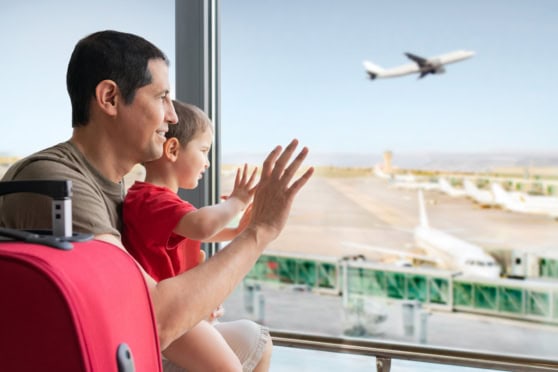
Moving abroad is an exciting adventure, but without the right preparation, it can quickly become overwhelming. Whether you’re chasing career opportunities, studying in a new country, or simply craving a fresh start, planning ahead is essential. So, how can you set yourself up for success when moving to a new country? Here’s everything you need to know to start your new chapter overseas.
Choose a Destination
Deciding where to live abroad is the first step to moving abroad, and several key factors should guide your choice. Safety and cost of living are among the most important considerations, as they can significantly affect your quality of life.
Identify the Safest Places
Safety should always be a top priority when choosing a new home abroad. Researching safety indices, such as the Global Peace Index, crime rates, and cultural norms, can help you understand a destination’s overall stability and security.
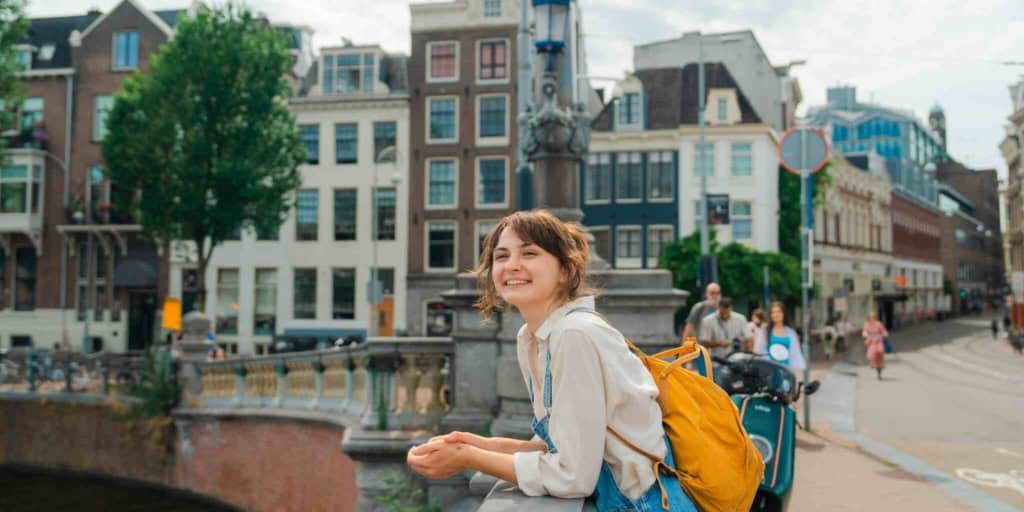
Our article on the safest places to live in the world offers valuable insights into the top destinations for expats. This includes safety ratings, crime statistics, and local cultural factors to consider before moving.
Research the Cost of Living
The cost of living abroad is a major factor in deciding where to live. Expenses can vary significantly from country to country. It’s important to make sure the lifestyle you want is financially realistic before choosing your destination.
For example, some of the most expensive countries to live in may be outside your budget. You may want to consider the cheapest countries if you’re looking to save money and make your move more affordable.
Even within a country, prices can differ significantly from city to city. Make sure to research the specific city you plan to move to rather than just relying on the average cost of living for the entire country.
In some cases, you may even find yourself comparing some of the most expensive cities to live in, where housing and daily expenses can be substantially higher than national averages.

Find the Best International Medical Insurance
- Compare multiple quotes from top insurers
- Get expert advice at no additional cost
- Find the right plan for your needs and budget
Check Legal Requirements
Before moving abroad, it’s crucial to understand each country’s unique visa and legal requirements. Whether you’re relocating for work, study, or long-term residence, securing the correct visa well in advance can help you avoid delays or legal complications.
Some countries may also require additional permits, background checks, proof of financial stability, or even international health insurance. In fact, certain work visas or employers might require you to show proof of a global medical plan before your relocation is approved.
Notably, if you’re moving to America, you must meet specific eligibility criteria based on your visa type. You may also need sponsorship, medical exams, or interviews as part of the process.
To navigate these complexities, read more about the different types of visas for living and traveling abroad.
Find a Job Abroad
Moving abroad comes with many challenges, and working abroad is no exception. If you plan to work overseas, it’s essential to start your job search before your big move. In many cases, securing a job in advance is the key to obtaining the right visa.
Keep in mind that not all countries offer job opportunities in every industry. Depending on your field, your professional skills might not be in demand in your destination country. To protect your financial interests, research international job boards thoroughly before you go.

In addition to using online job boards, try networking by connecting with professionals in your field. Reach out on LinkedIn or join expat communities. Networking can be especially useful if you’re searching for jobs in countries with more competitive job markets.
If you have your heart set on a particular country but can’t find openings in your field, remember – it’s never too late to explore a career change. Upskilling, earning certifications, or even learning a new language could open up exciting new opportunities.

Secure Health Insurance
Your health should be a top priority when moving abroad. However, depending on your destination, you may or may not be eligible for local health insurance.
As mentioned, some countries require proof of coverage before granting a visa, and certain work visas require mandatory healthcare coverage. But even if it’s not legally required, securing global medical coverage ensures you have access to quality healthcare while living overseas.
Before you move, take the time to research your healthcare options. Research the best international health insurance companies and compare global medical plans to find the right solution. Consider factors such as cost, coverage limits, and any exclusions to ensure you choose a plan that aligns with your lifestyle and future needs.
There are several plans specifically designed for expats. If you’re unsure which plan to choose, you can always work with a licensed broker. They can provide valuable insights to help you find the best plan for your needs.
By securing the right coverage in advance, you’ll have peace of mind knowing you’re protected in case of an emergency while living abroad.
Find the Best International Medical Insurance
Get free quotes and compare international health insurance plans designed for expats moving overseas.
Find a Place to Live
Once your visa, job, and health insurance are sorted, the next step to moving abroad is finding a place to live. Many people prefer to begin their housing search after confirming the location of their job or their child’s school.
Depending on factors like your job, rental prices, and whether your move is temporary or permanent, finding the right home can take anywhere from a few weeks to a few months. Ideally, you’ll want to secure housing before you arrive by researching apartments and rental properties online.
You can use platforms such as Airbnb, Booking.com, and HousingAnywhere to find both short-term and longer-term options in advance. However, if you’re unsure about which neighborhoods are best, consider booking a temporary rental for your arrival.
This will give you a place to stay while you explore the city and search for a more permanent home in the right neighborhood.
Keep in mind that while finding affordable lodging for a few nights in tourist-heavy areas is usually easy, you might need to book accommodation in a nearby town and commute during your initial days if you’re moving to a more remote location.

Rent Before You Buy! Many expats choose temporary accommodation to buy themselves time to get a feel for their new city before committing to a long-term rental or purchasing property abroad. If you can’t secure housing before you arrive, this flexible approach allows you to make a more informed decision.
Enroll Your Child in School
If you plan to move abroad with children, researching schooling options should be a top priority. Depending on your destination, you may have several options. This might include enrolling your child in a local public school or an international school specifically for foreign citizens.
In fact, around 35% of expat parents choose international schools for their children. This makes it one of the most popular education pathways for families moving overseas.
Before making a decision, take time to explore the different types of schools available, including their curricula and language requirements. Some international schools may follow the curriculum of your home country. However, local schools may require your child to learn the local language.
Once you’ve chosen the best option for your child, gather all necessary documents. This typically includes current school transcripts, medical records, and proof of residency. Be prepared to complete the admission applications well in advance, as waiting lists or specific deadlines can sometimes apply.

Moving Abroad
Relocate Your Pet
Moving abroad with pets requires careful planning, which you should start well in advance. Many countries have specific entry requirements, including vaccinations, health certificates, and, in some cases, mandatory quarantine periods.
These requirements can vary significantly depending on your destination country. The entire process can take anywhere from one to six months, depending on your pet’s health and the country’s regulations. It’s important to factor this timeline into your initial relocation plans to avoid any last-minute stress.

In addition to health and vaccination requirements, you’ll need to arrange transportation for your pet. Research your options thoroughly, whether through a pet relocation service or direct airline transport. Ensure your pet will be safe, comfortable, and well cared for during the journey.
Finally, be sure to check any post-arrival pet regulations at your destination. This might include mandatory check-ups or permits required to keep your pet in the country. By researching and preparing early, you can ensure a smooth relocation for you and your furry companions.
Budget for Your Move
Once you’ve decided what to bring with you (including any pets), the next step is arranging for their delivery to your new home. Whether you’re moving to a nearby town or halfway around the world, relocation comes with costs, so it’s important to budget for your move.
Understand Relocation Costs
When planning your budget, make sure to include not only the cost of movers and shipping but also the initial setup expenses on the other end.
Depending on where you’re moving, you may need to account for boxes, shipping containers, air freight, rental vans, or even professional international relocation companies.

Moving Abroad
If you’re crossing an ocean, these costs can quickly add up when you factor in international travel and shipping fees. That’s why it’s essential to plan your relocation expenses well in advance.
Booking flights and shipping services early can help you secure better deals and save money. The earlier you book, the more likely you will find the best deals on plane tickets and more affordable relocation services.
To stay organized and ensure a smooth transition, our Ultimate Moving Abroad Checklist will guide you through the process.
Plan for Initial Settling Expenses
Upon arriving in your new country, you’ll quickly discover that getting settled involves various costs. These may include security deposits, utility setup fees (such as for electricity and internet), and furnishing costs.
Utility setup costs can vary significantly from country to country, so be sure to include them in your budget. Furnishing an apartment on a budget can be challenging in some countries. It’s a good idea to research alternatives such as second-hand shops, local markets, or online platforms before you move.
If you haven’t found a permanent place to live yet, you might need to consider temporary accommodation and transportation expenses. Planning for these initial settling costs will ease the financial stress of your transition and make the process smoother.
Set Up a Bank Account
Opening a bank account in your new country is essential for managing your finances while living abroad. An international bank account makes it easier to access your savings and credit, especially if you travel often. Choosing a large, reputable international bank ensures you can access your money across multiple countries.
If you already have money in a global bank, you might think you have this covered. But there’s one main thing to remember – foreign transaction fees.
Your current bank may offer international access to your money, but be aware that it might charge fees for withdrawals or credit card transactions abroad. These fees can add up quickly, so it’s crucial to check with your bank and confirm any additional costs.

It’s also a good idea to familiarize yourself with the local currency and exchange rates. At first, thinking about your expenses in terms of your home currency can make it easier to track your spending.
However, as you get used to living in your new country, you’ll eventually adjust to thinking in the local currency. This will help you better understand the value of things and make managing your money feel more natural over time.
Lastly, be sure to research the local tax rates, so you know how much of your income will be taxed in your new country. This will help you plan your finances effectively and avoid any surprises.
Ship Your Belongings
Once you’ve sorted your accommodation, the next step is to pack and ship your belongings. Packing is often one of the most stressful aspects of moving abroad. It requires careful consideration of what to take with you and what to leave behind.
A helpful way to approach packing is to separate your belongings into three categories: store, ship, and trash. The less you take with you, the easier (and less expensive) the move will be. Deciding what to keep can be tricky, but it often depends on how long you plan to stay abroad.

If you’re moving for an extended period, packing and shipping your important belongings makes sense. However, if you think you’ll only be abroad for six months or a year, storing most of your items at home is more cost-effective.
If you decide to store items in your home city, make sure you have a reliable storage facility and leave the key with a trusted family member or friend. That way, you can always ask them to ship items to you if you need them.
To Pack or to Buy? Consider whether you need certain items, such as winter clothes or seasonal gear, or if you can buy them in your destination. Sometimes, buying things in your new country can be more practical than shipping them from abroad.
Learn the Language
Unless you’re already fluent in the local language, you’ll likely face some language barriers. Learning a few basic words and phrases in the country’s national language will make it easier to get around and connect with others.
While you’ll immerse yourself in the culture once you arrive and settle in, it’s helpful to familiarize yourself with any cultural norms beforehand. Understanding local customs can help you overcome culture shock and avoid misunderstandings, making the transition smoother.
For example, in Japan, it’s customary to bow when greeting someone and remove your shoes when entering a home or specific indoor spaces as a sign of respect.
Meanwhile, in Brazil, personal space is less of a priority than in many Western cultures, and close physical contact during conversations is common. Punctuality is also often more relaxed, especially in social settings.
In the Middle East, dressing conservatively is important, particularly in public spaces. Handshakes are a common greeting, but may not be extended to the opposite sex. Additionally, hospitality plays a key role in social interactions. For instance, accepting tea or coffee when offered is considered polite, while declining could be seen as rude.
Excited to start your adventure abroad? Let us help make the journey stress-free. Use our Ultimate Packing List for Expats to ensure you are fully prepared and have everything you need. Before you go, secure your health coverage by requesting free quotes from top global insurers.