International Health Insurance
Gain valuable insights and practical tips for navigating international health insurance while living abroad. From coverage details to expert advice, this comprehensive guide helps travelers…

International medical cover for expats and their families.
Medical and trip cancellation coverage for international travel.
Life insurance for globally mobile individuals living or working abroad.
Comprehensive benefits for international teams.
Insights on international relocation and global mobility.
Download our brochures or follow us on socials.
Most Popular Country Guides
Healthcare, insurance, and living insights to plan life and travel in each destination.
Healthcare, safety, and practical guidance for living abroad.
Tips and guidance for safer, smarter international travel.
Resources for global mobility, HR, and international teams.
Popular and recently published guides from our team.
Emergency evacuation plans ensure transport to quality care during serious illness or injury, especially in remote areas abroad.
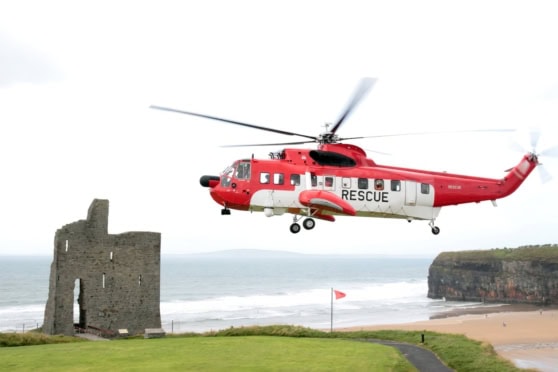
Medical evacuation insurance, also known as medevac insurance, covers the cost of transporting you to a suitable medical facility if you experience a serious illness or injury in an area without access to adequate healthcare. This coverage is especially beneficial for travelers or expats in remote or low-resource locations, ensuring access to high-quality treatment when local options are lacking.
Comprehensive medevac plans can also include transport closer to home if you wish to continue treatment there. While some international travel and long-term health plans offer limited medevac coverage, those far from quality care may need a separate emergency medical evacuation plan.
Travel medical insurance offers a broader range of medical and travel-related protections. A standalone medical evacuation plan focuses on specialized transport and benefits for hospital choice.
Benefit | Medical Evacuation Insurance | Travel Medical Insurance |
Medical Treatment Coverage | ||
Emergency Medical Evacuation | ||
Trip-Related Benefits | ||
Return of Remains | ||
Focused Evacuation Benefits | ||
Choice of Hospital |
Travelers who need comprehensive medical coverage and additional trip benefits may prefer travel medical insurance, while those seeking flexible evacuation options and destination choice should consider a standalone evacuation plan.
Purchasing medical evacuation travel insurance provides essential peace of mind for travelers who may find themselves in areas with limited healthcare.
Suppose you experience a severe illness or injury while abroad. In that case, medevac insurance ensures transportation to the nearest appropriate medical facility, or even back home for continued treatment if necessary.
This coverage benefits individuals visiting remote or under-resourced locations where high-quality medical care is not readily available. It can also help avoid high out-of-pocket costs for emergency transport, which can be extremely expensive without insurance.
The Centers for Disease Control (CDC) notes that evacuations from low-resource areas to high-quality hospitals can exceed $100,000, so aim for a plan that covers at least that much.
When you venture to incredible, off-the-beaten-path destinations, local medical care may not measure up to the standards you’re used to.
Hospitals and clinics in remote areas often lack the specialized doctors and advanced medical equipment available in larger cities. In these cases, medical evacuation insurance covers transporting you from an insufficient facility to one equipped to provide proper treatment.


Advice
The U.S. Department of State mandates that J-1 visa holders and their J-2 dependents maintain health insurance throughout their stay in the United States. This insurance must include:
These requirements ensure that exchange students and visitors on J-1 visas have adequate financial protection against unforeseen medical expenses.
The StudentSecure insurance plan offers up to $300,000 in emergency medical evacuation benefits to ensure you receive appropriate care when needed. If you experience a covered injury or illness and adequate medical facilities are unavailable locally, the plan will arrange and cover your transportation costs to the nearest suitable medical facility.

StudentSecure Insurance
Medical evacuation insurance typically covers the cost of emergency transportation to a suitable medical facility when a person experiences a severe illness or injury in a location without adequate healthcare resources.
Here’s what this coverage usually includes:
Medical evacuation insurance primarily focuses on transportation rather than treatment, and therefore generally does not cover hospital medical expenses.
For comprehensive protection, travelers often combine medical evacuation insurance with an international travel or global health insurance policy that covers medical treatment and other related expenses.
If you hold a travel or long-term international insurance policy, it may already include medical evacuation coverage, typically with limited emergency transport benefits. Usually, this benefit allows transportation to the nearest hospital that can treat your condition.
You can purchase a medical evacuation-specific policy for more comprehensive coverage. Please note that these policies only cover transportation, not emergency medical care. With medevac-only coverage, you can arrange transport to a high-quality facility at no additional cost; however, the plan does not cover treatment once you arrive.
Many travel medical insurance plans include basic evacuation as part of their benefits. If you already have a travel medical policy, review it to see if it provides emergency medical evacuation and, if so, the extent of that coverage. Check the specifics, such as maximum coverage amounts and whether additional benefits, like repatriation of remains or family travel arrangements, are included, to ensure it meets your needs.
Below is an overview of our travel medical plans that provide medevac benefits.
Read more about the BCBS Global Solutions Single Trip plan.
Read more about the IMG Patriot Platinum plan.
Read more about the WorldTrip Atlas Travel plan.
Some long-term international health insurance policies include a medical evacuation benefit, but it’s less common than in travel insurance plans.
Since global medical plans are designed for individuals residing abroad, they tend to focus more on providing high-quality local care.
It is essential to review your policy to understand the type and level of medical evacuation coverage it includes. Some plans cover evacuation up to $50,000, while others offer it only as an optional or premium benefit.
The Cigna Global Medical Insurance Plan offers International Evacuation Crisis Assistance Plus™, an optional add-on module that provides comprehensive support during medical emergencies and critical situations while traveling internationally.
Key Features of International Evacuation & Crisis Assistance Plus™
The BCBS Global Solutions Worldwide Premier plan offers comprehensive emergency medical evacuation benefits, providing up to $250,000 in coverage for transportation to the nearest appropriate medical facility when local care is inadequate. Additionally, the plan includes repatriation of mortal remains, offering up to $25,000 to return remains to your home country in the event of death.

For a more comprehensive medical evacuation option beyond your travel medical or long-term international health plan, consider a Medjet membership. With Medjet, you can be transported home to your preferred hospital without prior approval in the event of a medical emergency.
Medjet offers membership plans to residents of the United States, Canada, and Mexico. It offers two primary membership plans: MedjetHorizon and MedjetAssist, each designed to provide comprehensive medical transport and travel security services.
This plan focuses on medical transport services to ensure travelers receive appropriate care.
Key benefits include:
Building upon MedjetAssist, MedjetHorizon offers comprehensive travel security and crisis response services.
Key benefits include all MedjetAssist benefits and:

MedjetHorizon Travel Protection
Medjet offers a variety of membership plans tailored to different travel needs. Pricing is based on factors such as membership type, duration, and coverage level.
|
MedjetAssist Membership
|
Individual Cost
|
Family Cost
|
|
Annual Membership
|
$315 /year
|
$425 /year
|
|
8-Days
|
$99
|
$198
|
|
15-Days
|
$155
|
$260
|
|
21-Days
|
$200
|
$335
|
|
30-Days
|
$225
|
$395
|
|
MedjetHorizon Membership
|
Individual Cost
|
Family Cost
|
|
Annual Membership
|
$474 /year
|
$614 /year
|
|
8-Days
|
$189
|
$318
|
|
15-Days
|
$245
|
$380
|
|
21-Days
|
$290
|
$455
|
|
30-Days
|
$345
|
$515
|
Selecting the appropriate Medjet membership involves evaluating your travel habits and desired level of coverage. MedjetAssist and MedjetHorizon plans are available in short-term and annual membership options.
If you’re a Medjet member and require medical evacuation, follow these steps to utilize your membership benefits:
No matter where you are, emergencies can happen, and getting home might become essential. While it’s not something we like to consider, having emergency evacuation and repatriation coverage is crucial.
Ensure you’re covered for access to quality care if things go wrong. If you’re uncertain about which plan suits your needs, reach out to one of our licensed brokers-they’re ready to help you find the right coverage for a safe journey home!
Medjet is a top choice for medical evacuation services, offering unique benefits that appeal to travelers looking for flexibility and control in emergencies.
The company’s primary membership options—MedjetAssist and MedjetHorizon—provide hospital-to-hospital medical transport within your home country, allowing you to choose your preferred hospital regardless of medical necessity. This especially benefits travelers who want to recover near family or a trusted facility.
This type of coverage is ideal for those who prioritize flexible, high-quality care and want the peace of mind of knowing they can be transported to a hospital.
Yes, some Medjet-authorized affiliate aircraft can transport up to two critical patients simultaneously and can deploy multiple aircraft if needed. Additionally, through our affiliate network, we can accommodate several non-acute patients on a single aircraft for transport.
No, Medjet does not own, lease, or operate any aircraft. Instead, it functions as an authorized Indirect Air Carrier (IAC), utilizing the services of licensed Part 135 air carriers to meet your air ambulance transportation needs.
Medjet coordinates and contracts for air transportation services in its own name, ensuring that all flights are operated by licensed direct air carriers.
Medjet ensures high standards for the aircraft and crews utilized in their medical transport services:
These stringent requirements are in place to ensure the safety and well-being of patients during medical transports.
Medjet’s authorized affiliate aircraft are equipped to function as flying intensive-care units, ensuring comprehensive medical care during transport. Each aircraft is fitted with state-of-the-art medical equipment and staffed by specialized medical teams trained in managing critically ill or injured patients at altitude.
This setup allows for the accommodation of one critical patient, a family member, and the medical team, providing continuous and advanced medical support throughout the journey.
During a medical evacuation, the method of transport depends on your condition, the urgency, and the distance to the appropriate medical facility. Here are the most common methods:
Air Ambulance: A medically equipped aircraft (air ambulance) is typically used for critical cases requiring rapid, long-distance transport. These jets are outfitted with advanced medical equipment and staffed with medical professionals to provide care en route.
Commercial Flight with Medical Escort: A commercial flight can be arranged for stable patients who don’t need intensive support. A medical escort (such as a nurse or paramedic) will accompany the patient to monitor and administer necessary care.
Helicopter: For short distances or remote areas where an air ambulance jet cannot land, helicopters provide rapid evacuation to the nearest suitable hospital or airfield.
Ground Ambulance: Often used in combination with other transport, ground ambulances transfer patients from local facilities to airports or between medical centers when air transport isn’t feasible or necessary.
Private Jet with Medical Staff: In certain cases, a private jet is chartered with a specialized medical team, providing more personalized care, especially when the evacuation covers long distances and the patient requires more comfort.
Each method is chosen based on the situation’s specifics, with patient safety and continuity of care as the top priorities.
Medical evacuation coverage can be beneficial for U.S. travel, depending on several factors:
Travel to Remote or Rural Areas: If you’re visiting remote parts of the U.S. where healthcare facilities are limited, evacuation coverage can help cover the cost of being transported to a hospital that can provide adequate care.
Specialized Medical Needs: If you have a medical condition requiring specialized treatment, evacuation coverage could allow you to be transferred to a hospital of your choice, potentially closer to home or with specific expertise.
Flexibility in Transport Choice: Some plans, like Medjet, allow transport to your preferred hospital or even back home if you’re hospitalized more than a certain distance from your residence, regardless of medical necessity. This option is helpful if you’d prefer to be treated closer to family or in familiar healthcare facilities.
Cost of Medical Transport: Medical transportation, particularly by air, can be costly. While most health insurance plans cover emergency services like ambulances, non-emergency medical transport, especially across state lines, might not be. Evacuation coverage could help offset these costs.
Evacuation coverage may not be essential for most travelers within the U.S. if they’re staying in areas with accessible healthcare. However, it can provide added peace of mind and financial protection for those traveling to isolated areas or with specific health concerns.
Whether medevac insurance is worth it depends on your travel habits, destinations, and health considerations.
Medevac insurance is highly valuable if you frequently travel to places where quality medical facilities are scarce. In emergencies, it can cover costly transport to a better-equipped facility, which can be critical in rural or isolated areas.
Some medevac plans, like Medjet, allow you to choose the hospital you wish to be transferred to, even back home. This flexibility can be beneficial if you prefer treatment near family or in familiar medical settings.
Also, if you have a medical condition that requires specialized care, medevac insurance can offer peace of mind, knowing that if an emergency arises, you can be quickly transported to an appropriate facility.
In summary, medevac insurance can be a worthwhile investment for those traveling to remote destinations with underlying health concerns or wanting the freedom to choose their hospital. It offers financial protection and peace of mind.
Medicare generally does not cover medical evacuation or transport services, especially when traveling outside the United States.
If you are a Medicare beneficiary who travels frequently or plans to travel internationally, you might consider a supplemental travel medical insurance plan or a standalone medevac plan (such as Medjet), as these can offer comprehensive evacuation coverage that Medicare lacks.