
International Health Insurance
Gain valuable insights and practical tips for navigating international health insurance while living abroad. From coverage details to expert advice, this comprehensive guide helps travelers…

International medical cover for expats and their families.
Medical and trip cancellation coverage for international travel.
Life insurance for globally mobile individuals living or working abroad.
Comprehensive international medical coverage for groups.
Medical, accident, and liability protection for global travel.
Financial protection for employees worldwide.
Most Popular Country Guides
Healthcare, insurance, and living insights to plan life and travel in each destination.
Healthcare, safety, and practical guidance for living abroad.
Tips and guidance for safer, smarter international travel.
Resources for global mobility, HR, and international teams.
Learn about health insurance in Japan, including coverage options, costs, how to apply, and tips for accessing medical care as a foreigner.
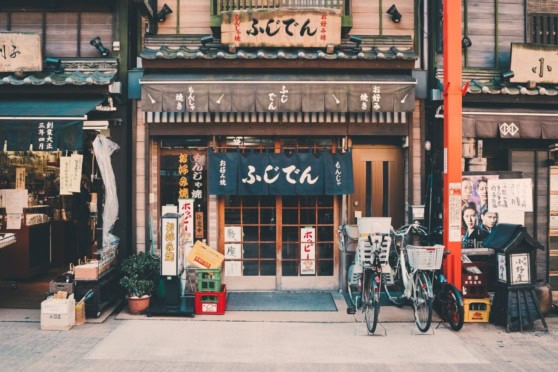
Japan is a popular expat destination. Some come to live near Mt. Fuji, ski, and eat sushi. History buffs hop on high-speed trains to visit Kyoto, Nagasaki, and Hiroshima. Others arrive to pursue new career opportunities or study at a university. The high safety rating only adds to its appeal. Luckily, no matter your reason for moving to the land of the rising sun, there are excellent options for health insurance in Japan.
Japan provides universal healthcare, where the government covers 70% of all costs. All residents are required to have health insurance coverage, whether provided by their employer or purchased privately.
You’ll find that most people tend to carry supplemental private insurance to help pay for the 30% of medical fees that the universal program doesn’t cover. This private insurance also covers services not covered by the public system, such as orthodontics.

Japan has had universal coverage since 1961, and foreigners can be a part of the system. The government pays for 70% of medical fees under the current healthcare system. The payments are funded through two plans: SHI and NHI.
Social Health Insurance (SHI) is the program to which all full-time employees of medium- and large-sized companies are automatically enrolled.
Self-employed individuals and employees of small businesses contribute to the National Health Insurance Program (NHI). Contribution rates vary depending on income.
Even if they’re eligible to use the public system, many immigrants opt to purchase International Health Insurance.
Within two weeks of moving to Japan, you are required to enroll in a health insurance plan. However, registering with the SHI and NHI requires time and effort. You’ll want to ensure you have full coverage while waiting to be approved for these public programs.
Overall, SHI is more economical than NHI. The cost of SHI is split between the employee and the employer. Furthermore, SHI includes coverage for family members while NHI does not. Unemployed people must also register with the NHI.
If you’re buying a private plan, the cost of health insurance in Japan will vary depending on many factors. Your age, the level of coverage you desire, and the plan you choose all factor in.
The cost for a 45-year-old single man with a Cigna Global plan ranges from $200 to $500 per month, depending on the benefits you choose and your country of nationality.
Americans or other foreign residents who intend to live in Japan for 3 months or more can join the NHI. But until your application is approved, you are on your own for any medical fees.
Even if you work for a company that provides SHI, it takes one year to come into effect. In the beginning, you’ll need to register with the NHI. Either way, you’ll want to have an international health insurance plan to ensure continuous coverage.
To apply for the NHI, you’ll need to visit your local office with the following supporting documents: a passport, a visa, a confirmation of employment, and proof of income from the previous year.
When you receive your health insurance card, don’t lose it! Without it, you’ll have to pay for 100% of your medical costs up front instead of the usual 30%. You’ll eventually be reimbursed, but it’s a hassle.
Foreigners moving to Japan to teach English as a second language should note that some less-than-scrupulous companies allow employees to log only 29.5 working hours per week.
You must work 30 hours a week to be considered full-time and eligible for SHI. This is their sneaky way of avoiding paying the employer’s share of SHI.
If teaching ESL is in your future, speak with other teachers to inquire how their company handles NHI and SHI. Make sure you read the fine print in your contract to determine how the company defines “full-time” and whether it aligns with the SHI definition.
The Cigna Global plan is available to all expats and international citizens living in Japan. It is comprehensive, offers a range of coverage and pricing options, and has excellent service.

U.S. citizens or expats living in Japan may want a plan that is tailored to their specific needs. BCBS Global Solutions Worldwide Premier offers a variety of options, including access to a premium network of doctors and hospitals worldwide.
What makes this plan special is that it provides up to nine months of coverage in the USA each year.

There are several options available for both students and scholars, depending on how long you plan to stay in Japan and your country of origin.
IMG offers the Student Health Advantage plan for students or scholars studying abroad or enrolled in foreign colleges and universities.
It is designed for international students and scholars in long-term educational programs. It’s also available for groups of five or more.

If you will be studying there for less than a year, then WorldTrips offers the Student Secure plan for international students enrolled in foreign schools. The Student Secure plan is ideal for foreign students.

For U.S. students studying in Japan, the BCBS Global Solutions Worldwide Specialty plan is an excellent option. It offers high-quality coverage worldwide for international students and faculty studying abroad for three months or more.
If you’re visiting Japan for a short trip, a travel medical plan for Japan might be better for your needs. These plans cover people who are outside of their home countries for as little as five days.
There are different types of travel insurance, each with its own advantages. Most travel insurance plans cover medical care and also help with returning home or evacuation if needed.
If you’re in Japan to ski, you might also look into adventure sports travel insurance. Purchasing travel insurance for Japan will ensure you have access to international doctors, 24/7 travel assistance, and other benefits, so you can focus on enjoying your trip.
Group insurance plans are also available. If you have employees who live in Japan or regularly travel there, you’ll want to ensure they have medical coverage.
Immigrants, like all residents, must rely on the public system for nearly all their primary care needs. That’s because, by law, all hospitals in Japan must be not-for-profit.
All clinics must be owned and operated by physicians. The limited private system is predominantly focused on elective and cosmetic procedures.
Be aware that patient communication in Japan may differ significantly from what you are used to in your home country. Questioning your doctor’s orders and instructions or even asking for further explanations or clarifications is rarely done. Rules are rigid.
The concept of a patient’s “right to know” isn’t commonplace. This can make using the local healthcare system more stressful than it needs to be.
It helps to speak with other expats to know what to expect. You might also bring a trusted friend or colleague with you for moral support.
Whether you’re staying in Japan for one year or longer, language barriers are a significant problem. Not all physicians and nurses speak English. Even expats who can speak conversational Japanese may find medical terminology a challenge.
Choosing a supplemental insurance plan that includes an excellent support program is key. The staff can help you connect with English-speaking medical staff.
They can arrange for hospital stays at familiar facilities. Certain plans also include interpreters and home-care assistance.
In Japan, general practitioners are far less common than in other countries. The majority of physicians are licensed in a specialty. Patients make appointments directly with the specialist they need.
Japan Healthcare Info is an organization that offers free healthcare-related services to foreigners. They can recommend a specialist, book appointments, provide hospital interpretation services, or offer general advice.
They’re a good first point of contact if you’re looking for a family physician. You can also consult with your insurance provider for a list of doctors they work with.

It might feel strange to go to the hospital when you’re feeling just a little unwell. After all, a sore throat or upset stomach isn’t an emergency. However, unless you have a family doctor or know which specialist you need to see, going to the hospital is the first step.
Hospitals in Japan are used far more often for non-emergencies than in other countries. The staff can arrange your follow-up appointments at a clinic that specializes in your needs. Before you leave home, make sure you have your Japanese health insurance card!
If you need emergency services, call 119 for an ambulance or 110 for the police.