

International Health Insurance
Gain valuable insights and practical tips for navigating international health insurance while living abroad. From coverage details to expert advice, this comprehensive guide helps travelers…

International medical cover for expats and their families.
Medical and trip cancellation coverage for international travel.
Life insurance for globally mobile individuals living or working abroad.
Comprehensive international medical coverage for groups.
Medical, accident, and liability protection for global travel.
Financial protection for employees worldwide.
Most Popular Country Guides
Healthcare, insurance, and living insights to plan life and travel in each destination.
Healthcare, safety, and practical guidance for living abroad.
Tips and guidance for safer, smarter international travel.
Resources for global mobility, HR, and international teams.
Discover the best travel insurance for Ireland for medical emergencies, trip cancellations, and more, along with expert tips for a safe trip.
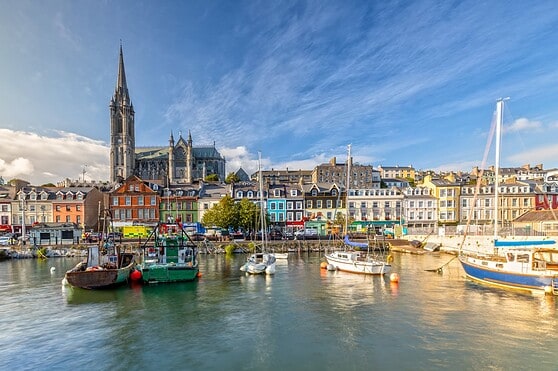
It’s said that on St. Patrick’s Day, everyone claims some Irish ancestry, and it’s not altogether untrue. An estimated 70-80 million people worldwide self-identify as having Irish heritage. Add in legendary hospitality, breathtaking natural landscapes, and complex history, and it’s no wonder Ireland is one of the world’s most beloved destinations, equally popular with students, visitors, and independent thrill-seekers.
However, visiting Ireland is not without risk, so make sure you have Irish Travel Insurance before arriving. It’s nearly as easy to travel in Ireland as it is to fall in love with it. Ireland has excellent health care, and citizens of the European Economic Area and Switzerland are entitled to the same public health services as Irish citizens.
Australian citizens enjoy a reciprocal healthcare agreement with Ireland, which means they are entitled to receive emergency public hospital treatment, subject to the standard charges for non-medical cardholders. Registered international students enrolled in an approved course of study lasting one year or longer are also covered. But if you’re not from one of these countries or groups, you’ll need a quality travel insurance plan to cover your travels.

Your most significant consideration might be the weather. Most travelers advise you to travel light. However, a visit to Ireland might require one more sweater than usual.
A visa is generally not required. However, there are certain countries where you must get a visa before visiting. For details, go to Irish Visa Advice.
There are no vaccine requirements for visiting, but it is recommended that all travelers be up to date on their routine immunizations, including tetanus, MMR, and influenza (particularly if traveling during flu season, which in Ireland typically runs from October to April).
Rabies is present in bats in Ireland; therefore, travelers engaged in adventure activities, such as cave exploration, should consider vaccination.
Don’t forget to purchase a comprehensive travel medical insurance plan for your trip.


All prescription medications should be transported from the pharmacy in their original containers, with the prescription label intact.
Pharmacies, indicated by a green cross, are generally open Monday to Saturday, with some larger urban centers offering limited evening and Sunday services.
If you are prone to hay fever or seasonal allergies and plan to travel extensively in the Irish countryside, an over-the-counter antihistamine can offer comfort and relief.
These and other common, over-the-counter, nonprescription medications can be found in pharmacies, grocery stores, and convenience stores.
Even gas stations and newsagents will have a small selection of essential items, such as painkillers and cough medication, should you find yourself in need.
Note: Hospitals in Ireland may not accept American insurance coverage. Patients are expected to pay all costs up-front at the time of treatment and apply for reimbursement from their own travel insurance later.
U.S. Deptartment of State
Don’t get so caught up in Ireland’s charm that you don’t watch where you’re going. Cobblestone streets can be an adjustment for North American visitors in particular – and that’s before you’ve had any Guinness!
Another area to watch your step is along Ireland’s beautiful coastline. The fences, barriers, and warning signs aren’t mere suggestions; sticking to the approved path is critical for visitor safety.
Lyme disease is present in Ireland. To avoid being bitten by an infected tick, wear long-sleeve shirts and pants while enjoying coastal walks in any forested location or in areas covered with long grasses and thick vegetation.
Hikers and campers are recommended to use insect repellent containing 20% DEET, and they may also consider treating their clothing and gear with permethrin spray.
While Irish people like to joke about their country’s rainy, damp weather, Ireland also enjoys plenty of bright sunny days, and hazy days can suddenly turn hot. Sunscreen is your friend.
Medical services are excellent and ranked among the best in the world. For an extended period, international citizens and students living in Ireland are eligible for free or affordable subsidized medical care.
Ireland’s multi-tier system means that qualified internationals can choose to use either the government or the private system (which may require full payment in advance).
A private International Health Insurance will cover you in Ireland as well as throughout the rest of the world. Select a plan tailored to your lifestyle and specific needs.
Walk-in clinics are not common in Ireland, but a local or hotel concierge will be able to help you identify a general practitioner’s (GP’s) office for non-emergency doctor visits.
They should also be able to assist you with a call to set up an appointment. The average visit costs up to 100 Euros, and it is usually necessary to pay in cash.

General Practitioners (GPs) are family doctors. They are often the first doctors people see about a health problem.
GPs are usually part of the private healthcare system, and so you will usually need to pay charges when you see one. However, you can see a GP without being charged for the visit if you have a medical card or a GP Visit Card.
Doctors in Ireland keep strict business hours. After-hours care is accessed through hospitals for serious concerns or, more commonly, through a visit to the DOC – the doctor on call.
You can expect to pay approximately 100 euros for a DOC visit. Once again, your hotel can help you set up the appointment, or a pharmacist can make a recommendation.
Whether the doctor tends to your concerns by day or night, seeing them is necessary if you require a specialist’s services. A GP must always submit a request for a specialist consultation. However, no GP referral is required for a visit to the A&E, a hospital’s Accident and Emergency Department.
Hopefully, this is not one part of Ireland you’ll become acquainted with! However, if you do, please note that standard visits start at 100 Euros.
The majority of hospitals are owned and funded by the Health Service Executive (HSE) or are voluntary public hospitals, which are subsidized but privately operated.
Although public hospitals are more affordable, they are often crowded and require a long wait for non-emergency services.
‘Ordinarily, residents’ in Ireland (i.e., students, expats, etc.: anyone intending to live in the country for 12 months or longer) can go to publicly funded health facilities.
However, you should note that government-subsidized does not mean there are no costs. Many services require a co-payment for patients who are not fully eligible citizens.
Check with the healthcare facility and your insurance provider before receiving non-emergency care.
Independent, non-government-subsidized hospitals work independently of the government and may bill patients or their medical insurance provider for the entire cost of treatment.
Private health services (e.g., private beds) can be requested at some public hospitals, but a surcharge or premium may be charged to the patient.
For people moving to Ireland: If one doesn’t qualify for local benefits, other low-cost coverage options are available. Check with local hospitals or insurance brokers to research your options.
Even with access to low-cost options, most locals and internationals opt for private international health insurance to gain access to a broader range of healthcare facilities with shorter waiting times.
Before signing up, you should check whether an overseas medical insurance provider is accepted by private hospitals in Ireland.
For expatriates living in Ireland who need worldwide coverage and prefer the advantages of an expat medical plan, consider the following option:

Most hospitals are operated directly by the Health Service Executive (HSE). There are also hospitals run by publicly funded organizations that operate with some degree of autonomy (e.g., teaching hospitals such as University Hospital Galway). Private hospitals also operate in the country.
Below, we have listed 10 leading hospitals in Ireland:
Ireland is a delicious destination! Restaurants and hotels are aware of and responsive to dietary concerns.
Even in small village pubs, there is usually a basic vegetarian option and a gluten-free dish. With advanced notice, chefs can work with you to accommodate a diet with significant restrictions.
The country’s famous dairy products are pasteurized, and there is a growing trend towards ‘farm to table’ food, emphasizing healthy, organic, local fare.
But should you be tempted by Irish oysters or other shellfish, note that there are health risks associated with eating uncooked meat products, no matter where you are in the world.
When a crisis occurs, you can take comfort in Ireland’s warm, hospitable nature and some convenient emergency resources.
Whether your connection to Ireland is through your blood or through your heart, a small dose of knowledge and preparation will go a long way toward a healthy, worry-free trip whose memories will last a lifetime.