
The German Healthcare System

Key Takeaways
- Statutory health insurance covers around 89% of Germany's residents and private health insurance around 10.4%, leaving about 0.1% uninsured, according to the OECD.
- Germany's statutory health insurance sets contributions mainly by income, while German private health insurance calculates premiums from age, health status and the level of care chosen.
- Adults with Germany's statutory health insurance pay €5 to €10 per prescription and €10 per day of inpatient hospital care, for up to 28 days per calendar year.
The German healthcare system is one of the best in the world, ranking 8th among 110 countries in the 2025 CEOWORLD Health Care Index. It combines statutory with private options to provide residents with access to a wide network of doctors, specialists, hospitals, pharmacies, and preventive services. Here’s everything expats and visitors need to know about how the system works, what costs to expect, and how to get medical care.

Find the Best International Medical Coverage
- Compare multiple quotes from top insurers
- Get expert advice at no additional cost
- Find the right plan for your needs and budget
How Does the German Healthcare System Work?
Germany uses a social health insurance system that provides access to medical care through a combination of statutory and private coverage. Anyone living in Germany is required to have health insurance. The type of coverage available depends on your employment status, income, and personal circumstances.
Most residents are covered by statutory health insurance, known in German as Gesetzliche Krankenversicherung (GKV). Some groups, including higher-income employees, civil servants, and many self-employed people, are eligible to choose private health insurance, or Private Krankenversicherung (PKV), instead.
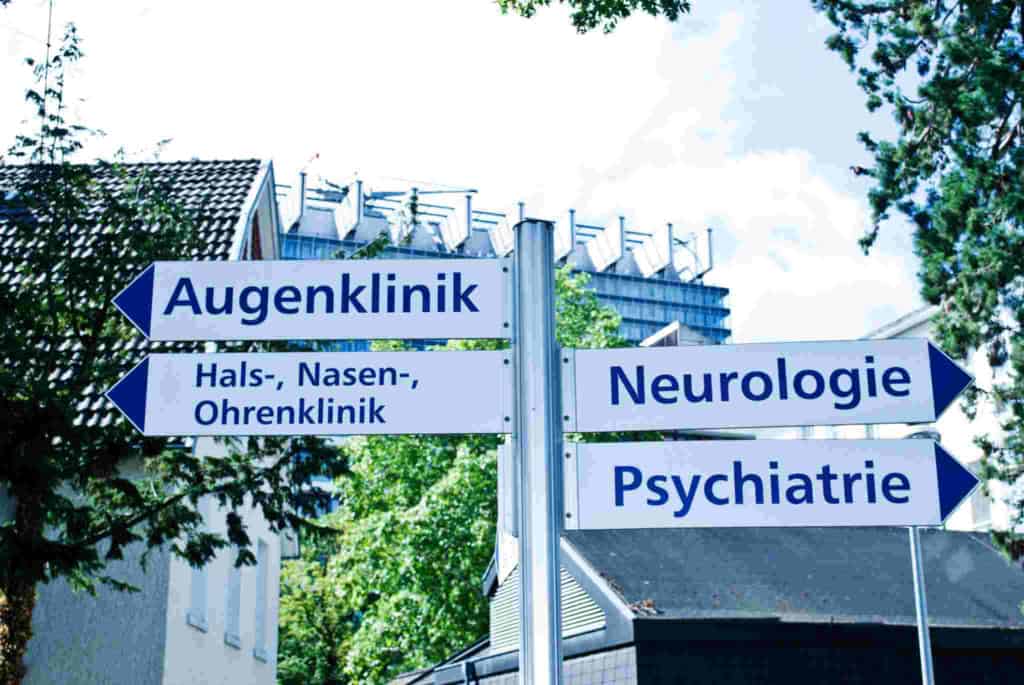
Together, these systems provide healthcare coverage for almost all residents. According to the Organisation for Economic Co-operation and Development (OECD), around 89% of residents are covered by GKV, and around 10.4% are covered by PKV. Only around 0.1% of the population remains uninsured.
How is German Healthcare Funded?
Germany’s Federal Ministry of Health (Bundesministerium für Gesundheit) sets national healthcare policy and legislation. The country’s 16 federal states (Länder) oversee hospital planning and many public health services.
Healthcare is delivered through a mix of public, nonprofit, and private providers. Most family doctors and specialists work in private practices but treat both GKV and PKV patients. Hospitals in Germany may be public, charitable, or privately owned, and many treat both GKV and PKV patients.
The German healthcare system is funded mainly through mandatory health insurance contributions. Employees and employers usually share this cost. Those with private coverage pay premiums directly to their insurer. The government also helps fund certain healthcare programs, public health initiatives, and other areas of the system.
Germany spends 12.3% of its gross domestic product (GDP) on healthcare, the second-highest share among OECD countries after the United States, according to the OECD’s Health at a Glance 2025. This high level of investment helps maintain the country’s extensive network of hospitals, specialist services, and advanced medical care.

Health Insurance
Does Germany Have Free Healthcare?
Healthcare in Germany is not completely free. Instead, it is funded mainly through mandatory health insurance contributions. For people with valid insurance coverage, most medically necessary care is covered. This means they usually do not pay the full cost at the time of treatment.
Most people covered by GKV pay monthly contributions based mainly on their income. Once insured, they can access a wide range of services. This includes doctor visits, hospital treatment, and medically necessary care, with little or no upfront payment.
However, some services may require co-payments or extra payments, including:
- Prescription medications
- Hospital stays (a daily fee applies for a limited number of days each year)
- Some dental treatments and prosthetics
- Certain vision care services for adults
- Optional treatments that are not considered medically necessary
Children and adolescents under age 18 are generally exempt from statutory co-payments, except for transport costs. People with lower incomes or certain long-term health conditions may also qualify for reduced costs or exemptions.
People with private PKV may pay healthcare providers directly and then request reimbursement from their insurer. However, some providers and insurance plans may offer direct billing arrangements.
The Pros and Cons of the German Healthcare System
The German healthcare system is well-regarded, but like in every country, it has both advantages and drawbacks.
The Pros
- Universal coverage: Almost all residents can access medically necessary healthcare, regardless of their medical history.
- High-quality care: Germany has excellent healthcare outcomes, modern medical technology, and a large network of specialists.
- Wide provider network: Patients can choose from a wide range of doctors, specialists, pharmacies, and hospitals nationwide.
- Comprehensive benefits: GKV covers many essential services. This includes doctor visits, hospital care, maternity care, mental health care, rehabilitation, and preventive screenings.
- Choice of providers: Patients can usually choose their own doctors and specialists within the public system.
The Cons
- High contributions: Healthcare funding is linked to income. This means higher earners may pay more into the statutory system through payroll contributions.
- Longer waits for some specialists: Publicly insured patients may wait longer for non-urgent specialist appointments than privately insured patients.
- Some out-of-pocket costs: Patients may still need to pay for certain medications, dental care, and other services.
- Regional differences: Rural areas may have fewer specialists and longer travel times compared with larger cities.
- Complex system: Germany’s mix of public and private systems can be difficult for newcomers to understand.
For many expats, learning how the healthcare system works is one of the biggest challenges when moving to Germany. It’s important to understand whether you qualify for the statutory GKV system or need private coverage before you relocate.
Can Foreigners Access Healthcare in Germany?
Foreign residents can access healthcare in Germany. But the way they receive care depends on their residency status, employment status, and whether they are covered by GKV or PKV.
Germany requires all residents to have a valid health plan. Most expats can access care once they enroll in either the statutory GKV system or an eligible private plan (PKV).
Unlike some countries where healthcare is funded mainly through taxes, Germany’s system is based on mandatory insurance. This means expats must get suitable health coverage when they move to the country.
Healthcare for Expats in Germany
Most expats living and working in Germany can access the public healthcare system through the GKV system.
In 2026, employees earning up to the compulsory insurance threshold of €77,400 per year (€6,450 per month) are generally required to have statutory health insurance, subject to the applicable eligibility rules.
They enroll with a statutory health insurance fund, known as a Krankenkasse. Employees earning above this threshold may be eligible to choose private health insurance instead.
Health coverage is also required for most German residence permits.
Eligibility for public healthcare generally includes:
- Employees whose income falls below the compulsory insurance threshold.
- Apprentices and vocational trainees.
- Most university students (subject to age and eligibility rules).
- Individuals receiving certain unemployment benefits.
- Many pensioners.
Higher-income employees, civil servants, and most self-employed individuals may choose a private health plan instead. This is provided they meet the relevant eligibility requirements.
Eligible spouses, registered partners, and children of GKV members may qualify for family insurance (Familienversicherung) without paying a separate GKV contribution, subject to income and other eligibility requirements. With private health insurance (PKV), family members generally need their own coverage.
Once enrolled in either system, expats can go to the same hospitals, GP practices, and specialist services as German citizens.
Although the statutory healthcare system provides broad coverage, some residents choose to purchase private health insurance. Depending on the policy, this may provide additional benefits, greater choice of providers, and faster access to some specialists.
Healthcare for Visitors in Germany
Short-term visitors can access emergency and urgent medical treatment in Germany. But free public healthcare is generally not available simply because someone is visiting the country.
Access depends on the visitor’s circumstances:
- EU, EEA, and Swiss visitors: Can generally use a valid European Health Insurance Card (EHIC) to access medically necessary state-provided care during a temporary stay in Germany. Eligible visitors from the UK may use a valid UK Global Health Insurance Card (GHIC) or, where applicable, a UK-issued EHIC.
- Visitors from countries with reciprocal healthcare agreements: May receive limited medical benefits depending on the agreement.
- Travelers from countries without reciprocal arrangements: Usually need to pay for treatment unless covered by travel insurance for Germany.

Even where reciprocal healthcare applies, it may not cover every type of treatment, medical evacuation, or private care. Some visitors may also be asked to pay certain costs upfront.
For this reason, it is strongly recommended that anyone visiting Germany compare global travel plans that include medical expenses, hospitalization, and emergency repatriation.
How to Register for Public Healthcare in Germany
Foreign residents do not register directly with the government for public healthcare. Instead, they must join an approved statutory health insurance provider (Krankenkasse).
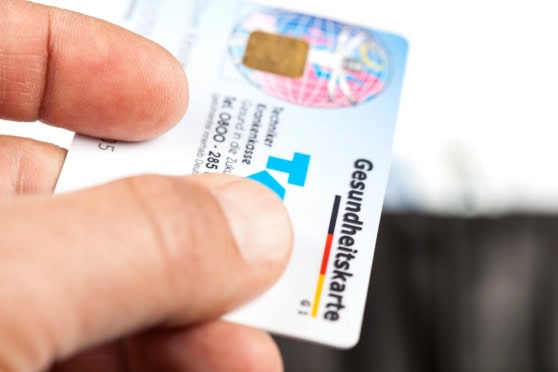
Once signed up, members receive an electronic health card (elektronische Gesundheitskarte, or eGK) as proof of their statutory health insurance. They generally present this card when visiting doctors, specialists, hospitals, and other healthcare providers.
Employees usually complete registration soon after starting work. But students, self-employed people, and other residents may need to arrange coverage themselves.
Healthcare Registration Process
To register for statutory health coverage, you usually need to:
- Register your address (Anmeldung) with the local residents’ registration office.
- Choose a statutory health insurer (Krankenkasse).
- Complete an application online or through the insurer’s local office.
- Provide your insurance details to your employer, if applicable.
- Receive confirmation of coverage and your eGK.
Most major insurers allow online applications, and many also offer English-language support.
There is no separate registration fee for joining GKV. Instead, members pay mandatory contributions through payroll deductions or direct payments, depending on their situation.
Documents Required to Register
Requirements can vary slightly between insurers, but you will usually need:
- Valid passport or national ID card
- Visa or residence permit (if required)
- Proof of address registration (Anmeldung)
- Employment contract or employer details
- Tax identification number (if available)
- Bank account details for payments (if required)
- Passport photo for your eGK
Students may also need proof of university enrollment, while self-employed workers may need to provide income or business information.
Processing Time
Processing times vary depending on the health insurance provider and whether all required documents have been submitted.
After enrollment is confirmed, you will receive your electronic health card (eGK), which serves as proof of your statutory health insurance coverage.
Many insurers also provide online portals and mobile apps where members can manage documents, update personal information, and access services.
Emergency Healthcare in Germany
Germany provides emergency medical treatment regardless of nationality or insurance status. However, patients without valid coverage may still be responsible for the cost of treatment.
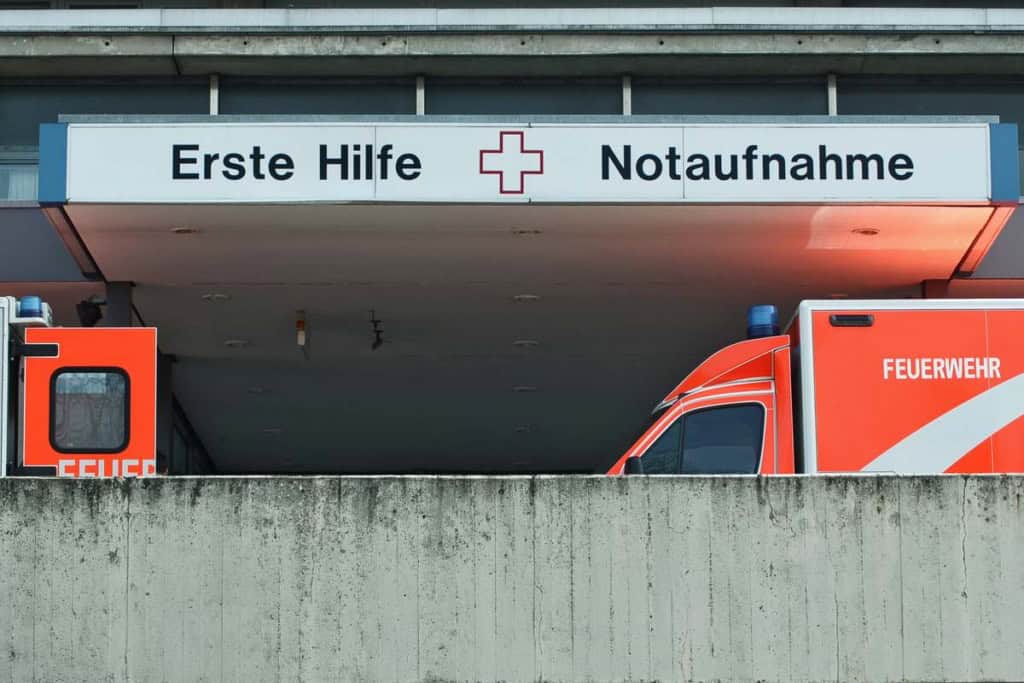
In a medical emergency, call 112. This connects you to ambulance and emergency medical services anywhere in Germany. Emergency departments (Notaufnahme) are open 24 hours a day at hospitals across the country.
Private Healthcare in Germany
Private healthcare is an important part of Germany’s healthcare system. Most people use the GKV system, but private care is also available. It gives residents another way to access more services.
Germany’s private hospitals and specialist clinics are known for high standards, modern equipment, and advanced medical care. Some of the country’s best-known hospitals often appear in global rankings.
Private healthcare can provide added benefits. This may include a greater choice of doctors, access to private or semi-private hospital rooms, and extra services.
How is Private Healthcare Funded in Germany?
Private healthcare in Germany is mainly funded through:
- Private health insurance (PKV)
- Out-of-pocket payments from patients
- Direct payments for private medical services
Unlike the public system, private healthcare costs are not primarily based on income. Instead, premiums are calculated based on factors such as age, health status, and the level of care chosen.
Germany also closely regulates private health coverage. Private hospitals, doctors, and insurers must follow national health laws, licensing rules, and quality standards. This helps maintain high-quality care in both the public and private systems.
Why Do People Choose Private Healthcare in Germany?
Around 10.4% of residents in Germany are covered by private health insurance (PKV). Depending on the policy, private coverage may offer additional benefits, greater provider choice, and faster access to some specialists.
Common reasons include:
- Potentially faster access to some specialist appointments
- More choice of doctors and appointment times
- Private or semi-private hospital rooms
- Access to senior doctors and chief physicians
- Better dental, vision, and preventive care, depending on the plan
- More English-language support, especially in large cities and private clinics
Private healthcare is most common in major cities. Good private care is available in many parts of Germany, but rural areas usually have fewer private hospitals and specialists.
Before choosing PKV, expats should also consider their long-term circumstances. Switching from private health insurance back to statutory health insurance can be difficult in some situations, particularly depending on factors such as age, employment status, and income.
How to Access Private Healthcare in Germany
Foreigners can access private healthcare in Germany if they have private coverage or can pay for treatment out of pocket.
Expats with access to private care may receive treatment through private doctors and hospitals. Others may still access private providers by paying for services directly.
Private patients can often book appointments directly with specialists without a referral. But some doctors may ask for medical records or a referral, depending on the type of treatment.
Payment depends on the type of coverage:
- Privately insured residents: Usually receive a bill from the provider and submit it to their insurer for reimbursement.
- Internationally insured visitors: May need to pay first and claim the costs from their insurer.
- Self-paying patients: Must cover the full cost of consultations, tests, and treatment.
For expats moving to Germany, understanding how healthcare access works before arrival can help avoid delays and make it easier to find appropriate medical care.
How Much is Healthcare in Germany?
Healthcare costs in Germany depend on whether you are covered by statutory health insurance (GKV), private health insurance (PKV), or paying for treatment yourself.
Most residents pay into the system through mandatory insurance premiums. This means many medically necessary services are either fully covered or require only a small co-payment. But some treatments, medications, and specialist services still involve out-of-pocket costs.
For expats and visitors, understanding what is covered – and what is not – is essential before seeking care.
Public Healthcare Costs in Germany
People enrolled in Germany’s GKV system generally have access to a broad range of services with little or no cost at the point of care. Instead of paying for each appointment, members pay through monthly premiums based primarily on their income.
The GKV system typically covers:
- Visits to GPs
- Specialist consultations when medically necessary
- Hospital treatment
- Emergency medical care
- Maternity and prenatal care
- Mental health services
- Preventive care and vaccinations
- Rehabilitation services
- Most medically necessary diagnostic tests
Although coverage is extensive, patients are still responsible for certain co-payments. These may include:
- Prescription medications
- Medical aids such as orthopedic supports
- Some dental procedures and dental prosthetics
- Certain vision care services for adults
- A daily co-payment for inpatient hospital stays, usually limited to the first 28 days of hospitalization each calendar year
Children and adolescents under age 18 are generally exempt from statutory co-payments, except for transport costs. Some preventive services are also available at no extra cost, regardless of age.
Private Healthcare Costs in Germany
Private healthcare costs vary depending on the provider, treatment, and level of coverage. Fees for private medical services are based on Germany’s Scale of Fees for Physicians, known in German as the Gebührenordnung für Ärzte (GOÄ). The final cost depends on the type of treatment or service and the billing rate used.
Patients with private coverage usually get a bill after treatment. In many cases, they pay the provider first and then request reimbursement from their insurer. Some providers may arrange direct billing instead.
People without private coverage may need to pay the full cost of treatment out of pocket. Costs can vary widely, so request a price estimate before non-emergency treatment.
Private healthcare costs may include:
- Doctor and specialist consultations
- Laboratory tests
- Medical scans, such as X-rays, CT scans, and MRIs
- Prescription medications
- Medical equipment
- Optional hospital services, such as private rooms or treatment by senior doctors
Private coverage or supplementary insurance may help cover services that fall outside standard statutory healthcare benefits. For some foreigners living in Germany, international health insurance may also be an option when German statutory or private healthcare arrangements do not meet their circumstances or coverage needs.
Out-of-Pocket Healthcare Costs
Even people covered by GKV may need to pay for some healthcare services. These co-payments are set by law and are usually much lower than the full cost of treatment.
Common out-of-pocket costs include:
- Prescription medications: Patients usually pay 10% of the cost, with a minimum co-payment of €5 and a maximum of €10 for each prescription. The co-payment can never exceed the actual price of the medication.
- Hospital stays: Adults covered by GKV usually pay €10 per day for inpatient hospital care, up to 28 days per calendar year. Children under 18 do not pay this fee.
- Dental care: GKV covers many necessary dental treatments, but patients often pay part of the cost for crowns, bridges, implants, and other dental work.
- Vision care: Routine eye exams, glasses, and contact lenses for adults are usually not covered unless there is a medical need.
- Elective treatments: Cosmetic work, upgraded hospital rooms, and other non-essential services are usually paid for entirely by the patient unless covered by private or supplemental coverage.
Some people may qualify for lower healthcare costs. Statutory co-payments are generally capped at 2% of annual gross household income, with a lower 1% limit for qualifying people with serious chronic illnesses.
Once the applicable limit is reached, patients can apply to their statutory health insurance fund for an exemption from further qualifying co-payments for the rest of the calendar year.
Healthcare Payment Systems and Subsidies in Germany
The German healthcare system is funded mainly through mandatory payments. Employees usually pay part of their insurance costs through payroll deductions, while employers pay a matching contribution.
People with GKV coverage usually show their eGK when visiting a doctor or hospital. The healthcare provider then bills the insurer directly.
Private healthcare works differently. Patients often receive a bill after treatment. They then either pay it themselves or submit it to their insurer for reimbursement.
Germany also provides financial support to help make care affordable. Help may be available for:
- Low-income households
- Students
- Pensioners
- Children covered through family insurance
- People with long-term conditions who qualify for lower co-payment limits
Although GKV covers most medically necessary services, it does not cover all services. Additional private coverage may be useful for some services. This includes advanced dental care, private hospital rooms, and certain vision benefits.
Understanding Healthcare Before Moving to Germany
Germany’s healthcare system is known for its high quality, modern technology, and wide access to doctors, specialists, hospitals, and preventive care. By combining public and private care, the country provides residents with a wide range of medical services and excellent health outcomes.
For newcomers, the system may seem difficult to understand at first. However, learning how doctor visits, treatments, emergency services, and costs work can make getting care much easier.
Once they meet the required conditions, foreign residents can access the same high-quality healthcare services as German citizens.
Find the Best International Medical Insurance
- Compare multiple quotes from top insurers
- Get expert advice at no additional cost
- Find the right plan for your needs and budget
German Healthcare System FAQs
-
Yes. Everyone who lives in Germany needs health insurance. Most employees join the statutory health insurance system (GKV). Some higher-income earners, civil servants, and self-employed people can choose private health insurance (PKV).
-
The cost of Germany’s statutory health insurance (GKV) is based mainly on income. In 2026, the standard contribution rate is 14.6% of eligible income, plus an additional contribution set by each health insurance fund. Employees and employers generally share these contributions.
GKV contributions are calculated on income up to €5,812.50 per month (€69,750 per year) in 2026. The official average additional contribution rate announced for 2026 is 2.9%, although individual health insurance funds set their own rates. At the start of 2026, the average additional contribution actually charged by health insurance funds was 3.13%.
-
Yes. If you qualify for statutory health insurance, you can usually choose your own Krankenkasse (health insurance fund). Most funds offer the same core benefits because these are set by law.
However, they may differ in areas such as customer service, digital tools, wellness programs, and optional benefits. They may also differ in the amount of English language information on offer. If you want to change providers, you can usually do so after meeting the minimum membership period.
-
Yes, in many cases. Germany’s statutory health insurance offers family insurance (Familienversicherung), which allows eligible spouses, registered partners, and children to be covered at no extra cost.
To qualify, family members must meet certain income and eligibility requirements. If a spouse has a higher income or private health insurance, different rules may apply.
-
Most prescription medications are covered by statutory health insurance if they are medically necessary. Patients usually pay a small co-payment, while children under 18 are generally exempt from most prescription charges.
-
Many doctors in Germany, especially in large cities, speak English. You can search for English-speaking doctors through your Krankenkasse or online doctor directories. Some health insurance providers also offer search tools that allow you to filter doctors by language, location, and specialty.
-
Yes. Visitors from EU and EEA countries, as well as Switzerland, can usually use a valid European Health Insurance Card (EHIC) to receive medically necessary treatment during a temporary stay in Germany. Coverage is limited to medically necessary care and may not include private treatment.