
The Cost of Living in France
The estimated monthly cost of living in France is around $1,800 to $2,000 for a single person and $5,100 to $5,400 for a family of four, including rent. Housing is typically one of the biggest expenses and varies considerably by location. Costs are generally higher in Paris, Nice, Strasbourg, and Lyon, while cities such as Toulouse, Lille, Montpellier, and Grenoble can be much more affordable. Your total monthly budget will depend on your location, household size, and lifestyle.

Cost of Living in France at a Glance
Living costs vary considerably across France, particularly when it comes to housing. The table below compares common expenses across three representative cities, using the latest available Numbeo data as of September 2026. All figures are approximate and shown in USD.
Paris represents the higher end of the cost range, Toulouse provides a mid-range comparison, and Grenoble shows what expenses can look like in a more affordable French city.
Cost | Paris | Toulouse | Grenoble |
1-bedroom apartment in the city center | $1,629 | $913 | $852 |
3-bedroom apartment in the city center | $3,490 | $1,486 | $1,484 |
Basic monthly utilities | $264 | $226 | $289 |
Monthly internet | $31 | $34 | $36 |
Monthly public transport pass | $105 | $66 | $80 |
Inexpensive restaurant meal | $19 | $17 | $17 |

Get Global Health Coverage for Your Move Abroad
Planning your move to France? Compare personalized international health insurance options that match your destination, budget, and coverage needs.
✔️ Personalized quotes ✔️ Expert guidance ✔️ No obligation
Is France Expensive to Live In?
France is moderately expensive by Western European standards. However, the cost of living varies significantly depending on where and how you live. According to Numbeo, estimated monthly costs in France are around $1,072 for a single person and $3,850 for a family of four, excluding rent.
Paris is one of the more expensive cities in France. The cost of living in Paris for a single person is around $1,210 per month, excluding rent. Housing adds considerably to the total, with a one-bedroom apartment averaging around $1,630 per month in the city center and $1,210 per month outside the center.
Living on the French Riviera or in popular destinations in the French Alps can also be much more expensive than elsewhere in the country.

Outside these high-cost areas, living expenses can be considerably lower. In Grenoble, for example, monthly costs for a single person are around $1,090, excluding rent. A one-bedroom apartment averages around $850 per month in the city center and $660 outside the center.
Wherever you live, choosing an expensive neighborhood, dining out frequently, or paying for private schooling and healthcare in France can greatly increase your monthly costs.
Cost of Living in France vs the USA
France is generally cheaper than the USA, especially when it comes to housing. According to the latest available Numbeo data, the cost of living in the United States, including rent, is around 18.8% higher than in France.
Housing shows the biggest difference, with rent prices around 77.5% higher in the United States. The gap is much smaller for everyday expenses. Restaurant prices are about 10.9% higher in the U.S., while grocery prices are only around 2% higher.
Some costs show even greater differences. International primary school tuition is around 103.7% higher in the United States. This makes France potentially more affordable for expat families considering international education. However, gasoline is around 52.9% cheaper in the United States than in France, so driving can significantly increase transportation costs there.
Income is another important consideration. Average monthly net salaries are around 53.3% higher in the United States than in France. This means France’s lower living costs do not necessarily translate into greater purchasing power.
For U.S. expats, housing is likely to be one of the most noticeable areas of savings, particularly outside expensive locations such as Paris and the French Riviera. However, the overall financial impact will depend on factors such as income, schooling needs, transportation choices, and where you live.

The Cost of Living in France by City
If you’re looking for the best places to live in France, you have plenty of options, from cathedral cities to beachside resorts. However, for many expats, the choice will depend on budget, job prospects, transportation, and access to local amenities.
The following examples show how living costs can vary considerably between cities in France.
The Most Expensive Cities in France
For expats, the biggest budget differences between French cities often lie in housing, transportation, lifestyle, and childcare.
The table below compares common monthly expenses in four higher-cost cities: Paris, Nice, Strasbourg, and Lyon. All costs are based on available Numbeo data.
Cost | Paris | Nice | Strasbourg | Lyon |
1-bedroom apartment in the city center | $1,629 | $1,151 | $1,029 | $886 |
3-bedroom apartment in the city center | $3,490 | $2,070 | $1,887 | $1,864 |
Basic utilities | $264 | $240 | $334 | $275 |
Public transport pass | $105 | $52 | $65 | $86 |
Private full-day preschool or kindergarten | $1,862 | $1,602 | $1,110 | $649 |
Paris
France’s capital stands apart as the most expensive city in the comparison, with housing and childcare creating the greatest pressure on monthly budgets. Transportation is also relatively expensive, although living outside the city center can help reduce housing costs while retaining access to the capital’s extensive public transportation network.
Nice
Nice is one of France’s more expensive cities, with housing and childcare being the main expenses. Its Mediterranean location and popularity with international residents and tourists contribute to higher costs, although rents remain considerably lower than in Paris. Transportation and utilities are comparatively moderate, helping offset some of the higher housing costs.
Strasbourg
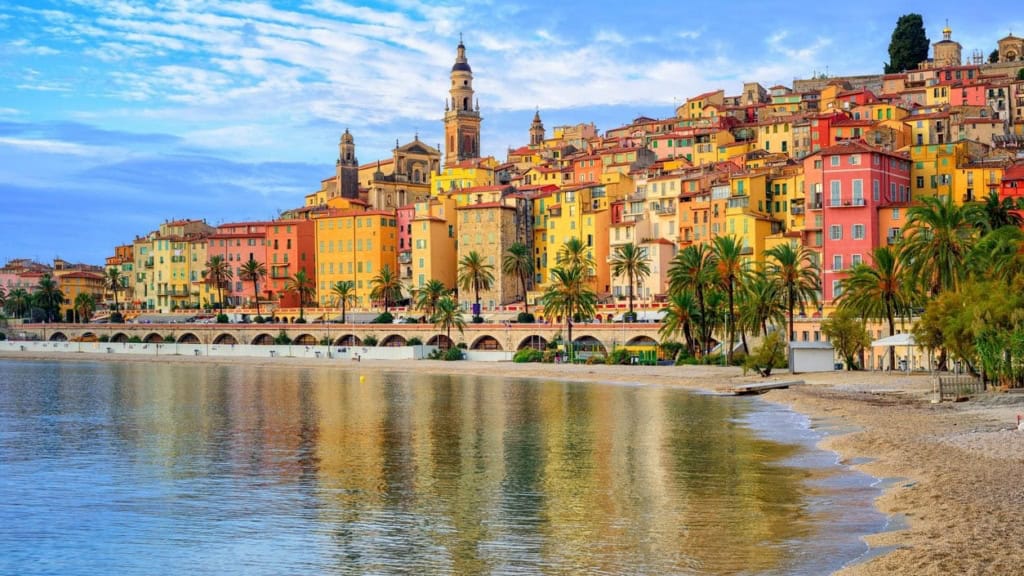
Strasbourg offers lower housing and childcare costs than Paris and Nice, although utilities can be relatively high. Lower transportation costs help balance the overall budget, while the city’s extensive public transportation network makes it easier to get around without relying heavily on a car. Strasbourg is an attractive option for expats who want city amenities without Paris-level expenses.
Lyon
Lyon is considerably more affordable than Paris for housing and childcare, although utilities and transportation can still add to monthly expenses. Its strong employment market and transport connections make it an attractive lower-cost alternative for expats who want major-city amenities without Paris-level housing costs.
More Affordable Cities in France
For expats looking to reduce their monthly expenses, smaller regional cities can offer considerably lower housing and transportation costs than France’s major metropolitan areas.
The table below compares common monthly expenses in four relatively affordable cities: Toulouse, Lille, Montpellier, and Grenoble. All costs are based on available Numbeo data.
Cost | Toulouse | Lille | Montpellier | Grenoble |
1-bedroom apartment in the city center | $913 | $951 | $920 | $852 |
3-bedroom apartment in the city center | $1,486 | $1,603 | $1,551 | $1,484 |
Basic utilities | $226 | $216 | $229 | $289 |
Public transport pass | $66 | $72 | $1.10* | $80 |
Private full-day preschool or kindergarten | $1,104 | $646 | $773 | $627 |
*Numbeo lists the average monthly public transport pass in Montpellier at around $1.10. This unusually low figure reflects the city’s free public transportation program for residents of Montpellier Méditerranée Métropole who hold a valid Pass gratuité. Non-residents must pay standard fares.
Toulouse
Toulouse offers a relatively balanced cost of living, with housing and utilities remaining more manageable than in many of France’s higher-cost cities. Its large employment base and public transportation network can make it a practical option for expats who want major-city amenities without the higher costs associated with Paris or the French Riviera.
Lille
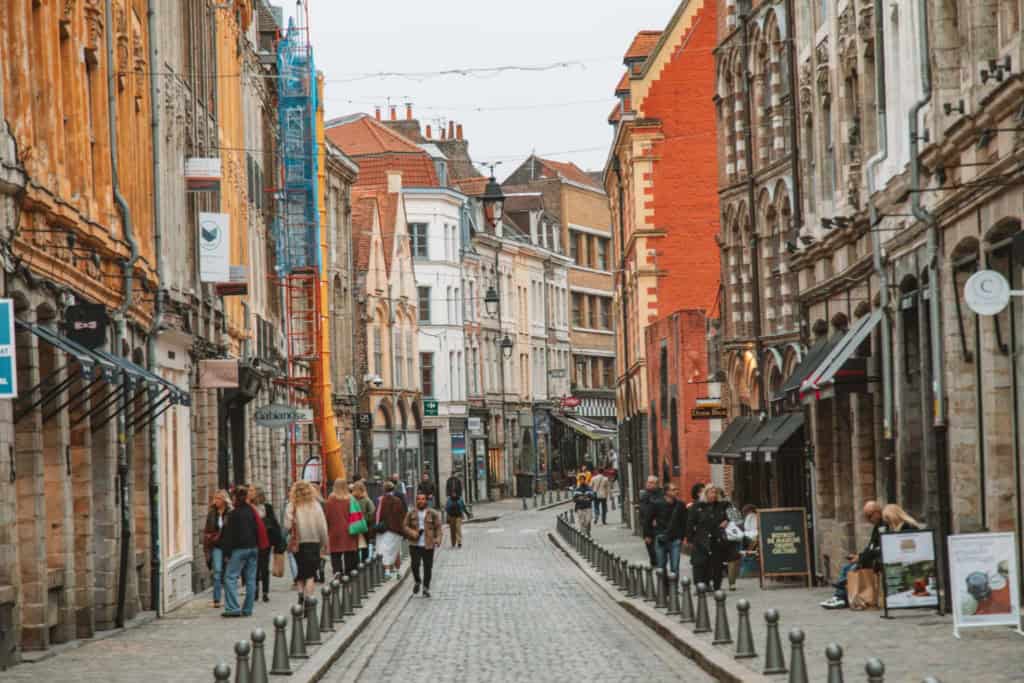
Lille combines relatively moderate living costs with the amenities and transportation options of a major city. Housing remains considerably more affordable than in Paris, while childcare is comparatively inexpensive. Its extensive metro and tram network can also make living without a car practical, helping households keep transportation expenses under control.
Montpellier
Montpellier combines relatively moderate housing and childcare costs with the amenities of a larger regional city. Its compact layout and Mediterranean location can make it an appealing alternative to more expensive southern destinations such as Nice. This is particularly true for expats who want an urban lifestyle without French Riviera-level costs.
Grenoble
Grenoble combines relatively affordable housing and childcare with somewhat higher utility and transportation costs. Its compact layout and widespread use of public transportation and cycling can help reduce reliance on a car. This makes it a practical, lower-cost option for professionals, students, and families seeking an alternative to France’s more expensive cities.
Everyday Living Costs in France
Living costs in France vary considerably, with housing and lifestyle choices having the biggest impact on an expat’s budget. Here are some of the main everyday expenses to consider when planning your monthly budget.
Housing and Rent
Housing is one of the largest expenses for expats in France, and costs vary considerably depending on location and property size.
According to Numbeo, average rents across France are around $885 per month for a one-bedroom apartment in the city center and $712 per month outside the city center. For a three-bedroom apartment, average rents rise to around $1,570 in central areas and $1,252 outside the city center.
Paris sits toward the higher end of the rental market, while regional cities can offer considerably lower housing costs. Even within the same city, choosing a neighborhood outside the center can significantly reduce rent, particularly in areas with good public transportation.
Utilities, Internet, and Personal Costs
Basic household utilities for an 85-square-meter apartment in France average around $225 per month. This includes electricity, heating, cooling, water, and garbage collection. Internet costs about $35 per month, while a mobile phone plan with calls and at least 10GB of data averages around $21 per month.
Actual costs can vary depending on your home’s size, energy efficiency, heating system, location, and the time of year. Older homes may need more heating in winter, while air conditioning can increase electricity use during hot summers.
Food and Groceries
Groceries in France are reasonably priced by Western European standards, although prices are typically higher in Paris and popular tourist destinations. French produce, bread, cheese, and seasonal foods can offer good value, while imported and international products tend to cost more.
Typical country-level prices include:
- Milk (1 liter): $1.37
- Fresh white bread (500 g): $2.09
- Eggs (12 large): $4.38
- Chicken fillets (1 kg): $14.18
- Local cheese (1 kg): $20.11
Transportation
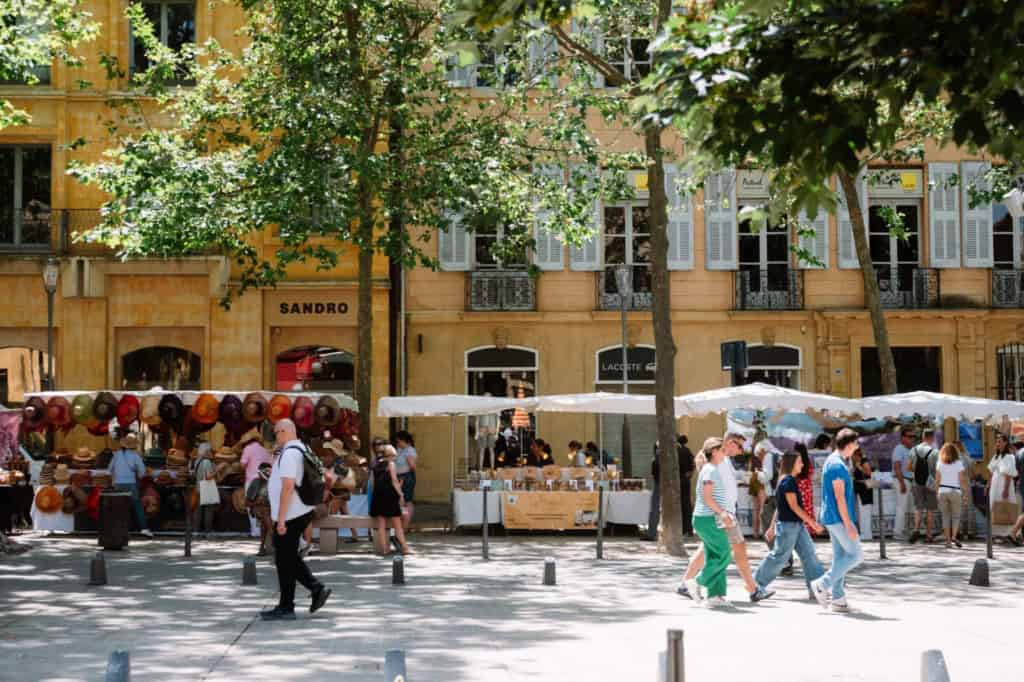
France has an extensive public transportation network, allowing many expats in larger cities to live comfortably without a car. Paris runs one of Europe’s largest metro systems, while cities such as Lyon, Marseille, Lille, Toulouse, and Strasbourg also have strong tram, metro, or bus networks.
A local one-way ticket averages around $2.20 nationally, while a regular monthly transit pass costs approximately $58. In Paris, a 2026 Navigo pass covering all five Île-de-France zones costs €90.80 ($106) per month. Employers must reimburse at least 50% of this cost for commuting employees. This can bring the out-of-pocket cost down to about €45.40 ($53) per month for many workers.
France’s high-speed TGV network makes intercity travel fast and convenient, although fares vary considerably by route and booking date. Booking in advance can help reduce ticket costs.
Owning a car can be useful in rural areas and smaller towns, but it can also be expensive. Gas averages around $2.14 per liter, though prices can change quickly. Besides fuel, drivers need to budget for insurance, maintenance, parking, and tolls. For city-based expats, public transportation is therefore often the more affordable option.
Cycling is another low-cost option, especially in Paris, Lyon, and Strasbourg, which have invested heavily in bike lanes and public bike-share systems.
Healthcare and Health Insurance
The public healthcare system in France provides subsidized care to residents who qualify for coverage under PUMA (Protection Universelle Maladie), the country’s universal health coverage scheme. Many expats also buy private health insurance in France to supplement this coverage or bridge the waiting period before they qualify for it.
For everyday healthcare needs, pharmacies are widely available throughout France and are often the first stop for medicines and minor health concerns.

In 2026, a standard visit to a general practitioner costs €30 under France’s national fee schedule. For patients covered by Assurance Maladie (France’s national health insurance body), the system typically reimburses 70% of that cost, minus a standard €2 co-payment.
Specialist consultation rates vary by specialty, sector, and care pathway, with some consultations based on a €26.50 reimbursement rate. Specialists may also charge higher fees depending on their sector and the type of care provided.
Because of this reimbursement structure, day-to-day healthcare costs can be relatively predictable for people covered by the public system. Even so, expats buying private insurance should budget for premiums, deductibles, co-pays, and any services their plan doesn’t fully cover.
See What Health Insurance Costs for Your Move to France
Get personalized health insurance recommendations based on your destination, length of stay, and coverage needs.
Entertainment and Lifestyle Costs
France offers plenty of ways to enjoy your free time without spending a fortune, although costs are generally higher in Paris and major tourist destinations. Here are some average prices across the country:
- Inexpensive restaurant meal: $17
- Three-course meal for two: $69
- Regular cappuccino: $3.96
- Domestic draft beer (0.5 liter): $6.95
- Mid-range bottle of wine: $8.11
- Monthly gym membership: $38
Restaurant prices can rise substantially in tourist-heavy areas, such as central Paris and the French Riviera. However, eating at neighborhood restaurants and cafes can be much cheaper than dining near major attractions.
France also offers many low-cost cultural and recreational activities. Museums and public attractions may offer free or discounted admission on certain days, while walking, cycling, parks, beaches, and other public spaces provide inexpensive ways to enjoy the country.
Childcare and Education Costs
Childcare and private education can add significantly to a family’s monthly budget in France. Public schools are generally free for children who are entitled to attend. However, families choosing private or international schools can face much higher costs.
Private preschool and kindergarten costs vary widely by city, provider, and the child’s age. According to Numbeo, full-day private preschool or kindergarten averages around $1,862 per month for one child in Paris, compared with about $627 in Grenoble. The national average is around $904 per month.
International school tuition can add considerably more to a family’s education budget, with costs varying by school, grade level, and location. Families should also account for potential registration fees, school meals, transportation, uniforms, supplies, and extracurricular activities.
Parents should research local childcare and school fees carefully when budgeting for a move abroad, as education choices can have a big impact on their overall cost of living.
Average Salary in France
The average salary in France is €2,733 net per month, based on the latest available 2024 data from France’s national statistics office, INSEE. The median salary is €2,190 net per month.
Salaries vary considerably by industry, experience, occupation, and location. Finance and insurance are among the highest-paying sectors, with an average net salary of around €4,123 per month. Information and communication, which includes many technology and digital roles, averages around €3,853 net per month.
Location can also affect earnings. Numbeo estimates the average monthly net salary after tax at around $3,557 in Paris, compared with about $2,853 in Grenoble. However, higher salaries in Paris must be weighed against the city’s substantially higher housing and living costs.
When considering a job offer in France, expats should focus on take-home pay and benefits rather than just the advertised gross salary, as social contributions and taxes can significantly affect the final amount. Housing costs also have a major impact on how far your salary goes, particularly when comparing Paris with more affordable regional cities.
How to Reduce Your Cost of Living in France
Learning how to save money in France can make a big difference to your budget, especially if you plan to stay for several years. Beyond choosing affordable housing or shopping carefully, expats can cut costs by using local discounts, planning ahead, and taking advantage of France’s public services.
Here are five ways to reduce your living costs in France:
- Use travel discount cards. If you travel regularly by train, check whether an SNCF Carte Avantage suits your travel plans. The cards cost €49 per year and can provide 30% discounts on eligible TGV INOUI and Intercités journeys, although eligibility and travel conditions vary by card and route.
- Shop for secondhand goods. France has a strong secondhand market, from furniture and clothing to bicycles and household items. Buying used can reduce the cost of furnishing your home after a move.
- Take advantage of free activities. Many towns offer free festivals, public events, parks, beaches, and cultural activities. Museums and galleries may also offer free entry days, giving you a way to enjoy French culture without a large entertainment budget.
- Compare contracts regularly. Do not assume your electricity, phone, internet, or insurance provider is offering the best deal. Comparing plans when your contract ends can help reduce recurring costs.
- Make the most of local discounts. Students, young adults, seniors, and families may qualify for reduced prices on transportation, cultural activities, and other services. Check your local government’s website to see which discounts apply to you.
Finally, consider living like a local rather than a tourist. Shopping, dining, and using services away from tourist areas can help keep everyday costs down.
Thinking of Moving to France? Budgeting is only one part of preparing for life abroad. Our guide to moving to France covers what expats need to know about visas, healthcare, finding a place to live, and preparing for the move.
Cost of Living in France FAQs
-
A single person can expect to spend around $1,800 to $2,000 per month in France, including rent, based on average national living costs and the rent for a one-bedroom apartment. For a family of four renting a three-bedroom apartment, the equivalent estimate is around $5,100 to $5,400 per month. Actual costs can be considerably higher in Paris and other expensive cities and lower in more affordable locations.
-
Toulouse, Lille, Montpellier, and Grenoble are among the more affordable cities in France, particularly for housing. A one-bedroom apartment in the city center averages around $852 per month in Grenoble, $913 in Toulouse, $920 in Montpellier, and $951 in Lille, compared with about $1,629 in Paris. Expats looking beyond major cities may find even lower housing costs in parts of Limousin, Auvergne, Lorraine, Burgundy, and central France, although employment opportunities, international services, and public transportation may be more limited.
-
France can be affordable for retirees, particularly outside Paris and other high-cost areas. According to research by France’s Institute for Economic and Social Research (IRES), a single retiree needs around €1,634 per month for a decent standard of living, including food, transportation, medical care, and other everyday expenses. However, this estimate excludes rent or mortgage payments, so retirees who do not own their home will need a larger budget. Read more about retiring in France.
-
There is no single minimum income or savings requirement for all French long-stay visas. For example, long-stay student visa applicants must show at least €877.50 per month, while certain visa categories base their financial requirements on the French minimum wage (SMIC, currently €1,867.02 gross per month). Requirements vary by visa type and individual circumstances, so check the official France-Visas website for the financial requirements that apply to your visa.
-
Yes, expats may have to pay French income tax if they become French tax residents or receive income from French sources. Spending at least 183 days a year in France can establish tax residency, but your main home, professional activity, and center of economic interests are also considered. French tax residents are generally taxed on both French and foreign income, while non-residents are generally taxed only on French-source income. Tax treaties may affect where income is taxed.
-
Common one-time costs when moving to France include visa fees, rental deposits, temporary accommodation, moving or shipping expenses, document translations, and administrative fees. A French long-stay visa application, for example, generally costs €99, although exemptions apply. New arrivals may also need to budget for their first month’s rent, agency fees, home insurance, furniture, and other household essentials. Keeping a separate relocation fund can help cover these initial expenses without affecting your regular monthly budget.
Get Global Health Coverage for Your Move Abroad
Planning your move to France? Compare personalized international health insurance options that match your destination, budget, and coverage needs.
✔️ Personalized quotes ✔️ Expert guidance ✔️ No obligation