
Traveling During Hurricane Season

Key Takeaways
- Travel insurance does not cover a hurricane or tropical storm that was officially named before the policy was purchased.
- Hurricane season runs from June 1 to November 30 in the North Atlantic and Central Pacific, and from May 15 to November 30 in the Eastern Pacific.
- Trawick Safe Travels AnyReason includes Cancel For Any Reason coverage at no extra cost for United States residents who purchase within 7 days of their initial trip deposit.
- Aruba, Bonaire and Curaçao sit below the Caribbean hurricane belt, near South America.
Traveling during hurricane season isn’t for everyone, but for many, the benefits can outweigh the risks. Off-season trips often mean fewer crowds, lower prices, and striking natural scenery you won’t find in peak season. However, tropical storms can also bring sudden cancellations, rerouted itineraries, or even evacuations. That’s why thoughtful preparation and the right hurricane travel insurance are essential.
This article explains how to stay safe in storm season, choose the right coverage, and find the best off-season travel spots.
What Is a Hurricane?
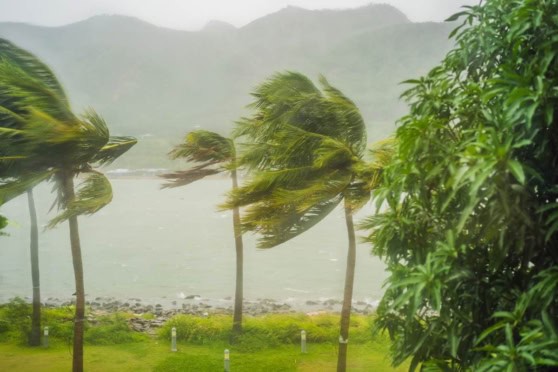
A hurricane is a powerful tropical storm with swirling winds of at least 74 mph, heavy rain, and thunderstorms. These storms form over warm ocean waters, and meteorologists classify them as tropical cyclones.
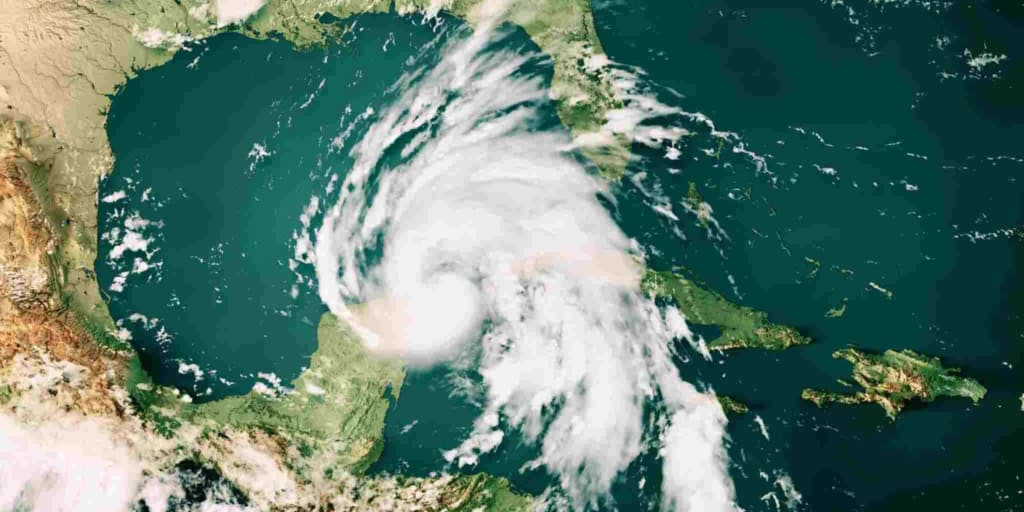
Depending on where they form, they have different names:
- Hurricanes: North Atlantic, Caribbean, Gulf of Mexico, U.S. coasts, and Central/East Pacific
- Typhoons: Northwest Pacific (East and Southeast Asia)
- Tropical Cyclones: South Pacific, Indian Ocean, Australia, Madagascar, and East Africa
When Is Hurricane Season?
In most of the Americas, storm season runs from June 1 to November 30. However, exact dates vary by ocean basin.
Below is a breakdown by region.
North Atlantic (U.S. Caribbean, Gulf of Mexico)
- Season: June 1 – November 30
- Peak: August to October
- Main Areas: Florida, Texas, Gulf Coast, Eastern Seaboard, Bahamas, Cuba, Puerto Rico, Mexico, Caribbean, Central America
Eastern Pacific
- Season: May 15 – November 30
- Peak: July to September
- Main Areas: Pacific coast of Mexico, Central America, Hawaii (occasional storms)
Central Pacific
- Season: June 1 – November 30
- Peak: July to September
- Main Areas: Hawaii, Johnston Atoll, U.S. Pacific territories
Other Global Storm Seasons
Tropical cyclones occur at different times around the world, such as:
- Northwest Pacific (Typhoons): May to October, peak in August (Japan, Philippines, China, Taiwan, Vietnam)
- South Pacific: November to April, peak late February to March (Fiji, Vanuatu, Tonga, Australia)
- North Indian Ocean: April to December, peak May to November (India, Bangladesh, Sri Lanka, Oman)
- Southwest Indian Ocean: November to April, peak January to March (Madagascar, Mozambique, Mauritius)
- Southeast Indian Ocean: October to May, peak January to March (Western Australia, Indonesia)

Be Prepared Year-Round! Hurricanes can occur outside the typical season, especially as ocean temperatures rise. Always check local forecasts and be prepared when traveling to storm-prone regions. Keep adaptable travel plans and emergency supplies on hand.
How Are Hurricanes Measured?
The National Hurricane Center (NHC) and Central Pacific Hurricane Center (CPHC) use the Saffir-Simpson Hurricane Wind Scale to classify these storms. This is based on their sustained wind speeds.
This five-category system estimates the potential damage caused by these winds:
Category | Sustained Winds | Potential Damage |
1 | 74–95 mph | Very dangerous winds, some property damage possible |
2 | 96–110 mph | Extremely dangerous winds, extensive damage likely |
3 | 111–129 mph | Devastating damage expected |
4 | 130–156 mph | Catastrophic damage |
5 | 157 mph or higher | Catastrophic damage, highest risk level |
Understanding these categories helps travelers better assess risk levels and prepare accordingly.
Hurricane Watches and Warnings
There are two types of alerts that travelers should know:
- Hurricane Watch: Conditions are possible. Typically issued about 48 hours before tropical-storm-force winds (39–73 mph) may begin.
- Hurricane Warning: Conditions are expected. Usually announced around 36 hours in advance, giving you time to complete final preparations.
Why Hurricane Travel Insurance Matters
Severe weather can quickly derail even the best-planned trip. During hurricane season, travelers may face a range of disruptions, including:
- Flight cancellations and airport closures caused by strong winds, heavy rain, and flooding
- Cruise and ferry interruptions when ships must reroute or suspend services
- Road closures due to flooding, fallen debris, or landslides
- Infrastructure damage, including downed power lines and delays in emergency services
These disruptions can lead to unexpected expenses and major changes to your travel plans. Without travel insurance, you could lose non-refundable costs if a hurricane affects your trip. This includes flights, accommodations, and excursions. You could also face costly medical bills or emergency evacuation expenses, which can reach tens of thousands of dollars.
The right policy helps protect your travel investment. It provides coverage for trip cancellations, emergency medical care, and evacuation. This protection can provide valuable peace of mind during storm season, when weather conditions and other unexpected events can quickly impact your plans.
Growing uncertainty around travel has also increased demand for more flexible coverage options. A 2026 Travel Insurance Trends Report by Squaremouth highlights this shift. It shows that purchases of Cancel For Any Reason (CFAR) coverage surged by 29% in the first three months of the year. Travelers are increasingly worried about government shutdowns, extreme weather events, geopolitical unrest, and global military conflicts. They are seeking greater flexibility when plans change unexpectedly.
Buy Coverage Early! Secure your policy as soon as you book your trip. Once a hurricane has a name, it is typically too late to add coverage for it. Many travelers purchase storm protection about three and a half months before their summer trips, making early planning essential.
Key Benefits to Look for in a Policy
To get full protection, check for these features when buying hurricane travel insurance
- Cancel For Any Reason (CFAR) Coverage: Lets you cancel your trip for reasons not typically covered. This includes personal concerns or changing plans. CFAR reimburses 50–75% of prepaid, non-refundable costs.
- Trip Cancellations or Delays: Covers your trip if your destination is under a hurricane warning, becomes uninhabitable, or mandatory evacuations are issued.
- Extra Expenses: Reimburses costs for accommodations, meals, or rebooking if flights are delayed due to weather-related disruptions.
- Lost or Damaged Baggage: Protects your personal belongings in the event of travel interruptions.
- Emergency Medical Treatment and Evacuation: Covers injury, illness, or mandatory evacuation, ensuring you get care when needed.
Typical Exclusions
- Any storm officially named before you purchased your policy.
- Ignoring official travel warnings or evacuation orders.
- Canceling only for fear that a storm may disrupt your trip (unless you have CFAR).
- Losses from unlawful or high-risk activities.
- Trip cancellations or medical expenses related to undeclared pre-existing conditions.
Read the Fine Print! Read your travel insurance policy carefully to understand what it does and doesn’t cover. Review exclusions, coverage limits, and claim deadlines, and ask your insurer to clarify any terms you don’t understand.
The Best Travel Insurance for Hurricane Season
Below are our recommended travel plans, based on nationality, to help you find the right coverage.
Our Recommended Plans for US Residents
Trawick Pathway Premier – Comprehensive Trip Protection and Travel Medical Coverage

Pathway Premier
- Comprehensive Travel Protection and Travel Medical Insurance
- Available to U.S. residents traveling for up to 90 days within the U.S. and internationally
- Optional CFAR, IFAR, Rental Car Damage, and Adventure Sports coverage
For added protection, the Trawick Safe Travels AnyReason plan includes CFAR coverage at no extra cost when U.S. residents purchase within 7 days of their initial trip deposit.
BCBS Global Solutions Single Trip Platinum – Travel Health Plan with Pre-Existing Conditions Coverage

Single Trip Platinum Travel Insurance
- For U.S. citizens and residents up to age 95
- Includes pregnancy coverage, baggage loss, trip interruption & more
- 24/7/365 service and assistance
Our Recommended Plans for All Nationalities
World Nomads – Trip Protection Plan with Robust Coverage for Adventure Activities

World Nomads Trip Cancellation
- Emergency medical evacuation and repatriation
- Coverage for baggage and personal gear
- Optional Cancel for Any Reason (CFAR) coverage for U.S. citizens and residents
IMG Patriot Platinum – Travel Health Plan with High Maximum Limits and Premium Benefits

Patriot Platinum Travel Insurance
- Maximum limits up to $8,000,000
- IMG pays 100% of medical expenses in-network
- Evacuation due to Natural Disasters & Political Unrest
Cruise Travel During Hurricane Season
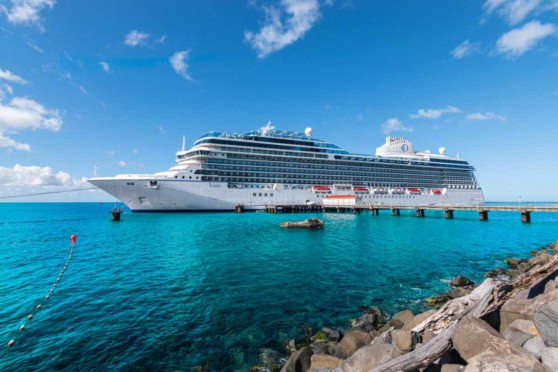
If you’re planning a cruise during this season, it’s essential to prepare for possible itinerary changes. Cruise lines keep a close eye on weather forecasts because passenger safety is their main concern. If a storm is approaching, ships may reroute, delay arrivals, swap ports, or remain at sea until it’s safe. These changes can occur with little notice, so be ready to adjust plans.
Modern ships are designed to withstand severe weather. They have stabilizers, strong hulls, and skilled crews who do regular emergency drills. Crew members may ask passengers to remain indoors during a storm.
Passenger Safety Tips
Here are some practical tips to help you stay safe and comfortable during cruises in rough seas:
- Keep essential documents, medications, and valuables in a carry-on bag or one that is easily accessible.
- Follow all instructions from the crew and stay aware of onboard alerts.
- Stay flexible with your schedule, as ports of call or arrival times may change.
- Pack snacks, water, and entertainment to make time indoors more comfortable in case of rough seas or storm delays.
- Stay in touch with your travel companions and maintain a designated meeting spot in case you become separated.
Handling Itinerary Changes and Refunds
Each cruise line has its own policy. If itineraries change but the voyage continues, passengers may receive prorated refunds, onboard credits, or discounts on future trips. If the sailing is canceled entirely, most companies offer either a full refund or a credit toward another cruise.
Always read the terms and conditions before booking. Ensure your cruise insurance covers weather-related interruptions to protect your trip and investment.
We recommend the following plan:
Cruise Trip Protection Insurance with Emergency Medical Coverage
Cruise Trip Protection Insurance
- Ideal for U.S. residents cruising domestically or abroad
- Includes trip cancellation, interruption, and evacuation coverage
- CFAR benefit provides 75% reimbursement if purchased within 7 days of deposit
The Safest Places to Travel During Hurricane Season
Many travelers still choose to vacation during tropical storm months, so travel demand stays high, despite the risks. AAA projects that 72.2 million Americans will travel during the 2026 Independence Day holiday period. This slightly surpasses the previous year’s record.
The good news is that you can still enjoy a getaway in the off-season and avoid hurricane disruptions. You can choose destinations outside the hurricane belt or regions that usually have fewer storms. This helps reduce weather risks. You can also enjoy fewer crowds and plenty of attractions without the added concern of severe weather events.
The destinations below offer a balance of relaxation, sightseeing, and adventure. This makes them great choices for travelers who want to enjoy hurricane-season travel with greater peace of mind.
Caribbean Islands Outside the Hurricane Belt
ABC Islands (Aruba, Bonaire, Curaçao)
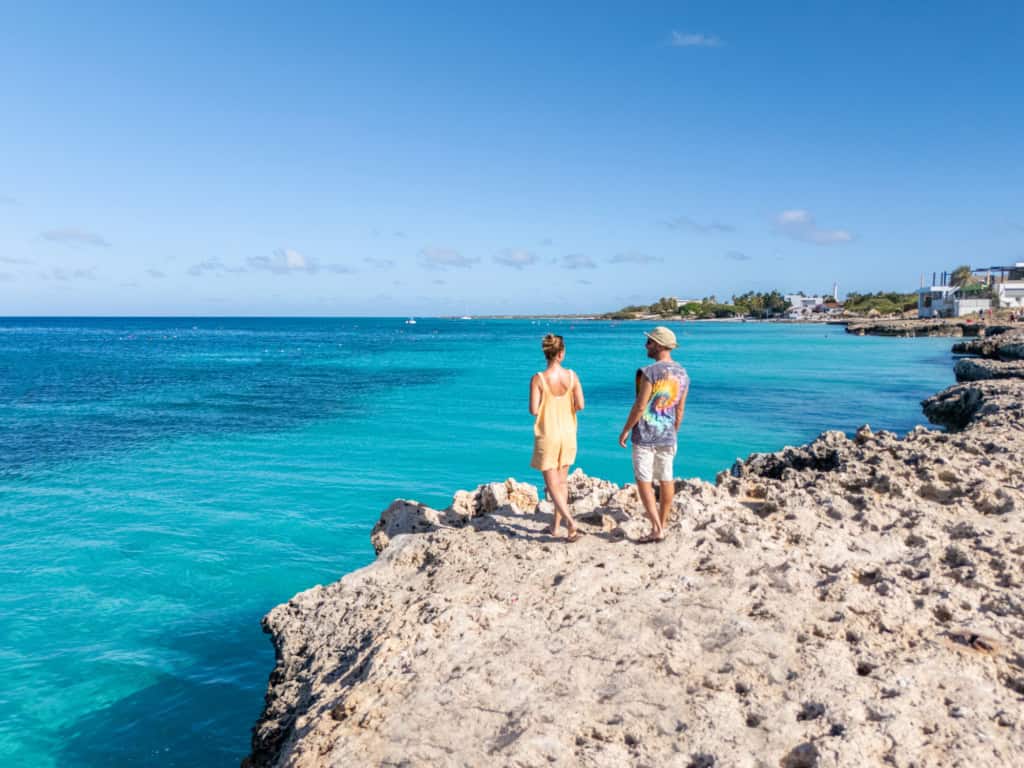
Located near South America, these islands sit below the hurricane belt and rarely experience direct storm impacts.
Southern Caribbean (Barbados, Saint Lucia, Antigua)
These islands are in the hurricane zone, but they usually get fewer direct hits than northern Caribbean spots.
Mediterranean Europe
Spain, Italy, and Greece
These popular summer destinations boast stable weather patterns and a low risk of hurricanes. This makes them ideal for beach, cultural, and city travel during storm season in the Americas.
US Inland Cities
Atlanta, Dallas, Denver, Minneapolis, Salt Lake City, Phoenix, and Chicago
These cities are safe from coastal storms. They have lively cultural scenes, various dining choices, and plenty of attractions. This makes them ideal alternatives for domestic travelers.
Southeast Asia
Bali, Thailand, Vietnam, Cambodia, Malaysia, Singapore
These destinations have storm seasons that peak at different times than the Atlantic hurricane season. This makes them ideal off-season travel options. They also offer vibrant culture, stunning landscapes, and fewer crowds during these periods.
Safety Tips for Traveling During Hurricane Season
Even if you have insurance, it’s essential to stay alert while traveling during hurricane season.
Here are a few key steps:
- Stay Informed: Monitor weather alerts and local advisories regularly.
- Pack Essentials: Keep important documents, medications, and emergency supplies easily accessible.
- Plan for Flexibility: Choose refundable or changeable bookings and be aware of evacuation routes and local shelters.
Travel Insurance
The Best Tools for Hurricane Season Travelers
These resources can help you monitor the weather, track travel changes, and access emergency support while traveling:
- NOAA National Hurricane Center – Official hurricane forecasts, advisories, and storm tracking for Atlantic and Pacific regions.
- FEMA App – Provides emergency alerts, shelter locations, and disaster preparedness resources (available on iOS & Android).
- STEP (Smart Traveler Enrollment Program) – Register your travel with the U.S. Department of State to receive emergency alerts and assistance abroad.
- The Weather Channel App – Provides real-time weather and storm alerts, including hurricane updates.
- Airline Alert Pages/Apps – Track flight status, cancellations, and waivers directly from major carriers during the season.
- U.S. Embassy/Consulate Information – Emergency contact information and travel alerts from U.S. embassies worldwide.
- Cruise Line Websites/Apps – Updates on itinerary changes, rerouting, and safety during hurricane season cruises.

Other Resources and Checklists
These organizations provide checklists and tips on preparing for a hurricane:
- U.S. Coast Guard Hurricane Guide
- American Red Cross Hurricane Preparedness
- FEMA Hurricane Preparation
- CDC Hurricane Safety Information
Stay Protected During Severe Weather
Traveling during hurricane season offers unique rewards. This includes fewer crowds, better prices, and striking natural scenery. However, it also carries real risks, such as cancellations, rerouted itineraries, potential evacuations, and medical emergencies.
Preparation is key to a safe, stress-free trip. This means getting hurricane travel insurance early, monitoring weather forecasts closely, keeping plans flexible, and packing essential emergency supplies. The right policy protects your trip investment, provides access to medical care, and covers emergency evacuations. This allows you to travel with confidence.
By following the tips in this article, you can enjoy off-season travel while minimizing risk and maximizing peace of mind, no matter the weather.
Emergency Evacuation Insurance Plan with 24/7 Travel Security Benefits

MedjetHorizon Travel Protection
- Available to residents of the United States, Canada and Mexico under the age of 75
- 24/7 Travel Security Response and Evacuation Services
- All-Expenses-Paid Air Medical Transport in the U.S. and Internationally
- Covers Business and Personal Travel
Frequently Asked Questions
-
Yes, most comprehensive travel insurance policies cover trip cancellations, delays, interruptions, medical emergencies, and evacuations caused by severe weather, provided you purchase the policy before the storm is named.
-
If a tropical storm delays or cuts your journey short, travel insurance can reimburse extra costs for hotels, meals, or transportation, as well as unused prepaid expenses. Always keep receipts and notify your insurer promptly.
-
Buy as soon as you book your trip. If you wait until after a storm is named, you won’t be covered.
-
CFAR is an optional add-on that allows you to cancel for reasons not typically covered, such as concerns about an approaching storm. It usually reimburses 50 to 75% of non-refundable costs.
-
Cruise lines typically reroute or adjust itineraries to avoid storms. Refunds are uncommon unless the sailing is canceled, but insurance may cover unused portions of your trip.
-
Contact your insurer and travel providers as soon as possible. Document expenses, keep receipts, and follow instructions on filing claims. Stay flexible with rebooking options and monitor official weather updates.
-
Reliable sources for real-time alerts and travel advisories include NOAA’s National Hurricane Center, the FEMA app, and the U.S. State Department’s STEP program.