The Safest Cities to Live in Panama
Is Panama safe for foreigners? Discover the safest cities in Panama, and learn about crime rates, safety tips, and more.

International medical cover for expats and their families.
Medical and trip cancellation coverage for international travel.
Life insurance for globally mobile individuals living or working abroad.
Comprehensive benefits for international teams.
Insights on international relocation and global mobility.
Download our brochures or follow us on socials.
Most Popular Country Guides
Healthcare, insurance, and living insights to plan life and travel in each destination.
Healthcare, safety, and practical guidance for living abroad.
Tips and guidance for safer, smarter international travel.
Resources for global mobility, HR, and international teams.
Popular and recently published guides from our team.
Learn about the Panama healthcare system, including how to qualify for CSS, plus information for immigrants, expats, and travelers.
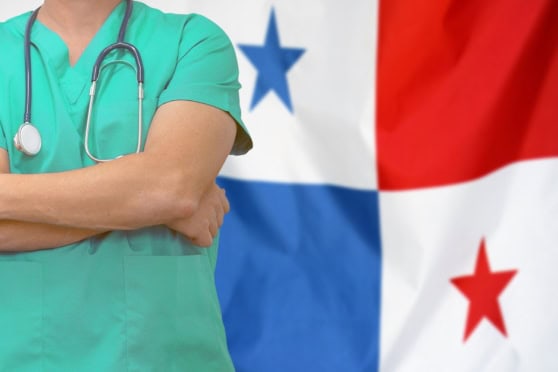
Panama is a tropical isthmus that connects North America and South America, featuring a mix of rainforests and cities. It is also known as the home of the Panama Canal, the man-made passage from the Atlantic to the Pacific Ocean built by the United States from 1904 to 1914. Due to its warm climate, miles of beaches, and affordability, Panama has become a popular location for expats, especially retirees. Foreigners also benefit from Panama’s affordable healthcare system.
Panama’s overall healthcare system was ranked 95th among the top 100 healthcare systems in the world; however, most expats prefer the country’s private hospitals to its public ones. The elite private facilities, some with ties to top U.S. hospitals, provide faster and more specialized care, with patient comfort as a top priority.
While there isn’t a difference in currency (you can use U.S. dollars in Panama), the cost of excellent private healthcare in Panama is much lower than in the United States. Still, with prices on the rise, insurance is highly recommended. This guide will provide expats and digital nomads with the essential information they need to navigate the healthcare system in Panama.

Find the Best International Medical Insurance
Panama has a public healthcare system funded through taxes and operated by two government agencies, the Social Security Fund (Caja de Seguro Social, or CSS) and the Ministry of Health (Ministerio de Salud, or MINSA).
MINSA operates public clinics, known as polyclinicas, and regional hospitals that offer the public low-cost health services.
CSS manages its public hospitals in Panama, which provide care to those who contribute to the government’s Social Security Fund through their payroll.
Internationally recognized private hospitals operate alongside this system, where you can opt for faster and more exceptional care at a higher cost.
Panama’s government agencies provide affordable healthcare, and local efforts are underway to improve public healthcare facilities. But the amenities are basic, and the system is under strain.
Private hospitals offer the comfort and amenities you expect to find in the U.S. and Europe. Consider the following pros and cons when deciding how to address your healthcare needs in Panama.
The public healthcare system in Panama provides access to affordable care for nearly all of its 4.4 million residents – including visitors.
Many doctors in the country have studied in the U.S. or Europe and often speak English. Doctors working in the private system are required by law to keep some hours for the public system.
Residents who pay into the CSS through employee and employer contributions are fully covered. For others, such as contractors or expats, adequate general healthcare is still accessible at low cost through the MINSA-run public facilities.
If you’re admitted to a MINSA hospital, expect the bare minimum in amenities. Expats in Panama have reported that MINSA facilities are typically “dorm style,” offering minimal privacy and comfort.
For those who can afford it, excellent private hospitals are available, with many boasting the coveted Joint Commission International (JCI) accreditation and U.S. affiliations.
Hospital Punta Pacifica in Panama City, for example, is the only Central American hospital affiliated with Johns Hopkins Medicine International.
Private care is significantly more expensive than public facilities, but it is still substantially cheaper than in the U.S. and Europe. Please note that private hospitals typically require patients to pay the estimated cost of their visit before receiving care.
While Panama’s public healthcare system offers good physician care, its overall quality is still ranked well below that of most European and US countries.
Visitors will find Panama’s MINSA healthcare facilities operating out of older buildings with limited beds or dated equipment.
Expats report long wait times and a lack of basic essentials, such as bedding and toilet paper. Public hospitals can also be understaffed, and patients often require family members to assist with bathing.
For all these reasons and more, it’s best to purchase private health insurance in Panama and visit a private hospital.
Even before the COVID-19 pandemic, Panama’s efforts to improve its public healthcare system met hurdles. For example, CSS is constructing a massive new health complex called Ciudad el Salud Hospital (Hospital City) in Panama City.
It is slated to be the most modern public health facility in Central America; however, corruption investigations have caused a seven-year delay.
Building finally resumed in 2021, and the hospital was opened at last in January 2024. Its quality and accessibility remain to be seen.
Access to care is not equal across Panama’s lush terrain. This could affect where you choose to live. If you want to be near multiple elite private hospitals, you’ll be better off living in one of Panama’s major cities.
Private institutions are fewer and farther between in rural areas. Additionally, many internationally educated and well-paid private doctors prefer to live and practice near city amenities.
Most places in this small country will only be a few hours’ drive away, but in an emergency, that might be too long.
At a public hospital in Panama, fewer specialists will care for a higher volume of patients than at a private hospital.
Sometimes, certain medications are not immediately available, although Panama is trying to address this problem. These factors can increase wait times and will not meet the expectations and standards of many expats.
While 14 percent of the population speaks English, including many in the medical field, the official language of Panama is Spanish.
If you don’t speak Spanish, you are sure to run into more language barriers at public healthcare facilities in rural areas than at private ones.
When you’re choosing where to live in Panama, check the distance to the nearest hospital. Panama’s beautiful terrain features winding roads that pass through mountains and lush jungles.
Weather, traffic, and accidents can increase the estimated driving time. If you’re in a rural area, it’s essential to consider that your nearest emergency room may be a 30-45 minute drive away.
Panama does not have universal healthcare by definition. Its public system through CSS covers about 79% of the population, according to the BTI Transformation Index.
The remainder has access to a low-cost government-run option through MINSA. These two tiers provide affordable healthcare access to nearly all Panamanians and visitors, helping to keep costs low.
Even private-sector care in Panama is more affordable compared to the U.S. or Europe, which has led to the development of a thriving medical tourism industry in certain parts of the country.
If you heard that Panama allows visitors to use the public healthcare system for free for emergencies within their first 30 days of arrival, please note that this program ended due to rising costs.
Expats can participate in CSS only if they are employed permanent residents and pay taxes to the government of Panama.
Dependents are also included in the CSS system. Employers are responsible for making the monthly payroll withholdings and contributions to CSS. The deduction is 9.75 percent of each employee’s paycheck plus a 12.75 percent employer contribution.
It’s worth noting that not all of this amount is allocated toward healthcare, as CSS also manages economic benefits, including pension and disability plans.
Using the MINSA polyclinicas and regional hospitals is a simple process. After receiving care, patients will be asked to settle their bill before leaving the facility.
To use MINSA facilities, you do not need to pay anything in advance or incur a monthly fee.
The costs for care are incredibly low; an entire emergency room visit can cost as little as USD $50-$100. If you cannot pay the total at that moment, you can set up a monthly payment plan.
To visit a private hospital for a non-urgent matter, use the hospital’s website to browse the available services and packages.
You can typically schedule your appointment online or call the hospital directly to book. Some private hospitals have an online pre-admission form.
If so, complete the form and upload the necessary identification documents to prompt a scheduler to call you.
If you have insurance, be sure to request pre-authorization for your upcoming appointment. Most private hospitals in Panama will ask you to pay in advance for the estimated cost of the care you are about to receive.
To access quality care quickly, consider visiting a private hospital. However, if you absolutely need to visit a MINSA public hospital for non-urgent care, you should try to call ahead and schedule an appointment to see a doctor.
Unfortunately, it is common to arrive and wait long past your scheduled appointment time due to the high volume of patients and limited staff. Little can be done, so prepare yourself as best as you can.
The costs reflect the limited amenities at MINSA facilities. A visit with a general practitioner at a public hospital may cost around USD $9-11, or be free if you are covered by CSS.
Vision, dental, and mental health care are not covered or subsidized by the public healthcare system. Dental coverage, in particular, is significantly cheaper than in the U.S., but can still be costly depending on the specific service required.
As for prescription drugs, certain expensive medications may be even more expensive in Panama. However, some medications that require prescriptions in the U.S. are available over the counter in Panama. It’s always good to check first!
In an emergency, you can transport yourself to the emergency room of a private hospital in Panama and check in to be triaged.
While most private hospitals in Panama require payment in advance for the estimated cost of your care, this may vary depending on your specific condition.
What if you need care and a private hospital is too far away? You can always find one of the approximately 902 MINSA and CSS facilities anywhere in the country.
Even CSS hospitals will take you in an emergency. They are often white and green buildings and are more spread out in rural areas.
Private institutions can be utilized immediately by expats and other visitors upon arrival, although you will want to have your international insurance plan set up ahead of time. Some hospitals and healthcare services offer their own insurance plans.
Expats can also immediately use the MINSA facilities upon arrival in Panama and pay the low out-of-pocket costs. Any expat using the system should prepare for the severe lack of amenities and comforts at these public facilities.
To be eligible for CSS coverage, expats need to have employment in Panama and pay taxes to the government of Panama.
There is also a public healthcare system for the poorest people in Panama, but only Panamanian citizens are eligible.
Thanks to its three-tiered healthcare system, Panama offers various options for healthcare. While expats can access quality healthcare through the MINSA facilities, Panama’s private hospitals and services are top-rated. They will provide the level of service expected in the U.S. or Europe.
Expats may want to take advantage of their new proximity to these elite private institutions, which are more affordable with an international health insurance plan.
Most foreigners opt for the private system, often accompanied by private health insurance, in Panama, for faster care in English and the benefit of more modern facilities and comfort.
Even with a private plan, many expats use all three tiers of Panama’s healthcare system over time. Having options regarding your healthcare needs might provide peace of mind and leave more time for the beach.
Cigna Global Insurance Plan
BCBS Global Solutions Worldwide Premier