
International Health Insurance
Gain valuable insights and practical tips for navigating international health insurance while living abroad. From coverage details to expert advice, this comprehensive guide helps travelers…

International medical cover for expats and their families.
Medical and trip cancellation coverage for international travel.
Life insurance for globally mobile individuals living or working abroad.
Comprehensive international medical coverage for groups.
Medical, accident, and liability protection for global travel.
Financial protection for employees worldwide.
Most Popular Country Guides
Healthcare, insurance, and living insights to plan life and travel in each destination.
Healthcare, safety, and practical guidance for living abroad.
Tips and guidance for safer, smarter international travel.
Resources for global mobility, HR, and international teams.
Find the best travel insurance for Sweden for medical emergencies, trip cancellations, and more, along with top safety tips for your trip.
Sweden is considered a very safe country, known for its natural beauty, thoughtful design, and high quality of life. Still, visitors should be aware of a few risks. Winter sports are extremely popular, and injuries are common. In the north, blizzards and avalanches occur regularly, and in recent years, the country has faced a heightened risk of terrorist activity. Travel insurance for Sweden helps protect you from these unexpected events and offers added peace of mind.

Yes, travelers to Sweden should buy an insurance plan that offers both trip and medical coverage. If you happen to have an emergency while abroad, you can focus on what you need to do and not worry about bills.
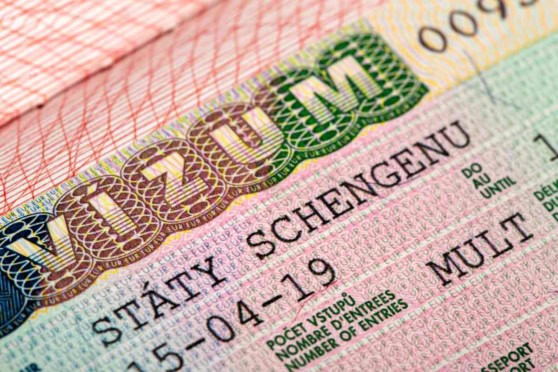
For visitors who need a Schengen Visa, you must include proof of international travel insurance with your application. You can find which countries require a visa to enter Sweden on the government’s webpage.
While insurance is not mandatory for short-term visits to Sweden for Americans, Canadians, and others, the government strongly recommends that you purchase a plan that covers at least €30,000 in medical care.
Sweden has excellent healthcare, and you are not limited to the major cities to find top-quality hospitals. There are 100 hospitals nationwide, of which only 15 are private facilities.
Citizens and residents have access to free healthcare. Travelers, however, will have to show proof of insurance or pay out of pocket to get care at a public clinic.
Depending on how severe your injury or illness is, you might need to get a medical evacuation. Evacuations can be costly.
You’ll want to ensure that your travel insurance for Sweden covers hospital stays, evacuations, and even repatriation to your home country.
How safe is Sweden from natural disasters? While hurricanes and typhoons aren’t an issue in this Nordic country, you might experience a blizzard or an avalanche in the mountains, preventing travel.
Flooding can make it hard to access essential services. If you’re visiting the country, it’s a good idea to buy full trip coverage.
That way, you will be protected if you need to make last-minute changes or cancellations, or if you need to evacuate.
There are some great choices listed below. When purchasing travel medical insurance for Sweden, please inform us of the duration of your trip, the activities you plan to engage in, and any pre-existing conditions you may have. Different visitors to the country will have different needs. We can help select the best plan for your trip.
For those interested in winter sports, such as snowmobiling or dog sledding, consider purchasing additional adventure sports travel insurance.
If your trip revolves around snow sports, you might also consider Cancel For Any Reason insurance, given how quickly weather conditions can change. At the very least, make sure your plan covers last-minute changes, cancellations, and evacuations.


There are no required vaccines for entering or exiting Sweden. However, the World Health Organization (WHO) and the Centers for Disease Control and Prevention (CDC) recommend that travelers be up to date on all routine vaccines, such as influenza, chickenpox, measles-mumps-rubella (MMR), and diphtheria-tetanus-pertussis (DTP).
Plan to visit your doctor at least a month before your trip. This will give you time to obtain any necessary medications or vaccinations.
You can bring prescription and over-the-counter medications into Sweden. However, the country limits how much you can bring with you.
If you are traveling from a country within the European Economic Area (EEA), you are allowed a year’s supply. Those arriving from outside the EEA are limited to a three-month supply.
If you are bringing medication into the country, keep the medicine in its original packaging and with the receipt.
Ensure the name on the label matches the one on your travel documents. Lastly, carry a copy of your doctor’s prescription.
To learn about the legality or availability of your specific medication in Sweden, it’s a good idea to contact your local embassy. The numbers for each embassy are listed below.
Swedish urgent care emergency rooms are open 24 hours a day and accept patients with or without a doctor’s referral.
Some hospitals may charge a fee for an ambulance or helicopter transfer, but the fee is capped at 1,100 kronor (about $100 USD). Note that this is county-dependent; most provide free transfer to hospitals for emergency treatment.
Private healthcare is gaining popularity in Sweden. Private facilities offer shorter waiting times, individual rooms, and a high level of service.
You will want to ask about the payment process before your visit. Some require up-front payment, and you will need to get reimbursed by your insurance provider later.
Your Sweden travel insurance provider can help you find treatment options based on your needs and location. Many plans also offer telehealth visits and provide a translator if needed.
The Swedish website 1177.se is a trusted, official source of healthcare information.
Sweden is ranked as the 28th most peaceful country in the world, according to the 2023 Global Peace Index.
The country has dropped a bit in rankings over the past few years, primarily due to the Ukraine conflict. In comparison, the United Kingdom is ranked 37th, while the United States is placed at 131st.
Yes, Stockholm is ranked the fourth-safest city in the world for personal security by the Economist’s 2021 Safe City Index.
The well-lit streets and extensive public transit network make Stockholm a safe city to wander through after dark.
Yes, female-presenting travelers can rely on Sweden’s safety. Sweden is ranked third on the Women, Peace, and Security Index, which measures a country’s safety for women.
However, it’s still important to take the usual precautions. Be aware of your surroundings, stay in well-lit areas, and trust your instincts.
Regardless of a country’s global safety ranking, it is essential to stay up to date on travel alerts for your destination.
As these warnings are updated frequently, you can use the following pages to stay informed about the latest safety recommendations.
Additionally, U.S. travelers can enroll in the U.S. Smart Traveler Enrollment Program. If you register your travel dates with the program, you will receive alerts for the country while visiting.
If you require emergency care in Sweden, dial 112 from any phone for ambulance and police services. All phone operators are bilingual in Swedish and English. For non-emergencies, the police can be reached by calling 114 14.
Sweden also has a 24-hour non-emergency healthcare line staffed by registered nurses. You can dial 1177 from a Swedish phone to get medical advice and find the nearest health center. If you’re using a SIM card from outside the country, dial +46 771 1177 00.
Below you can find contact information for your local embassy or consular services:
United States Embassy
Dag Hammarskjölds Väg 31 SE-115 89 Stockholm, Sweden
Phone: +46 8 783 53 00
Fax: +46 8 661 19 64
Embassy of Canada
23 Klarabergsgatan, 111 21 Stockholm, Sweden
Phone: +46 8 453 30 00
Fax: +46 8 453 30 16
Email: stkhm@international.gc.ca
British Embassy
Skarpögatan 6-8, Box 27819, 115 93 Stockholm, Sweden
Phone: +46 8 671 30 00
Email: Stockholm@fcdo.gov.uk
French Embassy
Kommendörsgatan 13, box 5135, 102 43 Stockholm, Sweden
Phone: +46 8 459 53 00
Australian Embassy
Klarabergsviadukten 63, 8th Floor, Stockholm, Sweden
Phone: +46 8 613 29 00
Email: stockholm.reception@dfat.gov.au
New Zealand Embassy
Skarpögatan 6, Östermalm, 115 27, Stockholm, Sweden
Phone: +46 8 400 17 270
Email: NZEmbassyStockholm@mfat.govt.nz
While Sweden has a low rate of violent crime, petty crimes like pickpocketing and bag snatching are common in the larger cities. Stay alert. Don’t walk around playing on your phone or looking at a map.
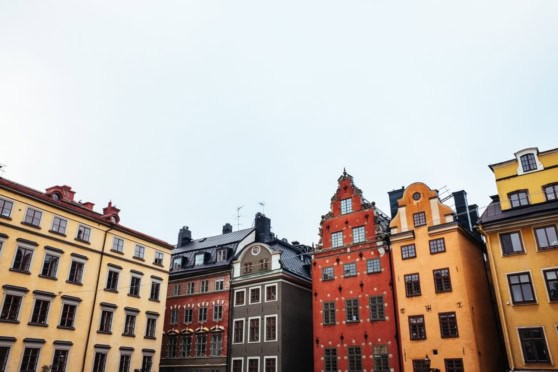
Petty crime usually occurs when a thief has an easy opportunity, and if you are distracted, you become an easy target. Note that high tourist areas, like Stockholm’s Old Town (“Gamla Stan”), often have higher rates of petty crime.
Swedish authorities warn that the country is a likely target for terrorism. There has been an increased number of threats by violent Islamist groups and by far-right/Nazi terrorists.
The threat level is rated at 4 out of 5. Take official government warnings seriously and be vigilant in public spaces. You can stay up to date on threat levels on the embassy websites listed above and on the Swedish Security Service website.
Approximately 15% of Sweden lies north of the Arctic Circle. The northern region experiences severe cold, with temperatures as low as −22 to −40 °F (−30 to −40 °C), and receives heavy snowfall for up to 8 months of the year.
If you plan to be in northern Sweden during the winter months, ensure you have the appropriate snow gear: a warm winter coat, thermal underwear, waterproof pants, wool socks, hats, and gloves.
Sweden can experience extreme weather conditions, including blizzards, rockslides, forest fires, floods, and storms. The weather can change quickly.
If you want to get alerts when severe weather is headed your way, you can register with the Global Disaster Alert and Coordination System. It’s a good idea to know where local shelters are and learn evacuation plans for different events.
Sweden is home to various dangerous animals, including brown bears, wolves, and moose. Do not approach wildlife in the forests or parks.
Additionally, mosquitoes and ticks are a growing problem in Sweden during the summer months. Make sure to wear long trousers and insect repellent when hiking.
While Sweden is regularly ranked among the world’s safest countries, accidents can still occur anywhere. It’s a good idea to buy comprehensive travel health insurance for Sweden before you leave.
That way, you are prepared for unexpected delays, natural disasters, or medical emergencies. Knowing you are protected in an emergency lets you focus on enjoying all that Sweden has to offer.