
Sweden’s Healthcare System

Key Takeaways
- Sweden's healthcare system ranks 5th out of 110 countries in the 2025 CEOWORLD Health Care Index.
- Foreign residents in Sweden access public healthcare like locals once they register with the Swedish Tax Agency and receive a personal identity number, known as a personnummer.
- European Union, European Economic Area and Swiss visitors use a European Health Insurance Card for medically necessary treatment in Sweden, and United Kingdom visitors a Global Health Insurance Card.
- Sweden's emergency number for ambulance, police and fire services is 112, while 1177 Vårdguiden provides non-emergency medical advice 24 hours a day.
Sweden’s healthcare system is among the best in the world. Known in Swedish as hälso- och sjukvård, it provides tax-funded healthcare for eligible residents and emergency treatment for visitors. If you are moving to Sweden or visiting for a short time, it is important to understand how to access care, who is eligible, and what costs may apply. Here’s what expats and visitors need to know.
Find the Best International Medical Insurance
- Compare multiple quotes from top insurers
- Get expert advice at no additional cost
- Find the right plan for your needs and budget
How Does Healthcare Work in Sweden?
Sweden has a universal healthcare system funded mainly through taxes. The national government makes healthcare policies. Meanwhile, 21 regional councils handle and provide local healthcare services.
The system includes primary care, hospital treatment, specialist services, and preventive healthcare. These services are available at Swedish hospitals, local healthcare centers (vårdcentraler), and publicly funded private clinics.
The Swedish Ministry of Health and Social Affairs and the National Board of Health and Welfare (Socialstyrelsen) oversee the healthcare system in Sweden. They also help set national standards for quality and patient safety.

Regional income taxes provide most of the funding for healthcare in Sweden. The national government also provides grants, and municipalities help fund services such as elderly and long-term care.
Public funding covers around 85–86% of total healthcare expenditure. The remainder comes largely from patient fees and other private payments. Annual cost caps help keep healthcare affordable.
Sweden has one of the highest life expectancies in the world. It also has strong cancer survival rates and low levels of preventable deaths. The country spends 11.3% of its GDP on healthcare, which is above the OECD average of 9.3%. It invests heavily in preventive care, including vaccinations, maternity care, cancer screening, and public health programs.
Does Sweden Have Free Healthcare?
Healthcare in Sweden is not completely free, but the government heavily subsidizes it. Residents pay small fees for GP visits, specialist appointments, emergency care, and hospital treatment.
Annual cost limits reduce how much people pay each year. Once patients reach the limit, many healthcare services become free for the rest of the period. Children under 18 usually receive free medical care. The government also subsidizes prescription medicines and limits annual medicine costs.
Most adults must pay for dental care. Patients may also pay for some specialist treatments, cosmetic procedures, and certain medicines.
The Pros and Cons of Healthcare in Sweden
Sweden’s public healthcare system provides high-quality and affordable care. But, like in many countries, it also faces challenges. Here are the pros and cons:
The Pros
- High-quality care with strong health outcomes: Sweden performs well in international healthcare comparisons. The country has high life expectancy, strong cancer survival rates, modern hospitals, and highly trained medical professionals.
- Affordable healthcare costs: Tax funding keeps costs low for residents. Small patient fees and annual cost limits help protect people from large medical bills.
- Healthcare access for eligible residents: Swedish citizens and eligible foreign residents, including many people with valid residence permits, can access public healthcare services. This includes primary care, specialist treatment, emergency care, and maternity services.
- Strong focus on prevention: The country invests in vaccination programs, health screenings, maternity care, and child healthcare services.
- Modern hospitals and skilled healthcare workers: Sweden has advanced medical facilities and experienced professionals who provide specialist and emergency care.
The Cons
- Long waiting times: Some patients wait longer for specialist appointments and planned procedures. Waiting times can vary depending on the region and type of treatment.
- Regional differences: Sweden’s regional healthcare model means some areas provide faster access than others. Rural areas may have fewer providers and specialist services.
- Growing pressure from an aging population: A larger elderly population increases demand for hospital care, chronic disease treatment, and long-term care services.
- Limited private room availability: Public hospitals provide high-quality treatment, but private rooms may not always be available.
Can Foreigners Access Healthcare in Sweden?
Foreigners can access the healthcare system in Sweden, but eligibility depends on their residency status and nationality.
Foreign residents who qualify can use the public system. Visitors may need healthcare agreements or private coverage to manage costs.
Healthcare for Expats in Sweden
Many foreigners who move to Sweden for one year or more register with the Swedish Tax Agency (Skatteverket). If they meet the requirements, they receive a personal identity number (personnummer).
Once they register as residents, they can access Sweden’s public healthcare system like locals. A personal identity number helps people access many public services, including visits to healthcare centers (vårdcentraler), specialist care, hospital treatment, and other healthcare services.
This also applies to foreigners who retire in Sweden. They can access healthcare and should learn how long-term care works as they get older.
Expats who qualify for public healthcare do not need private coverage. But many choose private health insurance in Sweden to get faster access to private clinics, shorter waiting times, and extra services.
Healthcare for Visitors in Sweden
Visitors can receive medical care in Sweden, but access and costs depend on their nationality and healthcare agreements.
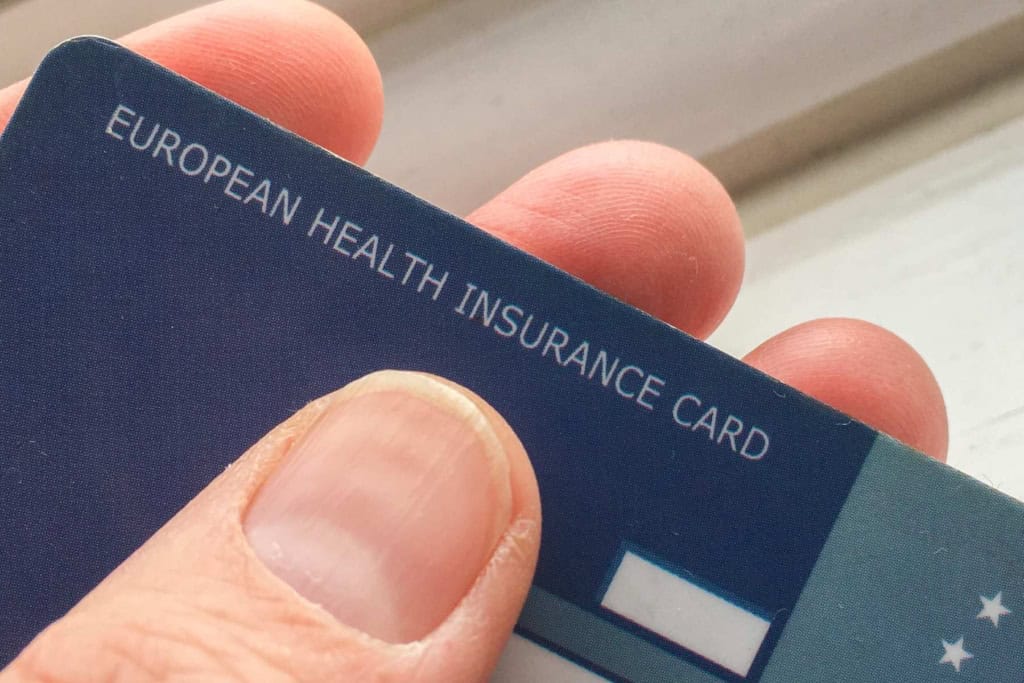
EU/EEA citizens and Swiss visitors can use a European Health Insurance Card (EHIC) for medically necessary treatment during temporary stays. UK visitors can use a Global Health Insurance Card (GHIC).
These cards allow visitors to receive treatment under conditions similar to Swedish residents, but standard patient fees may still apply.
Visitors from outside the EU/EEA usually do not receive the same public healthcare benefits. They may need to pay the full cost of treatment.
Emergency care is available to everyone, regardless of nationality. But visitors should arrange travel insurance for Sweden with medical coverage before traveling. A suitable policy can cover emergency treatment, hospital stays, ambulance services, and medical repatriation if needed.
How to Register for Public Healthcare in Sweden
Expats who plan to live in Sweden long-term usually need to register with Swedish authorities before they can use healthcare like residents.
The main steps include getting a Swedish personal identity number (personnummer) and registering with a local healthcare center (vårdcentral).
Healthcare Registration Process
- Register with the Swedish Tax Agency (Skatteverket): Apply for a personal identity number (personnummer), so you can access the public system and other government services.
- Access Healthcare Services: Once you have a personal identity number, you can access public healthcare and register for your region’s online services.
- Choose a Local Healthcare Center (Vårdcentral): Register with a local vårdcentral, either online through your regional healthcare portal or by contacting the clinic directly. This will be your main point of contact for routine care.
- Understand Healthcare Costs: There is no registration fee for public healthcare. But patients pay small, subsidized fees for some services, with annual cost caps that limit out-of-pocket expenses.
Documents Required to Register
Foreign residents usually need to provide:
- Passport or national identity card
- Valid residence permit (if required)
- Proof of address in Sweden
- Employment, study, or family documents (depending on residency status)
- Swedish personal identity number (personnummer), once issued
Processing Time
Registration times depend on how quickly the Swedish Tax Agency processes applications. This can take several weeks.
After registration, residents can use 1177 Vårdguiden, Sweden’s healthcare website and digital service. The platform allows users to book appointments, view records, and contact providers.
Emergency Healthcare in Sweden
Sweden provides emergency healthcare for everyone, including residents, expats, and visitors. For serious or life-threatening emergencies, call 112. This is Sweden’s emergency number for ambulance, police, or fire services.
For non-emergency medical advice, call 1177 Vårdguiden. This service offers healthcare advice 24/7. It can help you choose the right care, like visiting a healthcare center (vårdcentral) or going to a hospital.
Emergency departments (akutmottagning) are available at hospitals throughout Sweden and treat serious illnesses and injuries. The cost of emergency care depends on your residency status, nationality, and healthcare coverage.
EU/EEA citizens and Swiss visitors can use a European Health Insurance Card (EHIC). UK visitors can use a Global Health Insurance Card (GHIC) for necessary medical care during short stays.
Visitors from abroad may need to pay for their treatment. So it’s a good idea to get travel insurance with medical cover.
Private Healthcare in Sweden
Private healthcare plays a smaller role than public healthcare in Sweden. Many local residents and expats prefer private services. They provide quicker access to specialists, shorter wait times, and English-speaking healthcare providers.
Private clinics offer services such as specialist consultations, diagnostic tests, and elective treatments. They also follow Swedish healthcare regulations and meet national standards for patient safety and quality. Major private providers include Sophiahemmet Hospital in Stockholm and Capio St. Göran’s Hospital.
Private healthcare is more common in big cities like Stockholm, Gothenburg, and Malmö. These places have more private clinics and specialists. Rural areas usually have fewer private options, so residents often rely more on the public system.
How is Private Healthcare Funded in Sweden?
Private healthcare is funded through private insurance, employer health plans, and direct payments. Many employers offer private health coverage as a workplace benefit. Individuals can also buy a private plan to access private clinics and reduce waiting times.
Swedish healthcare authorities oversee private providers. They must meet national safety and quality standards.
How to Access Private Healthcare in Sweden
Foreigners can use private healthcare without joining the public system. Patients can usually:
- Book appointments directly with private clinics
- See specialists without a public healthcare referral
- Pay for the treatment themselves
- Use a private plan to cover eligible costs
Patients may pay upfront and request reimbursement, depending on their policy.
How Much is Healthcare in Sweden?
Eligible residents pay low patient fees for healthcare services. Annual cost limits shield them from high expenses.
Public Healthcare Costs
Public healthcare costs in Sweden typically include:
- GP visits: Usually around SEK 100–300 (€9–€27) per appointment, depending on the region.
- Specialist appointments: Usually around SEK 200–400 (€18–€36).
- Emergency care: Often costs around SEK 200–500 (€18–€45) depending on the region and type of treatment.
- Hospital stays: Patients usually pay a small daily fee, typically around SEK 100–130 (€9–€12).
- Prescription medicines: Patients pay part of the cost until they reach the annual pharmaceutical cost limit.
Children and young people usually get free healthcare, but rules can vary by region. Once residents reach the annual cost limit, many services become free for the remainder of the period.
Private Healthcare Costs
Private healthcare costs vary depending on the provider, treatment, and location. A private doctor or specialist consultation can cost several hundred to several thousand Swedish kronor.
Diagnostic tests and procedures may cost more depending on the service required. Private clinics may also charge extra fees for consultations, tests, follow-up appointments, or treatments.
Expats and visitors can access private healthcare without joining the public system. But many choose a private health plan. This helps them manage costs and access private clinics more easily. This is especially helpful if they need specialist care.
Out-of-Pocket Healthcare Costs
Although Sweden provides affordable healthcare for eligible residents, patients may still need to pay for some services. These costs can include:
- Patient fees for GP and specialist appointments
- Prescription medicines before reaching the annual cost limit
- Adult dental care
- Private healthcare appointments
- Cosmetic treatments and non-essential procedures
Visitors from countries without healthcare agreements with Sweden may need to pay the full cost of medical treatment. A travel plan with medical coverage can help cover unexpected expenses and reduce the risk of large medical bills.
Healthcare Payment Systems and Subsidies
Sweden does not require residents to buy a private health plan. Eligible residents access publicly funded healthcare through the national system.
When patients access care, they usually pay a small fee, and the government covers the remaining cost. Annual limits reduce the amount people pay for medical services and prescription medicines.
The country also provides healthcare subsidies and support, including:
- Free healthcare for children and young people under regional rules
- Subsidized prescription medicines through the national pharmaceutical benefits system
- Reduced costs for people with high medical expenses
- Extra support for elderly people and those with long-term healthcare needs
Foreign residents who qualify for Sweden’s public healthcare system get access like local residents. Visitors without healthcare agreements may need a travel plan or private coverage to manage medical costs.
Stay Protected in Sweden
Sweden offers one of the world’s highest-quality healthcare systems. It combines affordable public care with strong medical standards and a focus on prevention.
Eligible residents can access tax-funded services at low costs. Meanwhile, private healthcare options offer quicker access to specialists and more flexibility.
Expats should understand healthcare eligibility, registration requirements, and potential costs before moving to Sweden. Visitors should arrange suitable travel medical insurance to help cover unexpected healthcare expenses during their stay.
With the right preparation, both residents and visitors can access Sweden’s healthcare system with confidence.
Find the Best International Medical Insurance
- Compare multiple quotes from top insurers
- Get expert advice at no additional cost
- Find the right plan for your needs and budget
Sweden’s Healthcare System FAQs
-
Yes. Sweden ranks 5th out of 110 countries in the 2025 CEOWORLD Health Care Index. Its tax-funded universal healthcare system provides residents with access to high-quality care. The country also has one of the highest life expectancies globally, strong cancer survival rates, and low levels of preventable deaths.
Sweden spends 11.3% of its GDP on healthcare, above the OECD average of 9.3%. It invests heavily in preventive care, including vaccinations, maternity care, cancer screening, and public health programs. This helps to maintain high standards of health and wellbeing
-
Sweden has a universal healthcare system mainly funded through taxes. Regional authorities manage healthcare services, including hospitals, healthcare centres (vårdcentraler), and specialist care. Eligible residents can access public healthcare by paying regulated patient fees.
-
Healthcare in Sweden is not completely free, but it is heavily subsidized through taxes. Residents usually pay small fees for doctor visits, specialist appointments, emergency care, and prescriptions. Annual cost limits help protect patients from high healthcare expenses
-
Healthcare in Sweden is low-cost for eligible residents because it is largely funded through taxes. Patients pay subsidized fees for services such as GP visits, specialist appointments, emergency care, and prescriptions, while annual cost caps limit overall healthcare expenses.
-
No, healthcare is not generally free for tourists in Sweden. EU/EEA and Swiss visitors can use a European Health Insurance Card (EHIC), while UK visitors can use a Global Health Insurance Card (GHIC) for medically necessary care. Other visitors typically pay for treatment or claim through travel insurance for Sweden.
-
To register for healthcare in Sweden, most long-term residents first obtain a personal identity number (personnummer) from the Swedish Tax Agency (Skatteverket). After registration, they can usually choose a local healthcare centre (vårdcentral) and access public healthcare services.