
The Cost of Living in Sweden
Key Takeaways
- Living costs depend heavily on location. Stockholm is Sweden’s most expensive city, while Malmö, Umeå, Örebro, and Linköping offer more affordable alternatives.
- Housing is a major factor in your budget. Living outside city centers can reduce rent, but remember to include utilities, internet, and commuting costs.
- Everyday choices can help control spending. Cooking at home and using public transportation can make life in Sweden more affordable.
- Include healthcare in your relocation plans. Check your eligibility for public care and arrange insurance for any gap before registration is complete.
Sweden is consistently ranked among the world’s leading countries for quality of life, healthcare, education, and work-life balance in global reports and indices, and is widely recognized for its strong social systems, high living standards, and overall well-being. While the country is often seen as expensive, the cost of living in Sweden varies depending on lifestyle and location.
To give you an idea of what everyday expenses look like, we break down the key costs below. All costs are sourced from Numbeo, presented in Swedish kronor (converted to U.S. dollars), and are up to date as of May 2026.

Moving to Sweden? Get Covered
Compare personalized international health insurance options that match your destination, budget, and coverage needs.
✔️ Personalized quotes • ✔️ Expert guidance • ✔️ No obligation
Is Sweden Expensive?
Depending on where you live, Sweden may not be as expensive as you imagine for Northern Europe. In fact, it is the cheapest of the Nordic countries.
The cost of living in Sweden is lower than in Norway, Finland, Iceland, and Denmark. Compared with other European countries, Sweden is also cheaper than Germany, Ireland, and the Netherlands.
When comparing the cost of living in Sweden versus the U.S., you’ll find that living costs, including rent, are 14% lower in Sweden. Stockholm is the most expensive city in the country and ranks 35th on Numbeo’s Cost of Living Index; New York City ranks 12th.
The Most Expensive and Cheapest Places in Sweden
The Most Expensive Cities in Sweden
Sweden has many great cities where expats and foreigners can live. The major cities tend to be more expensive, especially for rent.
The following are the most expensive cities to live in, according to Numbeo. Consumer prices in these cities are over 20–30% lower than in New York.
Stockholm
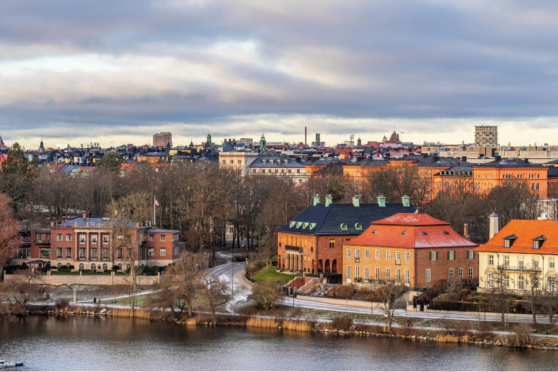
Stockholm is the capital and largest city of Sweden. The cosmopolitan city is a leading technological hub, home to many universities and employment opportunities.
Nature enthusiasts can access green spaces around the city and the unique archipelago. Although the city has a higher cost of living than the rest of the country, it is far more affordable than New York.
Consumer prices in Stockholm are 19% lower than in New York and 40% lower if you take rent into consideration.

Solna
Located between Stockholm and the international airport Stockholm Arlanda, Solna is a rapidly growing city. The city is an economic hub, attracting many businesses, making it an excellent location for expats seeking work.
Famous sites include multiple royal palaces and the Angso National Park. Like Stockholm, Solna offers many opportunities for nature lovers to explore green spaces.
Gothenburg
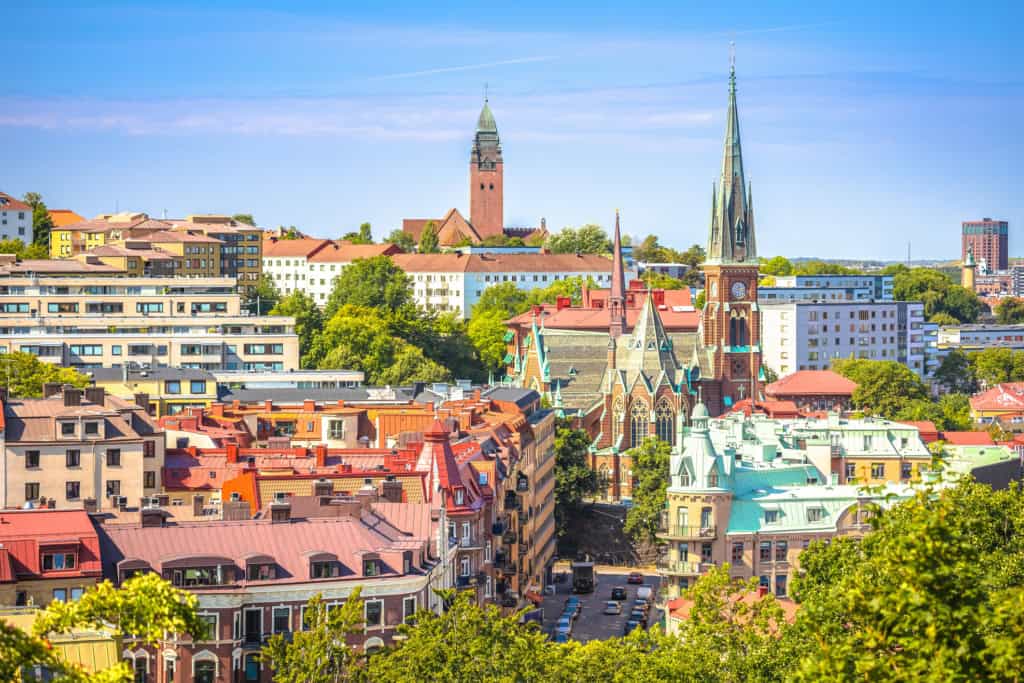
Located on the west coast, Gothenburg is Sweden’s second-largest city. Home to Volvo cars and two universities, it’s also known for its seafood and craft beer scene.
The city has the largest amusement park in all of Scandinavia and one of the best botanical gardens in Europe. Like many other cities in Sweden, you don’t need to travel far to reach beautiful coastlines and forests. Additionally, Gothenburg ranks second, behind only Helsinki, on the GDS-Index of sustainable cities.
Lund
Located close to Malmö, Lund is a university town and one of the oldest in the country, dating back to 990. Historically, the city was once part of Denmark, and you can see Danish influences in the architecture.
Full of students, Lund has many affordable cafés and is one of the best places to experience fika culture, where people take a short break in their day to socialize over a snack and hot drink. The city also has museums, galleries, and a healthy nightlife.
Uppsala
Uppsala hosts the oldest university in Scandinavia and is known as the Cambridge, UK of Sweden. The city is considered an innovative city for both academia and business. It’s also an easy train ride to Stockholm and a popular choice for commuters seeking cheaper rent outside the capital.
Find Health Insurance That Fits Your Budget Abroad
Whether you choose a major city or a more rural destination, international health insurance can help protect you from unexpected medical costs while living in Sweden.
The Most Affordable Cities in Sweden
Want to live somewhere more affordable with a strong expat community? These cities still offer many of the same benefits as the bigger, more expensive ones.
The following cities all offer consumer prices that are 15-20% lower than in Stockholm. Each of these cities has consumer prices that are 32-40% lower than New York’s, and 52-60% lower when rent is included.
Umeå
This small university town is often referred to as the “capital of northern Sweden.” It’s popular for winter activities such as dog sledding, skiing, and hockey. Additionally, Umeå is a great location to see the northern lights. Consumer prices in Umeå are comparable to those found in Madrid, Spain.

Örebro
Örebro is a mid-sized city located between Stockholm and Gothenburg. It’s a great place to find respite from the hustle and bustle of larger cities. Still, Örebro offers a 13th-century castle, museums, and numerous nature reserves.
Linköping
A university town, Linköping is one of Sweden’s largest cities. It is another technological hub, has one of the best hospitals in Sweden, and is known for its push on environmental issues.
The city has committed to being carbon neutral by 2025. Their most popular attraction is the Friluftsmuseet Gamla Linköping, an open-air museum.
Malmö
Located in the south of the country, closer to Copenhagen than Stockholm, Malmö is Sweden’s third-largest city. The city has a diverse population and a youthful atmosphere, with an average age of 35.
Malmö is known for its eco-friendly lifestyle, with a nearly car-free city center and most people getting around by bicycle. From gardens to beaches to a thriving restaurant scene, there is something for everyone in Malmö.
The Average Cost of Living in Sweden
To better understand the cost of living in Sweden, it helps to look at everyday expenses across key categories such as housing, food, transportation, and healthcare. Costs can vary depending on the city you choose and your lifestyle, but overall spending patterns remain relatively consistent across the country.
Below, we break down the average cost of living in Sweden to give you a clearer picture of what daily life might look like for residents and expats.
Housing Costs in Sweden
Just as in the United States, the cost of living in Sweden greatly varies depending on where you live. Stockholm is the most expensive city in the country, and this is readily reflected in the rent prices. In Stockholm, a one-bedroom apartment in the city center averages $1,628-$2,170.
A three-bedroom apartment costs $2,116-$5,208. Prices drop if you choose to live outside the city center. There, a one-bedroom apartment can be found for $760 to $1,465 and a three-bedroom for $1,356 to $3,038.
On average, in city centers, a one-bedroom apartment in Sweden costs between $651 and $1,833, and a three-bedroom between $1,194 and $2,892.
The affordable cities mentioned above have rents below the national average. In Umeå, you can find one-bedroom apartments for $543 to $1,302 and three-bedroom apartments for $868 to $1,519 in the city center. Prices are even cheaper if you choose to live a bit further out.
Don’t forget to factor in utility bills when estimating housing costs in Sweden. Heating, electricity, water, and other standard utility costs average $72-$295/month for a 915-square-foot apartment. Expect prices to vary based on the size of your home. Additionally, home internet averages $27-$54 per month.
Food and Entertainment Costs in Sweden
Going out for a meal in Sweden is affordable by most European standards. Lunch at an inexpensive restaurant will cost between $12 to $22, slightly cheaper than the U.S. average of $12 to $40. Additionally, food trucks have become quite popular in Sweden. You can find these outdoor dining carts serving quick, affordable meals to people on the go.
If you prefer finer dining, a three-course meal for two averages $65-$163. If you add in some movie tickets, which average $15 to $24 each, you can have a fancy night out on the town for under $100. Alcohol is more expensive in Sweden than food: draught beer averages $5.43-$10.31.
As usual, you can save more money by staying in. A pound of beef ranges from $6 to $16, while chicken goes for $3.80 to $9.20. Adding some carbohydrates to round out the meal, such as rice and potatoes, costs $1.50–2.00.
Other kitchen staples include a gallon of milk for $5.20 to $9.60, a loaf of bread for $1.95 to $4.88, a dozen eggs for $3 to $6, and a pound of apples for under $1.50. If you’d like to add a mid-range bottle of wine to your meal, expect to pay around $8.50 to $21.
Transportation Costs in Sweden
Swedes use public transportation frequently. Buses are the most common way for people to move through the city. But depending on where you are in the country, you’ll also find trams, subways, or even ferries offered as part of the city transit system.
On average, a one-way transportation ticket goes for between $3 and $5. To be more cost-effective, many people buy monthly passes that cost $68 to $115 each.
To move between cities and regions in the country, you’ll find that both buses and trains are available. Buses tend to be cheaper, though the train network is bigger and departs more frequently. Intercity train prices average $20 to $ 100.

The Costs of Education in Sweden
The public school system in Sweden is free, including primary and secondary schools and universities. In 2022, The Campus Adviser ranked the country 15th in the world for higher education. The cost of universities alone shows how much more affordable the cost of living is in Sweden than in the U.S.
There are many international schools for expats and families to keep their children up to date with the standards of their home countries. On average, an international school costs $4,500 per child annually.
Healthcare Costs in Sweden
Sweden has a high-quality, decentralized healthcare system in which regional authorities manage healthcare services. While the system is not completely free, patient fees are generally low.
The government caps annual out-of-pocket healthcare costs, after which additional covered care becomes free for the remainder of the 12-month period.
All legal residents, including expats and foreigners working in Sweden, can access the public healthcare system. To register, you typically need a residence permit and a Swedish personal identity number (personnummer).
After receiving your personnummer, you can register with your local healthcare center (vårdcentral). Obtaining a personnummer may take several weeks after arrival. Make sure you have international health insurance to cover your healthcare costs until your application is approved and a number is assigned.
Visitors from the EU who hold a European Health Insurance Card (EHIC) are eligible to use the public healthcare services for medical emergencies. All other tourists or visitors to Sweden should have private health insurance in Sweden to cover healthcare costs.
Build Healthcare Into Your Cost of Living Plan
Your rent, food, and transportation matter, but so does access to quality healthcare. Compare international health plans designed for expats living in Sweden.
It should be noted that a growing number of Swedes are opting to use the private system. The private system offers shorter wait times and greater consistency in care due to lower doctor turnover.
The private system is attractive for expats or immigrants to Sweden, as English is more prevalent than in the public sphere.

Is Sweden a Good Value for Money?
Overall, Sweden offers a high standard of living with strong public services, excellent infrastructure, and a well-functioning social system.
While the cost of living in Sweden can feel high compared to many countries, especially in major cities like Stockholm, everyday expenses remain manageable depending on lifestyle and location.
For expats and residents, Sweden can offer good value for money, particularly when factoring in benefits such as high-quality healthcare, free education, and a strong work-life balance. However, costs can add up quickly in areas like housing, dining out, and transportation in urban centers.
Ultimately, Sweden is best suited to those who value quality of life and stability over low-cost living and who are prepared to adapt to a higher baseline of everyday expenses.
Enjoy Life Abroad With the Right Coverage
From everyday expenses to unexpected medical needs, make sure you’re fully prepared. Explore health insurance options that support your lifestyle abroad.