
Retiring in the Philippines
Explore Visas, Living Costs, and Where to Live
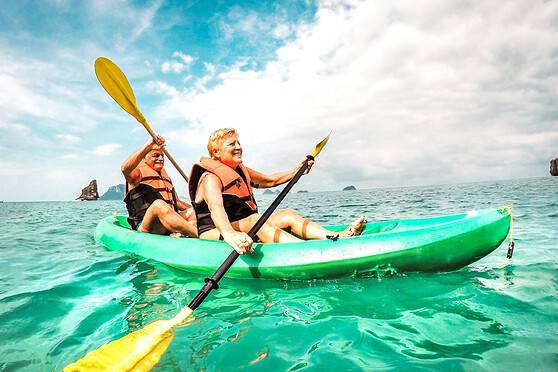
Retiring in the Philippines is an attractive option for many expats. The Southeast Asian country offers a blend of tropical living and affordability that many enjoy, along with a laid-back way of life and welcoming locals. For those considering the move, this article covers everything you need to know, including visa options, living costs, healthcare access, and popular places to call home.

Start Planning Your Healthcare Abroad
Before you retire in the Phillipines, explore international health insurance options that can help you access care and manage costs with confidence.
Retiring in the Philippines: Pros and Cons
If you are considering a move to retire in the Philippines, you aren’t alone. As a welcoming, affordable tropical haven, the country often ranks among the top destinations for retirees seeking a good quality of life on a budget.
However, like anywhere, it’s important to weigh the pros and cons of the Philippines before deciding whether to retire there.

Retiring Abroad
What Are the Benefits of Retiring in the Philippines?
There are many benefits for those who choose to retire in the Philippines. Among these are its affordability, tropical surroundings, and welcoming communities.
Here are a few reasons why retirees are choosing to live out their golden years in the tropical archipelago.
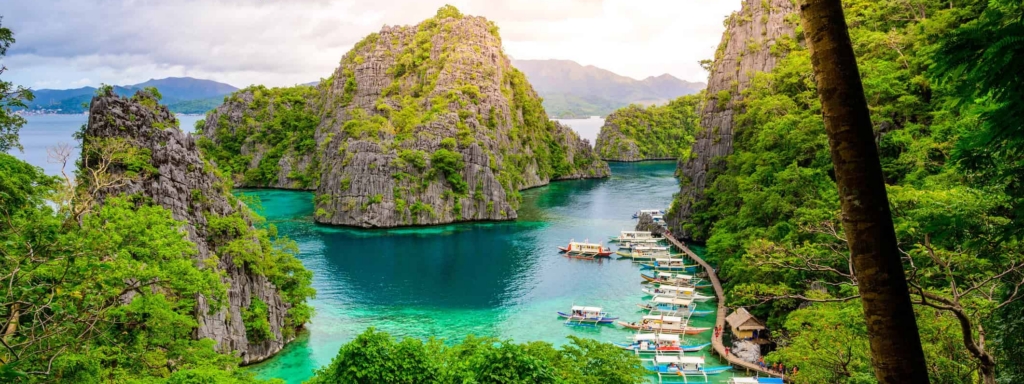
Warm Tropical Climate
The weather in the Philippines is warm year-round. This makes it ideal for those who enjoy an active outdoor lifestyle. On average, temperatures range between 75°F and 90°F.
There are two main seasons in the Philippines. The dry season, which runs from November to May, is when temperatures can be a little cooler.
During the rainy season, from June to October, there may also be occasional monsoons (with heavy flooding) and typhoons.
Affordable Living Costs
The cost of living in the Philippines is lower than in many countries, including the United States and much of Western Europe.
According to Numbeo, living in Manila is approximately 64.2% cheaper than living in New York City. A single retiree can expect to spend around US$600 per month in the capital, excluding rent.
Additionally, a meal at a local restaurant might cost about US$6 in Manila, and a single public transport ticket starts from US$0.50.
Diverse Lifestyle Options
Retirees can choose from many different lifestyles in the Philippines, from upscale urban living to relaxed beachfront or island escapes.
For those who want high-end infrastructure and access to airports, medical care, and more, cities like Manila, Davao, and Cebu are a great choice. Tranquil escapes in more temperate weather are available in the wholesome mountains of Bagio.
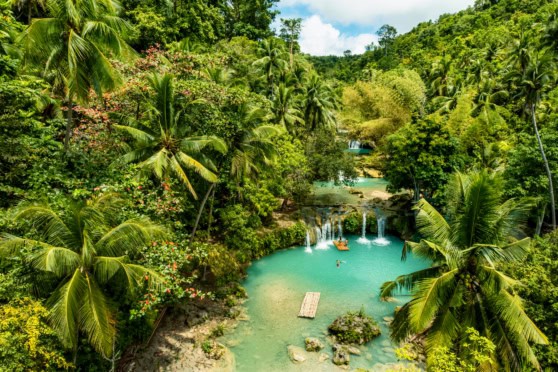
For a slower pace, community-focused atmosphere, and seaside living, Siargao, Palawan, and Dumaguete are all great options.
Strong English Proficiency
English is widely spoken across the Philippines. In fact, the country ranked 28th of 123 in the 2025 EF English Proficiency Index.
This allows foreigners to communicate easily and navigate everything from healthcare and legal matters to banking and social interactions.
Baguio and Metro Manila have the highest proficiency scores in the country, though the urban hubs of Cebu City and Davao also offer near-native fluency.
Even in more provincial areas like Dumaguete, service professionals and younger generations typically speak English fluently.
Accessible Healthcare Services
High-quality healthcare and accredited hospitals are available in major areas of the Philippines, though access is more limited in rural regions.
Accredited hospitals such as St. Luke’s Medical Center in Quezon City, Makati Medical Center in Manila, and Cebu Doctors’ University Hospital are among the country’s leading institutions. Expats typically use these private facilities, where a specialist consultation may cost around US$16.
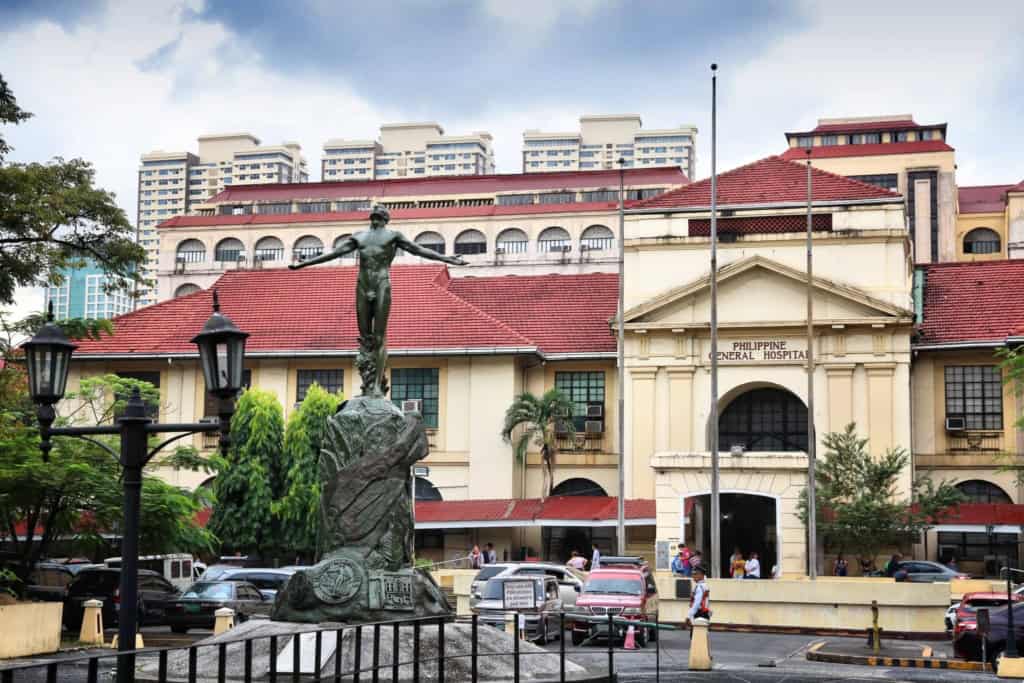
Public healthcare is available through PhilHealth, as part of the Philippines national healthcare system, which helps reduce medical costs but does not usually cover treatment in full. Retirees on certain visa types generally need to enroll in this system as part of residency conditions.
Health Coverage That Works for Your Retirement Abroad
Get matched with plans that provide access to private care, shorter wait times, and coverage that travels with you.
Is the Philippines Safe to Live In? Improving Safety Conditions
The Philippines is generally safe and becoming safer year on year. The country has climbed six positions to rank 105th on the 2025 Global Peace Index.
However, safety can differ across the country. Davao City and Dumaguete are ranked among Southeast Asia’s safest areas, while Manila ranks lower due to petty crimes. Foreigners should avoid central and western Mindanao due to localized security risks.
It’s best to use the Smart Traveler Enrollment Program (STEP) for security advisories.
Retiring Abroad
What Are the Downsides of Retiring in the Philippines?
As with most countries, there can be some challenges for foreigners retiring in the Philippines. As such, it’s important to consider these before you make the move.
Below are some of the difficulties foreign retirees may encounter.
Complex Bureaucracy
While there are Philippine retirement visas, obtaining them can be a long, drawn-out process that requires multiple in-person visits and extensive paperwork.
Applications for the SRRVs can take up to 45 days to process, and require potential retirees to navigate multiple agencies, including the Philippine Retirement Authority (PRA) and the Bureau of Immigration. Documents often also require an apostille from your home country.
Expats may face additional challenges when navigating utilities and setting up businesses. For example, you may need to visit the Business Permits and Licensing Office in person. Meanwhile, a driving license requires a physical medical clearance certificate from accredited clinics.
Uneven Healthcare Access
Although good healthcare is readily available in urban centers, availability is less certain in rural areas and on more remote islands. Access to healthcare facilities is a key consideration for those with medical needs.
For example, in Metro Manila, there are about 28 medical specialists per 100,000 residents, and most people can access a medical facility within 15 minutes.
In Central Visayas, which includes Cebu City and Dumaguete, this drops to 12 specialists per 100,000 residents, and medical care may require some travel.
Inconsistent Infrastructure
Outside of major areas, the Philippines sometimes experiences power outages, inconsistent water supply, and slower internet speeds.
Although urban hubs like Metro Manila and Cebu have strong broadband speeds often exceeding 90 Mbps, in rural areas, you may sometimes be limited to mobile data that fluctuates between 20 and 35 Mbps.
Power reliability can also vary: urban grids are more reliable, while remote areas experience “rotational brownouts” during peak summer demand.
Foreign Property Ownership Restrictions
Due to constitutional bans, foreigners can’t own land in the Philippines, so they are generally limited to what they can purchase there.
Many expats opt for condominiums. Expats are allowed to own 100% of a unit, provided that 60% of the building is owned by Filipinos.
Additionally, the recent passing of Republic Act 12252 allows foreign investors to secure a 99-year land lease. Expats buying land through a Filipino spouse should know that the land title can only have the spouse’s name.
However, if a spouse dies, the foreign surviving spouse can’t inherit the land but can sell it and claim the proceeds.
High Climate and Weather Risks
The Philippines is very vulnerable to climate change and ranks 7th on the 2026 Climate Risk Index.
The Philippines archipelago experiences around 20 typhoons each year. There were 27 storms in 2025 alone, many of them around Eastern Samar and Cagayan. Sea levels are also rising, by 8.4mm per year in Manila, more than double the global average.
Heat is also an issue, especially in the regions around Northern Luzon and Central Mindanao. In 2025, a record-breaking heatwave saw temperatures reach nearly 128°F.
Philippines Retirement Visas
Retiring in the Philippines is possible for foreigners through several long-term visa options issued by the Philippine Retirement Authority (PRA).
Types of Retirement Visas
There are several visa options available for foreigners who want to retire in the Philippines. These are designed to support extended stays for eligible retirees and investors.
Special Resident Retiree’s Visa (SRRV)
The main option for foreign retirees is the Special Resident Retiree’s Visa (SRRV). It allows eligible applicants to live in the Philippines long term, with benefits such as multiple-entry privileges and exemptions from certain exit requirements.
Applicants are generally required to be at least 50 years old and to make a qualifying deposit of around US$10,000, depending on the visa category and circumstances.
The SRRV has several subtypes:
- SRRV Classic: Requires a bank deposit of US$15,000 for applicants aged 50+, or US$25,000 for those aged 40–49. Some cases may also require proof of pension or monthly income.
- SRRV Courtesy (Foreign Nationals): Available to retired diplomats, former military personnel, and individuals with distinguished achievements in fields such as business, arts, sports, or philanthropy. Deposit requirements typically range from US$1,500 to US$6,000, depending on eligibility.
- SRRV Courtesy (Former Filipinos): Designed for former Filipino citizens who now hold foreign nationality. Deposit requirements generally start from US$1,500, depending on age and status.
Special Investor’s Resident Visa (SIRV)
The Special Investor’s Resident Visa (SIRV) is the closest equivalent to a “golden visa.” It is available to foreign nationals who invest at least US$75,000 in approved Philippine businesses or priority investment sectors.
The SIRV grants long-term residency in exchange for a qualifying investment and is sometimes used by retirees who prefer an investment-based route.
Retirement Visa Requirements
Common requirements for a Philippines retirement visa include meeting the minimum age threshold, demonstrating financial stability, and providing a clean criminal background check.
SRRV holders typically gain additional benefits, including long-term residency rights, exemptions on the importation of household goods, and tax exemptions on pensions and annuities.

Most visa holders are also required to enroll in the national health insurance program, PhilHealth. That said, many expats choose to supplement this with private health insurance in the Philippines for broader coverage and faster access to private care.
How to Retire in the Philippines
Retiring in the Philippines is an exciting option, but it requires extensive research and planning. Getting a retirement visa can be especially tricky, requiring numerous personal appearances and paperwork, and then you’ll need to figure out the logistics of living there.
This step-by-step guide will break things down and help you get started.
Get the Right Visa
The first step in your journey to retire in the Philippines is getting the right visa. Research your options and choose the visa that best suits your circumstances.
You’ll then need to gather all the appropriate paperwork, get your finances in order to make the deposit, and then make an application at a Philippine embassy or while on a tourist visa in Manila.
Open a Local Bank Account
Whichever Philippines retirement visa you choose, you’ll likely need to make a deposit in a PRA-accredited bank like the Development Bank of the Philippines (DBP) or Philippine National Bank (PNB).
To open an account, you’ll first need a letter of introduction from the PRA. After you make the deposit, the bank will notify the PRA. Once you are a resident in the country, you’ll be able to open a standard checking or savings account.
Get a Tax Identification Number (TIN)
Although most foreign retirees are exempt from taxes under their visa, it’s still useful to have a TIN. You might need one to buy a car or open certain types of investment accounts, for example.
To do this, you can apply through the Online Registration and Update System (ORUS) or visit a local Revenue District Office.
Find Somewhere to Live
When you first arrive in the Philippines, you might want to rent to test out a few places before committing to buying property abroad.
Research some towns and areas that might appeal, then find some short-term accommodations. Later, if you choose to buy, you can look for condominiums or a long-term land lease.
Register for Healthcare
Most holders of retirement visas in the Philippines must enroll in the local PhilHealth national insurance system to remain compliant with their visa.
You’ll need to complete the PhilHealth Member Registration Form at the nearest office. The annual premium for foreign retirees on a visa is about US$250.
Renew Your Residency and Stay Compliant
Most retirement visas, including the SRRV, allow indefinite stays. But holders must renew their PRA ID card every year. This can cost between US$50 and US$360, depending on the specific visa type.
You will also need a separate work or student permit if you plan to work or study while in the Philippines.
Planning Your Retirement Budget?
Compare international health insurance plans that help protect you from unexpected medical costs in the Philippines.
Housing in the Philippines
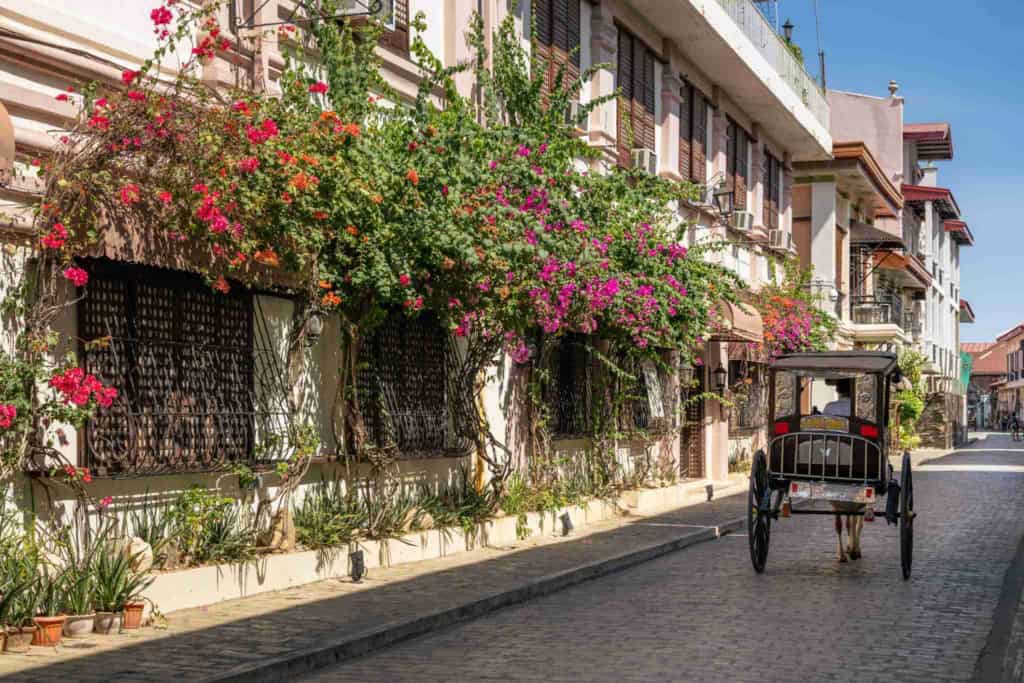
The Philippines has a range of accommodation options for foreign retirees, from high-end condominiums with all the amenities to local provincial options.
Most expats opt for condominiums. This is because foreigners are allowed to own 100% of a condo unit, provided the entire building is 60% Filipino-owned.
Foreigners can’t own land in the Philippines, but some opt to buy houses or villas in subdivisions, which allows them to hold long-term leases on the land. A range of budget-friendly townhouses and apartments is also available, especially in more rural areas or islands.
You can expect to pay between 10-12% Value Added Tax on properties priced above $62,000, along with 1-2% in annual property tax and monthly homeowners’ association dues.
The cost of renting or buying property in the Philippines can vary widely depending on the area you choose. According to Numbeo, a one-bedroom apartment in central Manila may cost around $560 per month to rent, or $415 per square meter to buy.
Similarly, renting a one-bedroom apartment in the center of Cebu averages about $530 per month (or $285 per square meter to buy), while a one-bedroom flat in the heart of Dumaguete rents, on average, for about $250 per month and costs between $295 per square meter to buy.
Philippines Living Costs
For foreigners choosing to retire in the Philippines, one of the main draws is the low cost of living compared to their home countries.
Financial considerations are a real concern for retirees, and many ask, “How much do you need to retire in the Philippines?” Below is a breakdown of daily costs to help you get an idea.
Daily Living Costs
In general, retiring in the Philippines is far more affordable than in places like the U.S., the U.K., Australia, and the EU. For example, living in Manila is 64.3% cheaper than living in New York City.
That said, costs do vary across the country. A single retiree could live in Manila for approximately US$597 per month or in Cebu for US$576 per month (both without rent).
To give you an idea of costs in the Philippines, below are some examples of daily expenses in Manila, Dumaguete, and Cebu, sourced from Numbeo:
| Expense | Manila | Dumaguete | Cebu |
| Casual restaurant meal | $5.88 | $4 | $4.20 |
| Three-course meal for two | $27.45 | $17 | $25 |
| Domestic beer (1 pint) | $1.59 | $1 | $1.51 |
| Liter of milk | $1.94 | $1.72 | $2.19 |
| Monthly public transport ticket | $14 | $9 | $13 |
| Mobile phone plan | $15 | $42 | $21 |
| Gym membership | $43 | $25 | $32 |
Philippines Healthcare
Like in other countries, healthcare in the Philippines is a hybrid of the public and private systems. Most foreigners retiring in the Philippines must enroll in the public PhilHealth as part of their Philippines retirement visa requirements.
This requires registering with your local PhilHealth office and paying an annual premium. While it doesn’t cover cosmetic surgery or comprehensive dental and vision care, it does cover basic outpatient care and provides a small benefit for outpatient dental treatment.
Because of this, and because the Philippines generally doesn’t have reciprocal healthcare arrangements with other countries, most expat retirees opt to carry private health insurance in the Philippines.
This ensures quicker access to medical care, more modern facilities, and Western-trained, English-speaking doctors. This gives retirees greater peace of mind throughout their stay.
When choosing private coverage for retirement, it’s also important to consider age limits, pre-existing conditions, and whether a plan can be renewed long-term. Our guide to health insurance for retirees abroad explains these factors in more detail.
Explore Private Health Insurance Options
While public healthcare may be available, many retirees choose private coverage for faster access and broader benefits.
✔ Personalized quotes • ✔ Expert guidance • ✔ No obligation
Tax and Inheritance Laws
Proper financial planning is an important part of retiring in the Philippines. In general, foreigners are considered tax residents if they spend more than 180 days in the country within a calendar year. However, there are two key exceptions.
First, the Philippines taxes only income earned within the country, meaning foreign-sourced income is generally not subject to Philippine income tax. Second, and most relevant for retirees, those on a Philippine retirement visa (such as the SRRV) are typically exempt from tax on pensions and annuities.
In addition, the Philippines has double taxation treaties with more than 40 countries, including the United States, the United Kingdom, Canada, China, Japan, Singapore, and Germany, helping prevent income from being taxed twice.
However, if you work or operate a business in the Philippines, standard local income tax rates apply, which can reach up to 35% for higher income brackets.
Inheritance laws can also be complex for foreign retirees. In general, inheritance is governed by the deceased’s nationality, meaning the estate is typically distributed according to the laws of their home country rather than Philippine law.
Real estate inheritance is more restrictive. Condominium units may be passed to heirs through a will, but land ownership cannot be directly inherited by foreign nationals.
If land is involved, it may be inherited under Philippine succession rules, but it must ultimately be sold, with proceeds distributed to the heirs.
Retirement Is More Fun in the Philippines!
Retiring in the Philippines can be an attractive option for many expats. If you meet the visa requirements, you can enjoy affordable living, warm tropical weather, and welcoming communities.
However, moving abroad requires careful planning across visas, taxes, healthcare, and other practical considerations. Comprehensive health insurance is also important to ensure access to quality care and financial peace of mind.
Ready to Start Your Next Chapter in the Philippines?
Get personalized international health insurance quotes and retire abroad with confidence.
Frequently Asked Questions
-
The Philippines is generally safe, particularly in expat-friendly areas such as Makati, Dumaguete, Baguio, Cebu, and Davao. However, safety varies by region. The country ranks 105th on the 2025 Global Peace Index, and some areas, such as central and western Mindanao, are best avoided due to localized security risks.
-
The Philippines is a popular retirement destination due to its low cost of living, warm climate, and welcoming communities. Many retirees can live comfortably on a modest budget while enjoying tropical surroundings and English-speaking environments. However, it’s important to consider infrastructure, healthcare access, and visa requirements before relocating.
-
Retiring in the Philippines offers several advantages, including affordability, with living costs significantly lower than in the U.S. and Western Europe. For example, Manila is about 64% cheaper than New York City, with monthly costs for a single retiree starting around US$600 (excluding rent). Other benefits include year-round tropical weather, widespread English proficiency, and access to good private healthcare in major cities.
-
While many expats enjoy retirement in the Philippines, there are challenges to consider. Bureaucracy for visas can be slow and paperwork-heavy, infrastructure can be inconsistent outside major cities, and healthcare access is limited in rural areas. The country is also highly exposed to typhoons and climate risks, which can affect certain regions seasonally.
-
Living costs in the Philippines are relatively low compared to many Western countries. A single retiree can typically live in Manila for around US$597 per month (excluding rent) or in Cebu for about US$576 per month. Including rent, a comfortable lifestyle may cost between US$1,000 and US$2,500 per month depending on location and lifestyle choices.
-
To retire in the Philippines, visa requirements typically depend on the Special Resident Retiree’s Visa (SRRV). Applicants usually need a bank deposit of around US$10,000–US$25,000 depending on age and visa category, along with proof of financial stability. Some visa types may also require a monthly pension or income requirement.
-
Yes. U.S. citizens can retire in the Philippines if they meet the requirements for a retirement visa, such as the SRRV. The visa allows long-term residency and access to benefits such as multiple entry privileges and reduced immigration requirements.