
The Best Places to Retire in the Philippines
Is the Philippines a Good Place to Retire?
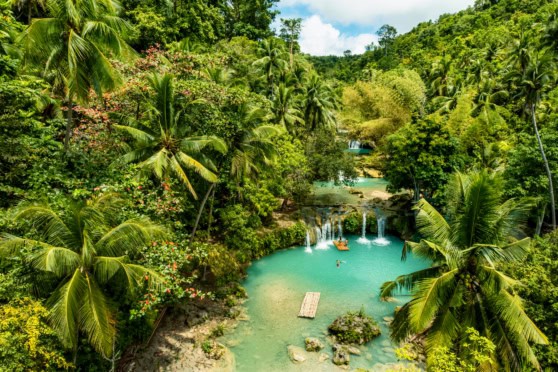
Many expats see the Philippines as one of the best retirement destinations in the world. It offers warm weather, low living costs, and a wide range of lifestyle options. These range from major cities to quiet towns and tropical islands.
Living costs in cities like Manila can be more than 60% lower than in major Western cities such as New York. This allows many retirees to live comfortably on a modest budget.

Safety is another key factor. The Philippines ranks 105th on the 2025 Global Peace Index. However, safety varies by location. Many expats report positive experiences in areas such as Makati, Davao, Dumaguete, and Baguio.
English is widely spoken. The Philippines ranks 28th out of 123 in the 2025 EF English Proficiency Index. This makes daily life easier for foreign residents when using healthcare, managing finances, and government services.
However, there are also challenges. Infrastructure is stronger in cities. Rural areas may have limited healthcare and utilities. The country is also exposed to typhoons and seasonal weather risks.
Overall, though, the Philippines offers a flexible and affordable retirement lifestyle. The main decision is where to live.

Find the Best International Medical Insurance
- Compare multiple quotes from top insurers
- Get expert advice at no additional cost
- Find the right plan for your needs and budget
The Best Places to Live in the Philippines
The best place to retire in the Philippines depends on your lifestyle and budget. Some retirees want easy access to healthcare and airports. Others prefer a slower life near the beach or mountains.
Below are popular retirement spots with estimated monthly costs.
Manila
Metro Manila is one of the best places to retire in the Philippines, thanks to its healthcare, infrastructure, and international travel. It offers many of the familiar comforts of Western countries, but at a much lower cost.
Many expats live in areas such as Makati and Bonifacio Global City (BGC). These neighborhoods have modern condominiums, shopping malls, parks, restaurants, and reliable internet. Many people speak English, which helps foreigners settle in.
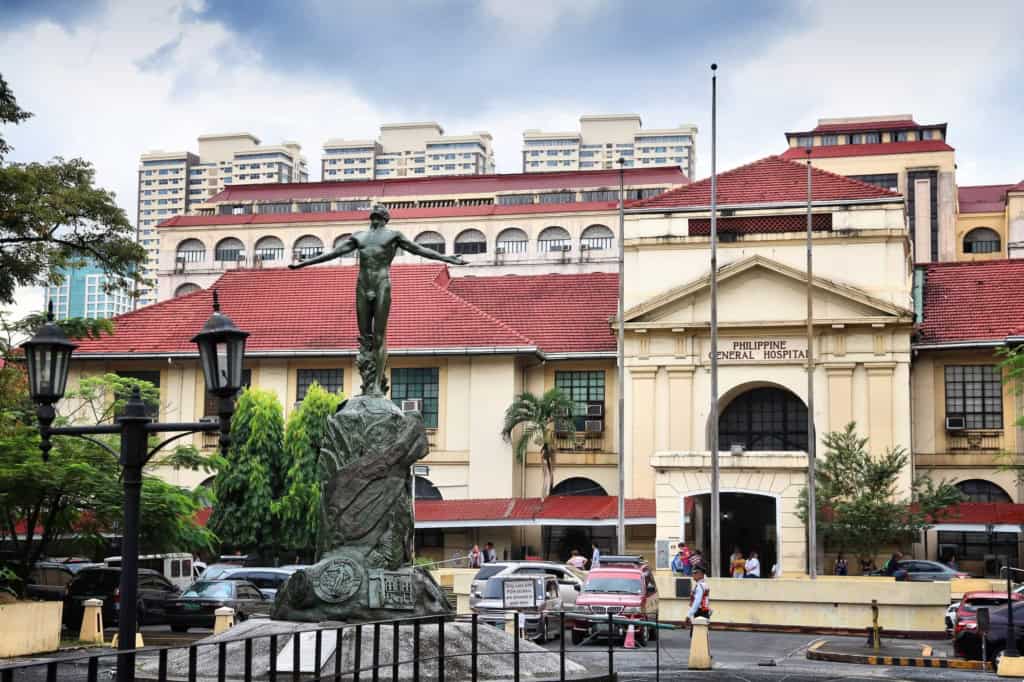
Manila has some of the best hospitals in the country. These include St. Luke’s Medical Center and The Medical City. Medical care is high-quality and more affordable than in the United States. The city is home to the country’s main international airport. Travel is easy, but traffic can be heavy.
Manila is one of the most expensive cities in the Philippines. But it’s still cheaper than many other cities around the world. A one-bedroom apartment in the city center costs about $567 per month. A single retiree should budget around $600 per month for extra living expenses.
Estimated total monthly cost: $1,100–$1,300
Dumaguete
Dumaguete is a small university town. It has a relaxed vibe, affordable living, and a strong expat community. It is often one of the easiest places in the Philippines for foreigners to settle.
Many retirees enjoy the city’s walkable layout, waterfront path, and friendly feel. Many locals speak English. The large international community makes newcomers feel at home.
Despite its smaller size, Dumaguete has good infrastructure. The local airport has regular flights to Manila and Cebu. Internet service is usually reliable. Healthcare is available at Silliman University Medical Center and various private clinics.
The city also provides easy access to nature. Retirees can spend time on nearby beaches and visit waterfalls. They can also escape to the cooler mountain town of Valencia.
Cost is one of Dumaguete’s biggest advantages. Living costs remain low, with one-bedroom apartments in the city center averaging around $250 per month.
Estimated total monthly cost: $900–$1,200

Retiring Abroad
Cebu City
Cebu City is the second-largest city in the Philippines. It’s a favorite place for retirees who want modern comforts but prefer less crowding than Manila.
The city offers a strong mix of urban convenience and island living. Many expats choose areas such as Cebu IT Park, Cebu Business Park, Banilad, and Lahug. Others prefer nearby Mactan Island, which offers a more resort-style lifestyle.
Cebu has excellent infrastructure by Philippine standards. It has an international airport, fast internet, and modern shopping malls. It also has well-regarded private hospitals, such as Chong Hua Hospital.
The city provides easy access to beaches, diving spots, and nearby islands. This makes it popular among retirees who enjoy outdoor activities and weekend travel.
Cebu might be pricier than some provincial cities, but it’s still cheaper than many places in the West. A one-bedroom apartment in the city center costs about $530 per month. Monthly living expenses average around $575 for a single retiree.
Estimated total monthly cost: $1,100–$1,400

Retiring Abroad
Baguio City
Baguio is a unique place to retire in the Philippines. It sits in the northern Luzon mountains. The area has a cooler climate and features pine-covered landscapes.
Many retirees choose Baguio to escape the tropical heat found in other parts of the country. The city is walkable and has a vibrant arts scene. It also features popular attractions such as Burnham Park and Session Road.
The expat community is smaller than in places like Cebu or Dumaguete, but it is diverse and welcoming. Many foreign residents live in quieter neighborhoods such as Trancoville and Leonila Hill.
Expats can access healthcare at Baguio General Hospital and Medical Center. There are also a variety of private hospitals in the area. Residents can enjoy good internet service, although occasional power outages can affect reliability. One drawback is accessibility. The nearest major airport is Clark International Airport. It’s about a two- to three-hour drive away.
Baguio is generally affordable. A one-bedroom apartment in the city center costs around $425 per month. Monthly living expenses average about $520 for a single retiree.
Estimated total monthly cost: $900–$1,200
Davao City
Davao City is one of the largest cities in the Philippines. Residents like it for its cleanliness, safety, and relaxed pace of life.
Many retirees choose Davao for its modern amenities. It offers a quieter feel, free of Manila’s crowds and traffic. The city has a growing expat community. This includes retirees, entrepreneurs, and digital nomads.
Popular residential areas are Buhangin, Ecoland, and Lanang. Here, locals enjoy modern condominiums, shopping malls, and restaurants. The city is near beaches, nature parks, and outdoor attractions. This includes Mount Apo and Samal Island.
Davao has solid infrastructure, reliable internet, and an international airport. It connects to major destinations. You can seek healthcare at Davao Doctors Hospital and Metro Davao Medical Center.
One thing to note is that Davao has strict local regulations. This includes a ban on smoking across the city and limits on late-night alcohol sales.
The city is affordable. A one-bedroom apartment in the city center costs about $288 per month. Monthly living expenses average around $565 for a single retiree.
Estimated total monthly cost: $850–$1,200
Subic Bay
Subic Bay is one of the best places to retire in the Philippines for low costs and a relaxed coastal lifestyle. It was once a U.S. naval base, but it is now a popular spot for retirees, especially American expats.
The area has an organized layout, gated communities, and a relaxed coastal lifestyle. Many retirees enjoy the familiar suburban vibe. It feels different from other areas in the Philippines. Popular areas include Binictican, Kalayaan Heights, and Barrio Barretto.
Residents have easy access to beaches, marinas, and golf courses. They can also enjoy outdoor activities like hiking and sailing. Subic also offers good healthcare facilities, modern shopping malls, and reliable services. Clark International Airport is within driving distance, which makes international travel convenient.
There is a large expat community. This makes it easy for newcomers to meet other foreign residents and build a social network.
One of the area’s biggest draws is affordability. A one-bedroom apartment in a central location costs around $130 per month. This makes it one of the least expensive retirement spots on this list.
Estimated total monthly cost: $700–$1,050
Tagaytay
Tagaytay is a popular mountain town located about two hours south of Manila. It offers a cool climate, scenic views, and a relaxed feel.
Many retirees appreciate the views of Taal Volcano and Taal Lake from the area. The cooler temperatures are great for anyone looking to escape the tropical heat.
The expat community includes retirees, business owners, and wellness-focused residents. Many people live in places like Tagaytay Highlands and Crosswinds. These areas have larger homes and resort-style amenities.
Despite its smaller size, Tagaytay has good infrastructure. Residents enjoy high-speed internet, modern shops, quality healthcare, and easy access to Manila. Weekend traffic often gets heavy because many tourists from Manila visit. Many residents still think the cooler weather and natural beauty outweigh this.
The cost of living is higher than in many provincial cities, with a one-bedroom apartment in a central location averaging $188. However, it’s still more reasonable than most Western countries.
Estimated total monthly cost: $900–$1,250
Panglao Island
Panglao Island is one of the best places to retire in the Philippines for retirees seeking a relaxed island lifestyle. Located in Bohol, Panglao features white-sand beaches, clear waters, and world-class diving. It offers a slower pace of life but still provides many services that foreign residents need.
The expat community is active and welcoming. Many retirees live near Alona Beach, Dauis, and other coastal areas. Cafes, restaurants, and beach resorts provide great opportunities to meet locals and socialize.
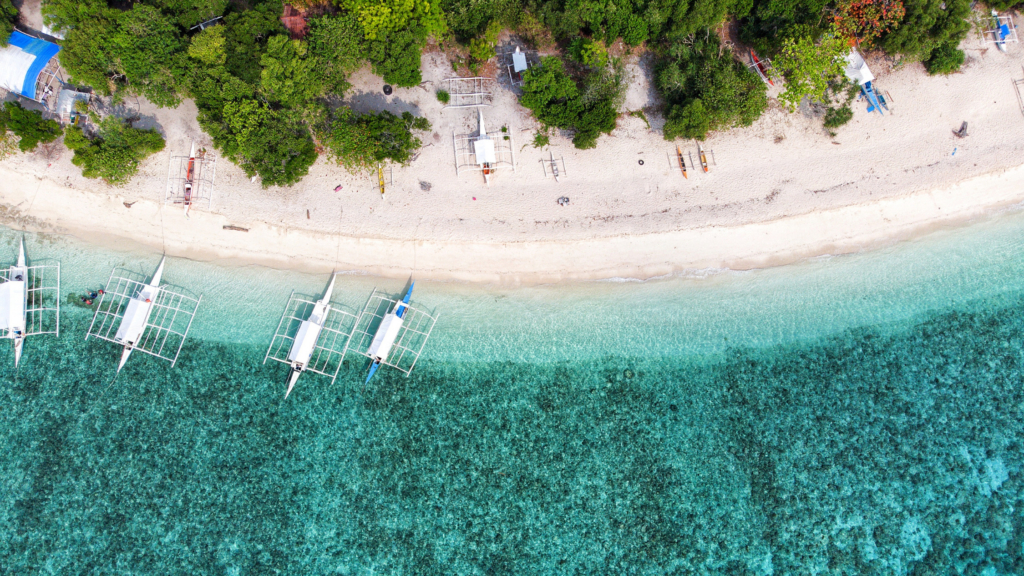
Infrastructure has made great strides in recent years. The island has high-speed internet, an international airport, and modern shops. It also provides access to healthcare at nearby hospitals and medical centers.
One challenge is that power and water interruptions can occur from time to time. Many long-term residents install backup systems to reduce disruptions.
Panglao is more affordable than many beach destinations around the world. A one-bedroom apartment in a central area costs around $300 each month. Everyday expenses are usually much lower than in Western countries.
Estimated total monthly cost: $1,000–$1,500
Iloilo City
Known as the “city of love,” this is one of the most livable cities in the Philippines. It focuses on green city planning and the protection of historic buildings.
Iloilo is also home to a small but welcoming expat community. They tend to live in the modern Mandurriao district or nearby areas. This includes Atira Park and Megaworld Iloilo Business Park.
Residents socialize at the Shops at Atria and Iloilo Esplanade. They also feature safe, scenic walking paths and bike lanes. Retirees appreciate the great healthcare at The Medical City Iloilo and Healthway QualiMed. They also enjoy easy access from Iloilo International Airport and reliable internet.
Iloilo isn’t the cheapest place to live in the Philippines, but it’s still affordable. It’s about 62% less expensive than Chicago. You can expect to pay about $275 for rent on a one-bedroom apartment in the city center. Monthly living costs are around $465.
Estimated total monthly cost: $800–$1,050
Puerto Princesa
Puerto Princesa is one of the best places to retire in the Philippines for nature lovers and eco-friendly retirees. It’s a clean and green city. It offers many beaches, national parks, and river systems.
New arrivals value the local expat community. This includes long-term retirees and business owners. They often gather at local coffee spots, such as Itoy’s Coffee Haus, and co-working spaces like Think Space. However, many live in areas like Bancao-Bancao and San Jose.
The region is also undergoing infrastructure upgrades to stabilize supplies. This includes a new water line and widening the road along the North National Highway.
There’s also an international airport with flights to local and international destinations. Retirees can access healthcare at Palawan Adventist Hospital and AACE Medical Center. However, for specialized care, they might need to fly to Manila.
Puerto Princesa is very affordable for expat retirees. A one-bedroom apartment in the center rents for about $295 per month. Rent here is about 88% cheaper than in Chicago, and eating out is about 70% cheaper.
Estimated total monthly cost: $800–$1,150
Bacolod
On Negros Island, Bacolod is famous for its sugar industry and vibrant festivals. There is also a friendly expat community, which makes it easy for new arrivals to integrate.
Many expats prefer upscale living in planned estates, such as Parkville by SMDC. They also like living in condos, such as Smile Residences. They can socialize in Mandalagan and its Art District or in modern malls. This includes Ayala Malls Capitol Central.
Bacolod also has a strong, improving infrastructure. Residents enjoy shorter travel times to the international airport. They also have easy access to Manila and Cebu, as well as to the Bacolod–Negros Occidental Economic Highway.
Locals can access healthcare at Riverside Medical Center and the Riverside Cancer Care Center. There is also reliable, high-speed broadband available.
For most expats, Bacolod remains very affordable. To rent a one-bedroom apartment in the town center would cost about $375 per month. This is almost 90% cheaper than rent in Chicago, while restaurants cost about 80% less.
Estimated total monthly cost: $850–$1,200
How to Choose Where to Retire in the Philippines
Choosing where to retire in the Philippines depends on your lifestyle preferences. Practical factors such as cost of living, healthcare, safety, and infrastructure are also important.
Some retirees prefer major cities like Manila and Cebu. Here, modern infrastructure, international airports, and top private hospitals make daily life easier. Others prefer quieter spots, where life is slower and closer to nature.
Affordability is one of the country’s biggest advantages, but costs vary by location. Cities such as Dumaguete, Bacolod, and Puerto Princesa are among the most affordable. Tagaytay and Cebu are more expensive but offer better access to healthcare, transport, and other amenities.
Healthcare is a key factor when choosing where to retire in the Philippines. Manila is perhaps the best option for medical care, thanks to its leading private hospitals and specialist services. However, healthcare quality and access vary across the country.
Some locations require more planning, especially for retirees with ongoing medical needs or those who want easy access to specialists. For this reason, many retirees choose health insurance in the Philippines. This lets them access top hospitals in the Philippines, receive faster treatment, and reach a wider range of specialists.
Overall, the best places to retire in the Philippines depend on your priorities, whether that’s cost of living, healthcare, safety, city convenience, mountain scenery, or island lifestyle.
The Best Places to Retire in the Philippines: At a Glance
The table below compares the retirement locations featured in this article. It also includes climate and the lifestyle each location is best suited for. All figures are shown in US dollars and reflect total monthly living costs for a single retiree.
| Location | Monthly Living Costs | Climate | Best For |
| Subic Bay | $700–$1,050 | Tropical | Low-cost coastal living, expat-friendly |
| Iloilo City | $800–$1,050 | Tropical | Livable, walkable/bikeable, heritage city |
| Puerto Princesa | $800–$1,150 | Tropical | Nature lovers, eco-living with beaches and parks |
| Bacolod | $850–$1,200 | Tropical | Festivals, friendly community, very affordable |
| Davao City | $850–$1,200 | Tropical | Safety, cleanliness, relaxed big-city lifestyle |
| Dumaguete | $900–$1,200 | Tropical | Easiest first move, walkable, strong expat community |
| Tagaytay | $900–$1,250 | Cool / highland | Cool climate near Manila, resort-style living |
| Panglao Island | $1,000–$1,500 | Tropical / beach | Beach life, diving, slower island pace |
| Cebu City | $1,100–$1,400 | Tropical | Urban comfort and island access, less crowded than Manila |
| Manila | $1,100–$1,300 | Tropical | City living, top hospitals, international airport |
*Monthly living cost includes rent and assumes a single retiree. Figures are indicative and vary with lifestyle and exchange rates.
Frequently Asked Questions
-
Most expat retirees live comfortably on roughly $800–$1,500 per month, including rent. Costs depend heavily on location: provincial cities such as Dumaguete, Subic Bay, and Puerto Princesa can run well under $1,000 a month, while Manila, Cebu, and Tagaytay sit at the higher end. Overall, living costs in the Philippines can be more than 60% lower than in major Western cities.
-
The Special Resident Retiree’s Visa, or SRRV, allows eligible foreign nationals to live in the Philippines indefinitely and enter the country multiple times.
Applicants must generally be at least 40 years old. Under the SRRV Classic program, required visa deposits range from US$15,000 to US$50,000, depending on the applicant’s age and pension status. Pensioners must also provide proof of a qualifying lifetime monthly pension. Requirements can change, so applicants should confirm the current rules with the Philippine Retirement Authority.
-
The cheapest place to retire in the Philippines is Subic Bay, where total monthly living costs typically range from $700 to $1,050. Other affordable options include Iloilo City ($800–$1,050), Puerto Princesa ($800–$1,150), and Davao City ($850–$1,200). Overall, most retirees can live comfortably in these areas on about $700 to $1,200 per month, depending on lifestyle and housing.
-
Safety varies by region. The Philippines ranks 105th on the 2025 Global Peace Index, but many expats report feeling safe in popular destinations such as Makati, Davao, Dumaguete, and Baguio. Davao, in particular, is known for its cleanliness and strict local regulations. As anywhere, choosing a well-regarded neighborhood and taking normal precautions matters most.
-
Major cities offer excellent private hospitals at costs well below Western prices, for example, St. Luke’s Medical Center and The Medical City in Manila, and Chong Hua Hospital in Cebu. Specialist care can be harder to find in rural areas, so many retirees in remote areas plan to travel to a larger city when needed and carry international health insurance to ensure faster access to top hospitals.
-
Yes. English is widely spoken, and the Philippines ranks 28th out of 123 countries in the 2025 EF English Proficiency Index. This makes daily tasks, such as healthcare, banking, and dealing with government offices, far easier for foreign residents than in many other retirement destinations.
-
Dumaguete and Subic Bay are popular with American retirees because they offer established expat communities, widespread English use, and relatively affordable living. Manila or Cebu may be better for retirees who prioritize private hospitals, specialist care, and international flights.
Find the Best International Medical Insurance
- Compare multiple quotes from top insurers
- Get expert advice at no additional cost
- Find the right plan for your needs and budget