
The Safest Cities to Live in Panama
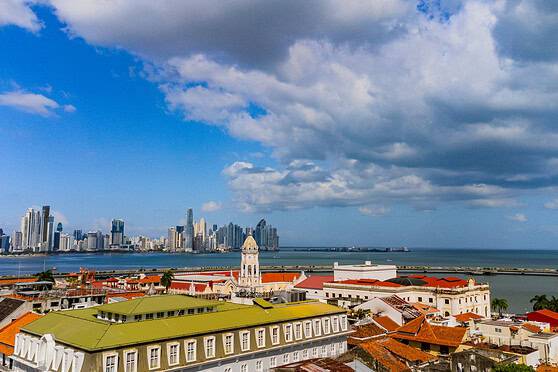
Discover Panama’s Top Destinations for Safe and Affordable Living
Panama’s affordable living, stunning natural beauty, and balmy climate have made it a popular choice for expats from all walks of life, including foreign retirees, digital nomads, and young professionals seeking a balanced lifestyle.
However, those considering relocating to this tropical paradise may wonder, “Is Panama safe?” Like any country, some regions and cities of Panama are safer than others in terms of crime, natural disasters, community safety, and access to healthcare.
That said, there are still plenty of safe cities that offer affordable living and modern amenities. So, if you’re thinking about moving to this culturally rich nation that bridges Central and South America, here are the safest cities in Panama to call home.

Planning Your Move to Panama?
Get free international health insurance quotes and compare plans designed for expats living in Panama.
Is Panama Safe?
Panama ranks 96th out of 163 countries in the 2024 Global Peace Index (GPI), which evaluates a nation’s safety and peacefulness based on factors such as crime rates, political instability, and internal or external conflict.
While certain areas face challenges, the question many expats ask is: “Is Panama safe?” Generally, Panama remains one of the safer destinations in Central America for expats and travelers.
The country is generally more stable than many of its regional neighbors, particularly in urban and well-developed areas. That said, newcomers should carefully research different regions before deciding where to settle.
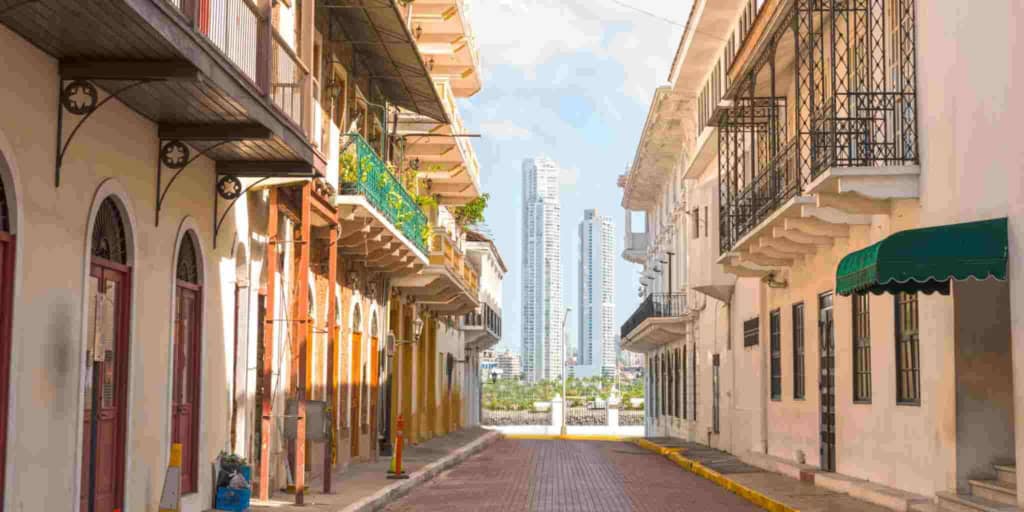
Most violent crimes are concentrated in specific neighborhoods of Panama City and Colón. These areas tend to have higher rates of gang activity, theft, and violent crimes such as robberies and assaults.
However, much of the country is relatively safe, especially in tourist and expat-friendly areas, like Casco Viejo and Obarrio in Panama City and Isla Colón in Bocas del Toro.
Panama is also less prone to natural disasters than other Central American countries, such as Guatemala and Honduras. It lies outside the Pacific Ring of Fire, making it less vulnerable to earthquakes and volcanic eruptions.
That said, the country can occasionally experience hurricanes or tropical storms, particularly during the rainy season.
How We Identified The Safest Cities in Panama
To determine the safest cities in Panama for expats, we began by identifying the most popular areas with established expat communities. From there, we reviewed multiple sources to assess safety and quality of life.
Our research included data from the Overseas Security Advisory Council and the U.S. Department of State, as well as crime statistics and safety insights from Numbeo.
We also took into account factors such as cost of living, infrastructure, and access to amenities in each location.
The Safest Places to Live in Panama
Panama offers diverse, safe, and inviting destinations for travelers and expats seeking adventure, retirement, or a new lifestyle.
From Caribbean islands to mountain towns and Pacific coast communities, the cities below showcase the country’s remarkable blend of security, natural beauty, affordability, and cultural richness.
Bocas del Toro
Although no place is entirely without risk, Bocas del Toro boasts a remarkably low crime rate compared to other parts of Central America. The appeal of this Caribbean town – the capital of Panama’s Bocas del Toro archipelago – lies in its extraordinary natural beauty and diverse ecosystem.
Snorkeling and diving enthusiasts are drawn to its pristine coral reefs, while others seek the thrills of dolphin-watching, island-hopping, and beach exploration. These activities draw plenty of younger expats.
The town’s primary modes of transportation – water taxis and bicycles – add to its unique charm and offer an immersive experience that feels worlds away from traditional urban life.
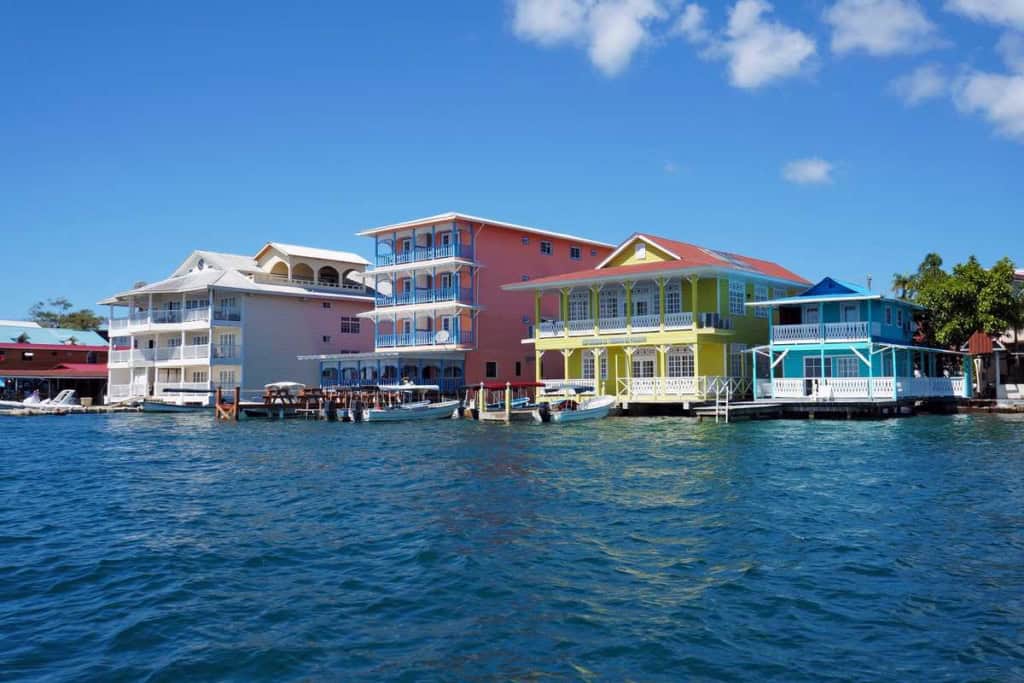
From digital nomads and expats to adventurous retirees, Bocas del Toro presents a complex landscape of both opportunity and challenge.
The job market is primarily centered on tourism and hospitality, with limited but growing opportunities for those willing to adapt.
While Wi-Fi and internet connectivity are improving, they can be unreliable. Remote workers will need to be patient and flexible.
Basic amenities are available, but expats should prepare for occasional power outages, limited healthcare facilities, and a relaxed but less structured lifestyle.
The cost of living is also moderate. For instance, a one-bedroom apartment in the city costs around $930, and a three-course meal for two is about $60.
Surrounded by crystal-clear waters and dense rainforests, Bocas del Toro offers an unparalleled environment for water sports, wildlife observation, and environmental exploration.
Guide
Puerto Armuelles
Tucked away in the Chiriquí Province of western Panama, near the Costa Rican border, Puerto Armuelles presents a fascinating blend of historical charm and emerging potential.
Once a thriving banana plantation town dominated by the Chiquita Banana Company, this coastal community is now experiencing a quiet renaissance that intrigues expats and travelers seeking an authentic, off-the-beaten-path experience.
The town’s landscape is a unique mix of banana plantations and the Pacific coastline. Despite its modest size and limited amenities, Puerto Armuelles offers an incredibly affordable coastal lifestyle that attracts those looking to escape Panama’s more touristy destinations. It’s home to beautiful, uncrowded beaches that are ideal for surfing, fishing, and relaxation.
Puerto Armuelles’ low cost of living and tranquil atmosphere appeal to budget-conscious digital nomads, retirees, and adventurers ready to embrace a less-developed environment. A one-bedroom apartment in the city costs less than $330, and the average monthly electricity bill is $80.
Local infrastructure is basic but functional. Taxis and buses provide transportation, and Wi-Fi is slowly improving as the town modernizes. Although the risk of natural disasters is low, the city has experienced minor earthquakes.
Primary employment opportunities include tourism-related jobs, English teaching, small-scale agriculture, and occasional roles in local businesses.
For those with a pioneering spirit, Puerto Armuelles offers a unique chance to experience an authentic slice of Panamanian coastal living.
Coronado
Coronado is the epitome of sophisticated coastal living in Panama. Only an hour from Panama City, it offers proximity to urban conveniences while maintaining a serene, resort-like atmosphere.
Coronado is undoubtedly one of the safest cities in Panama. Strong security measures and infrastructure keep crime rates low, while gated communities and private security systems provide extra protection.
While located on the Pacific coast, Coronado experiences minimal risk from major environmental threats. The rainy season can bring occasional heavy rains and flooding, but the town’s drainage systems are fit to handle these conditions.
The job market, while limited, has opportunities in real estate, hospitality, and tourism. Wi-Fi and internet connectivity are reliable, especially in residential and commercial areas, which is great for remote workers.
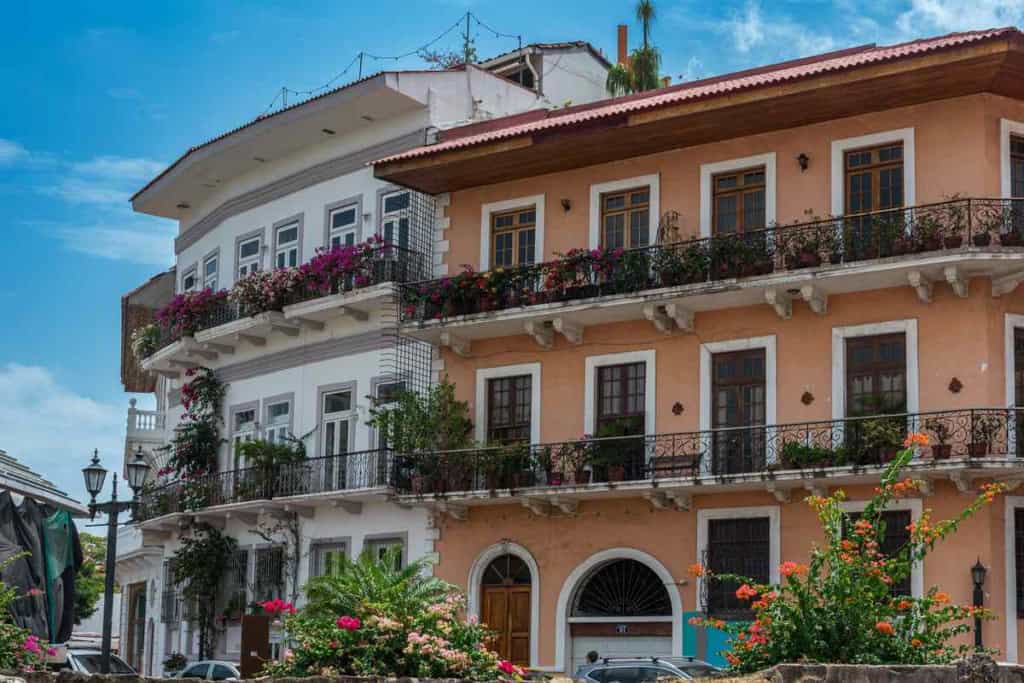
Although Coronado’s cost of living is higher than that of other Panamanian cities, it remains reasonable compared to global standards, given the quality of life and amenities available. For instance, a one-bedroom apartment in the area costs around $850, and a three-course meal for two averages just over $50.
Coronado can get crowded during peak tourist seasons, which may deter some expats. However, this is also why gated communities have become popular for foreign retirees.
The town’s golf courses, equestrian centers, and recreational facilities offer ample entertainment and social opportunities. Plus, its proximity to Panama City ensures that residents are never far from world-class healthcare and international airports.
Pedasí
Located on the southeastern tip of Azuero Peninsula in Los Santos Province, Pedasí is one of the safest cities in Panama and cherished for its stunning beaches, world-class surfing, and seasonal whale watching.
The crime rate here is exceptionally low, offering a sense of security that is increasingly rare today. Local law enforcement is always available, and the tight-knit community creates a natural surveillance system that deters potential criminal activities.
The peninsula’s location helps reduce the risk of hurricanes, and major natural disasters are rare. That said, some areas may experience minor flooding during the rainy season.
Job opportunities are limited, with the town’s economy mainly focused on tourism, real estate, and small-scale businesses. It’s a popular choice for those working remotely or looking for a semi-retirement paradise.
Pedasí’s drawbacks include limited healthcare and public transportation, as well as its distance from major cities. In the event of a serious medical emergency, patients must travel to Chitré or Panama City for care.
Wi-Fi is available in most accommodations and cafés, with speeds of around 10-30 Mbps. Co-working spaces are limited but can be found in these same internet cafés.
Once a quiet fishing village, Pedasí has become a popular destination for those seeking a relaxing, authentic coastal experience.
Planning a New Life in Panama?
Explore international health insurance plans that help expats access quality healthcare in Panama.
El Valle de Antón
Nestled in the crater of an extinct volcano, El Valle de Antón is a geographical marvel and one of Panama’s most enchanting highland destinations. In this small, tight-knit mountain community, crime is rare, and violent crime is almost unheard of.
While El Valle de Antón’s unique location offers some protection from natural disasters, minor seismic activity still occurs there. The biggest concern during the rainy season is the risk of landslides.
The cost of living is moderate for the lifestyle it offers. Essential monthly utilities average around $140, while a meal at a fast-food restaurant costs less than $10.
Job opportunities in El Valle de Antón are limited to tourism, agriculture, and small-scale entrepreneurship. Its appeal, however, is more about lifestyle than traditional job opportunities, with most expats being digital nomads or retirees.
Hot springs, hiking trails, charming local markets, and a distinctive microclimate make El Valle de Antón an authentic alternative to typical tourist destinations.
Boquete
Located in western Panama – just 40 miles from the border of Costa Rica – the small town of Boquete has become one of Panama’s most sought-after destinations. Its natural beauty and spring-like climate attract a vibrant international community.
Coffee plantations, flower farms, and lush landscapes provide a picturesque backdrop for nature lovers and adventure-seekers looking for a non-traditional life abroad.
The town boasts a low crime rate and a small-town feel that naturally discourages criminal activity. Its high elevation also makes it less vulnerable to hurricanes and flooding, though occasional landslides can occur during the rainy season.
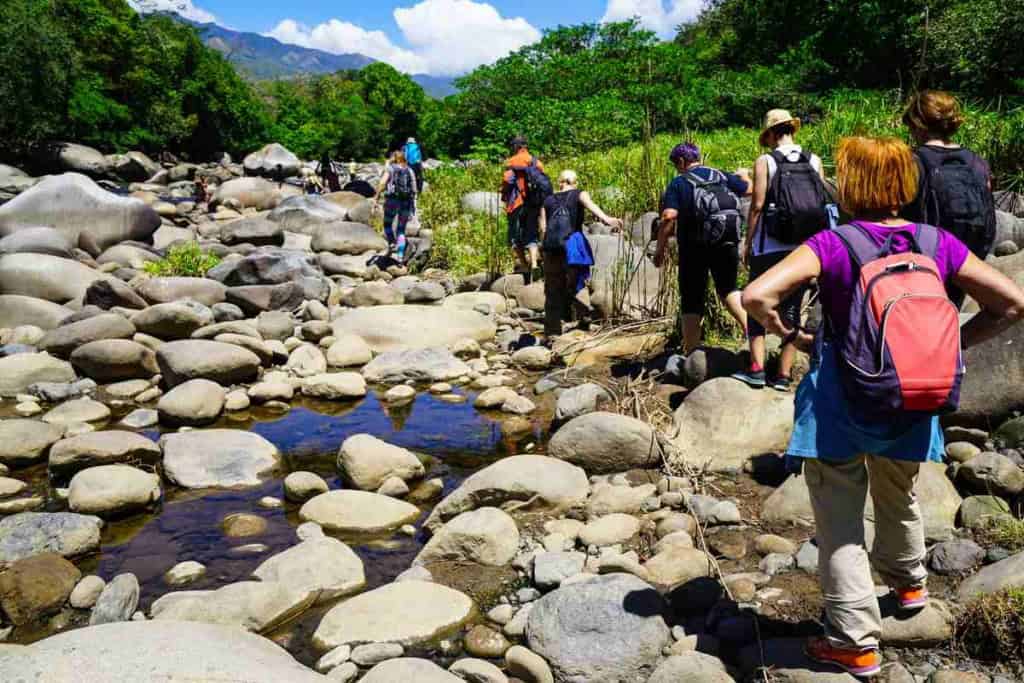
Wi-Fi and internet connectivity have improved in recent years, with digital nomads and remote workers typically enjoying speeds of 30-50 Mbps. Tourism-related jobs and English-teaching opportunities are also available.
Boquete offers good medical clinics, but for more serious needs, residents can travel to nearby David for hospital care.
While the cost of living is low, it’s slightly higher than in other cities on our list. For instance, a one-bedroom apartment in Boquete typically rents for around $800 per month.
Boquete attracts international residents seeking an exceptional quality of life at a fraction of the cost.
Chitre
Located in the heart of Herrera Province on Panama’s culturally rich Azuero Peninsula, this modest city offers a glimpse into traditional Panamanian life. It’s a far cry from the tourist-heavy destinations along the coastline.
Residents often describe Chitré as a place where everyone knows their neighbors. It’s a town with a strong sense of safety and community, where violent crime is rare, and petty crime is minimal.
Chitré offers a remarkably stable environment with minimal risk of natural disasters compared to coastal or more tectonically active regions.
The job market challenges are offset by an affordable cost of living, making it an attractive option for remote workers and those with modest income needs.
Internet connectivity, while improving, remains modest at best, with speeds averaging 10-30 Mbps. While local cafés are becoming more welcoming to digital workers, dedicated coworking spaces remain rare.
Local buses and taxis provide adequate public transportation, and the town’s hospitals and medical clinics are decent. However, English is not widely spoken, so expats will need to learn Spanish to communicate effectively.
Chitré’s expat community is small but growing. The city’s rich cultural heritage, traditional festivals, local crafts, and agricultural experiences attract retirees and adventure-seekers alike.
Volcán
Located in the highlands of Panama’s Chiriquí Province, the quaint mountain town of Volcán is defined by rich agriculture and natural beauty.
Its attractions include the Volcán Barú National Park, La Amistad International Park, flower farms, and scenic hiking trails.
Volcán boasts a low crime rate and a tight-knit community atmosphere, with both violent and petty crime being rare. The town’s highland location offers protection from coastal risks, making natural disasters uncommon. However, there is a mild risk of landslides during the rainy season.
Job opportunities in Volcán are limited but diverse. They focus primarily on agriculture, tourism, and education. Teaching English is also a popular option for expats.
While the town’s Wi-Fi and internet connectivity are not as robust as in urban centers, they are steadily improving, and cafés and local accommodations are increasingly catering to digital nomads, creating small but growing coworking-friendly spaces.
The cost of living remains remarkably low, allowing for a lifestyle deeply connected to Panamanian culture and natural beauty.
Volcán’s proximity to other attractive destinations, such as Boquete and David, ensures that residents are never far from more amenities, job opportunities, and medical care.
Retirees, nature lovers, and expats seeking an escape from the tourist crowds will find Volcán particularly appealing.
Guide
Safety Tips for Living in Panama
While choosing a safe place to live in Panama is essential, there are several practical safety tips you can follow to ensure your well-being.
These tips will help you avoid potential crime and other dangers, making your life in Panama both enjoyable and secure.
Do:
- Consider Living in a Secure Gated Community: Residential burglary is relatively common in Panama, but gated communities tend to have fewer break-ins. Many expats and locals opt for these communities for added security.
- Secure Your Home: If living in a gated community isn’t your choice, take steps to protect your home, such as installing window grilles, alarms, and outdoor lighting.
- Get a Dog: Many people in Panama rely on their dogs to help deter burglars. Dogs can add an extra layer of protection and provide peace of mind.
- Learn Spanish: Although Panama is safe for non-Spanish speakers, speaking the language will make your daily life easier and help you connect with neighbors. It will also help you navigate emergencies more effectively and seek help when necessary.
- Stay Prepared for Natural Disasters: Depending on where you live, Panama can experience hurricanes, earthquakes, and tsunamis. Keep an emergency kit, stay informed on weather conditions, and know your evacuation routes.
Don’t:
- Avoid Distractions in Crowded Areas: Criminals often target foreigners who appear distracted in busy places like markets or crowded streets. Stay alert and aware of your surroundings to avoid becoming a victim of petty crime.
- Use Registered Taxis or Ride-Sharing Services: For added safety, never take unregistered taxis or share a ride with unknown passengers. Stick to registered taxis or use ride-sharing services available in Panama.
- Withdraw Small Amounts of Cash: Avoid withdrawing large sums at once. A thief may spot your ATM transaction and target you. Limit your withdrawals to reduce the risk of theft.
- Keep Valuables Out of Sight in Your Car: Never leave valuable items visible inside your car or truck. Property theft from vehicles is common in urban areas, and thieves may target easily accessible possessions.
- Avoid the Colombian Border and Mosquito Gulf: These areas are known for criminal activity. It’s best to avoid traveling to the Colombian border and the Mosquito Gulf to stay safe.
- Stay away from Ongoing Demonstrations: Protests can quickly escalate, and police may use tear gas or block roads. It’s safer to avoid these situations and steer clear of demonstrations whenever possible.
- Be Cautious When Driving: Panama’s roads sometimes lack adequate lighting, and driving conditions can be risky. If possible, avoid driving, especially at night, to reduce your chances of encountering dangerous situations.
Healthcare in Panama for Expats
Healthcare is another important factor to consider when moving to Panama. Panama’s healthcare system is well established, particularly in major cities like Panama City and David, where high-quality medical care is widely available.
However, healthcare options can be more limited in rural areas, so it’s important to plan ahead and know where to seek care if needed.
Having private health insurance in Panama is essential to protect yourself from unexpected medical expenses. This coverage ensures you’re protected for both routine and emergency medical needs, so you can focus on enjoying your new life in Panama without worrying about potential healthcare costs.
Ready to Build a Safe Life in Panama?
Whether you’re an expat, retiree, or digital nomad, Panama offers an appealing lifestyle with affordable living, stunning landscapes, and a warm climate. However, as with any new destination, safety should be a top priority when settling in.
Before you leave home, it’s wise to check travel advisories from your local government to stay informed about any potential safety concerns in Panama.
While Panama is generally regarded as one of the safest countries in Latin America, some areas – particularly parts of Panama City and Colón – have higher crime rates. These include neighborhoods like El Chorrillo, Curundu, Santa Ana, and San Miguelito, as well as regions around the Colombian border.
For example, Casco Viejo in Panama City is much safer than it was decades ago, but pickpocketing and muggings can still occur. Areas near the Darien Province and along the Panama Canal are generally higher-risk zones.
So, is Panama safe? The answer depends largely on where you choose to live and how well you prepare. To stay informed and prepared, connect with local residents and other expats to gather valuable tips.
For instance, many have learned to use only bank ATMs to avoid the risk of being mugged while withdrawing cash.
Beyond staying informed, it’s essential to remain aware of your surroundings, research neighborhoods thoroughly before committing to a move, and follow basic safety practices, such as securing your home, avoiding walking alone at night, and using trusted transportation options.
By taking these precautions, you can enjoy a safe and seamless experience as you settle into life in Panama.
Move to Panama with Confidence
Get free international health insurance quotes and compare plans designed for expats living in Panama.
Frequently Asked Questions
-
While Panama is generally considered a safe destination for expats, some areas may pose greater safety concerns due to crime or other factors.
Here are the areas that expats should avoid for safety reasons:
- Darien Province: Avoid areas near the Colombian border, especially beyond Yaviza, due to high violent crime.
- Mosquito Gulf: Known for organized crime, it’s best to avoid this region.
- Colón Province: Colón City and the surrounding area have a high crime rate, including drug activity. In 2024, Colón Province recorded 112 homicides, making it one of the most violent regions in Panama. The entire province is best avoided.
- Panama City (Certain Areas): Neighborhoods like El Chorrillo, San Miguelito, and Curundú are known for higher crime rates and may not be ideal for expats.
-
The most common type of crime in Panama is theft, including petty theft such as pickpocketing and non-violent burglaries.
These crimes often occur in busy public areas, especially in cities and tourist hotspots. While inconvenient and frustrating – such as losing a wallet, phone, or laptop – these incidents typically do not involve physical harm.
Violent crimes, such as homicides, are far less common and are usually concentrated in specific high-risk areas. These include certain neighborhoods of Panama City (like El Chorrillo and San Miguelito), the city of Colón, the Mosquito Gulf, and the Darién Province near the Colombian border.
These regions tend to experience higher levels of gang activity and organized crime and are generally not recommended for expats or tourists.
-
Many retirees consider Panama a safe and welcoming place to enjoy their golden years. The country offers a lower cost of living, a pleasant climate, and a variety of expat-friendly communities.
Panama also has a special visa for retirees, the “Pensionado Visa,” which provides discounts on everything from airline tickets to utility bills.
U.S. retirees especially appreciate the financial convenience of Panama, using the U.S. dollar. Not only can they pay for everyday purchases in dollars, but they also avoid exchange rate hassles when budgeting their savings or Social Security income.
Notably, while Panama does issue its own currency, the Panamanian balboa, it’s only available in coins and is equal in value to the U.S. dollar.
-
Walking in Panama is generally safe, but safety depends on factors like the time of day and your location.
As in most other countries, it’s safer to walk during the day than at night, and some areas, like gated communities in Coronado, are safer than others, such as parts of Panama City.
Expat-friendly areas tend to be safer, though pickpockets and thieves may still be active there.
To stay safe, always pay attention to your surroundings, especially if walking alone. Before heading out, ask locals or fellow expats about areas to avoid, and steer clear of them. If walking at night, stay alert, walk with others if possible, and stick to well-lit streets. If a street isn’t well-lit, try to find a safer route.