International Health Insurance
Gain valuable insights and practical tips for navigating international health insurance while living abroad. From coverage details to expert advice, this comprehensive guide helps travelers…

International medical cover for expats and their families.
Medical and trip cancellation coverage for international travel.
Life insurance for globally mobile individuals living or working abroad.
Comprehensive international medical coverage for groups.
Medical, accident, and liability protection for global travel.
Financial protection for employees worldwide.
Most Popular Country Guides
Healthcare, insurance, and living insights to plan life and travel in each destination.
Healthcare, safety, and practical guidance for living abroad.
Tips and guidance for safer, smarter international travel.
Resources for global mobility, HR, and international teams.
Find the best travel insurance for Greece for medical emergencies, trip cancellations, and lost luggage, plus top safety tips for your trip.
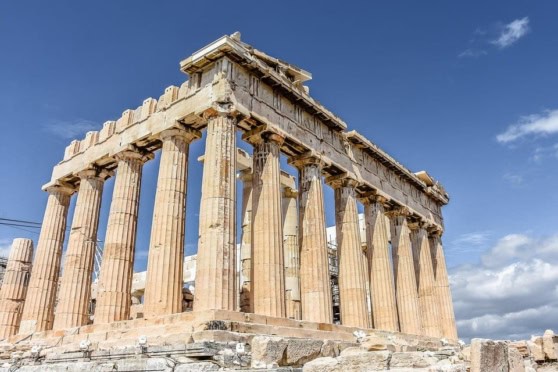
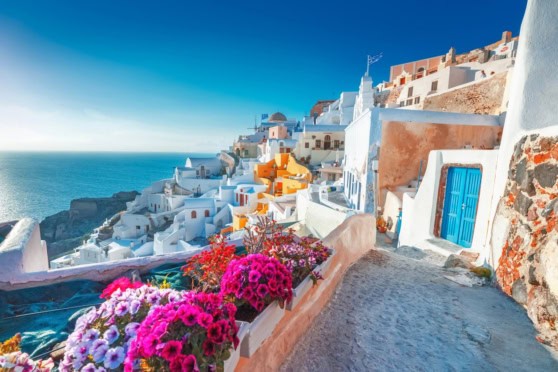
Greece has an uncanny ability to make travelers fall in love with its food, history, and its cities. From the relaxed wine bars and priceless monuments of Athens to the stunning architecture and breathtaking sea views of the Greek islands, and to the spectacular mountain monasteries of Meteora, Greece is a country that captures the hearts of every kind of traveler. And it doesn’t hurt that Greece is tremendously affordable compared to its European neighbors.
However, every country has important travel, safety, and insurance information that visitors need to be aware of. Greece is no exception. Here is important advice for Greece-bound travelers to ensure a happy and healthy trip.

Before arriving in Greece, we have provided a comprehensive guide on all aspects you should know and consider, including health insurance, safety guidelines, and travel medical insurance for both short-term and long-term stays in Greece. Purchasing travel insurance for Greece to cover your stay will alleviate unnecessary healthcare hassles.
Greece is typically a safe destination for travelers, students, expats, and retirees. However, below, we’ve outlined what you should be aware of before planning which Gyro restaurant to visit first.



Greece is widely regarded as a safe destination for travelers. It offers a generally low crime rate, a friendly population, and a welcoming environment.
While petty crimes like pickpocketing can occur in busy tourist areas, violent crimes against visitors are rare.
Generally, rumors of traffic chaos in Greece are often exaggerated. Traffic is no worse in Athens than in any other large European capital city.
That said, travelers should still exercise caution. In Greece, the “zebra crossing” for pedestrians isn’t always respected. Make sure you triple-check for oncoming traffic and move quickly when you decide to cross!
Public transportation is excellent in Greek cities, and it’s free of traffic-related stress! To avoid a potential 60-euro fine, remember to validate your metro tickets after purchasing them. Keep your validated ticket close in case of a mid-trip inspection. Befuddled travelers are not exempt from fines!
Over the past five-plus years, there have been significant changes and challenges to the Greek government and economy.
The Greek people have made sure their voices have been heard through strong protests. For the most part, these protests are vigorous but peaceful. Unfortunately, some have escalated into riots. Travelers are strongly advised to avoid all political demonstrations and protests.
Thankfully, Greek citizens are very mindful of hospitality. If there’s an area of concern, you will likely hear about it from your hotel manager, tour guide, or bus driver. Greek citizens do not want foreign visitors harmed by protests.
Protests or no protests, travelers should always use basic common sense. Pickpockets are busy in the most popular tourist attractions, just like anywhere in the world. Keep your wits about you and keep your bags firmly shut, placed in front of your body, at crowded attractions.
Although it’s unlikely to impact your travels, seismic activity is a daily occurrence in Greece, particularly on the Greek islands. Natural disasters, such as earthquakes and wildfires, are particularly concerning for travelers during the summer.
Don’t be alarmed if you see emergency preparedness brochures at the airport or your hotel. They’re for your benefit! A good travel practice, regardless of destination, is to review your hotel’s emergency exits so you are prepared.
Healthcare in Greece is provided by the National Healthcare Service, known as ESY. Its governing body is the IKA (the Idrima Kinonikon Asfalisseon).
Patients are encouraged to consult specialists directly, unlike in many countries with subsidized public healthcare. Patients do not need a referral from a family physician.
This is especially advantageous if certain public system specialists have a long waiting list. Patients can see the private specialist of their choice and then receive reimbursement of up to 80% of their costs from the IKA.
Waiting times aren’t the only concern plaguing the Greek healthcare system. Hospitals are often crowded, and patients are expected to make their own arrangements for food.
This is a tricky situation for travelers who have no family nearby. Thankfully, comprehensive travel insurance can provide coverage for private facilities.
Overall, the standard of healthcare in Greece is excellent. Emergency care is provided free of charge to anyone in public hospitals, regardless of nationality.
As in many countries, pharmacists are a good source of healthcare advice. Greece has more pharmacists per capita than nearly anywhere else in the world.
Their regulations allow them to dispense products that are sometimes only available by prescription in other European countries. As such, they are an excellent resource for minor disorders.
If you need an ambulance in Greece, call 166. There is at least one doctor on every island, and larger islands have hospitals.
There is a high proportion of smokers in Greece. Nearly 50% are smokers, one of the highest smoking rates, as travelers to Europe often notice right away. Travelers with asthma or other respiratory concerns should consider this.
Like all Mediterranean countries, Greece’s summer heat can be unbearable. If possible, travel in the “shoulder seasons.” The weather in May and October is beautiful, and there are fewer travelers (and more hotel deals!).
If you do travel in the summer, spend the extra money to splurge on a hotel room with air conditioning. Another way to stay healthy in the heat is to embrace an afternoon nap. In Greece, the hours between 3 pm and 6 pm are considered siesta time.
Of course, no travel advice is complete without a bit of toilet talk! You’ll find modern flush toilets virtually everywhere in Greece.
But be aware that you might occasionally encounter a squat-style toilet. And if you see a small garbage can directly beside a flush toilet, that’s where you deposit your used toilet paper. Repairing sewage pipes is a challenge in the cradle of an ancient civilization.
What counts as a routine maintenance job in a North American city can be an archaeological nightmare in Athens or Thessaloniki.
Therefore, they’re sticking with their old, narrow pipes, and toilet paper goes in the garbage can. Just consider it an interesting quirk that will make for a fun story when you return home!
Greek people have an exceptionally healthy diet and a corresponding high life expectancy. While appreciation for vegetarian diets is not commonplace in Greece, finding vegetarian food is generally easy.
Many popular Greek dishes are meat-free. Bread, yogurt, cheese, fresh vegetables and fruit, as well as preserved vegetables like olives and spinach pastries, and eggplant dishes, are available even in the smallest villages.
In Athens and other large cities, tap water is safe to drink. However, bottled water is recommended in most islands and a few mainland towns. Bottled water is readily available and reasonably priced throughout the country.
“Make sure you are up-to-date on routine vaccines before every trip. These vaccines include the measles-mumps-rubella (MMR) vaccine, diphtheria-tetanus-pertussis vaccine, varicella (chickenpox) vaccine, polio vaccine, and your yearly flu shot.” CDC Greece. Otherwise, it is recommended (not required) that you get Hepatitis A and B and rabies vaccinations.
Should you find yourself in a travel emergency while visiting Greece, here are some useful numbers for emergency services:
With so many beautiful attractions, Greece is an unforgettable travel destination. Have a happy and healthy trip!