
Starting a Business Abroad

Key Steps, Costs, and Legal Considerations for Expats
Dreaming of expat life and starting a business abroad? You’re not alone. Many popular expat destinations offer lower taxes and a lower cost of living than places like the United States. This means your money can go a lot farther if you start your business overseas. Moving to a foreign country can be exciting, but the chance to start your own business once you’re there makes it even better for entrepreneurs.
Keep in mind, not all countries offer the same opportunities and benefits. Before you make your move, do your research so you know what to expect. To get started, keep reading to learn the 5 main things you need to do to start a company as an expat.

Find the Best International Medical Insurance
- Compare multiple quotes from top insurers
- Get expert advice at no additional cost
- Find the right plan for your needs and budget
Check Local Regulations
Some countries, such as Singapore, make it very easy for expats to start a new business. Others do not. Before you move or get excited about the possibilities of having your own company, research local laws.
If you intend to live in a country on an extended visa, know what the visa you’re applying for allows for in terms of employment and business ownership.

Some visa types have restrictions that prohibit you from starting or investing in any type of business. Others allow you to own only a certain percentage of a business. Some visas have no restrictions at all. Apply for the visa that offers you the most flexibility and provides the options you need.
Do this research before you move. By learning the details before you apply for your visa, you’ll save yourself from having to deal with any unwanted surprises down the road.
If you have already moved and are just now realizing that your visa holds some restrictions, there isn’t much you can do to fix it. Whatever you do, always make sure you abide by local laws and adhere to any restrictions on your visa.
Consider Purchasing an Existing Business
Depending on where you move and what your visa will allow, you might want to consider investing in a business or purchasing an existing one.
This is perfect for those who want to own a business but don’t have their own business idea in mind. As a bonus, buying an existing business eliminates much of the upfront work, such as setting up the legal framework.
When you start your own business, you have to do everything yourself, especially in the beginning. But buying a business allows you to take a more hands-off approach (if that’s what you prefer).
Depending on the local business, you may be able to invest without having to be a manager. However, you should never rely on someone else to manage your business unless you know that you can trust them, so do your due diligence when investing in a foreign environment.
Doing business in a foreign country and in a new market can be much different from your home country. This could be due to cultural differences, the political climate, language barriers, business laws, and a slew of other impediments. Buying an already successful business can eliminate these issues.
Research Import and Export Costs
When starting a business in another country, don’t assume that because a country is cheap to live in, it will be cheap to run a business there.
This is especially true if you plan to import or export products. If you plan to manufacture, buy, or sell products, research the import and export costs by category so that you know exactly what your rates will be.
Importing and exporting can be profitable, as long as you know precisely what costs are involved. For example, let’s say you intend to design and manufacture men’s suit coats.
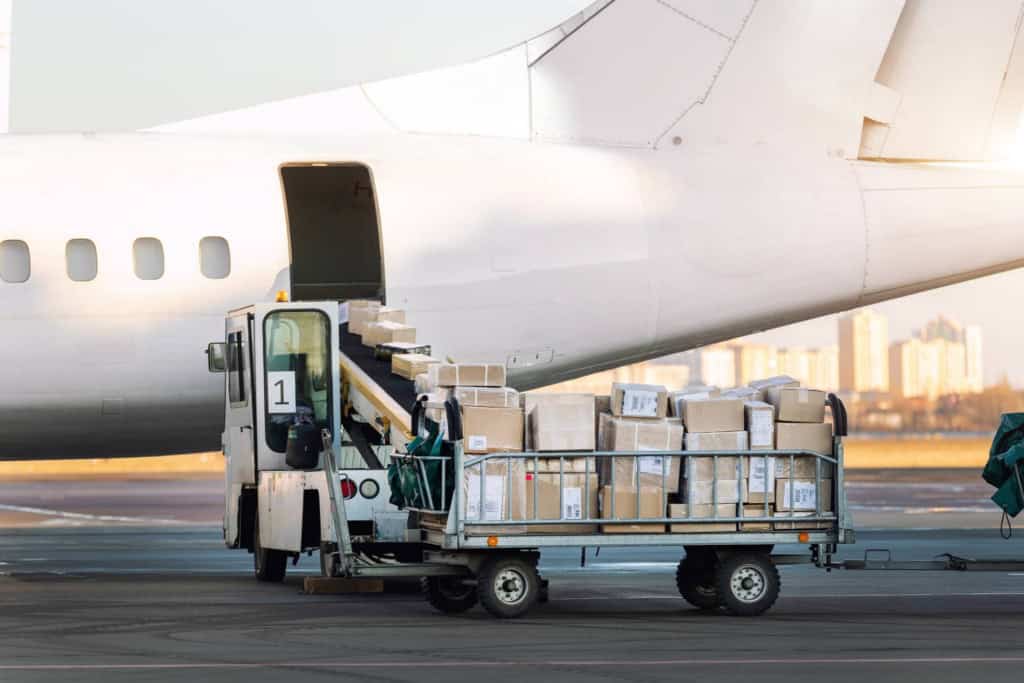
You’ll need to calculate the cost of materials, equipment, labor, duty, shipping, and other fees in order to know your total costs.
First, figure out what it will cost you to buy or import fabrics such as cotton, nylon, and wool. Think about the trims you will need and determine what you will need to pay for, such as buttons and zippers.
Consider the cost of the machinery, such as sewing machines, needed to produce the product. Account for essential items like needles and thread, and don’t forget to include labor costs.
Once you know how much it will cost to produce the product, determine how much it will cost you to sell it. If you intend to export your products to another country, research customs rates, duties, and shipping costs.
Remember, you may need to pay additional fees to get your product out of one country and into another.
Understand Taxation and Reporting Requirements
Every country handles taxable business income differently. Do your research, so you know exactly what your tax rates will be and what the reporting requirements are. It’s also important to understand how taxes will work for your employees.
The best way to research is to contact a local small-business accountant. Sure, you can try to do the research yourself, but hiring a local expert will save you a ton of time and potential headaches.
This is especially true if you are moving to a non-English-speaking country. Even if you are familiar with the common sayings, learning business jargon in a new language is a whole different ball game.
Don’t Neglect Basic Business Fundamentals
Whether you start your own foreign business or buy an existing one, don’t lose sight of basic business fundamentals.
Being in a new, exciting country doesn’t mean you can throw your business acumen out the window. That means you need to create a business plan, regardless of the country.
All business plans should include a description of your company, market research, and details of the products or services you offer. Include how your business will be structured and who will run it.

Discuss your marketing and sales strategies, including projections, and outline your funding request. Every section of your plan should take into account the details discussed above, like import and export costs and taxes.
Regardless of the country you plan to operate your business in, building a well-researched business model will make you look like a serious entity. Take the time to create one, and it will be the first step in putting your business on the path to success.
Final Thoughts Before You Launch
As an expat, starting a business in a new country can be an exciting opportunity. But that doesn’t mean you won’t face some challenges along the way.
Make sure you understand the local regulations and hold a visa that allows you to own a business. If you can’t think of your own business idea, look into buying an existing business instead.
Research import and export costs if you plan to buy, sell, or manufacture products. Understand the tax laws and reporting requirements, and keep the basic business fundamentals in mind.
You’ll have to do a good bit of research before you get started, and it’s always best to do that research before you make the move.
If you have a good idea and invest the time now to get your business going the right way, you’ll only be setting yourself up for success.
Find the Best International Medical Insurance
- Compare multiple quotes from top insurers
- Get expert advice at no additional cost
- Find the right plan for your needs and budget