International Health Insurance
Gain valuable insights and practical tips for navigating international health insurance while living abroad. From coverage details to expert advice, this comprehensive guide helps travelers…

International medical cover for expats and their families.
Medical and trip cancellation coverage for international travel.
Life insurance for globally mobile individuals living or working abroad.
Comprehensive international medical coverage for groups.
Medical, accident, and liability protection for global travel.
Financial protection for employees worldwide.
Most Popular Country Guides
Healthcare, insurance, and living insights to plan life and travel in each destination.
Healthcare, safety, and practical guidance for living abroad.
Tips and guidance for safer, smarter international travel.
Resources for global mobility, HR, and international teams.
Find the best travel insurance for Japan for medical emergencies, trip cancellations, and more, along with top travel tips for a safe trip.
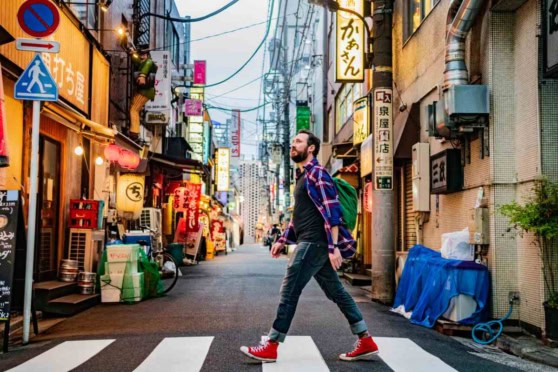
Planning a trip to Japan? Whether you’re drawn to Tokyo’s neon-lit streets, Kyoto’s ancient temples, or Hokkaido’s stunning landscapes, travel insurance is a must. It helps protect against unexpected events such as medical emergencies, travel delays, lost baggage, and even natural disasters like earthquakes or typhoons.
This article breaks down the best travel insurance for Japan, what it typically covers, how much it costs, and how to find a plan that fits your itinerary and travel style.

Travel insurance is not required for entry into Japan, but it is highly recommended due to the high cost of medical care for foreign travelers.
While Japan mandates health insurance for all residents and long-term visitors, short-term tourists must cover their own medical expenses.
Without coverage, even minor medical issues, such as a doctor’s visit or prescription, can quickly become costly. If you become seriously ill or need emergency care, medical costs can escalate into tens of thousands of dollars.
For instance, a single night in a private hospital room can exceed ¥30,000 ($200 USD), while intensive care unit (ICU) stays may cost over ¥100,000 ($670 USD) per day, excluding treatment fees. Surgeries typically range from ¥300,000 to ¥500,000 ($2,000 to $3,500 USD), depending on the procedure’s complexity.
In these situations, comprehensive travel insurance can be a lifesaver, protecting you from steep medical bills if unexpected health issues arise. This is especially important if you plan to engage in high-risk activities during your trip.
But even if you’re not participating in high-risk sports, unexpected risks still exist. For instance, if you misinterpret the ingredients on the sushi menu and suffer an allergic reaction, insurance will cover the cost of emergency treatment and follow-up care.
Beyond medical expenses, travel insurance can protect you from other unforeseen disruptions, such as trip cancellations, lost luggage, and unexpected delays. In these cases, it reimburses you for costs you would otherwise have to pay out of pocket.
So, while travel insurance isn’t mandatory in Japan, it’s a small price to pay for the peace of mind that lets you fully enjoy your adventure without worrying about what might go wrong.
Japan is an incredible travel destination, but, like any country, it comes with unique risks you should be aware of to help you prepare for a safe, stress-free trip.
Here are some key risks specific to Japan:
The coverage you receive with your Japan travel insurance will depend on your chosen plan. While some policies offer basic protection, others provide more comprehensive coverage for a broader range of travel-related risks.
Most plans typically include coverage for medical expenses, emergency evacuation, trip cancellation or interruption, lost or delayed luggage, travel delays, and repatriation of remains.
However, standard policies typically exclude coverage for pre-existing medical conditions, non-emergency treatments such as routine checkups or elective procedures, or injuries from high-risk activities, unless you add an adventure sports rider.
Coverage may also be limited or denied for self-inflicted injuries, incidents caused by alcohol or drugs, or losses resulting from illegal activities.
Some policies may also have Japan-specific exclusions. For example, certain illnesses that are more common in specific regions, such as Japanese encephalitis in rural areas, may not be covered unless you take preventive measures, such as vaccination.
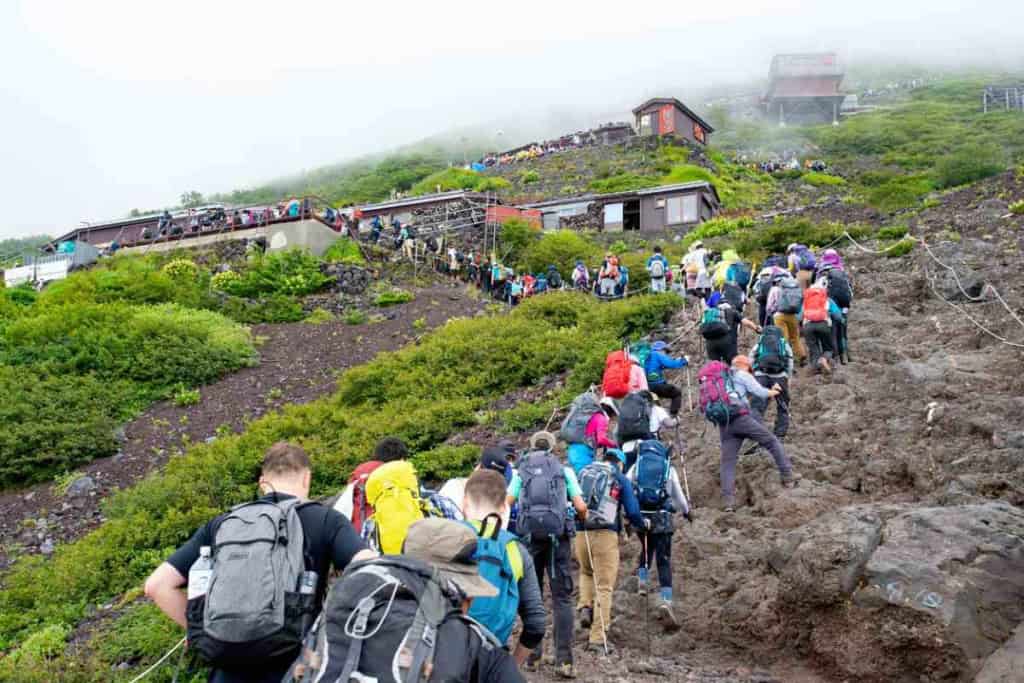
Additionally, coverage for specific activities may be restricted. Skiing or snowboarding may require an additional rider for off-piste or backcountry areas, and mountaineering or climbing Mount Fuji may only be covered if you follow designated routes and official climbing seasons.
Because coverage can vary widely, it’s essential to carefully review the fine print of your travel insurance plan to understand any exclusions and limitations that may apply in Japan. Failing to do so could leave you vulnerable to unexpected costs or a lack of protection in key situations.

Planning to Hike Mount Fuji? If you’re going at night, you’ll need to reserve a spot at a mountain hut. Whether you hike during the day or at night, be prepared for changing weather. And don’t forget to bring a flashlight—you don’t want to end up using your travel medical insurance because you slipped in the dark!
The cost of travel insurance for Japan depends on several factors, including your age, trip duration, destination, and the type of coverage you choose.
Adding coverage for high-risk activities or pre-existing medical conditions will also raise your plan price.
Generally, older travelers pay higher premiums. For example, a 35-year-old might pay $10–$20 for a seven-day travel health plan for Japan, while a 65-year-old could expect $40–$50 for the same coverage.
Other factors that influence the cost include the deductible (the amount you pay out of pocket before coverage kicks in), co-pays for specific services, the extent of emergency and trip disruption coverage, and any policy exclusions.
With a wide range of plans available, you should be able to find one that fits both your budget and coverage needs.
Now that you have a better understanding of travel insurance terms and costs, here’s how to choose the right policy for your trip to Japan:
Don’t Settle for the First Quote! Take the time to compare different plans to find one that best fits your specific trip details. Remember, coverage levels can vary widely for emergency medical expenses, trip cancellation, and lost luggage, so carefully review each plan to ensure it covers what you need.

Compare top-rated travel insurance plans for your upcoming trip abroad.
Below are our top travel insurance recommendations for Japan, each tailored to cover a range of needs – from medical emergencies to trip protection and more.
BCBS Global Solutions Single Trip Platinum is an excellent choice for U.S. citizens visiting Japan. It is affiliated with Blue Cross Blue Shield and provides access to a premium network of doctors and hospitals worldwide.
BCBS Global Solutions also offers 24/7 customer support, telemedicine, and prescription drug coverage. The plan is especially ideal for older U.S. citizens, offering the highest level of coverage for seniors traveling abroad.

The IMG Patriot Platinum plan is one of the most comprehensive travel medical insurance options for visitors to Japan. It provides top-level medical coverage, international emergency support, and valuable travel benefits.
Whether you’re exploring the bustling streets of Tokyo, the ancient temples of Kyoto, the snow-capped peaks of Hokkaido, or the cultural sites of Hiroshima and Osaka, traveling across Japan often involves trains, domestic flights, and outdoor excursions.
A strong travel medical plan is essential to safeguard against unexpected illness, injury, or delays as you move between regions.

The Atlas Travel Insurance plan is a flexible and affordable option for visitors to Japan. Atlas provides great customer service and a comprehensive range of benefits, even with the most budget-friendly plans.
The plan covers pre-existing conditions, ensuring you receive necessary care abroad. For those visiting Japan, Atlas offers extreme sports coverage and emergency evacuation for activities like skiing in Hokkaido, hiking in the Japanese Alps, and scuba diving in Okinawa.

With Trawick Safe Travels AnyReason, U.S. citizens and residents can visit Japan, knowing they have both flexibility and financial protection against unexpected changes to their trip itinerary.
This plan offers one of the best Cancel for Any Reason (CFAR) benefits at no additional cost. Trawick will reimburse you for up to 75% of your prepaid, non-refundable trip expenses if you have to cancel your trip for reasons beyond the standard covered events.

World Nomads Travel Insurance is a top choice for non-U.S. citizens seeking a travel plan with trip cancellation coverage. Policyholders can recover non-refundable expenses such as flights, accommodations, and prepaid activities.
Beyond trip cancellation coverage, World Nomads also provides coverage for over 200 adventure activities, emergency medical expenses, emergency evacuation and repatriation, and protection against loss or theft of baggage and personal belongings.

Japan is one of the safest countries in the world, ranking 17th out of 163 nations in the 2024 Global Peace Index, which evaluates factors like crime rates, political stability, and militarization.
However, no destination is entirely risk-free, and travelers should take basic precautions, such as avoiding unfamiliar areas alone, not following strangers, and sharing their location and plans with friends or family. This is especially important if you are traveling solo.
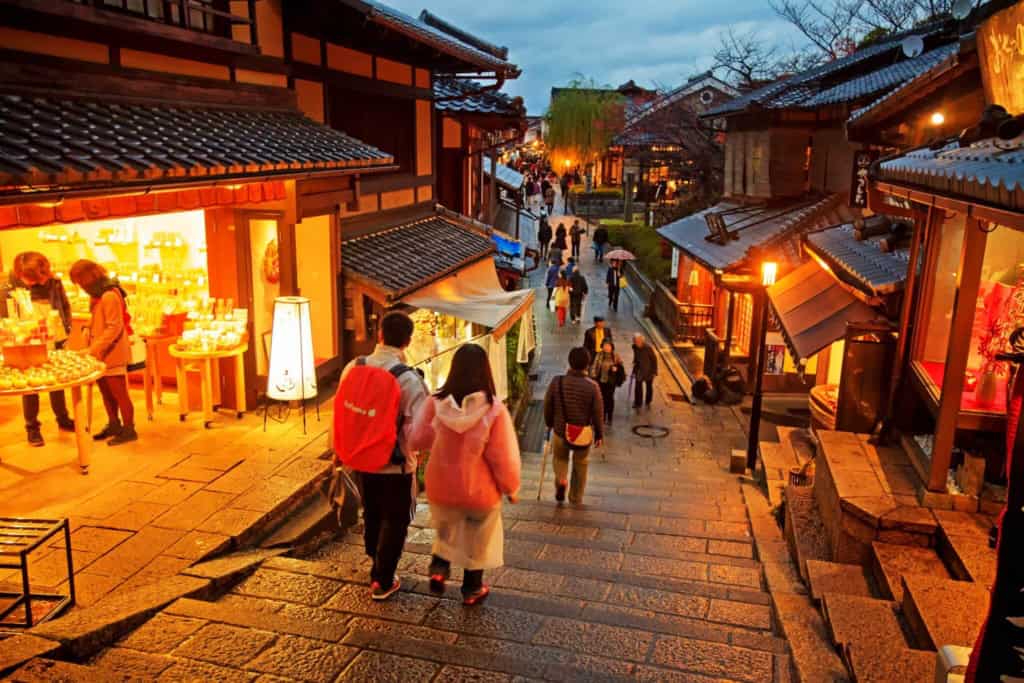
While crime is rare, Japan is prone to natural hazards such as earthquakes, typhoons, and extreme weather, so staying informed and prepared is essential.
Below are some essential tips to help you plan your trip to Japan.
Before leaving your home country, make sure you have enough medication and any necessary medical equipment for your entire stay in Japan. If bringing everything isn’t an option, look into how to get equivalents there.
It’s also a good idea to visit your healthcare provider for a checkup to confirm you’re fit for travel and that your vaccinations are up to date.
Of course, securing travel insurance is also an important step in preparing for your trip, so make sure you leave enough time to research and compare the best coverage. Remember, the best way to enjoy your travels is to stay safe and protected throughout the journey.
Worried About Losing Your Luggage? Japan has a takuhaibin (suitcase delivery service), which lets you transport your luggage between locations, such as airports and hotels. The service typically costs $10–$20 for a standard suitcase, and you can sign up at major airports and most hotels.
You don’t need any vaccinations to travel to Japan. However, it’s advisable to stay up to date on routine vaccines such as measles, chickenpox, and influenza. You might also want to consider Hepatitis A and B vaccines, though they are optional.
If you plan to visit rural areas, especially rice farms, it’s a good idea to get the Japanese encephalitis vaccine to protect against mosquito-borne infection. Mosquitoes can carry the disease from infected animals, and a bite could put you at risk.
If you’re traveling to Japan with a two-month supply or less of prescription or over-the-counter medication, you can declare it at customs upon arrival.
This includes most pills, liquid medications, and medical devices such as disposable contact lenses. However, you are limited to a one-month supply of pre-filled syringes, such as Ozempic.
If you’re staying in Japan for more than two months and need to bring more medication than the allowed limit, you must obtain a Yunyu Kakunin-sho (import certificate) before your trip. You need this certificate to bring larger amounts, and you must declare it at customs.
For more information and to apply online, visit Japan’s Ministry of Health, Labor and Welfare website.
If you plan to bring narcotic or stimulant medications, you must obtain permission from Japan’s Narcotics Control Department before your trip.
You will also need a doctor’s prescription explaining the need for the medication, along with a photo of the medication. Additionally, if you have leftover doses when leaving Japan, you’ll need export permission.
Narcotic and stimulant medications include:
The Narcotics Control Department also regulates psychotropic medications. Depending on the strength, you may not need permission for smaller amounts, but if you’re bringing more than a one-month supply (even if it’s a lower dosage), you’ll still need to get a Yunyu Kakunin-sho.
You can read more about the application guidance on the Department’s website.
It’s important to note that Japan does not allow certain medications, even if they are legal in your home country and you have a prescription. Banned substances include:
As always, it’s a good idea to bring a copy of your prescription for any medications you’re carrying, just in case. Even if you’ve already confirmed your medications are legal in Japan, having your prescription with you will help avoid any issues at customs.
If you’re experiencing a medical emergency, call 119 for an ambulance. The ambulance will take you to the nearest hospital for care. While the ambulance ride is free of charge, you will need to pay for any medical treatment you receive.
In Japan, many people don’t have a regular primary care physician (GP). Instead, they visit hospitals or clinics as needed for conditions such as a twisted ankle or a persistent cough.
If you need medical attention, these healthcare facilities are available to help. Make sure to bring your medical travel insurance card!
If you have travel insurance, your insurer can guide you to a Japanese hospital that accepts your insurance. Some insurers may also offer telehealth services, which allow you to consult a doctor from the comfort of your hotel or ryokan (traditional Japanese inn).
If you don’t speak Japanese, ask your insurance provider about translation services. While online translation tools can be helpful, it’s important to avoid miscommunication in health emergencies.
Your travel medical insurance should cover emergency medical expenses. However, if your trip includes extreme activities such as snorkeling in Okinawa or snowboarding in Japan’s “Snow Country,” make sure you add an extreme sports rider to your policy. Travel medical evacuation insurance can also help transport you back to your home country if needed.
As mentioned, Japan is widely considered one of the safest countries to visit, ranking 17th out of 163 nations in the 2024 Global Peace Index.
However, as with any destination, it’s still important to stay informed about potential risks, such as disease outbreaks, natural disasters, or terrorist threats.
Here are several reliable sources to help keep you updated on travel advisories and alerts for Japan:
In addition, the Japan Meteorology Agency provides the following information (in English):
If you need emergency assistance during your stay in Japan, it’s important to have the following numbers on hand:
Whether you need help with lost passports, emergencies, or legal matters, embassies are there to assist. Below are the key embassy phone numbers for several countries:
U.S. Embassy in Tokyo
Phone: 03-3224-5000
Address: 1-10-5 Akasaka, Minato-ku, Tokyo 107-8420
Canadian Embassy in Tokyo
Phone: 03-5412-6200
Address: 3-38 Akasaka 7-chome, Minato-ku, Tokyo 107-8503
British Embassy in Tokyo
Phone: 03-5211-1100
Address: Ichiban-cho, Chiyoda-ku, Tokyo 102-8381
French Embassy in Tokyo
Phone: 03-5798-6000
Address: 4-11-44, Minami-Azabu, Minato-ku, Tokyo 106-8514
Australian Embassy in Tokyo
Phone: 03-5232-4111
Address: 2-1-14 Mita, Minato-ku, Tokyo 108-8361
New Zealand Embassy in Tokyo
Phone: 03-3467-2271
Address: 20-40 Kamiyama-cho, Shibuya-ku, Tokyo 150-0047
While Japan is a very safe country, it’s still important to follow common-sense safety measures. Below are some essential tips to help ensure a smooth and worry-free trip.
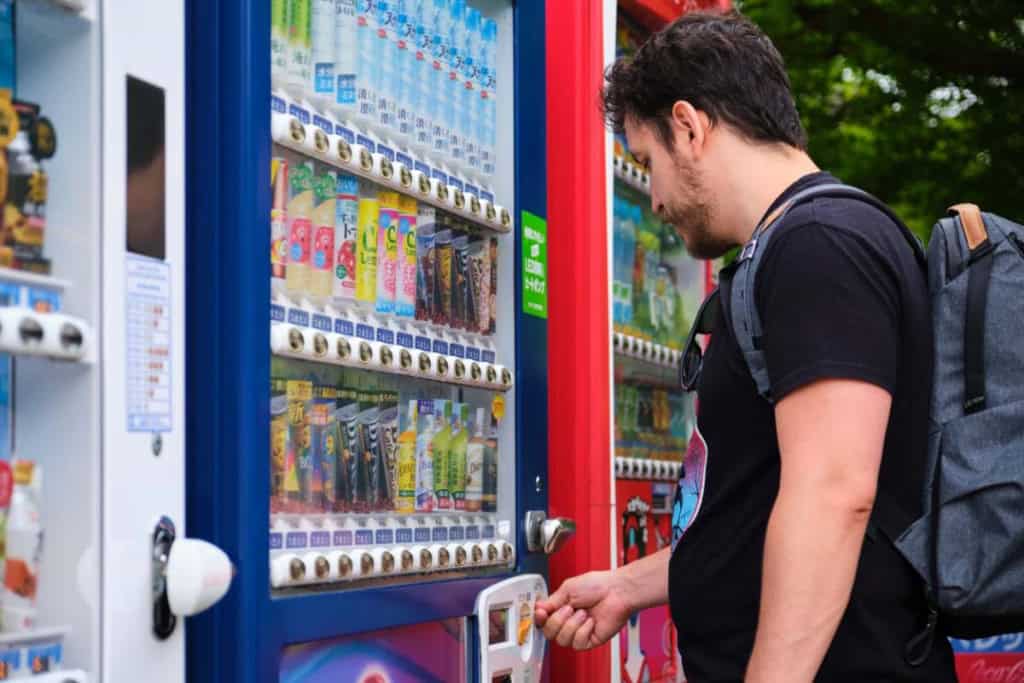
Summer in Japan, especially from June to August, brings intense heat and high humidity, often exceeding 35°C (95°F). To prevent dehydration and heatstroke, it’s essential to stay hydrated throughout the day.
Drink water, iced tea, or electrolyte-rich beverages like Pocari Sweat to replenish fluids and salts. Cooling accessories, such as a battery-powered fan or a cooling towel, can offer immediate relief by lowering your body temperature. Dressing in light, breathable fabrics like cotton will also help you stay cooler.
Seek shade whenever possible and take breaks indoors, particularly between noon and 3 p.m. when the sun is strongest.
Japan’s public spaces, such as cafes, shopping malls, and museums, are typically air-conditioned, providing a much-needed respite. Don’t forget to protect your skin with high-SPF sunscreen, a wide-brimmed hat, and sunglasses to shield yourself from harmful UV rays.
If you’re traveling to Japan during winter, be prepared for hazardous driving conditions, particularly in mountainous and rural regions.
While major cities like Tokyo and Osaka are typically well-equipped to handle winter weather, areas such as Hokkaido, the Japanese Alps, and parts of Honshu can experience heavy snowfall, icy roads, and sleet, making driving treacherous.
If you plan to rent a car, ensure it comes with winter tires, and in some cases, snow chains may also be necessary. Many rental agencies provide winter-ready vehicles, but it’s important to confirm this in advance.
Be mindful that snowstorms can sometimes lead to road closures, particularly in more remote areas, so stay updated on weather reports and road conditions.
If you’re unfamiliar with driving in winter weather, consider using Japan’s reliable public transport system instead.
Trains and buses are well-maintained and can get you to most destinations safely. Shuttle buses are often available for tourists heading to popular mountain resorts or sightseeing spots.
In Japan, especially in busy tourist areas, you may come across touts – people who try to lure you into restaurants, bars, or clubs with promises of discounts or special deals.
While some may be legitimate, many are linked to venues that overcharge tourists or provide poor services.
Be cautious if a stranger approaches you with an offer to visit a specific place. Touts may guide you to spots where you could face inflated prices for food, drinks, or services. These hidden costs can surprise you when you receive your bill.
To avoid this, always stick to well-known, reputable restaurants and bars. Check online reviews, ask locals for recommendations, or refer to trusted guidebooks for suggestions.
If a tout tries to lead you to a quieter, less populated area, it’s a warning sign. Politely decline their offer and move on.
In Japan, cyclists often share sidewalks with pedestrians, which can create hazards, especially in busy urban areas.
While cycling is a popular and efficient mode of transport in cities like Tokyo and Osaka, it’s important to remain alert and mindful of cyclists navigating crowded sidewalks.
Cyclists typically ride on the left side of the sidewalk, but their speed can vary, especially during rush hours or in high-traffic areas.
As they may weave through pedestrians or move quickly to pass, it’s essential to stay aware of your surroundings. If you hear a bike bell or notice a cyclist approaching from behind, move to the side to allow them to pass safely.
To stay safe, avoid sudden movements and walk in a straight line, particularly in crowded areas where cyclists may approach from different directions.
Look out for designated bike lanes or areas marked for cyclists, and ensure you stick to pedestrian zones to avoid accidents.
While Japan is a safe and beautiful country to explore, certain rural areas are home to wild animals, including bears, which have become an increasing safety concern.
Bear attacks have become more common in Japan, with over 200 reported between April 2023 and March 2024.
Be cautious of black bears if you’re visiting rural or mountainous areas on Honshu or Shikoku. Note that brown bears are more prevalent in Hokkaido.
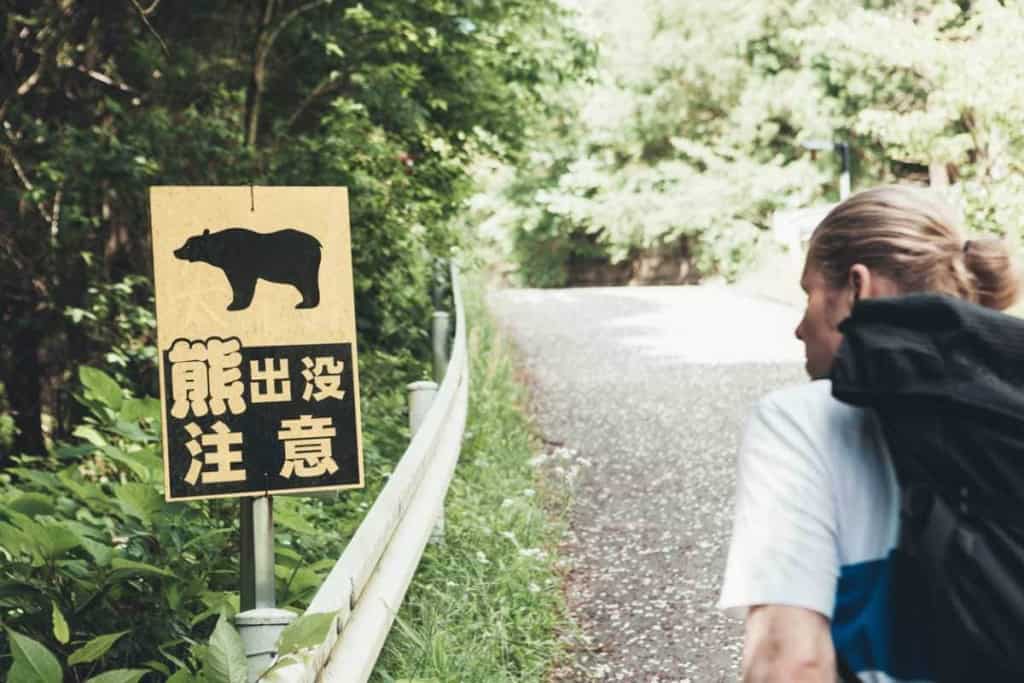
To stay safe, stick to well-marked trails, especially during early morning or dusk when bears are most active.
If you’re hiking in bear-prone areas, carry bear spray or noise-making devices to deter them. Store food securely and avoid leaving anything in the open. Always follow local guidelines to minimize risks.
Japan lies along the Pacific “Ring of Fire,” an area known for frequent earthquakes due to tectonic plate movement. Earthquakes occur regularly in Japan, with around 1,500 tremors recorded yearly, though most are minor.
Major earthquakes occur more frequently in eastern and northern Japan, including Tokyo and Hokkaido. Although buildings are designed to withstand them, it’s still important to be prepared and know what to do during a tremor.
Sign up for emergency alerts and stay informed through local news sources like Japan’s public broadcasting network, NHK, which provides information on earthquakes and tsunamis in English.
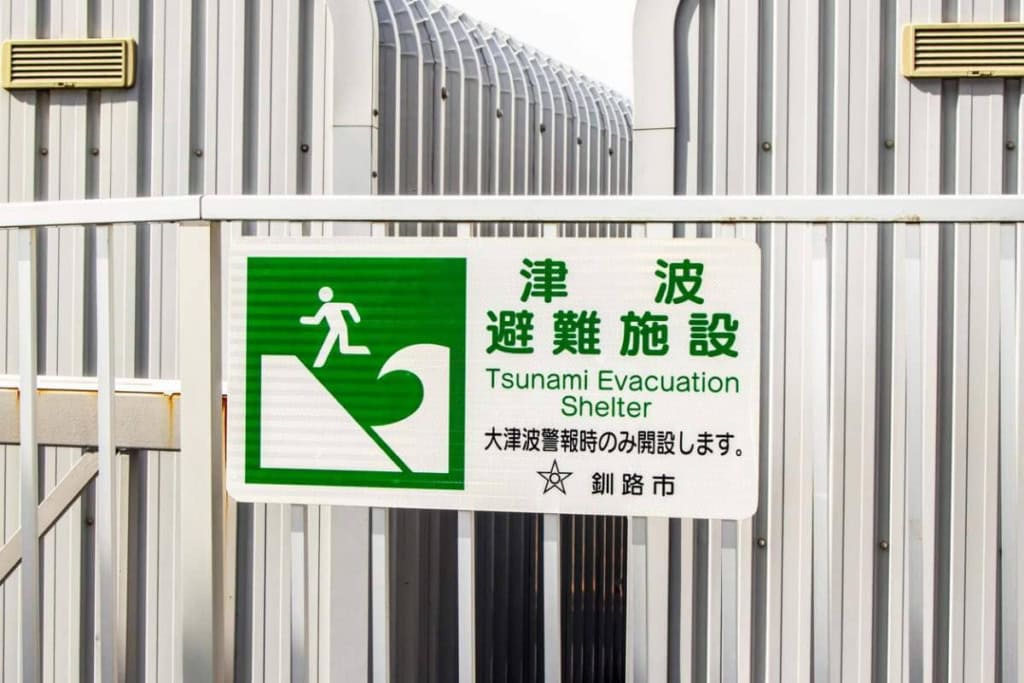
After an earthquake, be aware of potential aftershocks and the possibility of tsunamis, especially if you’re near the coast. If you feel a strong tremor or hear tsunami warnings, immediately move to higher ground.
Follow the “drop, cover, and hold on” method during an earthquake until the shaking stops. Avoid using elevators and stay indoors until it’s safe to exit.
Keeping an emergency kit with essential items like water, food, and first-aid supplies is also a good idea.
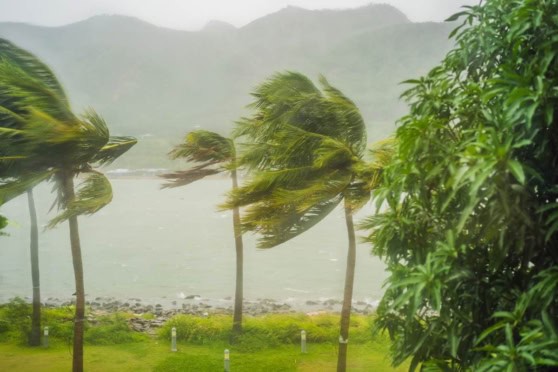
Typhoon season runs from May to October in Japan, with the highest frequency from August to September. These storms bring heavy rain, strong winds, and flooding, particularly in coastal areas. Travel delays are common, affecting flights, trains, ferries, and roads, and power outages can occur.
Okinawa, Japan’s southernmost prefecture, is especially vulnerable to typhoons. While its tropical climate is appealing, be cautious during typhoon season, as outdoor activities can become dangerous.
To stay safe, monitor weather forecasts and listen for typhoon warnings. Secure windows and doors, avoid unnecessary travel, and plan indoor activities.
Always follow local advice and be ready for possible delays or evacuations. Keep a storm kit with essentials like water, snacks, flashlights, and important documents.
Women traveling alone or without male companions in Japan can use women-only cars on public transport, especially in cities like Tokyo and Osaka.
These cars are designed to provide a safer, more comfortable travel experience, particularly during rush hour when overcrowding can lead to harassment.
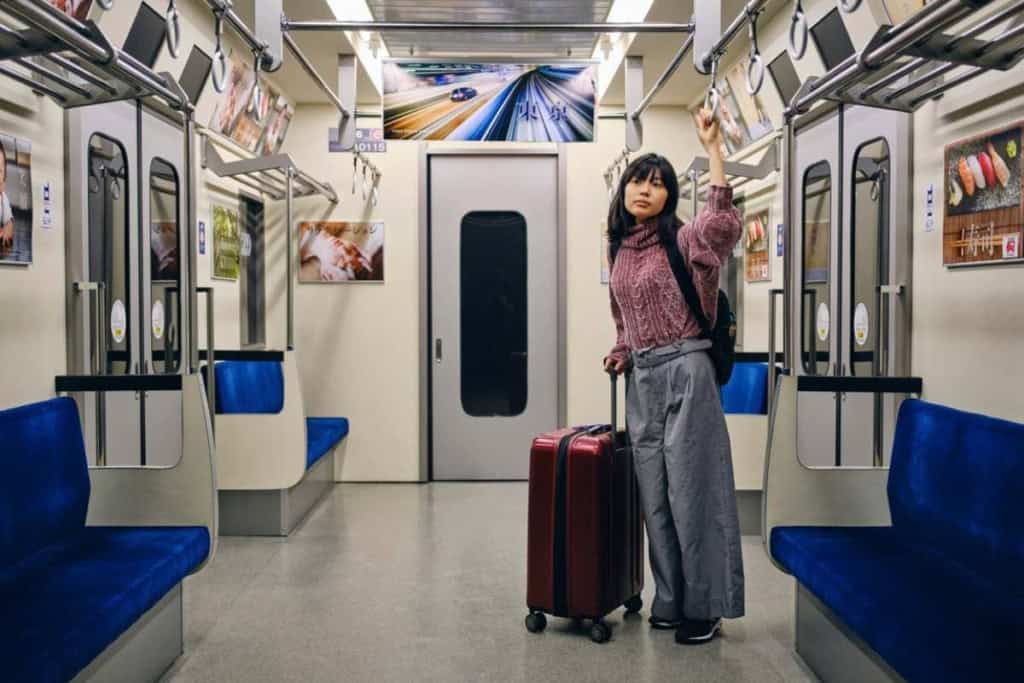
Look for the “Women Only” signs in both Japanese and English. If you’re a man, note that entering women-only cars is considered rude.
If you accidentally board one, exit and switch to another car at the next stop. Respecting this rule helps maintain a courteous environment for all passengers.
If you’re unsure where the women-only cars are located, look for signs at the station or ask station staff. While Japan’s public transport system is generally safe, these cars offer women extra comfort and security.
Japan has some of the strictest drug laws in the world, and even a small possession of illegal substances can lead to serious consequences.
Any illegal drug use, including marijuana (which is prohibited even for medical use), can lead to arrest, lengthy prison sentences, or detention until deportation.
Foreigners caught breaking drug laws also risk being banned from re-entering Japan for several years or even permanently.
Japanese police take drug offenses very seriously, and the legal system is efficient, meaning arrests and trials can happen quickly. Japan also has severe penalties for drug trafficking, including smuggling or distributing substances.
Even if you’re not directly involved in drug use, be cautious about your surroundings. Avoid places where illegal drugs may be used or sold, as you could still face trouble if you’re found nearby.
In short, it’s best to avoid any temptation to use drugs during your trip. Not only will it keep you safe, but it’ll also ensure you avoid any interactions with law enforcement that could ruin your travel experience. It’s simply not worth the risk!
Have your key health information readily available in case of a medical emergency. Carry a card or document with details about any allergies, current medications, and relevant health conditions. This will help doctors or medical staff provide the proper care if you cannot communicate.
If you have a chronic condition or require regular treatments, such as insulin for diabetes or an EpiPen for allergies, include instructions for managing these conditions in an emergency.
If possible, carry your health information in both your native language and Japanese, as it can make communication smoother if you need medical help.
Also, keep emergency contact numbers for local hospitals or clinics handy. Being prepared with this vital information can help ensure your safety and reduce stress during unexpected situations.
Rh-negative Blood is Rare in Japan. If you’re Rh-negative, make sure to note this on your card. In an emergency, this information can be critical for receiving the correct blood type during a transfusion.
Japan is a safe and welcoming country, but like any destination, it comes with its own set of challenges, including the possibility of accidents, illness, or natural disasters.
To protect yourself and avoid unexpected disruptions to your trip, it’s wise to invest in travel insurance. Having coverage for medical emergencies, travel delays, and cancellations allows you to relax and focus on everything Japan has to offer, from the bustling streets of Tokyo to the serene beauty of Hokkaido’s ski slopes.
By preparing ahead, staying informed, and following safety protocols, you can enjoy your time in Japan without unnecessary worry. So, are you ready to explore this incredible country with total peace of mind?
Get a free quote to find the best coverage for your trip. Safe travels!