
Travel Insurance for Brazil and Safety Tips for Visitors
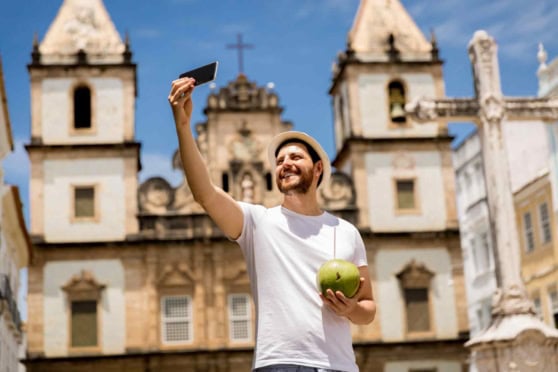
Find the Best Visitors Coverage for Your Brazilian Adventure
Whether you’re exploring the Amazon, soaking up the sun on Copacabana, or dancing at Carnaval in Salvador, Brazil is full of adventure. But even the best-planned trips come with risks – from medical emergencies to lost luggage or travel delays. That’s why travel insurance for Brazil is essential for a stress-free journey.
This article explains what travel plans typically cover and exclude, how to choose the best plan, and offers essential tips for a safe and unforgettable trip.

Find the Best International Travel Insurance
- Compare top-rated travel insurance providers
- Get quotes for Travel Medical, Trip Cancellation, and more
- Choose the best plan for your trip and budget
Key Takeaways
- While Brazil doesn’t require travel insurance for entry, having it protects against medical emergencies, lost belongings, and trip disruptions.
- Private healthcare can be expensive in Brazil, especially in remote areas. A good travel plan should include coverage for medical care, emergency evacuation, and repatriation.
- Most plans cover illness, accidents, lost luggage, and trip delays, but pre-existing conditions, elective procedures, and high-risk activities may require extra coverage.
- Before you travel, ensure you receive the recommended vaccines, arrange your prescription medications with proper documentation, familiarize yourself with how to access medical care, and keep emergency contact information readily available.
- Stay alert to petty theft, avoid high-risk areas, use licensed transportation, follow local health guidelines, and exercise caution during activities such as hiking or swimming.
Do You Need Travel Insurance for Brazil?
While Brazil doesn’t require proof of travel insurance for entry, it is strongly recommended. Coverage helps you stay prepared for unexpected situations, including trip delays, lost baggage, and medical emergencies.
Although Brazilian hospitals offer free emergency treatment, they can be overcrowded and may lack English-speaking staff, particularly outside major cities such as São Paulo, Rio de Janeiro, or Brasília.
Private hospitals offer faster service and more specialized care. However, without insurance, treatment can be costly, especially if you explore remote areas or participate in outdoor activities where accidents are more likely and medical support may be limited.
The right travel policy covers medical care and associated costs, giving you peace of mind so you can focus on enjoying your trip.
Understanding the risks you might face while traveling in Brazil can also help you choose the right coverage for your needs.
Travel Insurance
Common Risks in Brazil
Brazil is a dynamic, adventure-filled destination, but, like any country, it comes with its own potential risks.
Here are some common risks travelers may encounter – and how travel insurance can help:
- Petty Theft: Pickpocketing is common in busy areas of major cities, such as Rio de Janeiro, São Paulo, and Salvador. Thieves often target tourists for valuable items such as phones, wallets, and cameras, especially in crowded areas or on public transportation. A travel plan can help reimburse stolen items, replace essential documents, and cover emergency expenses.
- Injuries from Outdoor Activities: Brazil offers a wide range of outdoor experiences, from rainforest trekking to paragliding and boat tours. These activities increase the risk of injuries or accidents, particularly in remote areas. The right coverage ensures medical treatment and emergency evacuation.
- High Medical Costs: Private hospitals offer faster, specialized care, but costs can add up quickly; for example, a general practitioner visit can cost between $30 and $100 USD. A travel plan helps cover the cost of treatment and emergency transportation.
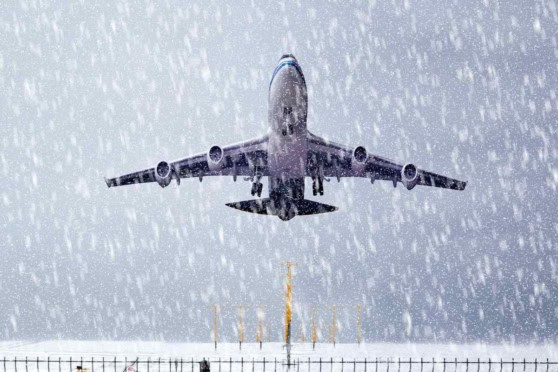
- Transportation Disruptions: Flight delays, cancellations, and overbookings are not uncommon, particularly during peak travel seasons. Insurance can help cover missed connections, overnight stays, and rebooking fees.
- Insect-Borne Illnesses: Diseases such as dengue, Zika, and chikungunya pose risks in certain regions, particularly during the warmer months. A travel plan can help cover the cost of hospital visits, medications, or emergency transport to specialized facilities.
- Natural Disasters: Seasonal heavy rains and flooding, particularly from December to March, can disrupt travel, damage property, or lead to evacuations. A travel plan can help cover emergency accommodations, canceled bookings, or evacuation costs.

Planning to Stay Long-Term? If you plan to remain in the country for a year or longer, consider purchasing international health insurance. Learn more about the benefits of health insurance for foreigners in Brazil and how to choose the right plan.
What Does Brazilian Travel Insurance Cover and Exclude?
Most travel insurance plans for Brazil typically cover medical care for illness or injury, emergency evacuation, trip cancellations or delays, lost or delayed baggage, and repatriation of remains.
Some plans also include treatment for insect-borne illnesses, such as dengue or chikungunya, which are risks in certain regions.
However, coverage typically excludes pre-existing conditions, elective procedures, and injuries from high-risk activities such as surfing, zip-lining, or trekking in remote areas, unless you add an adventure sports rider.
Other standard exclusions include losses related to alcohol or drug use, unattended valuables, or illegal activity.
Since coverage varies widely between policies, it’s essential to read the fine print carefully and ensure the plan fits your itinerary and needs.
Travel Insurance
How Much is Travel Insurance for Brazil?
The cost of travel insurance for Brazil depends on several factors, including age, health, trip duration, coverage level, and whether you opt for additional protection for high-risk activities or have pre-existing medical conditions.
Older travelers generally face higher premiums due to increased health risks. For example, a 25-year-old visiting Brazil from the US for two weeks might pay $10 to $30 for a basic travel medical plan, while a 65-year-old could pay between $30 and $100, depending on their chosen maximum and deductible.
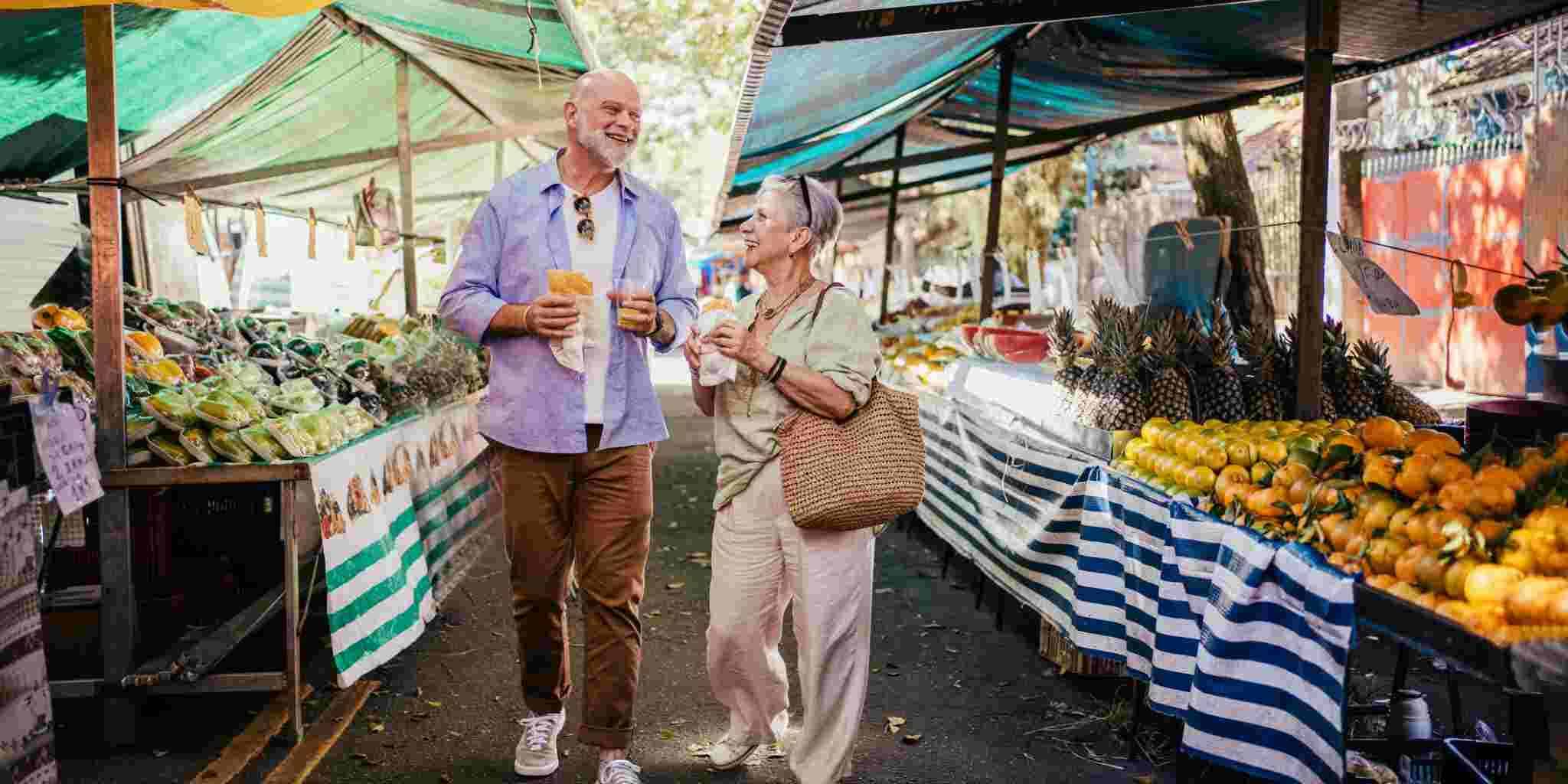
Premiums are also influenced by Brazil’s private healthcare costs and potential emergency evacuation fees. Comparing policies from different providers can help you find the right balance between price and protection.

We’ll Help You Choose the Right Plan
Compare top-rated travel insurance plans for your upcoming trip abroad.
Other factors influencing the cost include the deductible (the amount you pay out of pocket before coverage kicks in), co-pays for specific services, the extent of emergency and trip disruption coverage, and any policy exclusions.
Given the variety of policies and coverage options available, it’s important to compare travel insurance plans carefully to ensure you choose one that fits your needs and budget.
On a Budget? You can lower your premium by choosing a higher deductible, but ensure your plan still covers key benefits, such as emergency medical, evacuation, repatriation, and trip cancellations, especially if you’re visiting remote areas or planning outdoor activities. Review your options carefully and check what’s included first.
How to Choose the Right Coverage for Brazil
Before purchasing travel insurance for Brazil, consider your health needs, trip plans, and the activities you’ll be engaging in.
The right policy should protect you from unexpected costs while giving you peace of mind throughout your journey.
Ask yourself the following questions:
- Medical Coverage: Does your plan cover emergency medical treatment, including treatment for common illnesses such as dengue and other mosquito-borne diseases, as well as other diseases prevalent in Brazil?
- Pre-Existing Conditions: Does it include coverage for pre-existing medical conditions, or do you need to declare them in advance?
- Sports Coverage: Will you need adventure sports coverage for activities like hiking, surfing, or zip-lining?
- Length of Policy: Does it cover the entire duration of your trip, from the day you depart to the day you return?
- Travel Issues: Does it protect you in case of travel disruptions, such as extreme weather or natural disasters?
- Coverage Limits: Are the coverage limits high enough to cover evacuation from and medical transport within Brazil?
If you’re staying longer, consider a plan with more comprehensive benefits to cover medical needs and potential cancellations.
Don’t Settle for the First Quote! Always compare options from multiple providers. Focus on the balance of cost and coverage, not price alone, to ensure you’re fully protected while traveling in Brazil.

Travel Insurance
The Best Travel Insurance for Brazil
Below are our top travel insurance recommendations, each tailored to cover various needs – from medical emergencies to trip protection and adventure activities.
The Best Travel Health Insurance for Brazil
The IMG Patriot Platinum plan provides top-tier medical coverage, comprehensive global emergency services, and valuable travel benefits. Whether you’re visiting Brazil for business, leisure, or long-term exploration, it provides comprehensive travel medical insurance.
U.S. citizens and foreigners traveling for less than 12 months can apply for an IMG Patriot Platinum plan.

Patriot Platinum Travel Insurance
- Maximum limits up to $8,000,000
- IMG pays 100% of medical expenses in-network
- Evacuation due to Natural Disasters & Political Unrest
The Blue Cross Blue Shield Global Solutions Single Trip Platinum plan is an excellent option for U.S. citizens traveling to Brazil. Affiliated with Blue Cross Blue Shield in the U.S., it provides access to a premium network of doctors and hospitals worldwide.
BCBS Global Solutions also offers 24/7 customer support, telemedicine, and prescription drug coverage. The plan is especially ideal for older U.S. citizens, as it provides the highest level of coverage for seniors traveling abroad.
Single Trip Platinum Travel Insurance
- For U.S. citizens and residents up to age 95
- Includes pregnancy coverage, baggage loss, trip interruption & more
- 24/7/365 service and assistance
The Best Trip Cancellation Insurance for Brazil
With Trawick Safe Travels AnyReason, U.S. citizens and residents visiting Brazil get flexibility and financial protection against unexpected changes to their trip plans.
This plan offers one of the best Cancel for Any Reason (CFAR) benefits at no extra cost. Trawick will reimburse up to 75% of prepaid, non-refundable trip expenses if you cancel for reasons beyond those covered under standard events.

Safe Travels AnyReason
- Available to U.S. residents traveling within the United States and abroad
- 100% Trip Cancellation and Trip Interruption Coverage
- Emergency Evacuation and Repatriation
- 75% of Cancel for Any Reason (CFAR) is included within 7 days of trip deposit
World Nomads Travel Insurance is an excellent option for non-U.S. citizens seeking trip cancellation coverage in Brazil. It covers non-refundable expenses, such as flights, accommodations, and prepaid activities.
Beyond trip cancellation, World Nomads covers over 200 adventure activities popular in Brazil, such as scuba diving off Fernando de Noronha, trekking in Chapada Diamantina, or paragliding in Rio de Janeiro.
It also provides coverage for emergency medical treatment, evacuation from remote areas such as the Amazon, repatriation, and protection against loss or theft of belongings.

World Nomads Trip Cancellation
- Emergency medical evacuation and repatriation
- Coverage for baggage and personal gear
- Optional Cancel for Any Reason (CFAR) coverage for U.S. citizens and residents
Preparing for Your Trip to Brazil
While most visits go smoothly, it’s important to take basic precautions during your trip to Brazil.
Health and safety risks can vary depending on where you go, as each of the country’s diverse regions presents its own unique challenges.
By following the tips below, you’ll be better prepared to handle common risks, stay safe, and make the most of your adventure.
What Vaccinations Are Required for Brazil?
Brazil does not require proof of vaccination to enter the country. However, the Brazilian Ministry of Health (Ministério da Saúde) recommends that international tourists be up to date on routine vaccinations before arriving in the country.
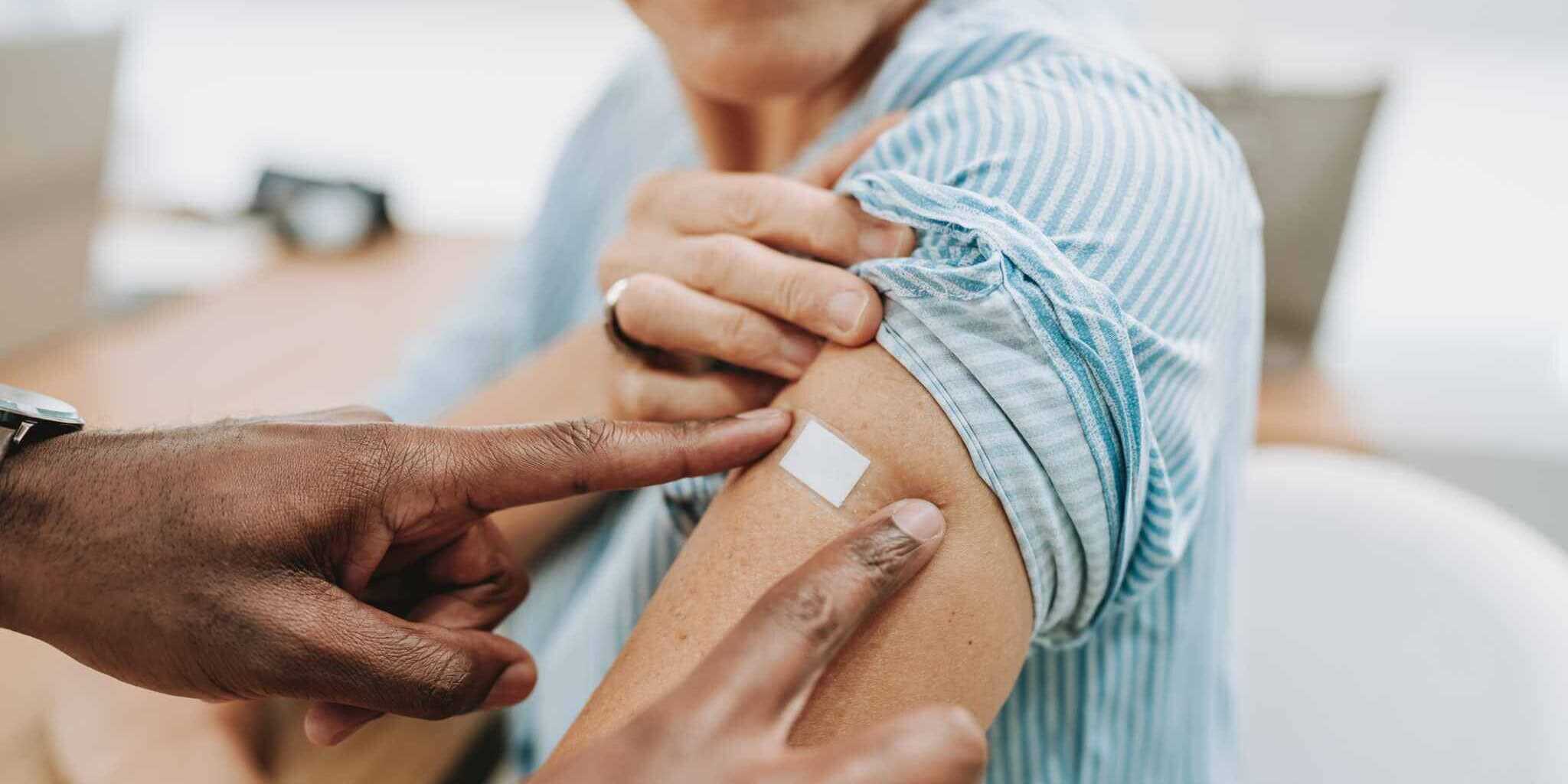
Make sure you’re protected by getting these recommended vaccinations before your trip:
- COVID-19
- Yellow fever
- Polio
- Measles
- Rubella
- Diphtheria
- Tetanus
- Hepatitis A
Aim to get vaccinated at least four to six weeks before your trip to allow the shots to become effective. Some vaccines, such as yellow fever, may require a longer lead time, ideally completed at least 10 days before travel.
Check the Centers for Disease Control and Prevention (CDC) website for up-to-date health information for Brazil and speak with your doctor about any additional vaccines or medications you may need.
Your doctor may also recommend anti-malarial medication if you plan to visit rural or forested areas, especially the Amazon rainforest.
Traveling with Medication
Traveling with prescription medication to Brazil for personal use is generally permitted.
However, medications may be subject to inspection at the point of entry, so it’s essential to have the correct documentation for personal medications.
Here are some guidelines to follow to avoid issues with bringing medications to Brazil:
- Retain Original Packaging: Keep medications in their original packaging to facilitate easier identification by customs and security.
- Carry a Prescription or Doctor’s Note: Always carry a prescription or a dated letter from your doctor that clearly states the medication name and dosage, and confirms that it’s for personal use.
- Pack Them in Your Hand Luggage: Pack medications in your hand luggage for easy access during the flight and to prevent potential issues with checked baggage.
- Have an Adequate Supply: Bring a sufficient amount of medication to cover your entire trip, as some medications might not be available in Brazil.
Can You Bring Narcotics or Stimulants into Brazil?
If you plan to bring narcotic or stimulant medications into Brazil, you must obtain permission from Brazil’s Health Regulatory Agency (ANVISA) before your trip.
You’ll also need a doctor’s prescription explaining the need for the medication, along with a photo or label of the medication.
Carry it in its original packaging, and only bring what you need for personal use during your stay.
Examples of controlled medications include:
- Oxycodone (narcotic)
- Codeine (narcotic)
- Vyvanse or Elvanse (stimulant)
- Pseudoephedrine (stimulant)
What Substances Are Restricted or Banned in Brazil?
Brazil strictly prohibits or heavily regulates certain substances, even if legal in your home country. These include:
- Heroin
- Opium
- Cannabis
- Amphetamines (including Adderall)
- Opioids
Always carry a copy of your prescription and a doctor’s statement, ideally translated into Portuguese or English, for any medication you bring.
How to Access Medical Care in Brazil
Brazil offers high-quality healthcare, especially in major cities, with both public and private facilities available.
Brazil’s public healthcare system, the Sistema Único de Saúde (SUS), provides free basic and emergency care to all residents, including foreigners.
To access most SUS services, individuals must have a Cadastro de Pessoa Física (CPF) number and register for a SUS card at a local health unit or online.
Tourists and short-term visitors, who typically don’t have a CPF or SUS card, can still access emergency medical services.
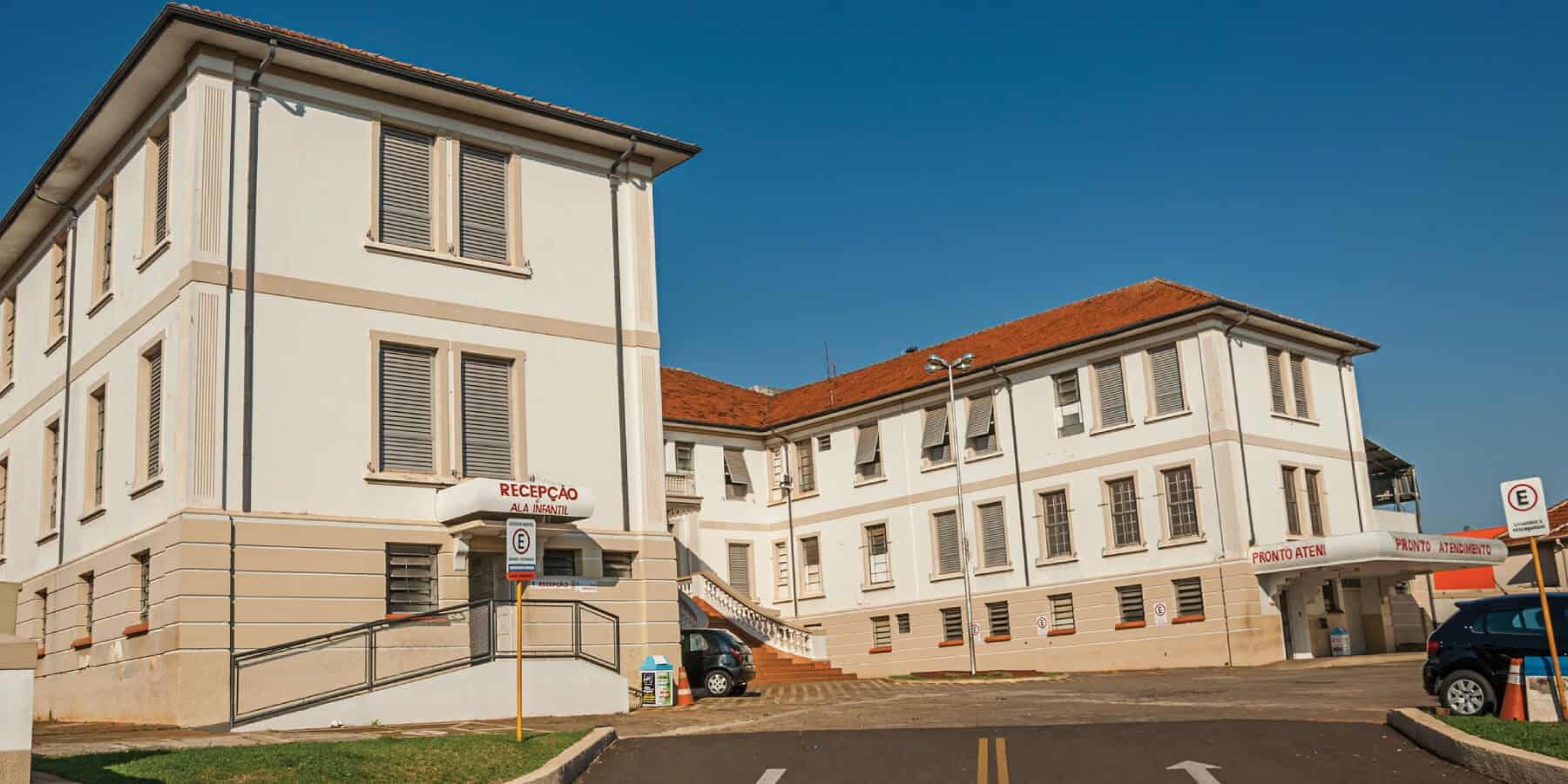
In a medical emergency, dial 192 to reach SAMU, Brazil’s Mobile Emergency Care Service, which operates 24/7 and is free.
For non-emergency situations, most travelers rely on private hospitals and clinics, which offer faster service, shorter wait times, and more English-speaking staff.
These facilities usually require upfront payment or proof of travel insurance, making coverage essential for avoiding substantial out-of-pocket costs.
Your travel insurance provider can help you locate suitable hospitals, schedule appointments, and may offer additional services such as phone translation or virtual doctor visits.
Familiarizing yourself with Brazil’s healthcare system and knowing how to access care in advance can make a significant difference in handling medical issues during your trip.
Brazil Travel Advisory and Warnings
The Brazilian Ministry of Foreign Affairs doesn’t issue regular travel updates. Instead, it refers travelers to Brazilian consulates abroad for information on visa and entry requirements.
For general travel advice and safety information, it’s best to check your own country’s government resources.
Below are several official sources of travel advice for Brazil:
- U.S. Department of State: Provides detailed information about health, safety, and security in Brazil, along with alerts about potential threats and guidance on staying safe during your visit.
- Foreign Travel Advice (GOV.UK): Offers detailed information for British citizens residing in or traveling to the country, including guidance on health and security, emergency procedures, and contact details for local embassies and consulates.
- Smartraveller (Department of Foreign Affairs and Trade): Specific information for Australian travelers on staying safe and healthy in Brazil, including practical tips on local laws and customs, and up-to-date advice about potential risks.
- Government of Canada Travel Advice and Advisories: Provides comprehensive information about the country’s political, health, and security landscape for Canadians traveling to the country, along with safety tips and alerts about ongoing risks.
- Ministry of Foreign Affairs, Singapore: Provides detailed advice for Singaporeans in Brazil, including practical safety and health information, visa details, and security updates.
Emergency Contact Information for Brazil
It’s essential to keep key emergency contacts easily accessible while traveling in Brazil.
Whether you’re dealing with a medical issue, theft, or a natural disaster, having the correct information on hand can help you act quickly and stay safe.
Here are some essential contacts to note before your trip:
- Police / General Emergency: 190
- Ambulance (SAMU): 192
- Fire Department: 193
Embassies and Consulates in Brazil
Your country’s embassy or consulate in Brazil can assist with lost passports, visa issues, or other emergencies that may arise during your trip.
It’s a good idea to keep their contact details on hand in case you need support while abroad.
US Embassy in Brasília
Phone: +55 61 3312 7000
Address: St. de Embaixadas Sul 801 – Asa Sul, Brasília – DF 70200-010
British Embassy in Brasília
Phone: +55 61 3329 2300
Address: Quadra 801 – Conjunto K – Lote 08 Av. das Nações – Asa Sul, Brasília – CEP 70408-900
Australian Embassy in Brasília
Phone: +55 61 3226 3111
Address: Quadra 801, Conjunto K, Lote 7, Brasília – DF CEP 70200-010
Canadian Embassy in Brasília
Phone: +55 61 3424 5400
Address: Av. das Nações, Quadra 803, Lote 16, Brasília – DF 70410-900
Irish Embassy in Brasília
Phone: +55 61 3248 8800
Address: SHIS QL 12, Conjunto 05, Casa 09, Lago Sul, Brasília – DF CEP 71630-255
Singapore Embassy in Brasília
Phone: +55 61 2191 6565
Address: SHIS QL 24, Conjunto 03, Casa 11, Lago Sul, Brasília – CEP 71665-035
New Zealand Embassy in Brasília
Phone: +55 61 99553 8087
Address: SHIS QI 09, Conjunto 16, Casa 01, Brasília – CEP 71625-160
10 Brazil Travel Tips
Many travelers wonder, “Is Brazil safe?”
While the country is an incredibly popular destination, attracting millions each year, it doesn’t rank among the safest countries, coming in at 130th out of 163 on the 2025 Global Peace Index (GPI).
While this may sound concerning, most travelers enjoy their trips to Brazil without issues by staying informed and taking a few basic safety precautions.
Certain risks exist, particularly in urban areas like Rio de Janeiro and São Paulo. These include petty theft, organized crime, and scams such as spiked drinks at bars or clubs.
By acknowledging these risks, following local advice, and taking simple precautions, you can stay safe and enjoy your Brazilian adventure with peace of mind.
A little awareness goes a long way. Here are key health and safety tips to help ensure a smooth and enjoyable trip:
1. Keep Your Belongings Secure
Petty theft is among the most common crimes that travelers face in Brazil, especially in major cities such as Rio de Janeiro and São Paulo.
While most visits are trouble-free, it is essential to remain vigilant and protect your belongings. Carry only what you need, such as a copy of your passport and a small amount of cash.
Leave your valuables in a safe at your accommodation, and avoid showing off your phone or jewelry in public.

Be extra cautious in crowded places, including public beaches and large festivals like Carnaval. On some beaches, groups of thieves carry out thefts known as arrastões, rushing through crowds to snatch unsecured belongings.
To reduce risk, keep your phone and wallet out of sight, avoid wearing jewelry, and stay alert in crowded areas. Avoid walking alone on urban beaches after dark.
Consider using RFID-blocking wallets or bags to protect against electronic pickpocketing.
2. Use ATMs Carefully
Stay alert when withdrawing cash in Brazil, as card cloning and other bank-related scams are relatively common. Use ATMs located in secure, well-lit areas, ideally inside a building.
Try to make withdrawals during the day when the area is busier, and avoid using machines at night or in isolated locations.
If you receive cash with unusual markings, such as pink streaks, notify the bank or local police immediately. This may indicate that the notes are damaged or counterfeit.
Taking these simple precautions at the ATM can help you avoid major headaches during your trip.
3. Avoid Higher-Risk Areas
Stay in well-known, tourist-friendly areas, especially after dark, and avoid wandering into unfamiliar neighborhoods without local guidance.
Favelas (densely populated informal settlements) are best avoided, even on guided tours. Conditions can be unpredictable, as many areas experience ongoing security issues.
In addition, the U.S. Travel Advisory recommends avoiding regions within 100 miles (160 km) of Brazil’s land borders due to increased criminal activity tied to drug and arms trafficking.
However, this doesn’t apply to popular tourist sites like Foz do Iguaçu National Park and Pantanal National Park.
If you visit Brasília, avoid the surrounding satellite cities at night, including Ceilândia, Santa Maria, São Sebastião, and Paranoá, where crime rates are higher.
4. Stay Alert on Public Transportation
Robberies are unfortunately common on municipal buses, metro systems, and long-distance buses in Brazil, particularly at night.
Stay highly aware of your surroundings rather than focusing on your phone or other distractions to protect yourself. Keep your belongings close to you, preferably in an inner pocket or money belt.
Use public transport during daylight hours and avoid empty or isolated stations, bus stops, or overnight bus travel whenever possible.
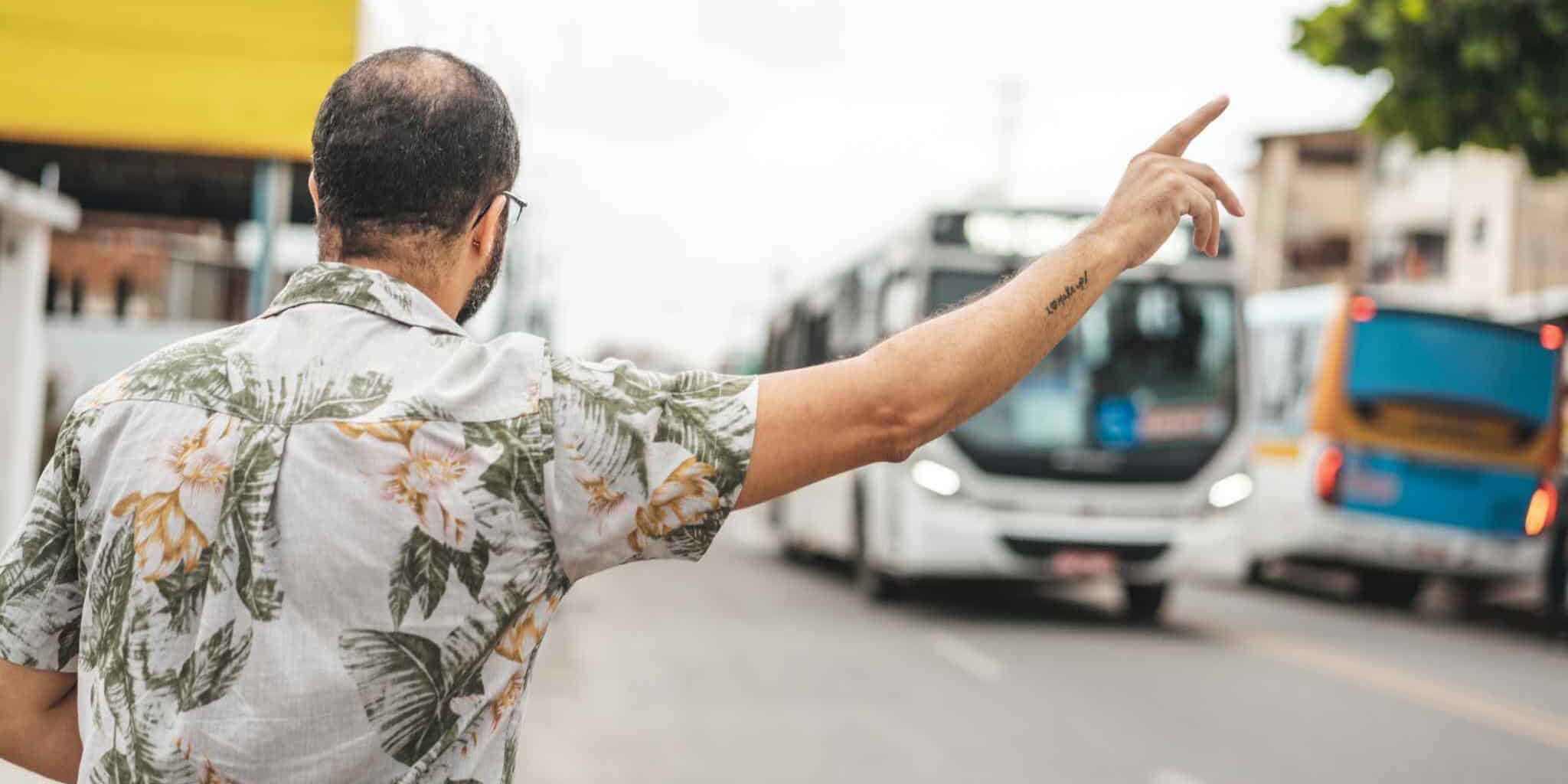
Travel in groups whenever possible, as safety is often found in numbers. When using taxis, opt for licensed options or reputable rideshare apps, such as Uber.
For long-distance bus travel between cities, choose reputable bus companies, keep luggage secure, and avoid traveling overnight if possible.
It’s also good to familiarize yourself with the local transit system and routes before your trip. Use apps or maps for navigation and only use official transport services with good reviews.
If you feel uneasy or notice suspicious behavior, trust your instincts and move to a safer location.
5. Watch Your Drinks
Criminals sometimes target foreigners at bars, nightclubs, or through dating apps, using sedatives or drugs to spike drinks and carry out robberies.
This can happen in major nightlife areas such as Rio de Janeiro’s Lapa district, São Paulo’s Vila Madalena, or popular beach bars in Florianópolis.
To stay safe, never leave your drink unattended and avoid accepting drinks from strangers. Try not to go out alone, and stay with people you trust.
Stick to well-lit, crowded venues and use reputable bars or clubs when possible. If you suddenly feel dizzy, sick, or unusually drunk after just one or two drinks, tell a friend or staff member immediately.
You can also contact the police, a nearby hospital, or your country’s embassy for support.
6. Drive with Caution
Be aware that roads in Brazil are often poorly maintained, and accidents are a common occurrence. If you’re in a collision and someone has been hurt, contact the police by calling 190 or visit a police station. Never drink and drive, and always wear your seat belt.
To reduce the risk of carjacking, enter your vehicle swiftly when parked, keep doors and windows securely locked, and avoid stopping on the roadside at night, particularly in remote areas.
Stay in a center lane and remain vigilant at traffic lights whenever possible. When refueling, choose well-lit and secure gas stations.
Be aware of local driving customs and road signs, as they may differ from what you are accustomed to. Traffic congestion and erratic driving behaviors are common in urban areas, so drive defensively and be prepared for sudden stops or unexpected maneuvers.
Watch for motorcycles weaving through traffic, a frequent hazard in many Brazilian cities.
Always carry your driver’s license, vehicle documents, and insurance information. If you’re unfamiliar with the area, using a GPS navigation system can help you avoid getting lost and reduce stress while driving.
7. Hike Safely in Remote Areas
If you plan to hike or explore Brazil’s remote areas, always share your itinerary with a trusted friend or family member, especially if you’re going alone.
Stay on marked trails, and consider hiring a local guide from a reputable company to help ensure your safety and prevent getting lost.
Check in regularly with family or friends via text, call, or location sharing, and make sure they know who to contact first in case of an emergency.
U.S. citizens can also enroll in the Smart Traveler Enrollment Program (STEP) to receive safety updates from the U.S. Embassy and make it easier to be located in an emergency.
Be prepared for wildlife and insects. Carry insect repellent and be cautious of snakes and spiders. Bring sufficient water, snacks, and a fully charged phone or GPS device.
Check the weather forecast before heading out, as heavy rain can cause flash floods or landslides in remote areas.
8. Prepare for Weather Hazards and Natural Disasters
Brazil’s climate can be extreme, with hot, humid summers (December to February) and a rainy season that varies by region.
Coastal temperatures can exceed 100°F (38°C), so be sure to drink plenty of water, wear lightweight clothing, hats, sunglasses, and sunscreen, and take breaks in the shade to stay cool. Carry a refillable water bottle to stay hydrated.
Heavy rainfall can lead to flooding and landslides, particularly in the southeastern regions, including the Amazon and Pantanal areas.
Forest fires are more common during the dry season (May to September), and rare storms or cyclones can affect the northeastern coast.
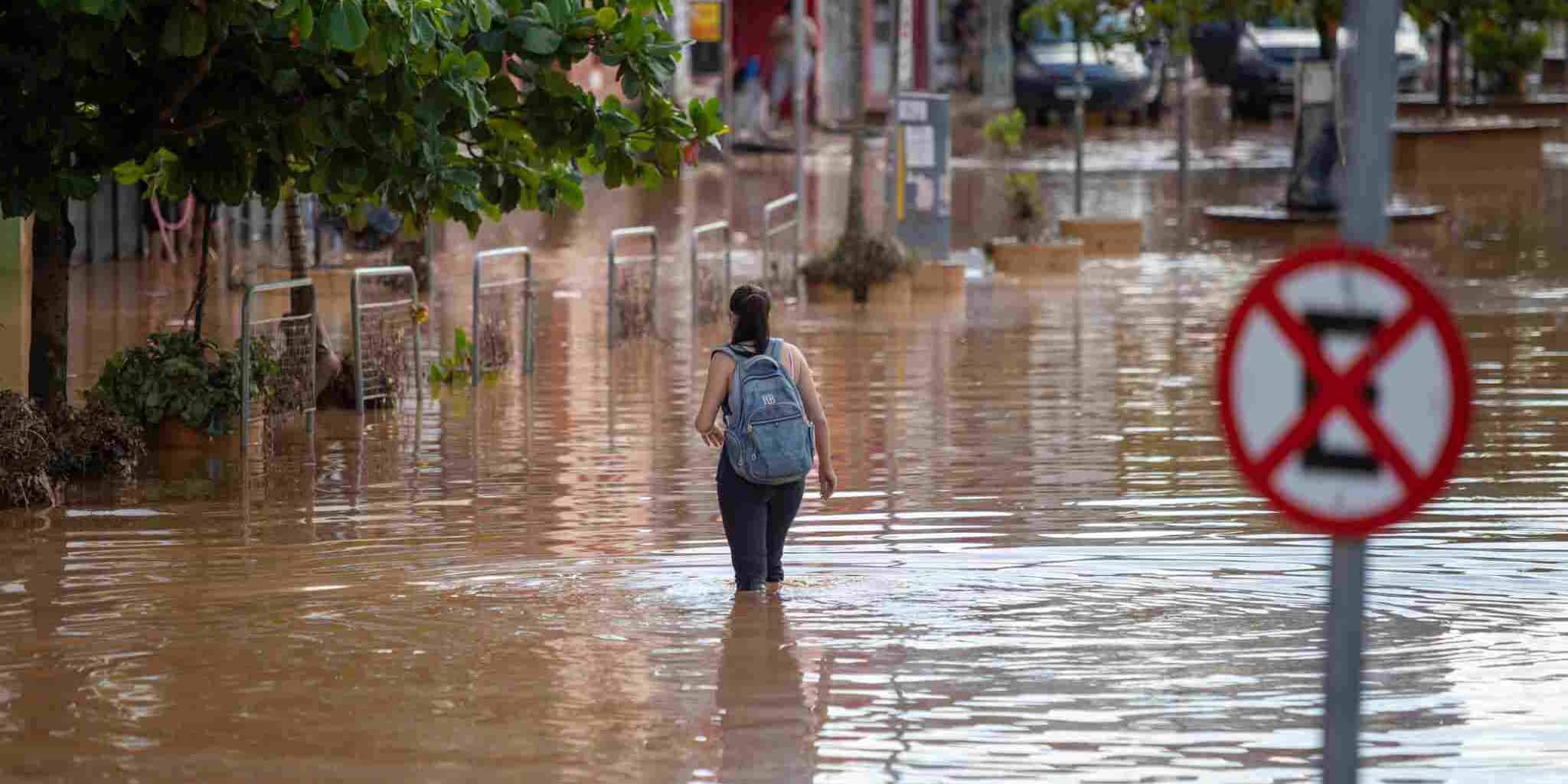
To stay safe, monitor local weather updates, follow official alerts, and avoid walking or driving through flooded streets or trails. Pack waterproof gear, wear sturdy footwear, and carry a basic emergency kit that includes water, a flashlight, and first aid supplies.
Adjust your plans if extreme heat, storms, or flooding are forecasted, and always avoid hazardous areas. Being prepared will help you safely handle Brazil’s weather and natural hazards.
9. Stay Safe in the Water
Some beaches in Brazil have strong currents, rip tides, or sudden waves that can be hazardous for swimmers, especially those inexperienced. Always ask locals for advice and look for warning signs or colored flags indicating dangerous conditions.
Avoid swimming alone, and stay in areas with lifeguards whenever possible. Beaches near Recife and other northeastern coastal regions have seen shark attacks, so follow all posted safety guidelines.
When swimming, snorkeling, or engaging in water sports, wear appropriate gear, such as water shoes and life vests, and avoid consuming alcohol before entering the water.
Pay attention to weather updates, as sudden storms or heavy rain can cause dangerous surf or flooding near rivers and estuaries.
By staying alert and following local guidance, you can enjoy Brazil’s beaches and waterways safely.
10. Watch Out for Dangerous Wildlife
Brazil’s Amazon rainforest is a breathtaking natural wonder, but it is also home to a diverse array of potentially hazardous creatures.
The Brazilian wandering spider, active mainly at night, has a venomous bite and will attack if threatened. Snakes and scorpions are also present in various regions.
Be cautious on beaches in the northeast, which have a history of fatal shark attacks. Always follow posted warning signs and guidance from lifeguards or local experts.
Protect yourself from mosquitoes, ticks, and other insects. These can transmit diseases such as dengue fever, chikungunya, leishmaniasis, and the Zika virus. Wear long sleeves, use insect repellent, and avoid areas with heavy vegetation when possible.
If you are visiting the Amazon or Pantanal regions, ensure your vaccinations are up to date, including those for yellow fever.
If you are bitten or stung, seek medical help promptly. For spider bites, cover the affected area with a clean bandage and seek medical attention if you experience severe pain, swelling, or difficulty breathing.
If a snake bites you, keep the affected limb still and seek medical attention promptly, as antivenom may be necessary to treat the bite. For insect bites, clean the affected area and apply anti-itch cream or antihistamines as needed.
By staying vigilant and following safety advice, you can enjoy Brazil’s diverse wildlife while minimizing risks.
Embrace Your Brazilian Adventure!
Brazil is a country of vibrant cities, stunning beaches, and breathtaking natural wonders, from the Amazon to the Pantanal. While it has its risks, most travelers enjoy safe and memorable trips by staying informed and taking simple precautions.
With a little preparation and the right travel insurance, you can explore Brazil with confidence.
Stay aware of your surroundings, follow local guidance, and let insurance handle the unexpected, so you can focus on adventure, culture, and natural beauty – and create memories that will last a lifetime.
Find the Best International Travel Insurance
- Compare top-rated travel insurance providers
- Get quotes for Travel Medical, Trip Cancellation, and more
- Choose the best plan for your trip and budget
Frequently Asked Questions
-
Brazil isn’t among the safest countries globally, but millions of travelers visit safely each year. Take precautions, such as avoiding high-risk neighborhoods, keeping valuables out of sight, and remaining vigilant in crowded areas.
Enroll in the U.S. Smart Traveler Enrollment Program (STEP) or use local safety apps for real-time alerts. Comprehensive travel insurance, including medical coverage, further ensures a smooth journey.
-
Requirements depend on your nationality. Travelers from the U.S., Canada, and the E.U. don’t need a visa for short stays. You’ll need a valid passport, proof of onward travel, and possibly proof of sufficient funds.
Longer stays, work, or study trips require a visa. Always check Brazil’s official government or embassy websites for the most up-to-date entry rules.
-
Yes, but bring your prescribed medications in their original packaging along with a doctor’s note that specifies the dosage and usage. Some controlled substances may require special authorization, so check local rules before traveling.
It’s also wise to carry a small supply of over-the-counter essentials for minor illnesses.
-
Yes, you can buy travel insurance after booking your flight, and it’s often recommended that you do so as soon as possible. Early coverage can protect you against unexpected events such as trip cancellations, delays, or medical emergencies.
Some policies may also cover pre-existing conditions or last-minute issues that arise before departure.
-
Medical evacuation in Brazil is available but can be extremely expensive, especially from remote areas. Brazil’s public healthcare system doesn’t cover international evacuation or repatriation, so travel insurance with medical evacuation coverage is essential.
Most policies also provide 24/7 assistance hotlines to coordinate care quickly.
Always carry a copy of your prescription and a doctor’s statement, ideally translated into Portuguese or English, for any medication you bring.