


StudentSecure Insurance
Discover how the StudentSecure Insurance plan helps international students meet F-1 and J-1 visa requirements with flexible coverage and essential health benefits.

International medical cover for expats and their families.
Medical and trip cancellation coverage for international travel.
Life insurance for globally mobile individuals living or working abroad.
Comprehensive international medical coverage for groups.
Medical, accident, and liability protection for global travel.
Financial protection for employees worldwide.
Most Popular Country Guides
Healthcare, insurance, and living insights to plan life and travel in each destination.
Healthcare, safety, and practical guidance for living abroad.
Tips and guidance for safer, smarter international travel.
Resources for global mobility, HR, and international teams.
Discover essential study abroad tips, including how to prepare, stay safe, manage money, and make the most of your time overseas.

Studying abroad is an exciting opportunity to explore new cultures, expand your academic and professional horizons, and grow as an individual. However, thriving overseas requires more than enthusiasm and a packed suitcase; it necessitates thoughtful planning, cultural awareness, and a commitment to your safety and well-being.
This article provides practical study abroad tips to help you prepare before departure, stay safe throughout your journey, and make the most of your experience.
When it comes to international travel, you can never be too prepared, especially when it comes to your paperwork. In 2024, more than 30% of international students faced immigration delays due to incomplete or incorrect documents.
These avoidable issues can lead to severe stress or even prevent you from starting your program on time. To avoid delays, make sure all your documents are accurate, complete, and up to date.
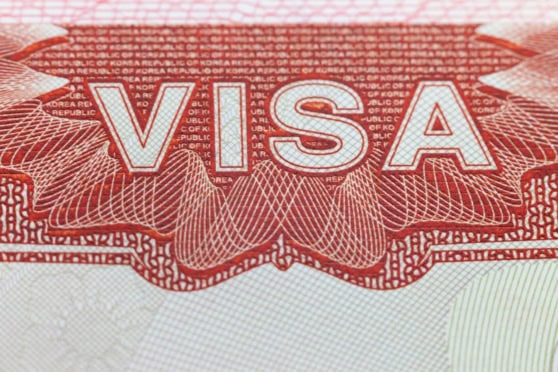
Your passport should be valid for the whole duration of your stay, and you must obtain the appropriate student visa for your host country.

Make multiple copies of key documents, including your passport, visa, and acceptance letter, and store them separately from the originals in case of loss or theft.
Additionally, please check with your program coordinator or host university to confirm if you are required to submit any additional documentation. Staying organized now will help ensure a smooth, stress-free arrival.
According to a 2022 University of Minnesota study, nearly 50% of international students who were uninsured or underinsured struggled to pay medical bills or incurred debt over time.
Having the right health insurance is essential for protecting yourself while studying abroad. Without proper coverage, you could face high medical expenses or even delays in securing your visa.
Moreover, many universities and visa programs require proof of international student insurance before you can begin your studies.
To avoid costly surprises and ensure a smooth start, select a plan specifically designed for international students and tailored to the requirements of your host country.

Best for U.S. citizens studying abroad and international students studying in the U.S.

Ideal for short-term international students of all nationalities abroad.

Best for international students and scholars needing family coverage.
A good policy should include emergency medical care, routine health services, mental health support, prescription coverage, medical evacuation, and repatriation of remains.
Look for plans that offer 24/7 global assistance and meet all visa and university guidelines. Always carry your insurance documents and emergency contact details with you.
For detailed plan comparisons and expert recommendations, see our full article on International Student Insurance.
Studying abroad means navigating unfamiliar currencies, payment systems, and banking practices. One of the most valuable tips for studying abroad is to learn how to manage your finances effectively, which can help reduce stress and maximize your budget.
Consider opening a local bank account or using reputable international money transfer services, such as Wise or Revolut, which offer secure transactions and competitive exchange rates.
Budgeting apps like Mint or You Need A Budget (YNAB) can be a game-changer for managing your finances abroad. They allow you to set spending limits and track your budget, making it easier to stay on top of your finances in a new country. Additionally, many offer helpful features such as bill reminders and goal tracking.

Avoid exchanging currency with unlicensed vendors and stick to reputable banks or official currency exchange counters. Carry only small amounts of cash and use credit or debit cards whenever possible.
These habits will help you manage your finances smoothly in a new country.

Unlock Your Phone for a Local SIM Card. Before you go, unlock your phone so you can use a local SIM card with cheaper data and calls. Having a local SIM from day one ensures instant access to maps, transport, and communication, which is much more convenient than relying on café Wi-Fi. Alternatively, consider international eSIMs.
Staying connected digitally is essential while studying abroad, but it can also expose you to risks like scams, identity theft, and cyberattacks.
In 2025, cybersecurity firm Quorum Cyber reported a staggering 400% increase in cyberattacks on global universities. Many of these attacks target students directly through phishing emails, malware, and data breaches, particularly those who use personal devices on unsecured networks.
Scams are also on the rise. In early 2025, Australia’s National Anti-Scam Centre revealed that scammers impersonating Chinese police officers had defrauded international students of more than $5 million. Similarly, universities across the UK have warned students about fake visa agents, job scams, and phishing emails designed to steal personal and financial information.
To protect yourself, be vigilant about what you click and share. Phishing attempts often look like legitimate messages from your university, bank, or immigration office, but may include suspicious links or requests for personal information.
Use strong, unique passwords for each account and enable two-factor authentication with apps like Google Authenticator or Authy. Avoid accessing banking or sensitive information over public Wi-Fi unless you use a trusted VPN such as NordVPN or ExpressVPN.
Limit what you share on social media and disable location tagging to avoid revealing your whereabouts. Also, regularly check your bank and credit card accounts for unauthorized transactions and report anything unusual immediately.
Learning about local customs is one of the best study abroad tips for blending in and showing respect in your new environment.
Before heading overseas, thoroughly research your host country’s culture, customs, and laws, especially those related to alcohol, drugs, dress codes, and public behavior. Even minor infractions can carry serious legal consequences, including fines, detention, or visa issues.
Respecting cultural and religious practices, such as local greetings, appropriate dress, or dining etiquette, can help you avoid unintentional offenses and adapt more smoothly.
For example, it’s customary to bow when greeting in countries like Japan and South Korea. Meanwhile, in places like the United Arab Emirates and Thailand, public displays of affection are generally discouraged, and dress codes tend to be more conservative, especially for women.
Learning a few basic phrases in the local language also goes a long way toward building trust and showing respect. A simple “hello” or “thank you” in the local tongue can help open doors and make interactions more positive.
Apps like Duolingo, Babbel, and Memrise make picking up essential phrases and improving your language skills easy and enjoyable.
Take time to adjust. Remember, culture shock is a natural part of studying abroad, so don’t ignore it. Embrace the discomfort as part of your learning experience and give yourself time to adapt. Contact your program coordinator or resident director for guidance if you need it. Mental health apps like 7 Cups, Calm, or Headspace can also help you manage stress and stay grounded in unfamiliar surroundings.
To stay safe while studying abroad, carry yourself with confidence and avoid standing out as a lost or vulnerable tourist. Research your area before you arrive so you can walk with purpose and observe how locals behave.
Dressing appropriately to respect local customs also helps you blend in and avoid unwanted attention. Remember, you’re a guest in your host country, so approach your experience with humility and an open mind to make the most of the cultural exchange.

Always stay alert, especially in crowds or at night, and trust your instincts. If something feels off, leave immediately. Keep in regular contact with family, friends, or program coordinators. Share your whereabouts and plans, and whenever possible, travel with companions in unfamiliar or isolated areas.
While it’s natural to connect with fellow students from your home country, spending all your time only with expats or foreign students can sometimes draw unwanted attention or lead to isolation from the local community.
Make an effort to meet and engage with locals; not only will this enrich your experience, but it also helps you blend in more naturally and stay safer.
One of the most important tips for studying abroad is to stay aware of your surroundings and make wise choices, especially when exploring local music scenes, nightlife, or alternative communities.
While these experiences can be enriching, some environments, particularly underground gatherings or unfamiliar groups, may involve unsafe, unregulated, or illegal activities. These situations can be risky for foreigners who might not fully understand local laws or social dynamics.
Always trust your instincts – if something feels off, it’s okay to step away. Focus on engaging with your host culture in ways that are positive, safe, and aligned with your values and goals for studying abroad.
By staying alert and setting healthy boundaries, you’ll be better able to explore confidently while avoiding unnecessary risks.
Getting around your host city smoothly is key to making the most of your study abroad experience. Take time to familiarize yourself with local public transportation options and learn the routes, schedules, and payment methods early to save both time and money.
Rideshare apps like Uber, Lyft, and Bolt often provide estimated fares and arrival times, making it easy to budget and plan trips.
When using these services, always confirm the driver’s details before getting in, and consider sharing your ride information with a trusted friend or family member for added peace of mind.

For extra safety, apps like bSafe or Noonlight offer live location sharing and emergency alert features during your ride.
When walking or using public transit at night, stick to well-lit, busy streets and avoid traveling alone in unfamiliar areas. Learn local transit safety tips, such as avoiding empty train cars or stations late at night, to help keep you secure.
To stay connected and navigate confidently, download transit apps or maps specific to your city. Many cities offer contactless payment cards or apps, which can save you from having to fumble with cash.
Also, be aware that public transportation can become crowded during peak hours, so consider traveling during off-peak times for a more comfortable ride. If you’re commuting late, plan your route and pick well-lit, busier stops or stations.
With a bit of preparation and thoughtful planning, you’ll be zipping around your new city like a local in no time.
Socializing and trying new experiences are part of studying abroad, and for some students, that may include drinking alcohol.
If you choose to drink, do so responsibly and remain aware of your surroundings at all times. Excessive drinking can impair your judgment, slow your reflexes, and increase your vulnerability, especially in unfamiliar places.
Never leave your drink unattended or accept drinks from strangers, as this could expose you to drink tampering or other risks. Stick with trusted friends, and use the buddy system when going out, particularly at night.
When attending parties or events, consider setting a check-in time with a friend or using location-sharing apps to stay connected. Before going out, plan how you’ll get home safely, and avoid walking alone in unfamiliar areas while intoxicated.
Keep in mind that alcohol laws, drinking ages, and cultural attitudes toward alcohol vary by country. Breaking local laws or disrespecting social norms can have serious legal consequences or damage your relationship with your host community.
Practicing moderation and staying alert helps ensure your social experiences remain safe and enjoyable throughout your time abroad.
Finally, being familiar with emergency procedures and contacts is one of the most crucial tips for studying abroad to keep in mind.
Before you leave, ensure you are familiar with the local emergency numbers in your host country. These vary by country and may be different from 911.
Find out how emergency services work where you’ll be, and identify the nearest hospitals, police stations, and clinics near your school or home.
Keep a list of essential contacts handy, including your embassy or consulate, local emergency numbers, and the contact information for your study abroad program coordinators. Save this on your phone and in a printed copy in case your device is lost or unusable.
Apps like Emergency Numbers Worldwide can help you quickly locate local emergency contacts. Additionally, consult official travel advisories from your government’s Department of State (or equivalent), which provide up-to-date safety information, including regions to avoid, current threats, and tips for staying safe abroad.
Consider enrolling in programs like the Smart Traveler Enrollment Program (STEP), which sends emergency alerts and helps your government reach you in a crisis.
Having a clear emergency plan and knowing who to call can make all the difference in a serious situation. Being prepared helps you stay safe and confident while abroad.
Studying abroad is a life-changing opportunity to learn, grow, and explore the world from a fresh perspective.
With the proper preparation and awareness, you can stay safe while thoroughly enjoying everything your host country has to offer.
These practical study abroad tips will help you settle in smoothly and stay safe, so you can focus on learning, connecting, and exploring.
From organizing your documents early and securing the proper insurance to managing your finances wisely and staying connected with trusted contacts, you’ll be well-prepared to make the most of your international experience.
At the same time, don’t let safety concerns hold you back from embracing new cultures and meeting new people. Approach your journey with an open mind and a spirit of adventure.
With the right balance of caution and curiosity, studying away from home can be both safe and deeply rewarding.
Best for U.S. citizens studying abroad and international students studying in the U.S.
Ideal for short-term international students of all nationalities abroad.
Best for international students and scholars needing family coverage.