GeoBlue Travel Insurance–Voyager Plan
The Single Trip Platinum plan offers exceptional protection for U.S. travelers abroad for up to six months.

International medical cover for expats and their families.
Medical and trip cancellation coverage for international travel.
Life insurance for globally mobile individuals living or working abroad.
Comprehensive benefits for international teams.
Insights on international relocation and global mobility.
Download our brochures or follow us on socials.
Most Popular Country Guides
Healthcare, insurance, and living insights to plan life and travel in each destination.
Healthcare, safety, and practical guidance for living abroad.
Tips and guidance for safer, smarter international travel.
Resources for global mobility, HR, and international teams.
Popular and recently published guides from our team.
Learn what to do before, during, and after a natural disaster while traveling, and how travel insurance with natural disaster coverage can safeguard you and your trip.
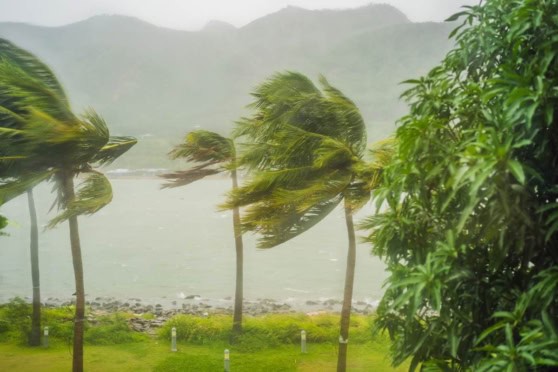
Natural disasters are unpredictable, dangerous, and especially disruptive when they strike far from home. Whether it’s a hurricane, earthquake, flood, fire, or volcanic eruption, these events can derail your plans, threaten your safety, and limit access to essentials like shelter or medical care.
While you can’t control when or where disasters happen, you can take steps to reduce their impact. Having travel insurance with natural disaster coverage can make all the difference between a temporary disruption and a major crisis. This article explains how to prepare for, respond to, and recover from a natural disaster, and how travel insurance can serve as a critical safety net when the unexpected strikes.
Natural disasters include large-scale events caused by weather, climate, or geological forces. These typically result in widespread disruption, damage, or danger to human life.
Common examples include:
Some events, such as tropical storms, blizzards, or severe weather outbreaks – including hailstorms or extreme winds – may or may not be classified as natural disasters, depending on the source.
However, they can cause significant disruption and may be covered under specific travel policies.
Comprehensive travel insurance with natural disaster coverage protects you against large-scale events like hurricanes, earthquakes, wildfires, and volcanic eruptions.
However, remember that what counts as a “natural disaster” can vary by provider. Some include tropical storms or severe weather under this coverage, while others treat them separately.
For this reason, it’s essential to check your policy’s specific definitions and exclusions before you travel.
Here are key ways travel insurance can help if you’re affected by a natural disaster while abroad:
These benefits offer peace of mind and financial protection, helping ensure you’re not left to face a crisis alone while abroad.
However, it’s essential to understand that coverage has limits. Travel insurance for natural disasters may not apply if you engage in high-risk activities or ignore official travel warnings.

Don’t Risk It! If you plan to participate in adventurous or higher-risk activities, such as hiking near an active volcano or traveling during hurricane season, consider adding optional coverage, like an adventure sports rider or high-risk zone add-on, to stay fully protected.
If you’re traveling to areas susceptible to hurricanes, earthquakes, wildfires, or other natural disasters, it’s essential to select a plan with strong emergency and evacuation features.
Below are three standout options:
Best for: U.S. citizens and residents traveling internationally who want flexibility and comprehensive coverage for weather-related disruptions.

Pathway Premier
Best for: International and U.S. travelers needing high coverage limits (up to $8,000,000) and wide-ranging emergency support in disaster-prone regions.

Patriot Platinum Travel Insurance
Best for: U.S., Canadian, and Mexican residents under the age of 75 who want peace of mind when traveling to high-risk destinations where fast and flexible evacuation options matter most.

MedjetHorizon Travel Protection
Natural disasters abroad can strike with little warning, but being prepared and knowing how to respond can protect your safety and reduce stress, especially if you’re visiting regions prone to hurricanes, wildfires, or earthquakes.

If you’re a U.S. citizen traveling abroad, it’s a good idea to register with the Smart Traveler Enrollment Program (STEP).
Enrolling your trip with the nearest U.S. Embassy or Consulate allows them, as well as your friends and family back home, to contact you quickly in case of a natural disaster or other emergency.
When you sign up for STEP, you can also download the Smart Traveler app, which provides real-time alerts, safety updates, evacuation notices, and official guidance during hurricanes, wildfires, earthquakes, and other major emergencies.
This timely information can be critical for making informed decisions and staying safe abroad.
Registering with STEP is free and easy, and it is one of the best ways to stay connected and prepared when traveling to disaster-prone regions.
If you receive a warning about an impending natural disaster, such as a hurricane, wildfire, earthquake, or flood, it is crucial to stay calm, informed, and ready to take immediate action.
Prepare a “go bag” with your most essential items, including passports, insurance records, tickets, medications, devices, snacks, and drinks.
This bag should be easy to grab if you need to leave in a hurry. Each traveler should have their own go bag.
Additional tips:
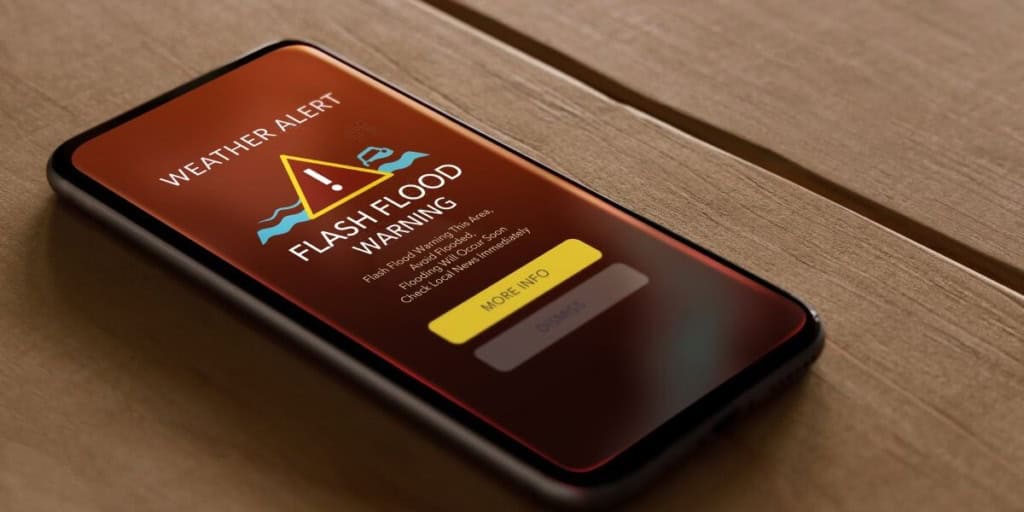
Reliable natural disaster warnings are valid reasons to cut a trip short or change your travel plans. If local authorities issue evacuation orders or conditions become unsafe, prioritize your safety – don’t hesitate to leave early.
Before you go, notify your airline, accommodation, and travel companions about your plans. Keep records of warnings, evacuation notices, and any communications with officials or your insurer.
These documents can be vital if you need to file a travel insurance claim or seek assistance from your provider.
Remember: It’s better to err on the side of caution when in doubt – get out!
If you find yourself caught in a natural disaster while traveling, these tips can help you stay safe and manage the situation:
Once the immediate emergency has passed and you’re safe, your focus will shift to managing travel plans and insurance claims.
Here’s how to proceed:
These steps will help you manage claims efficiently, allowing you to focus on your recovery and safety.

Natural disasters vary by region. Some, such as hurricanes and wildfires, are seasonal and occur frequently. In contrast, others, like earthquakes and tsunamis, can strike without warning, especially in active zones like the Pacific Ring of Fire.
Knowing what to do in these situations can make all the difference. Below are safety tips and insurance insights for the most common disasters travelers may encounter abroad.
Take Shelter Early: Find a safe, indoor location to wait out the storm. If you’re in an isolated area or on a small island, move to a central location or the nearby mainland as early as possible.
If you are told to leave a storm area, do so sooner rather than later. Driving on unfamiliar roads during a storm is highly stressful, and boat rides in choppy waters can be uncomfortable and even dangerous.
Watch for Tornadoes: Some storms, especially in places like the American Midwest, may trigger tornadoes. Use designated tornado shelters if available and follow all local emergency instructions.
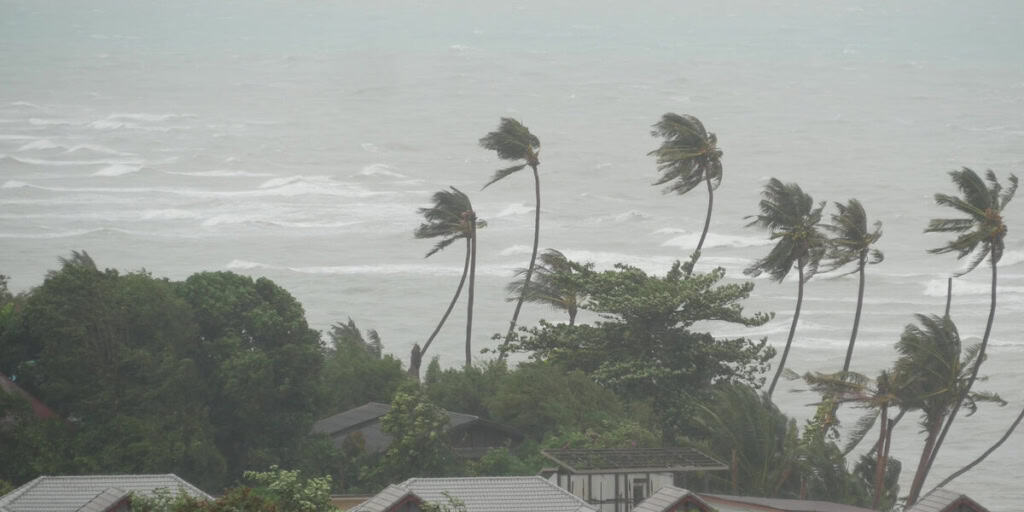
Yes, most travel insurance with natural disaster coverage, including specialized travel insurance for hurricanes, protects against storm-related disruptions such as delays, property damage, extended stays, and injuries.
When reviewing your plan, look for terms like storm, hurricane, typhoon, bad weather, or inclement weather to understand precisely what is covered.
Important: Always follow official storm warnings and evacuation orders, as ignoring them may void your coverage.
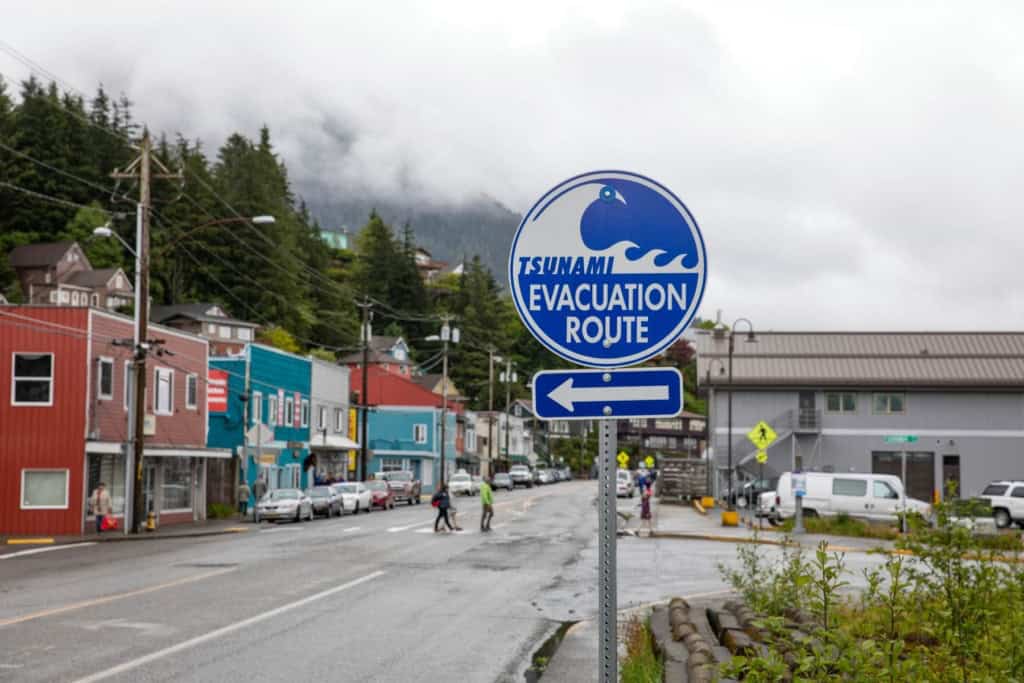
Move to Higher Ground: If a flood or tsunami warning is issued, evacuate immediately to higher ground or a high floor inside a sturdy building.
Stay away from large bodies of water, beaches, rivers, and flooded areas, especially at night or in low-visibility conditions.
Evacuate Immediately: If you’re staying at a beachside property and a tsunami warning is issued, leave immediately, regardless of the time of day.
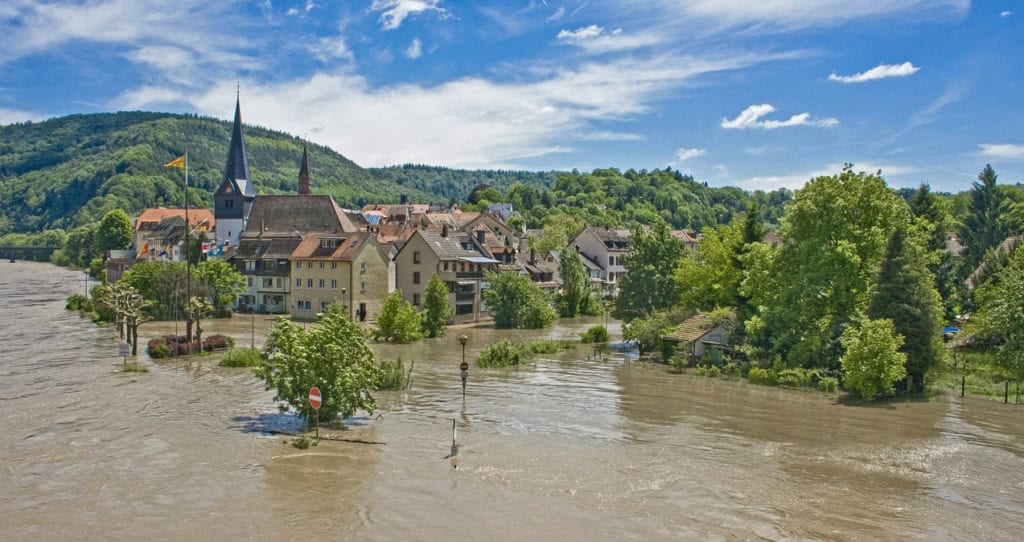
Because earthquakes often trigger tsunamis, most travel insurance policies typically cover them as natural disasters.
However, flood coverage varies depending on your policy and the cause of flooding.
Some policies cover floods caused by weather events, such as heavy rain, while others may exclude coverage for floods resulting from geological events.
For this reason, always review your policy carefully to understand what is included and what is excluded.
Evacuate Immediately: During a wildfire, also known as a “forest fire” or “bushfire” in some countries, follow all evacuation orders and leave the area quickly. Don’t wait or try to stay behind, even if locals do.
Avoid Danger Zones: Local people may stay behind to protect property or assist emergency responders. However, the safest choice is to evacuate promptly and stay away from the area.
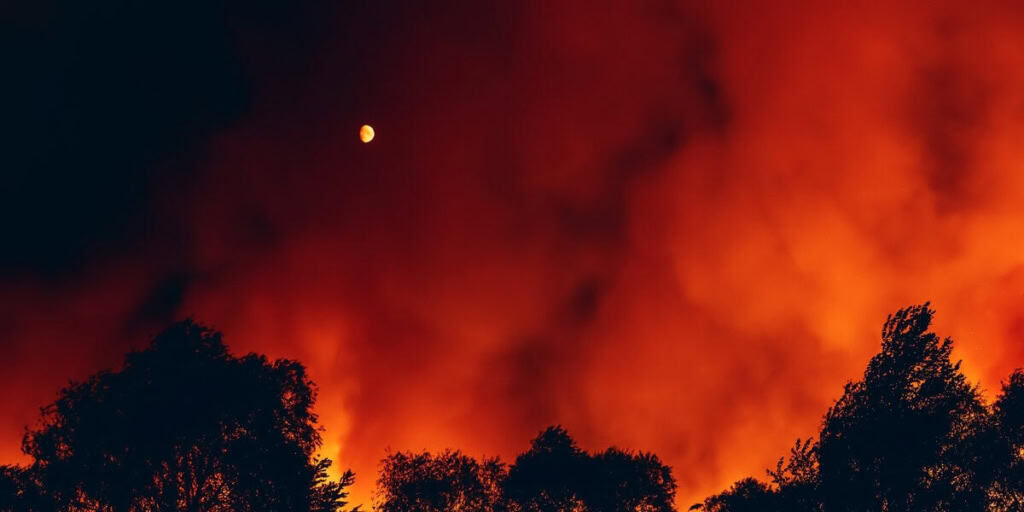
Most travel insurance with natural disaster coverage protects against wildfires, particularly those caused by lightning or other natural events.
However, in some regions, such as Australia, traveling into an area with an active wildfire may void your coverage.
If a wildfire starts after you arrive and mandatory evacuations are ordered, you typically have grounds to cancel your trip and receive trip cancellation reimbursement.
If unsure, keep records of any local or state emergency declarations or official travel advisories related to the wildfire.
Take Shelter Safely: During an earthquake, move to an open area outdoors or take cover under a sturdy table or piece of furniture.
Stay put until the shaking stops. If you’re in a high-rise building, follow instructions from the building’s safety team – they may assist with evacuation.
Be Prepared for Aftershocks: Although most earthquakes are moderate, they can still cause power outages, fuel shortages, and even trigger tsunamis.
Aftershocks or additional quakes may follow, so expect possible disruptions. Roads, bridges, and public transit might also be closed or delayed as authorities conduct safety inspections.

Travel policies almost always cover earthquakes as natural disasters. If a severe earthquake occurs at your destination before you arrive, you typically have grounds to cancel your trip and receive trip cancellation reimbursement.
Find Shelter or Evacuate: Immediately seek a protected indoor location during a volcanic eruption. If you are near an active volcano and it begins to rumble, evacuate the area immediately – eruptions can occur suddenly and without warning.
Expect Earthquakes and Disruptions: Volcanic eruptions often trigger earthquakes and cause major travel disruptions. Due to ash clouds and toxic fumes, flights may be canceled for days or weeks.
Be Cautious Visiting Active Volcanoes: Some tourists choose to visit active volcanoes, but this is a high-risk decision.
If things go wrong, travelers or their survivors are often surprised that travel and life insurance policies typically exclude coverage for injuries or incidents related to these visits.
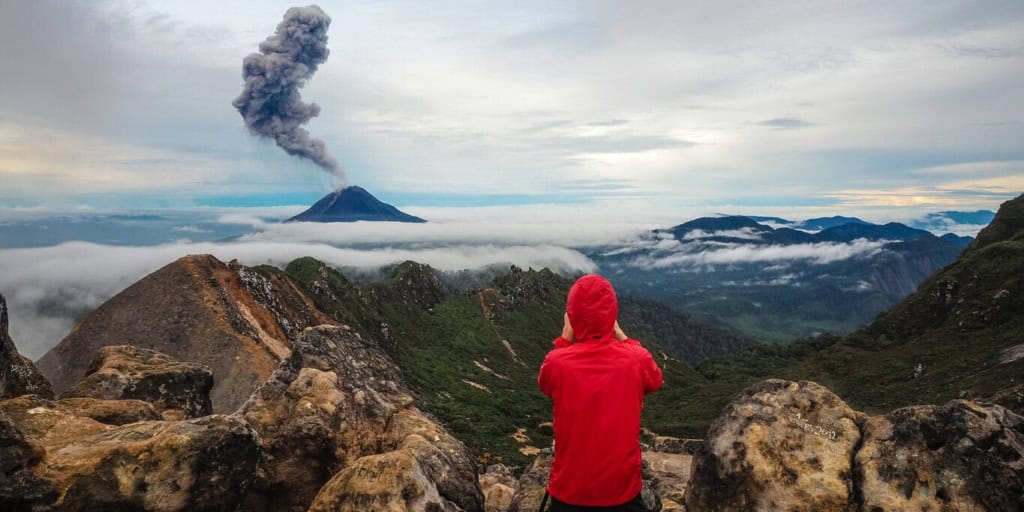
Most travel plans cover volcanic eruptions and related hydrothermal events as natural disasters. However, like wildfires and earthquakes, traveling to an area with an active eruption may void your coverage.
If you receive warnings of a possible eruption that don’t happen, you can relax and continue your trip – maybe even with a few extra snacks in your bag!
Natural disasters can strike without warning and disrupt your travels in unexpected ways. While you can’t control when or where they happen, you can control how prepared and protected you are.
Having travel insurance with natural disaster coverage is your best defense against unexpected expenses and stress when the unexpected occurs abroad.
Before your next trip, carefully explore and compare travel insurance options to find the best fit for you. Look for plans that offer comprehensive natural disaster protection tailored to your destination and activities.
With the right coverage, you can travel with confidence, knowing that if nature throws a curveball, you have a safety net to rely on.
Don’t leave your trip to chance – find the right plan today.