
The Best Internet Options for Traveling or Living Abroad

How to Stay Connected Overseas With Reliable Internet Connectivity
We’ve all heard horror stories of travelers heading abroad only to come home to a shocking phone bill. Today, internet connectivity is essential when you travel or live overseas – whether you’re staying in touch with family, working remotely, navigating with maps, or simply streaming music on the go. But staying connected isn’t always cheap. Without a clear plan, roaming charges and data fees can add up quickly.
The good news is that there are several practical ways to manage internet connectivity while abroad, depending on your budget, destination, and length of stay.

Find the Best International Medical Insurance
- Compare multiple quotes from top insurers
- Get expert advice at no additional cost
- Find the right plan for your needs and budget
Get an International Cell Phone Plan
For the short term, if you’re taking occasional trips, getting an international cell phone plan with your current provider is an easy choice.
Many major companies offer “international day pass” or “roam like home” packages that let you use your regular data plan in up to 100 countries for a small daily surcharge of $5 or $10. There’s usually nothing special you have to do to activate this plan.

You don’t have to worry about picking up a SIM card or connecting to a local Wi-Fi hotspot. You use your phone like you normally would. However, for longer trips, daily surcharges can add up quickly.
Use Public Wi-Fi to Access the Internet
The world is far from consistent in providing uniform internet connectivity. In some countries, public Wi-Fi is all but nonexistent. However, in many others, Wi-Fi is free, easy to find, and easy to use.
Public libraries, hotel lobbies, cafes, bars, airports, train stations, museums, and government buildings are all popular destinations for free Wi-Fi. Starbucks, McDonald’s, and 7-Eleven are three chains well known for offering free Wi-Fi to customers.

To feel the benefits even when you’re no longer connected, download any maps you might need from Google Maps and update other apps like currency exchange apps so you can use them offline with ease.
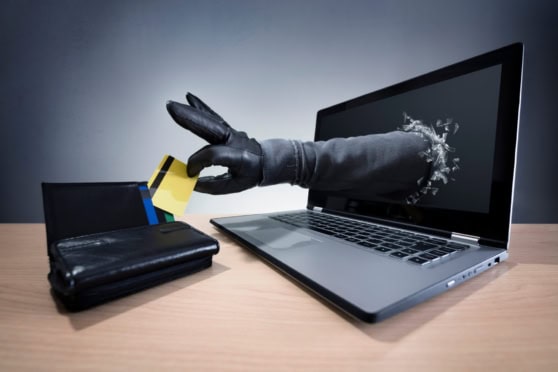
And remember, while using public Wi-Fi is usually free and easy, it’s not without risks. If you need to access personal financial information, it’s wise to do so from a more private and secure setup.
If you plan on using public Wi-Fi hotspots exclusively while abroad, take steps to avoid unwanted roaming charges. Go into your phone’s settings and switch off roaming before you head out for your trip.
Relying exclusively on public Wi-Fi hotspots isn’t for everyone, but there’s no denying that it’s a frugal choice. If you’re interested in trying it, one of these cities known for its connectivity is a good place to start.
Register for a Wi-Fi Program in Taipei, Taiwan
Taipei is home to an extremely user-friendly Wi-Fi program. Visitors can register in advance to get 30 days of free access to over 5,000 hotspots across Taiwan, several hundred of which are in Taipei and can be found on this Taipei hotspots map.
Access Free Wi-Fi hotspots in Tallinn, Estonia
Tallinn is one connected capital, with dozens of free Wi-Fi hotspots available in the Old Town. However, it’s not just Tallinn that’s connected. Estonia is one of the most connected countries in the world, and many small cities and towns have followed Tallinn’s lead.
Access the Free Network in Tel Aviv, Israel
Tel Aviv is known as Israel’s startup capital, and thus it’s only fitting that since 2013, it’s had a free Wi-Fi network. There are over eighty hotspots around the city, including in Old Jaffa, listed under the “free_tlv” network.
Free Wi-Fi in Barcelona, Spain
Barcelona has a widespread free public Wi-Fi network. Hotspots include beaches, markets, museums, street signs, and lampposts. Visitors can find a list of free WiFi hotspots in Barcelona.

Public Squares in Helsinki, Finland, Provide Password-Free Hotspots
Helsinki is filled with password-free hotspots in nearly every public building and square, as well as on buses, trams, and at the airport. There is a large cluster of hotspots downtown, which is perfect for visitors and tourists.
Moscow, Russia, has Thousands of Wi-Fi Points to Access
Moscow has more public Wi-Fi points than nearly any other city. There are more than 18,000 points of access, including libraries, 43 parks, 3,500 cultural centers, 10,500 university and college hostels, and even streets.
Access Over 200 Hotspots in Paris, France
Paris is one of Europe’s most connected cities. There are over 200 public Wi-Fi hotspots in Paris that offer 2 hours of connectivity. Visitors can search for “Paris Wi-Fi” or use this map to find Wi-Fi hotspots where you can connect.

Perth, Australia, is the Most Connected
Australia’s western capital is its most connected city. Since 2013, free Wi-Fi has been available throughout the central shopping and business districts. There’s also free Wi-Fi in most cafes, hotels, and the airport.

Buy a Local SIM Card
A favorite among frequent travelers, buying a local SIM card is a good option for people on the road for long periods.
A SIM card is a smart chip for your phone that gives you a new number and a local data plan. You can often pick them up in airports when you land at your destination. You can buy a set amount of data upfront and adjust your usage as needed.
The key advantage of a local SIM is that it’s affordable and it works just like a local phone. However, to use it, your phone must be unlocked.
This means you can switch out your regular SIM card for the local one you picked up. You also will only receive phone calls and texts to your new, local number – not the number associated with the SIM card you use at home.
This isn’t a problem if you normally only receive texts from a few loved ones you can easily give your new number to.
However, if you receive frequent texts from a wide variety of colleagues and friends, you might miss some important messages if you’re overseas and they don’t have your new contact info.
Purchase or Rent a Personal Mobile Hotspot
When you purchase or rent a personal mobile hotspot, you can travel with confidence. Your data transmission is secure, and you’re able to stay connected no matter where you go.
You use a secure wireless network and a unique password, just like you would at home. You also don’t have to worry about connecting and reconnecting as you exit one public Wi-Fi spot and later enter another one.
Personal hotspots start at about $100 for 16GB of data and increase with the number of options you choose for your package.
Rentals start at about $10 a day for unlimited internet, but in some areas they cost more.
Some rental options mail the hotspot to your house before your trip, so you can familiarize yourself with it before you hit the road. Others have the option of pickup or drop-off at airports.
On the downside, having a personal hotspot is one more device for busy travelers to keep track of. It can be annoying to have to pack one more item in your day bag, and the cost of rentals adds up quickly on a long trip.
Staying Safe on Public Wi-Fi Abroad
There’s little value in using Wi-Fi connections or hotspots around the world if they make your internet connectivity vulnerable to hacking.
Hackers often target travelers by creating fake network names, such as “Free Tourist Network,” to trick users into connecting and exposing their personal data.
Installing a virtual private network (VPN) on your phone, tablet, and laptop will help enhance your security. It’s also a good idea to avoid accessing sensitive accounts, such as online banking, on public networks.
Find the Best International Medical Insurance
- Compare multiple quotes from top insurers
- Get expert advice at no additional cost
- Find the right plan for your needs and budget