
Living in Australia as an Expat

A Guide to Everyday Life Down Under
Many know Australia as the land down under, where koalas and kangaroos roam free. Yet the millions of immigrants who call Australia home know it as so much more: a land with multicultural cities, a strong job market, and one of the best healthcare systems in the world.
If you’re thinking about living in Australia, learn about the country’s visa programs, cost of living, and other key factors before you make the move. Below is a guide to preparing for expat life in Australia.

Get Covered Before You Move to Australia
Compare international health insurance plans designed for expats living in Australia. Get personalized quotes based on your move, budget, and coverage needs.
Is It Easy to Live as an Expat in Australia?
Australia is a great place to live for many foreign-born citizens, but certainly not for all.
The Benefits of Immigrating to Australia
Australian culture is incredibly diverse. The people are friendly, and the country is welcoming to immigrants, given that approximately 30% of all Australian residents were born overseas.
However, immigration laws remain strict, making it difficult for foreigners seeking to move there permanently.

Aussies are known for their laidback way of life and good work-life balance. The country is a dream for people who want to live an active, adventurous lifestyle.
Foreigners seeking work in Australia will be pleased to discover many great full-time and part-time job opportunities across the country, especially for skilled workers in high-demand fields such as healthcare, engineering, construction, and IT.
If you are moving to Australia with children, Australia also offers a high-quality education system, with public, international, and private schools.
The Challenges of Immigrating to Australia
The Australian continent is a long way from most places in the northern hemisphere. That’s why some expats feel isolated from family and friends back home.
Traveling to places outside the country can be time-consuming and costly, making it no easy feat to visit loved ones in other parts of the world.
To give you a better idea of what traveling from Australia to other countries can look like, Australia is located at a distance of about:
- 9,461 miles/15,226 km from London, England
- 9,361 miles/15,065 km from Dallas, Texas
- 9,198 miles/14,803 km from Amsterdam, the Netherlands
- 9,248 miles/14,884 km from Winnipeg, Canada
The majority of immigrants in Australia come from countries in close proximity. These include India, China, Hong Kong, Pakistan, South Africa, and New Zealand.
For Europeans accustomed to fast, easy travel between nearby countries, domestic travel within Australia can feel like a burden.
Unlike Europe, where many major cities can be reached by train within a few hours, the distance between Australia’s major cities can take close to half a day of travel by land, if not longer.
Depending on where you’re coming from, the quality of housing in Australia may be a cause for concern. Housing is not up to the same standards as in North America, for example.
Poor ventilation and insulation mean that homes in colder regions of the country can feel very cold during winter.
The cost of living in Australia is notoriously high. Many foreigners, regardless of where they’re from, are often surprised by how much it can cost to rent a home and afford everyday expenses in the country.
How Much Does It Cost to Live in Australia?
Australia is a country with a great quality of life, but living there doesn’t come cheap. Australia, like the United States, is one of the most expensive countries in the world.
Some of the other most expensive countries in the world include:
- Switzerland
- Cayman Islands
- Singapore
- Denmark
- United Arab Emirates
Americans might find Australian prices (and the USD-to-AUD exchange rate) reasonable compared to prices back in the USA.
However, Australia still has higher rents and higher costs for goods and services than most countries worldwide.
Protect Yourself From High Healthcare Costs in Australia
While Australia offers excellent care, out-of-pocket costs and wait times can add up. Compare plans that give you faster access and financial protection.
How Can I Apply for a Visa to Live in Australia?
To live in Australia, you must apply for a permanent visa to become a permanent resident. This requires you to obtain one of the following from the Australian government:
- Family sponsorship visa
- Employee sponsorship visa
- Business or investment-stream visa
- Retirement pathway visa
- Student visa for international students
With one of these visas, you can become a permanent resident of Australia and eventually apply for citizenship, if you so choose. To apply for citizenship, you must have:
- Lived in Australia on a valid visa for a minimum of four years
- Spent no more than 12 months out of the last four years outside of Australia
- Spent no more than 90 days out of the last 12 months outside of Australia, prior to applying for citizenship
You can also apply for Australian citizenship if one of your parents was a citizen of the country at the time of your birth in a foreign country.
Visit the Department of Home Affairs website to learn more information about the forms and requirements for Australian immigration and citizenship.
What Are the Best Australian Cities to Live In?
Every region of Australia has something different and exciting to offer. For native-born citizens and foreigners alike, the following locations are ideal places to plant roots.
Sydney
Sydney is a vibrant, bustling city known for its famous opera house and heavenly beaches. Although it’s one of the most expensive places to live on the continent, the job market can’t be beat.
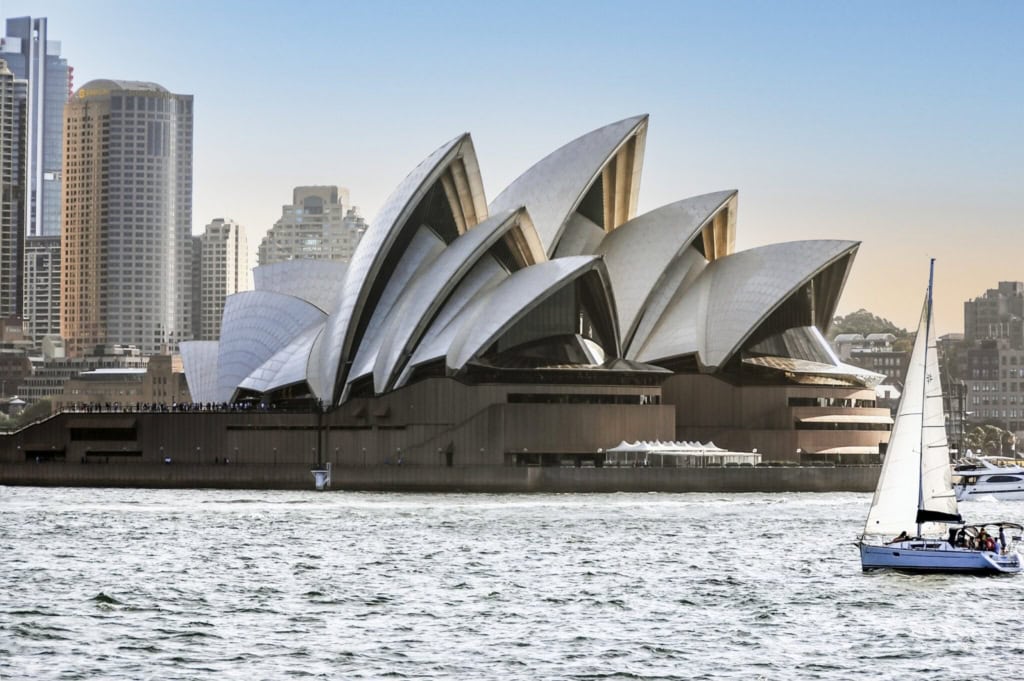
There’s always something to do and see in Sydney, and the public transport system is among the best in the country.
Melbourne
As Australia’s second-largest city, Melbourne has all the amenities you’ll find in Sydney, but on a smaller scale. It’s also a little less expensive.
The suburban areas outside Melbourne attract international citizens who want a quieter lifestyle while benefiting from a major city nearby.
Perth
With its hot climate and sandy beaches, the west coast city of Perth attracts those who prefer a casual, outdoor lifestyle to urban living.
Its job market boasts a strong tech sector, and homes in Perth are more affordable than they are in Australia’s big cities. It’s also within a two-hour drive of several national parks.
Brisbane
Brisbane is near Australia’s Gold Coast, known for its beaches and surf culture. It’s a relaxed city with a good job market, affordable housing, and year-round warm weather.

Brisbane is also home to one of the largest immigrant communities in all of Australia.
Hobart
Prefer a cooler climate? Consider Hobart, the capital city of Tasmania, an island located about 150 miles (241 km) off the south coast of the mainland.
It’s a port city known for its art scene, affordable housing, and breathtaking natural landscape.
Keen to explore more? Read about the best places to live in Australia.
Day-to-Day Life in Australia
Living in Australia can look quite different depending on where you settle, from how you get around day to day to the kind of climate you experience throughout the year.
Do I Need a Car to Live in Australia?
Public transportation is efficient in major cities, but it’s best to have a car to get around.
You can drive in Australia with a foreign driver’s license (if it’s in English) for three months. After three months, you’ll need to obtain an Australian driver’s license.

You won’t have to take a driving test if you got your current license in the US, UK, or most European countries.
Even with a driver’s license and vehicle, traveling from one city to another can be difficult. Because Australia is so vast, many people rely on domestic flights for city-to-city travel.
Train service exists, but there are no high-speed trains, and services are less frequent than in other countries.
What is Australia’s Climate Like, and How Does it Affect Day-to-Day Life?
Because Australia is in the southern hemisphere, its seasons are the opposite of those in the northern hemisphere. Here’s a closer look at Australia’s seasons:
- Winter: June to August
- Spring: September to November
- Summer: December to February
- Fall: March to May
Climate conditions vary considerably across the continent. Western Australia has hot, dry summers and mild winters.
The East Coast has a pleasant, four-season climate with hot summers and cool, rainy winters. Northern Australia has wet seasons and dry seasons with heavy rainfall and high humidity.
The most extreme climate conditions exist in the desert, also known as the Outback. Summers are hot and dry, with temperatures reaching up to 50 degrees Celsius (122 degrees Fahrenheit). The region sometimes goes for years without rain, making brush fires a common threat.
Depending on where in Australia you choose to live, extreme weather can impact how much time you spend outdoors.
Health Insurance for Expats in Australia
Australia has a two-tier healthcare system that offers both public and private options. The country’s public healthcare system is known as Medicare.
To access Australia’s Medicare system, you must be a citizen or a permanent resident of the country. Australia is ranked among the best healthcare systems in the world, but the downside to its popularity is that patient wait times can be long.
Many Aussies choose to supplement Medicare by taking out private medical insurance, enabling faster access to doctors and care.
Immigrants to Australia can also benefit from purchasing an international private health insurance plan. A private plan provides faster and better access to higher-quality physicians, Australian hospitals, and treatments. Learn more about health insurance in Australia for expats.
Find the Right Health Insurance for Australia
Get personalized international health insurance quotes tailored to your move, with plans that work alongside Australia’s healthcare system.
Ready to Move to the Land ‘Down Under’?
Expats should carefully weigh the pros and cons of living in Australia before packing their bags and applying for a visa.
While the country is known for its high cost of living, it remains an attractive destination for immigrants due to its multicultural population, high quality of life, and exceptional healthcare system.
However, before you decide to move ‘Down Under,’ be sure to do your research to ensure you can afford the lifestyle you want.