
The Best Hospitals in the United States
International Hospitals for Visitors and Expatriates in the US
The United States healthcare system is known worldwide for two things: the first-class, cutting-edge medical care provided at the country’s hospitals and the unique insurance system that can make receiving medical treatment confusing and potentially very expensive for visitors and expatriates.
Whether facing a medical emergency or opting for elective treatment, expats and visitors alike can expect a high standard of healthcare across the United States–but you should be aware of the costs and limitations of treatment for foreigners without health insurance.
Unlike many countries with extensive public healthcare systems, most clinics and hospitals in the United States are privately operated. The country maintains an impressively large number of hospitals with more than 5,700 facilities across the United States.
Like many other countries, most hospitals are located in urban areas: about 3,000 of the U.S.’s hospital facilities are within major metropolitan areas, with only about 2,500 serving the country’s vast rural areas.
However, while in-depth specialty care for diseases such as cancer is typically concentrated in a handful of large urban hospital networks, emergency care is widely available in even the most sparsely populated areas of this large country.

Find the Best International Medical Insurance
- Compare multiple quotes from top insurers
- Get expert advice at no additional cost
- Find the right plan for your needs and budget
The Best Public Hospitals in the USA
Public hospitals do exist in the United States, particularly in urban areas. Like their counterparts in other countries, the U.S.’s public healthcare facilities are often more crowded than private hospitals, leading to longer wait times.
Even public hospitals in the United States carry high treatment costs; however, these facilities are less likely to require an expat or visitor without adequate insurance to pay their entire medical bill upfront.
The high-quality and widely available medical care offered at hospitals in the United States comes at a price. For reference, U.S. citizens spend more than five times the amount on healthcare than the next highest country, and that’s with insurance.
The United States is notable for not requiring expats or visitors to maintain a health insurance plan. However, because emergency room bills can easily amount to thousands of dollars (or more) for even routine visits, obtaining medical insurance is highly advisable for short- and long-term visitors to the United States.
Remember that if you do not have health insurance and cannot demonstrate an ability to pay before receiving treatment, U.S. hospitals are not required to provide more than the minimum necessary medical care for emergencies.
If you face a medical emergency anywhere in the country, getting assistance is simple: dial 911. Ambulance services are privately run and often affiliated with the nearest hospital.
Still, service is almost always uniformly quick, and ambulances are generally well-maintained and equipped with the necessary equipment.

The Best Health Insurance Plans for Expats in the United States

Cigna Global Insurance Plan
- Flexible plans tailored to your needs and budget
- 1.5M+ providers in 200+ countries
- 24/7 multilingual customer support

BCBS Global Solutions Worldwide Premier
- Unlimited annual and lifetime coverage
- Pre-existing conditions covered with prior insurance
- For U.S. citizens abroad or foreign nationals in the U.S.
Recommended Hospitals in the United States for Expats and Visitors
- Arnold Palmer Hospital for Children and Women
92 West Miller Street
Orlando, FL 32806
United States
Tel: +1 407 647 9111 - Bascom Palmer Anne Bates Leach Eye Hospital
900 NW 17th Street
Miami, FL 33136
United States
Tel: +1 305 326 6000 - Bellevue Hospital Center
462 First Avenue
New York, NY 10016
United States
Tel: +1 212 561 4132 - Brigham and Women’s Hospital
75 Francis Street
Boston, MA 02115
United States
Tel: +1 617 732 5500 - California Pacific Medical Center
1388 Sutter Street
San Francisco, CA 94109
United States
Tel: +1 415 776 5140 - Children’s Hospital Boston
350 Longwood Avenue
Boston, MA 02115
United States
Tel: +1 617 355 8929
Fax: +1 617 730 0144 - Cleveland Clinic Hospital
3000 West Cypress Creek Road
Ft Lauderdale, FL 33309
United States
Tel: +1 954 978 5000 - Dana-Farber Cancer Institute
44 Binney Street
Boston, MA 02115
United States
Tel: +1 617 732 3000 - George Washington University Medical Center
901 23rd Street NW
Washington, DC 20037
United States
Tel: +1 202 994 1000 - HealthSouth Doctor’s Hospital
5000 University Drive
Coral Gables, FL 33146
United States
Tel: +1 305 666 2111 - Hospital for Special Surgery
535 East 70th Street
New York, NY 10021
United States
Tel: +1 212 606 1000 - Inova Alexandria Hospital
4320 Seminary Road
Alexandria, VA 22304
United States
Tel: +1 703 504 3000 - Inova Emergency Care of Fairfax
4315 Chain Bridge Road
Fairfax, VA 22030
United States
Tel: +1 703 591 9322
- Inova Emergency Care of Reston
11901 Baron Cameron Avenue
Reston, VA 20190
United States
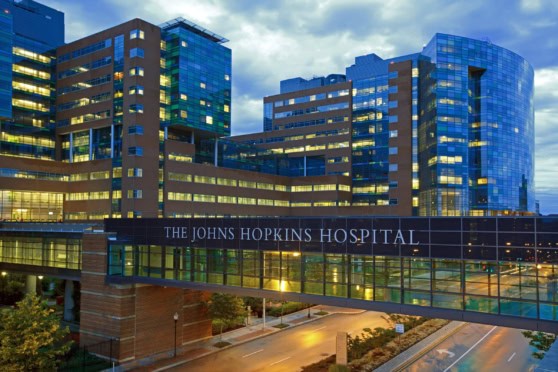
Tel: +1 703 471 0175 - Johns Hopkins Hospital
600 N. Wolfe Street
Baltimore, MD 21287
United States
Tel: +1 410 955 1983 - MD Anderson Cancer Center
1515 Holcombe Boulevard
Houston, TX 77030
United States
Tel: +1 713 792 2991 - Metropolitan Hospital Center
1901 First Avenue
New York, NY 10029
United States
Tel: +1 212 230 6262 - Mount Sinai Medical Center
One Gustave L. Levy Place
New York, NY 10029
United States
Tel: +1 212 241 6500 - North General Hospital
1879 Madison Avenue
New York, NY 10035
United States
Tel: +1 212 650 4000 - Ochsner Foundation Hospital
1516 Jefferson Highway
New Orleans, LA 70121
United States
Tel: +1 504 842 4111 - Scripps Memorial Hospital – La Jolla
9888 Genesee Avenue
La Jolla, CA 92037
United States
Tel: +1 619 457 4123 - St. Luke’s Roosevelt Hospital Center
1000 10th Avenue
New York, NY 10019
United States
Tel: +1 212 523 4000 - Texas Children’s Hospital
6621 Fannin Street
Houston, TX 77030
United States
Tel: +1 832 824 1000
Fax: +1 832 825 6184 - Tucson Medical Center
5301 E. Grant Road
Tucson, AZ 85712
United States
Tel: +1 520 327 5461 - UCLA Medical Center
10920 Wilshire Boulevard
Los Angeles, CA 90024
United States
Tel: +1 310 794 8759
Find the Best International Medical Insurance
- Compare multiple quotes from top insurers
- Get expert advice at no additional cost
- Find the right plan for your needs and budget