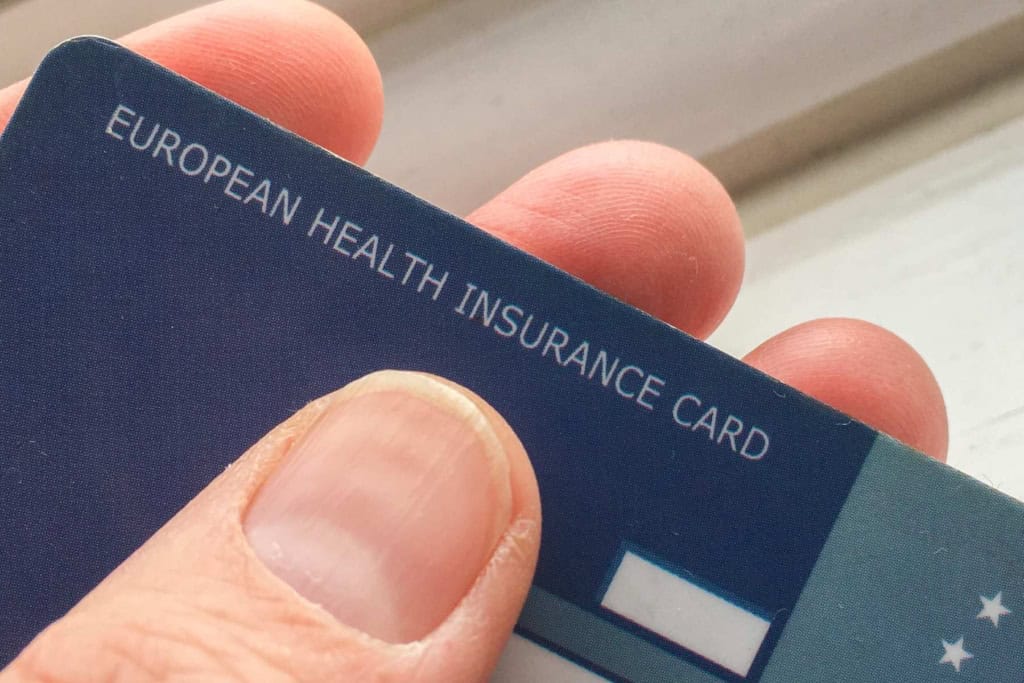
Call 999 in the UK for life-threatening medical emergencies, including chest pain, severe breathing difficulties, major injuries, or signs of a stroke. You can also call 112, which connects to the same emergency services and works throughout the UK. For urgent medical advice that is not an emergency, contact NHS 111.
<style>
.uk-rules-infographic,
.uk-rules-infographic * {
box-sizing: border-box;
}
.uk-rules-infographic {
–uk-green: #059852;
–uk-navy: #222450;
–uk-pale-green: #eef8f3;
–uk-border: #d8dadd;
–uk-white: #ffffff;
width: 100%;
max-width: 100%;
margin: 24px auto;
padding: 0;
color: var(–uk-navy);
font-family: “Open Sans”, Arial, sans-serif;
}
.uk-rules-canvas {
width: 100%;
padding: 0;
}
/* =========================================
MAIN HEADING
========================================= */
.uk-rules-heading {
position: relative;
display: flex;
width: 76%;
min-height: 56px;
margin: 0 auto 96px;
padding: 10px 14px;
align-items: center;
justify-content: center;
gap: 10px;
color: var(–uk-navy);
background: var(–uk-white);
border: 2px solid var(–uk-green);
border-radius: 7px;
text-align: center;
}
.uk-rules-infographic p.uk-rules-main-title {
margin: 0 !important;
padding: 0 !important;
color: var(–uk-navy) !important;
font-family: “Poppins”, Arial, sans-serif !important;
font-size: 20px !important;
font-weight: 600 !important;
line-height: 1.2 !important;
letter-spacing: normal !important;
text-align: center !important;
text-transform: none !important;
}
/* Main heading icon */
.uk-rules-heading-icon {
display: inline-flex;
width: 40px;
min-width: 40px;
height: 40px;
align-items: center;
justify-content: center;
color: var(–uk-green);
border: 2px solid var(–uk-green);
border-radius: 50%;
}
.uk-rules-heading-icon .material-symbols-outlined {
color: var(–uk-green);
font-size: 27px;
font-weight: normal;
line-height: 1;
font-variation-settings:
“FILL” 0,
“wght” 500,
“GRAD” 0,
“opsz” 24;
}
/* Vertical line below heading */
.uk-rules-heading::before {
position: absolute;
top: 100%;
left: 50%;
width: 2px;
height: 48px;
background: var(–uk-green);
content: “”;
transform: translateX(-50%);
}
/* =========================================
DESKTOP CARD GRID
========================================= */
.uk-rules-cards {
position: relative;
display: grid;
width: 100%;
grid-template-columns: repeat(5, minmax(0, 1fr));
grid-template-rows: repeat(6, auto);
column-gap: 6px;
row-gap: 0;
}
/* Horizontal branching line */
.uk-rules-cards::before {
position: absolute;
top: -48px;
left: calc((100% – 24px) / 10);
right: calc((100% – 24px) / 10);
height: 2px;
background: var(–uk-green);
content: “”;
}
/* =========================================
CARDS
========================================= */
.uk-rules-card {
position: relative;
display: grid;
min-width: 0;
padding: 12px 5px 10px;
grid-row: 1 / span 6;
grid-template-rows: subgrid;
color: var(–uk-navy);
background: var(–uk-white);
border: 1px solid var(–uk-border);
border-radius: 6px;
}
/* Place each card in its desktop column */
.uk-rules-card:nth-child(1) {
grid-column: 1;
}
.uk-rules-card:nth-child(2) {
grid-column: 2;
}
.uk-rules-card:nth-child(3) {
grid-column: 3;
}
.uk-rules-card:nth-child(4) {
grid-column: 4;
}
.uk-rules-card:nth-child(5) {
grid-column: 5;
}
/* Vertical branch above each card */
.uk-rules-card::before {
position: absolute;
bottom: 100%;
left: 50%;
width: 2px;
height: 48px;
background: var(–uk-green);
content: “”;
transform: translateX(-50%);
}
/* Arrowhead above each card */
.uk-rules-card::after {
position: absolute;
bottom: calc(100% + 2px);
left: 50%;
width: 8px;
height: 8px;
border-right: 2px solid var(–uk-green);
border-bottom: 2px solid var(–uk-green);
content: “”;
transform: translateX(-50%) rotate(45deg);
}
/* =========================================
NUMBER CIRCLES
========================================= */
.uk-rules-number {
display: flex;
width: 30px;
height: 30px;
margin: 5px auto 20px;
align-items: center;
justify-content: center;
align-self: start;
color: var(–uk-white);
background: var(–uk-green);
border-radius: 50%;
font-size: 16px;
font-weight: 500;
line-height: 1;
}
/* =========================================
MAIN CARD ICONS
========================================= */
.uk-rules-main-icon {
display: flex;
width: 64px;
height: 64px;
margin: 0 auto 5px;
align-items: center;
justify-content: center;
align-self: start;
color: var(–uk-navy);
background: var(–uk-pale-green);
border-radius: 50%;
}
.uk-rules-main-icon .material-symbols-outlined {
color: var(–uk-navy);
font-size: 38px;
font-weight: normal;
line-height: 1;
font-variation-settings:
“FILL” 0,
“wght” 300,
“GRAD” 0,
“opsz” 40;
}
/* =========================================
COLUMN TITLES
========================================= */
.uk-rules-infographic p.uk-rules-title {
display: flex;
min-height: 64px;
margin: 0 !important;
padding: 0 1px !important;
align-items: center;
justify-content: center;
align-self: stretch;
color: var(–uk-navy) !important;
font-family: “Poppins”, Arial, sans-serif !important;
font-size: 16px !important;
font-weight: 600 !important;
line-height: 1.2 !important;
letter-spacing: normal !important;
overflow-wrap: break-word;
text-align: center !important;
text-transform: none !important;
}
/* =========================================
INFORMATION SECTIONS
========================================= */
.uk-rules-section {
min-width: 0;
padding: 10px 5px 15px;
border-top: 1px solid var(–uk-border);
}
/* Section headings */
.uk-rules-label {
display: flex;
margin: 0 0 6px;
padding: 0;
align-items: center;
gap: 10px;
color: var(–uk-green);
font-family: “Poppins”, Arial, sans-serif;
font-size: 14px;
font-weight: 500;
line-height: 1.15;
letter-spacing: normal;
text-transform: none;
}
/* Small section icons */
.uk-rules-label-icon {
display: inline-flex;
width: 26px;
min-width: 26px;
height: 26px;
align-items: center;
justify-content: center;
color: var(–uk-green);
background: var(–uk-pale-green);
border-radius: 50%;
}
.uk-rules-label-icon .material-symbols-outlined {
color: var(–uk-green);
font-size: 20px;
font-weight: normal;
line-height: 1;
font-variation-settings:
“FILL” 0,
“wght” 400,
“GRAD” 0,
“opsz” 24;
}
/* Body copy */
.uk-rules-infographic .uk-rules-section > p {
margin: 8px 0 !important;
padding: 0 !important;
color: var(–uk-navy) !important;
font-family: “Open Sans”, Arial, sans-serif !important;
font-size: 14px !important;
font-weight: normal !important;
line-height: 1.4 !important;
letter-spacing: normal !important;
overflow-wrap: break-word;
text-align: center !important;
text-transform: none !important;
}
/* =========================================
MOBILE
Stack cards below 767px
========================================= */
@media (max-width: 767px) {
.uk-rules-infographic {
width: 100%;
margin: 20px auto;
}
/* Mobile main heading */
.uk-rules-heading {
width: 100%;
min-height: auto;
margin-bottom: 20px;
padding: 14px 16px;
justify-content: flex-start;
text-align: left;
}
.uk-rules-infographic p.uk-rules-main-title {
font-size: 20px !important;
text-align: left !important;
}
/* Remove desktop branching lines */
.uk-rules-heading::before,
.uk-rules-cards::before,
.uk-rules-card::before,
.uk-rules-card::after {
display: none;
}
/* Stack cards */
.uk-rules-cards {
display: grid;
grid-template-columns: 1fr;
grid-template-rows: none;
gap: 16px;
}
/* Reset desktop card placement */
.uk-rules-card,
.uk-rules-card:nth-child(1),
.uk-rules-card:nth-child(2),
.uk-rules-card:nth-child(3),
.uk-rules-card:nth-child(4),
.uk-rules-card:nth-child(5) {
display: grid;
width: 100%;
padding: 16px;
grid-column: 1;
grid-row: auto;
grid-template-columns: 40px 64px minmax(0, 1fr);
grid-template-rows: auto;
column-gap: 12px;
row-gap: 0;
align-items: center;
}
/* Mobile card header */
.uk-rules-number {
width: 40px;
height: 40px;
margin: 0;
align-self: center;
font-size: 17px;
}
.uk-rules-main-icon {
width: 64px;
height: 64px;
margin: 0;
align-self: center;
}
.uk-rules-main-icon .material-symbols-outlined {
font-size: 36px;
}
.uk-rules-infographic p.uk-rules-title {
min-height: 0;
margin: 0 !important;
padding: 0 !important;
align-self: center;
justify-content: flex-start;
font-size: 16px !important;
text-align: left !important;
}
/* Full-width information sections */
.uk-rules-section {
grid-column: 1 / -1;
padding: 14px 2px;
}
.uk-rules-title + .uk-rules-section {
margin-top: 16px;
}
/* Mobile section headings */
.uk-rules-label {
margin-bottom: 8px;
gap: 8px;
font-size: 14px;
}
.uk-rules-label-icon {
width: 28px;
min-width: 28px;
height: 28px;
}
.uk-rules-label-icon .material-symbols-outlined {
font-size: 19px;
}
/* Mobile body copy */
.uk-rules-infographic .uk-rules-section > p {
margin: 6px 0 0 !important;
font-size: 14px !important;
line-height: 1.5 !important;
text-align: left !important;
}
}
</style>
<section
class=”uk-rules-infographic”
aria-labelledby=”uk-rules-heading”
>
<div class=”uk-rules-canvas”>
<div class=”uk-rules-heading”>
<span class=”uk-rules-heading-icon” aria-hidden=”true”>
<span class=”material-symbols-outlined”>alt_route</span>
</span>
<p
id=”uk-rules-heading”
class=”uk-rules-main-title”
role=”heading”
aria-level=”2″
>
Choose the Situation That Best Matches Your Stay
</p>
</div>
<div class=”uk-rules-cards”>
<!– Card 1: Moving on a Long-Term Visa –>
<article class=”uk-rules-card”>
<div class=”uk-rules-number” aria-hidden=”true”>1</div>
<div class=”uk-rules-main-icon” aria-hidden=”true”>
<span class=”material-symbols-outlined”>luggage</span>
</div>
<p class=”uk-rules-title” role=”heading” aria-level=”3″>
Moving on a Long-Term Visa
</p>
<div class=”uk-rules-section”>
<div class=”uk-rules-label”>
<span class=”uk-rules-label-icon” aria-hidden=”true”>
<span class=”material-symbols-outlined”>
health_and_safety
</span>
</span>
<span>NHS Access</span>
</div>
<p>
Usually yes, after paying the Immigration Health Surcharge (IHS)
when required.
</p>
</div>
<div class=”uk-rules-section”>
<div class=”uk-rules-label”>
<span class=”uk-rules-label-icon” aria-hidden=”true”>
<span class=”material-symbols-outlined”>
currency_pound
</span>
</span>
<span>Likely Charges</span>
</div>
<p>
Most NHS care is covered, but prescriptions in England, dental
care, and eye care may cost extra.
</p>
</div>
<div class=”uk-rules-section”>
<div class=”uk-rules-label”>
<span class=”uk-rules-label-icon” aria-hidden=”true”>
<span class=”material-symbols-outlined”>shield</span>
</span>
<span>Suggested Insurance</span>
</div>
<p>
International health insurance for private care, more choice, and
coverage outside the UK.
</p>
</div>
</article>
<!– Card 2: International Student –>
<article class=”uk-rules-card”>
<div class=”uk-rules-number” aria-hidden=”true”>2</div>
<div class=”uk-rules-main-icon” aria-hidden=”true”>
<span class=”material-symbols-outlined”>school</span>
</div>
<p class=”uk-rules-title” role=”heading” aria-level=”3″>
International Student
</p>
<div class=”uk-rules-section”>
<div class=”uk-rules-label”>
<span class=”uk-rules-label-icon” aria-hidden=”true”>
<span class=”material-symbols-outlined”>
health_and_safety
</span>
</span>
<span>NHS Access</span>
</div>
<p>
Usually yes, if your visa includes NHS access through the IHS.
</p>
</div>
<div class=”uk-rules-section”>
<div class=”uk-rules-label”>
<span class=”uk-rules-label-icon” aria-hidden=”true”>
<span class=”material-symbols-outlined”>
currency_pound
</span>
</span>
<span>Likely Charges</span>
</div>
<p>
Similar to residents. Prescriptions in England, dental care, and
eye care may cost extra.
</p>
</div>
<div class=”uk-rules-section”>
<div class=”uk-rules-label”>
<span class=”uk-rules-label-icon” aria-hidden=”true”>
<span class=”material-symbols-outlined”>shield</span>
</span>
<span>Suggested Insurance</span>
</div>
<p>
Student or international health insurance for extra protection and
private access.
</p>
</div>
</article>
<!– Card 3: Short-Term Visitor –>
<article class=”uk-rules-card”>
<div class=”uk-rules-number” aria-hidden=”true”>3</div>
<div class=”uk-rules-main-icon” aria-hidden=”true”>
<span class=”material-symbols-outlined”>flight_takeoff</span>
</div>
<p class=”uk-rules-title” role=”heading” aria-level=”3″>
Short-Term Visitor
</p>
<div class=”uk-rules-section”>
<div class=”uk-rules-label”>
<span class=”uk-rules-label-icon” aria-hidden=”true”>
<span class=”material-symbols-outlined”>
health_and_safety
</span>
</span>
<span>NHS Access</span>
</div>
<p>
Limited. Emergency care is available, but many hospital services
may be chargeable.
</p>
</div>
<div class=”uk-rules-section”>
<div class=”uk-rules-label”>
<span class=”uk-rules-label-icon” aria-hidden=”true”>
<span class=”material-symbols-outlined”>
currency_pound
</span>
</span>
<span>Likely Charges</span>
</div>
<p>
Hospital admission, specialist care, and follow-up treatment may
be billed.
</p>
</div>
<div class=”uk-rules-section”>
<div class=”uk-rules-label”>
<span class=”uk-rules-label-icon” aria-hidden=”true”>
<span class=”material-symbols-outlined”>shield</span>
</span>
<span>Suggested Insurance</span>
</div>
<p>
Travel medical insurance for access to emergency care abroad.
</p>
</div>
</article>
<!– Card 4: EU or Reciprocal Visitor –>
<article class=”uk-rules-card”>
<div class=”uk-rules-number” aria-hidden=”true”>4</div>
<div class=”uk-rules-main-icon” aria-hidden=”true”>
<span class=”material-symbols-outlined”>id_card</span>
</div>
<p class=”uk-rules-title” role=”heading” aria-level=”3″>
EU or Reciprocal Visitor
</p>
<div class=”uk-rules-section”>
<div class=”uk-rules-label”>
<span class=”uk-rules-label-icon” aria-hidden=”true”>
<span class=”material-symbols-outlined”>
health_and_safety
</span>
</span>
<span>NHS Access</span>
</div>
<p>
You may be able to receive medically necessary care if eligible
under an EHIC or reciprocal agreement.
</p>
</div>
<div class=”uk-rules-section”>
<div class=”uk-rules-label”>
<span class=”uk-rules-label-icon” aria-hidden=”true”>
<span class=”material-symbols-outlined”>
currency_pound
</span>
</span>
<span>Likely Charges</span>
</div>
<p>
Some treatment may still fall outside the agreement, so costs can
still apply.
</p>
</div>
<div class=”uk-rules-section”>
<div class=”uk-rules-label”>
<span class=”uk-rules-label-icon” aria-hidden=”true”>
<span class=”material-symbols-outlined”>shield</span>
</span>
<span>Suggested Insurance</span>
</div>
<p>
Travel medical insurance because reciprocal access does not
replace full travel coverage.
</p>
</div>
</article>
<!– Card 5: UK Resident –>
<article class=”uk-rules-card”>
<div class=”uk-rules-number” aria-hidden=”true”>5</div>
<div class=”uk-rules-main-icon” aria-hidden=”true”>
<span class=”material-symbols-outlined”>groups</span>
</div>
<p class=”uk-rules-title” role=”heading” aria-level=”3″>
UK Resident
</p>
<div class=”uk-rules-section”>
<div class=”uk-rules-label”>
<span class=”uk-rules-label-icon” aria-hidden=”true”>
<span class=”material-symbols-outlined”>
health_and_safety
</span>
</span>
<span>NHS Access</span>
</div>
<p>
Usually yes, if you are ordinarily resident in the United Kingdom.
</p>
</div>
<div class=”uk-rules-section”>
<div class=”uk-rules-label”>
<span class=”uk-rules-label-icon” aria-hidden=”true”>
<span class=”material-symbols-outlined”>
currency_pound
</span>
</span>
<span>Likely Charges</span>
</div>
<p>
Most NHS care is covered, but some prescriptions, dental care, and
eye care may cost extra.
</p>
</div>
<div class=”uk-rules-section”>
<div class=”uk-rules-label”>
<span class=”uk-rules-label-icon” aria-hidden=”true”>
<span class=”material-symbols-outlined”>shield</span>
</span>
<span>Suggested Insurance</span>
</div>
<p>
Optional private health insurance for faster access and more
provider choice.
</p>
</div>
</article>
</div>
</div>
</section>