
The Safest Neighborhoods in Barcelona
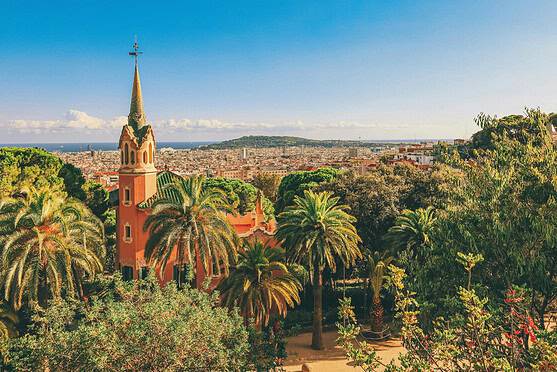
Barcelona is one of Europe’s most popular cities for expats, known for its Mediterranean lifestyle, world-class architecture, and vibrant coastal energy. But when relocating or spending an extended period in the city, understanding the safest neighborhoods in Barcelona is crucial for choosing the right place to live.
This article breaks down the most secure barrios in Barcelona, areas that require more awareness, and offers practical advice for expats looking to live securely in the city.

Planning a Move to Spain? Protect Your Health Abroad
Compare personalized international health insurance options that match your destination, budget, and coverage needs.
✔️ Personalized quotes • ✔️ Expert guidance • ✔️ No obligation
Is Barcelona Safe?
Overall, Barcelona is considered a safe city for both residents and expats. Violent crime is relatively rare, and most day-to-day life is peaceful and well-organized.
The most common issue is petty crime, particularly pickpocketing in crowded areas such as public transport, popular landmarks, and busy shopping streets.
These incidents are usually non-violent and opportunistic, targeting distracted tourists rather than long-term residents.
For expats living in residential neighborhoods, the risk is generally lower. Most people quickly adapt to local routines and become familiar with areas and situations to avoid.
Taxi overcharging and tourist-focused scams can still occur, but these are far less common once you familiarize yourself with the city and know typical routes and pricing.
Barcelona also has a visible and active police presence, including local and regional authorities. This helps maintain overall safety and rapid response in most districts.
The Safest Neighborhoods in Barcelona
Some of the safest neighborhoods in Barcelona are also among the most desirable for expat living.
These areas tend to be more residential, better maintained, and less exposed to heavy tourist traffic.
Eixample
Eixample is one of the most popular areas for expats due to its wide streets, organized grid layout, and strong sense of safety.
It is one of Barcelona’s most structured and well-planned districts. This makes it feel more open, navigable, and less chaotic than many of the city’s older neighborhoods.
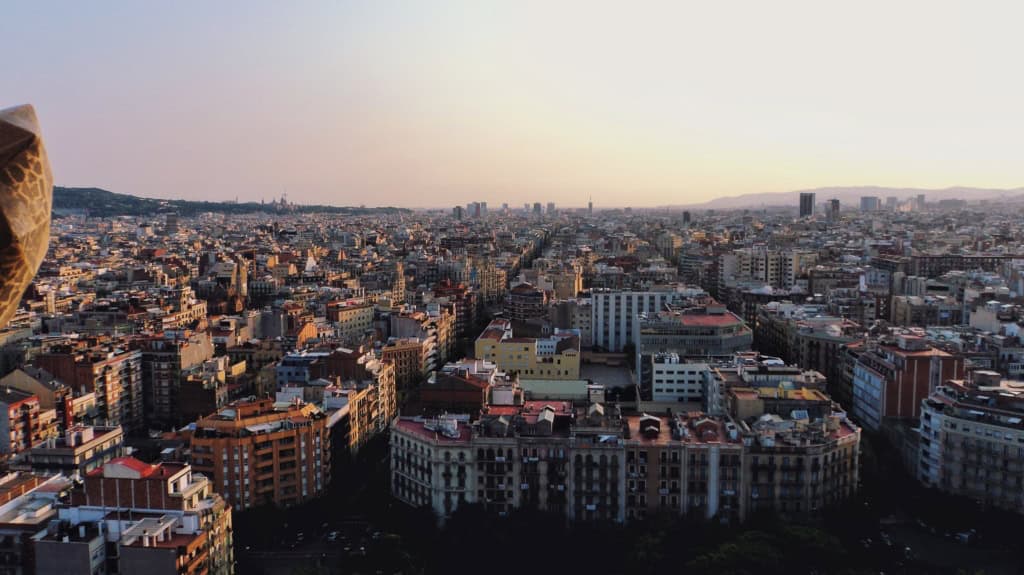
In terms of safety, Eixample is generally considered one of the more secure areas of central Barcelona.
Its broad streets, steady foot traffic, and mix of residential and commercial activity create a balanced environment that feels active throughout the day and into the evening.
While petty crime such as pickpocketing can still occur, it is less concentrated here than in busier tourist-heavy districts.
Eixample combines residential living with shopping, dining, and some of Barcelona’s most iconic modernist architecture.
It is ideal for expats seeking a comfortable, well-connected urban lifestyle with easy access to both the city center and surrounding neighborhoods.
Barceloneta
Barceloneta is considered one of the safest neighborhoods in Barcelona and is home to the city’s closest beach to the city center, and one of its most iconic coastal areas.
Once a traditional fishing district, it still retains a small village feel, with narrow streets, laundry hanging from balconies, and a strong sense of everyday community life.
While it is heavily visited due to its beachfront location, the residential pockets of Barceloneta can feel safe, local, and community-oriented, especially outside peak tourist hours.
Many families and long-term residents still live here, alongside newer arrivals drawn to the coastal lifestyle.
That said, the neighborhood becomes much busier during the tourist season. This can lead to crowded streets and a higher presence of petty crime, particularly in beachfront and nightlife areas.
Overall, it offers a unique coastal way of living, but it requires a bit more awareness during peak periods than quieter residential districts.
Gràcia
Gràcia has a village-like atmosphere with a strong local community feel. This is shaped by its history as an independent town until the late 19th century.
This background is still evident in its pedestrian-friendly streets, small plazas, and relaxed pace of life, which set it apart from much of central Barcelona.

It has a notably diverse population, including many long-term residents and seniors, many of whom come from families that have lived in the area for generations.
At the same time, Gràcia has attracted a growing community of younger expats, students, and creatives drawn to its bohemian, independent vibe and local character.
Many expats choose Gràcia for its balance of safety, charm, and authenticity. It is widely regarded as a safe, quirky, and homey area that offers a more grounded, community-oriented lifestyle while remaining well connected to the rest of the city.
Poblenou
Poblenou is a modern, increasingly popular district that blends old industrial spaces with new tech offices and residential developments.
This reflects its transformation from a former industrial hub into one of Barcelona’s key innovation areas, including nearby Barcelona Activa.
It has a mixed community of tech professionals, families, and long-term residents. This includes older generations who have lived through its industrial past. This creates a grounded but forward-looking neighborhood with a strong local identity.
Today, Poblenou offers a quieter, more spacious lifestyle close to the beach, making it a strong option for families and professionals.
Converted factories, art spaces, and independent shops sit alongside modern housing. This gives it a distinct character compared to the city’s more historic parts.
Sants
Sants is a practical, well-connected residential area with a more local feel and generally lower rental costs than central districts.
This makes it a popular choice for families, long-term residents, and those seeking a quieter lifestyle with excellent transport links.
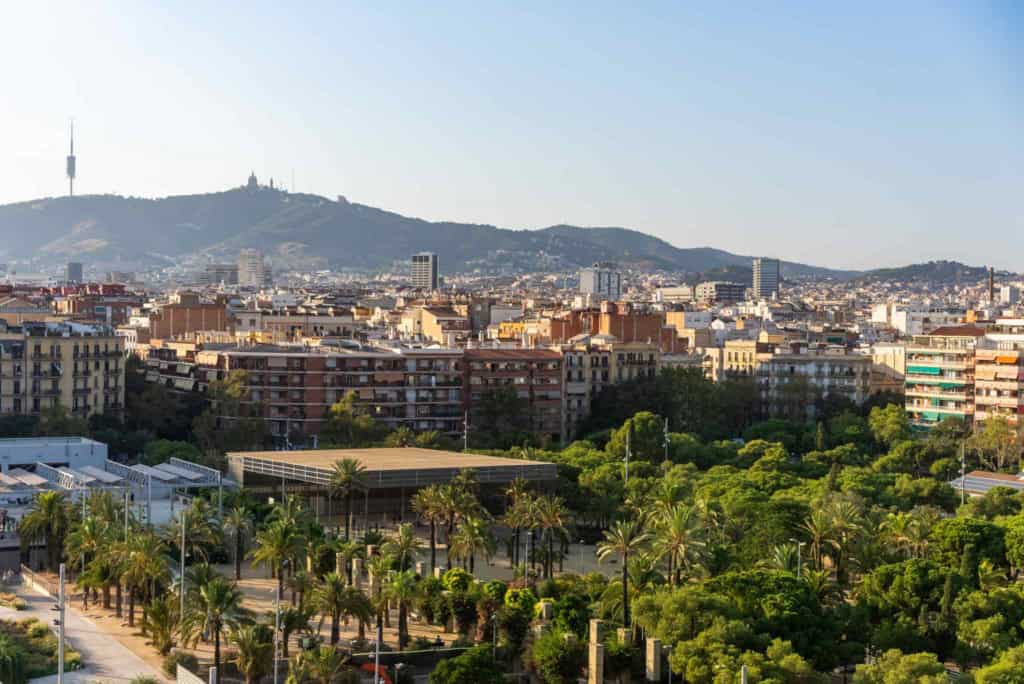
It has a relaxed, welcoming atmosphere with a strong sense of everyday local life. The neighborhood offers a balanced mix of independent shops, chain stores, traditional markets, bakeries, restaurants, and casual bars, giving residents everything they need without the intensity of more tourist-heavy areas.
Sants is also home to one of Barcelona’s main transport hubs, Sants Estació, which provides easy access to the airport and high-speed rail connections across Spain.
While the area is generally safe and comfortable to live in, the station and its immediate surroundings can feel less secure late at night, so it’s worth exercising standard urban awareness when passing through after hours.
Bogatell / Ciutadella
Bogatell and the Ciutadella Park area offer a balanced mix of coastal living and city access. This makes them especially popular with expats who want proximity to the beach without being fully immersed in the busiest tourist zones.
Compared to Barceloneta, Bogatell is generally quieter and more residential, with wider streets, modern apartments, and a more relaxed atmosphere.
It tends to attract young professionals and families seeking a calmer seaside environment, with a more laid-back rhythm and lower tourist density.
The Ciutadella area sits closer to the city center and the park, offering excellent green space, walkability, and easy access to El Born and the Gothic Quarter.
While both areas are considered safe overall, Ciutadella’s proximity to nightlife and central districts means some nearby streets can become busier in the evenings, particularly around entertainment hotspots.
Both neighborhoods are well-connected and generally safe, and they tend to be lively on weekends thanks to beach activity, parks, and nearby nightlife, including venues such as Casino Barcelona and several beachfront clubs.
Barcelona Neighborhoods to Be Aware Of
While the safest neighborhoods in Barcelona include Eixample, Gràcia, and Poblenou, other districts require greater caution at different times of day and in different locations.
In general, no neighborhood in Barcelona is completely unsafe, but some areas call for more caution, particularly at night or in less-populated streets.
Like many major cities, Barcelona’s safest areas tend to be its more affluent and residential barrios, such as Eixample and Poblenou.
That said, even in neighborhoods that may feel less safe at first glance, many residential streets are perfectly comfortable for everyday living.
Overall, no barrio in Barcelona should be completely avoided, as most areas contain a mix of safer and more active streets depending on the time and context.
However, certain pockets, especially in central and tourist-heavy areas, do require greater caution after dark.
El Raval
El Raval is one of the city’s most complex neighborhoods. It has a strong cultural identity and creative energy, but also higher levels of petty crime in certain streets.
During the day, it can feel vibrant and authentic, but at night, some areas require a little more caution. It is a neighborhood of contrasts, where experience can vary significantly from one street to the next.
Gothic Quarter (Barri Gòtic)
The Gothic Quarter is one of the most visited parts of Barcelona. Its narrow, winding streets and dense layout create a beautiful, atmospheric setting but also make it a hotspot for pickpockets, especially during peak tourist hours.
While it is safe to walk through and explore, the smaller streets can feel quiet or deserted late at night, which may be uncomfortable for some residents.
El Born
El Born is known for its nightlife, dining, and boutique culture, which makes it lively and popular in the evenings.
However, this also means higher noise levels and busy streets, especially on weekends. While generally safe, some of the smaller side streets can feel quiet or isolated late at night, so awareness is advised.
Las Ramblas Area
Las Ramblas is the main promenade through central Barcelona and is almost always bustling.
Despite being heavily patrolled and generally safe to walk through at any time of day, it is one of the city’s main hotspots for pickpocketing and tourist scams.
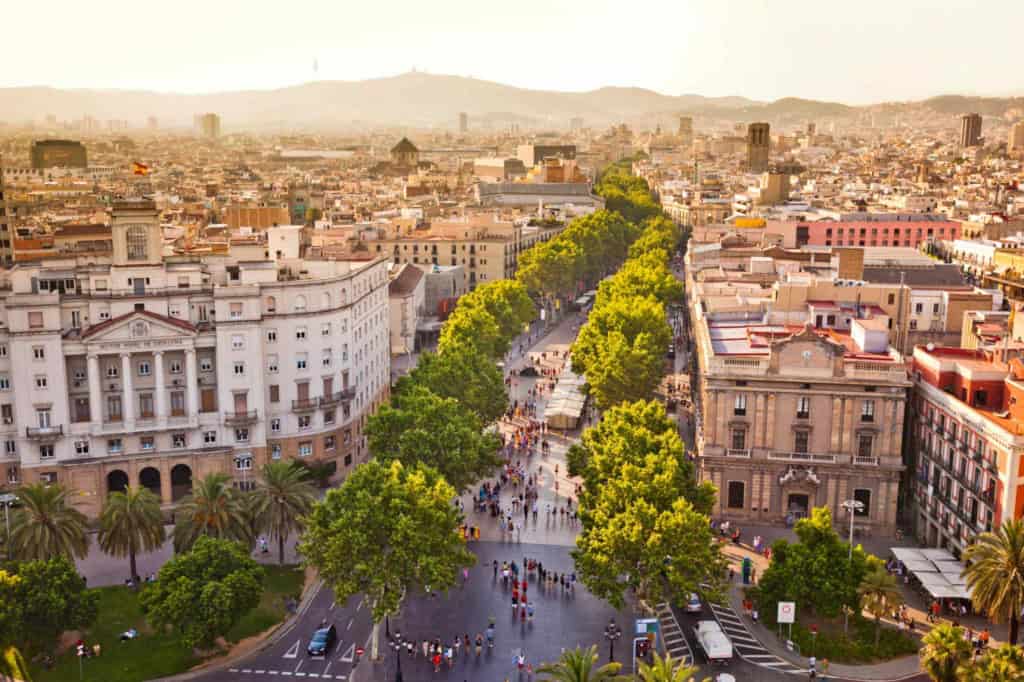
Late at night, the southern end can feel slightly less comfortable, though it remains relatively safe and is easy to avoid for residents who prefer quieter routes.
Some expats with unusual schedules, such as night-shift workers, appreciate that Las Ramblas is always busy and well-lit.
However, for most long-term residents, the noise, crowds, and pickpockets make it less desirable as a residential area.

Avoid Nightlife Noise! Barri Gòtic, El Born, and El Raval are popular with bachelor and bachelorette parties. While this doesn’t directly affect safety, it can increase noise levels and impact the overall atmosphere, especially on weekends. When choosing housing, consider proximity to nightlife streets, as they are busier and louder at night.
Finding a Place to Live in Barcelona
Finding accommodation in Barcelona can be competitive due to high demand and limited supply in popular districts, so expats should expect prices, styles, and availability to vary by neighborhood.
Central areas like Eixample and Gràcia tend to be more expensive but offer higher convenience and a stronger sense of safety, while more residential districts such as Sants or parts of Poblenou may provide better value and more space.
Many expats prioritize the safest neighborhoods in Barcelona when choosing housing, especially if they are new to the city or planning a long-term stay.
Short-term rentals are also a common first step before committing to a long-term lease, allowing time to explore different neighborhoods and understand daily life in the city.
Platforms such as Spacest, Idealista, Fotocasa, and Spotahome are popular for finding both short- and long-term accommodation options in Barcelona. This includes furnished apartments and flexible rental terms.

Guide
Safety Tips for Expats Living in Barcelona
Barcelona is generally a safe city to live in, but like any major European city, it comes with a few urban risks, most of which are manageable with awareness and routine habits.
Here are some essential safety tips for expats living in Barcelona.
Understand the Main Risk: Petty Crime
Violent crime in Barcelona is relatively rare, especially in residential and expat-friendly neighborhoods.
The most common issue is petty crime, particularly pickpocketing, in crowded areas such as Las Ramblas, public transport, metro stations, and major tourist attractions.
These incidents are usually opportunistic rather than targeted, meaning simple precautions, such as keeping bags closed and valuables secure, significantly reduce the risk.
Choose Your Neighborhood Wisely
Safety in Barcelona varies more by street and area than by the city as a whole. Affluent and residential districts such as Eixample, Gràcia, and Poblenou tend to feel calmer and more predictable day to day.
By contrast, central tourist-heavy areas like the Gothic Quarter, El Raval, and Las Ramblas can feel much busier, especially in the evenings, with higher exposure to crowds and opportunistic theft.
Stay Alert in Tourist and Transit Areas
Crowded spaces are where most incidents occur. Be especially mindful of:
- Metro stations and trains
- Major shopping streets
- Tourist landmarks and plazas
- Busier nightlife districts
Keeping awareness of your surroundings, particularly in dense crowds, goes a long way in preventing issues.
Be Cautious Around Nightlife Areas
Some central neighborhoods, including El Born, El Raval, and the Gothic Quarter, are popular nightlife hubs. While generally safe, they can become noisy and crowded at night, with more distractions and street activity.
It’s also worth considering proximity to bars and late-night venues when choosing housing, as weekends can be significantly louder and busier.
Be Aware of Scams and Overcharging
Tourist-focused scams do exist, including taxi overcharging or unofficial services near major attractions.
These are less common once you are familiar with the city, but it’s best to use licensed taxis or trusted ride apps and confirm pricing when unsure.
Stay Informed During Events or Protests
Barcelona occasionally experiences demonstrations related to regional or political issues. These are usually peaceful, but can sometimes cause temporary disruptions in transport or traffic.
Checking local news or avoiding large gatherings is advisable if you prefer to stay cautious.
General Urban Awareness Is Enough for Most Expats
Barcelona has a strong police presence and well-developed infrastructure, and most residents quickly adapt to a safe, normal routine.
With basic awareness and common-sense habits, expats typically enjoy a high quality of life with minimal safety concerns.
Enjoy Life Abroad With the Right Coverage
Compare international health insurance plans that provide reliable coverage and access to care while living in Spain.