
The Safest Cities to Live in Spain

The Safest Places to Call Home in Spain
Spain is known for its rich cultural heritage, vibrant tapas culture, and generally affordable cost of living compared to much of Western Europe. While petty crime has fluctuated in recent years, the country remains one of the safer destinations in Europe for residents and expats alike.
While no destination is completely risk-free, most expats feel very safe in everyday life. If you’re looking to move there, this article outlines some of the safest cities in Spain for expats.

Planning a Move to Spain? Protect Your Health Abroad
Compare personalized international health insurance options that match your destination, budget, and coverage needs.
✔️ Personalized quotes • ✔️ Expert guidance • ✔️ No obligation
How We Identified The Safest Cities in Spain
To identify the safest cities in Spain for expats, we considered a combination of factors. This includes crime data trends, expat reports, quality of local infrastructure, population density, and day-to-day livability.
In Spain, most crime is non-violent and opportunistic, with petty theft and tourist-related scams being the most common issues in larger cities.
For this reason, we placed greater weight on residents’ perceptions of safety in everyday environments. This includes public transport, residential neighborhoods, and city centers, rather than solely on national crime statistics.
We also considered regional stability, healthcare access, transport safety, and overall quality of life to ensure each location is practical and realistic for long-term expat living.
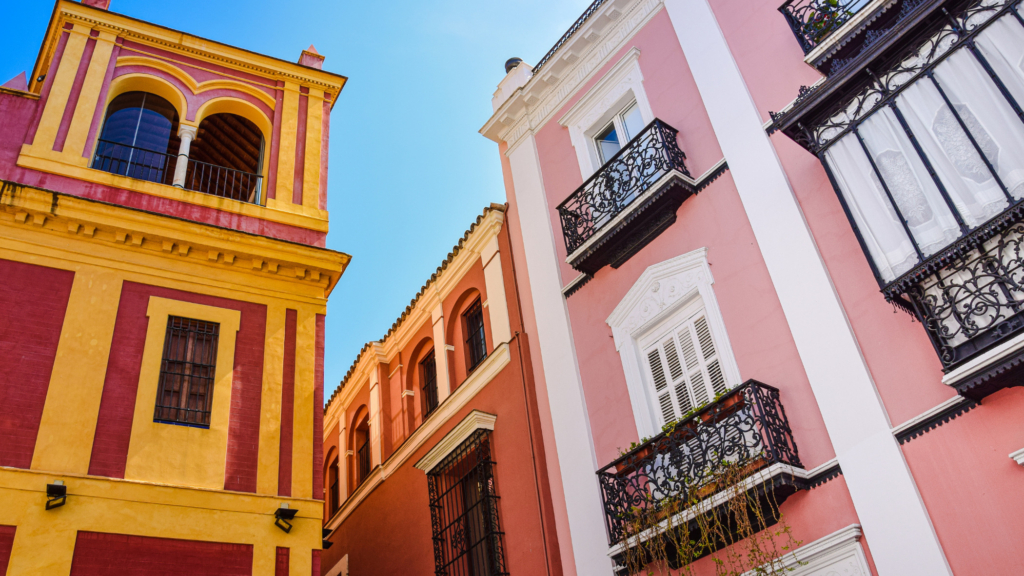
The Safest Cities to Live in Spain
Spain remains one of Europe’s most attractive and generally safe countries for expats. It is known for its relaxed lifestyle, strong public services, and high quality of life.
While safety levels are strong nationwide, some cities consistently stand out for their stability, walkability, and low levels of serious crime.
These locations are especially popular among expats seeking a secure, comfortable place to live.
Granada
Granada is often regarded as one of the safest and most welcoming cities for expats in Spain. It combines a strong local community, a relaxed pace of life, and a compact, walkable city layout that makes everyday living straightforward.
The city benefits from a steady student population and a well-established expat presence. This adds to its sense of safety and familiarity.
Most areas feel safe both day and night, particularly outside the busiest tourist zones around the Alhambra and central historic districts.

Murcia
Murcia is a quieter university city in southeastern Spain with a strong local economy and a relatively low cost of living compared to larger Spanish cities.
It is generally calm and residential, with a slower, more traditional pace of life that appeals to long-term residents and families.
While it does not attract the same level of international tourism as coastal hubs, it still offers good amenities and services. Most safety concerns are limited to minor urban issues such as petty theft in busier central areas.
Málaga
Málaga is one of the most popular coastal cities in Spain’s Costa del Sol and has a large and growing expat community.
Despite its popularity with tourists, it remains generally safe for residents. This is particularly true in residential neighborhoods and suburban districts outside the main beachfront and historic center. The city offers a strong balance of culture, beach lifestyle, and modern infrastructure.
As with most major tourist destinations, the primary concern is opportunistic petty theft in crowded areas during peak travel seasons.
Mallorca
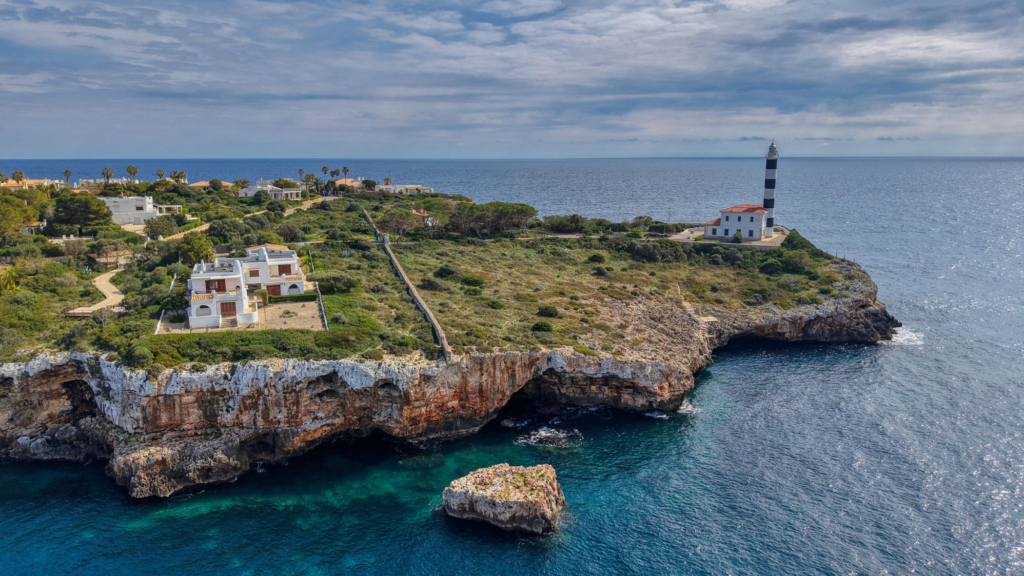
Mallorca, the largest of the Balearic Islands, is widely considered very safe for both residents and long-term visitors.
Outside peak tourist hotspots such as Palma’s busiest districts and popular resort areas, the island has a relaxed pace of life and a strong sense of community.
Many inland towns and coastal villages offer quiet, low-crime environments that are especially attractive to families and retirees. Violent crime is rare, with most issues linked to seasonal tourism activity rather than day-to-day life.
Seville (Sevilla)
Seville is a major cultural center in southern Spain and is generally considered safe for a city of its size. It is known for its vibrant street life, historic architecture, and strong local identity, which contribute to its overall sense of stability and community.
The city is lively and busy, especially in central districts and around major landmarks, where petty theft can occasionally occur.
Outside these areas, residential neighborhoods are typically calm and offer a more traditional, slower-paced way of life.
Places to Be More Mindful of in Spain
Spain is generally safe, so there are no cities that are “dangerous” in a strict sense. However, some areas require more awareness due to higher levels of petty crime, tourist density, or large urban populations.
In particular, if you’re living in Barcelona or Madrid, you may see more pickpocketing and opportunistic theft. This is especially true in crowded metro stations, major tourist attractions, and nightlife districts.
Certain heavily touristic coastal zones can also experience seasonal increases in scams or petty theft during peak summer months. These areas are still very livable, but they require more day-to-day caution than smaller cities.
Overall, Spain remains a safe country to live in, and most issues can be easily avoided with standard urban awareness.
Enjoy Life Abroad With the Right Coverage
Compare international health insurance plans that provide reliable coverage and access to care while living in Spain.